These electrical warning signs are getting more attention from insurers
Photo credit: Mike shots/Shutterstock.com
Insurers are no longer treating electrical problems as background noise. As loss data and real time monitoring sharpen their view of risk, specific warning signs in your wiring, panels, and even safety signage are starting to influence whether you get coverage at all, and at what price. If you manage property or run a business, those subtle clues in your electrical system now sit much closer to your insurance bottom line.
Instead of waiting for a fire report to reveal what went wrong, carriers are building these red flags into underwriting checklists, inspection programs, and renewal negotiations. That shift means you need to recognize the same danger signals they do, from outdated panels and overloaded circuits to non compliant warning signs that could complicate a claim.
Why insurers suddenly care so much about electrical warning signs
Insurers are in the middle of a structural reset, and electrical risk is one of the clearest places where that change shows up. You are seeing more carriers tie eligibility and pricing to the condition of building systems because they now have the tools and data to connect specific hazards to loss patterns. Industry forecasts describe how the use of real time data sets, including satellites, drones, IoT devices, and other collection technologies, is giving insurers a sharper picture of property conditions so they can make more informed business decisions, which naturally includes how they treat electrical exposures in your account.
That same shift is reshaping underwriting culture. Analysts describe a new era of risk that demands new technology, new products, and new business models, and they flag 2025 as a turning point for how carriers evaluate and price emerging hazards. When you combine that with predictions that digital tools will help insurers get a clearer, real time view of potential risks and speed up the claims process, it is easy to see why visible electrical warning signs are moving from “maintenance issue” to “core insurability question” in many portfolios.
From sparks to subtle cues, what carriers now treat as red flags
On the ground, the warning signs that worry insurers look a lot like the ones that should worry you. Some are dramatic, such as sparks, smoke, or outlets that are hot to the touch, which any adjuster will treat as evidence of a serious defect if a loss occurs. Others are more subtle, including flickering lights, breakers that trip repeatedly, or a faint burning smell, but risk engineers increasingly view those as an electrical system waving a bright red flag long before a fire or equipment failure.
Home and small business specialists are also calling out early panel problems as a critical category of warning sign. Guidance for residents stresses that recognizing early warning signs of electrical panel failure helps you act before small problems turn into major hazards, and that a panel that no longer distributes power safely and reliably for years is a direct threat to both safety and insurability. When those issues are documented in inspection reports or maintenance logs, they become part of the file an underwriter reviews when deciding whether your risk profile is improving or deteriorating.
Outdated and unsafe panels that can make a property uninsurable
Few electrical issues get insurers’ attention faster than obsolete or defective service panels. Property insurance policies with outdated electrical panels are already facing critical changes, with some carriers tightening terms or declining risks entirely when they see equipment that is known to overheat or fail. Market guidance for property managers warns that these shifts are meant to push owners toward safer infrastructure and lower risk profiles for insured properties, not simply to raise premiums.
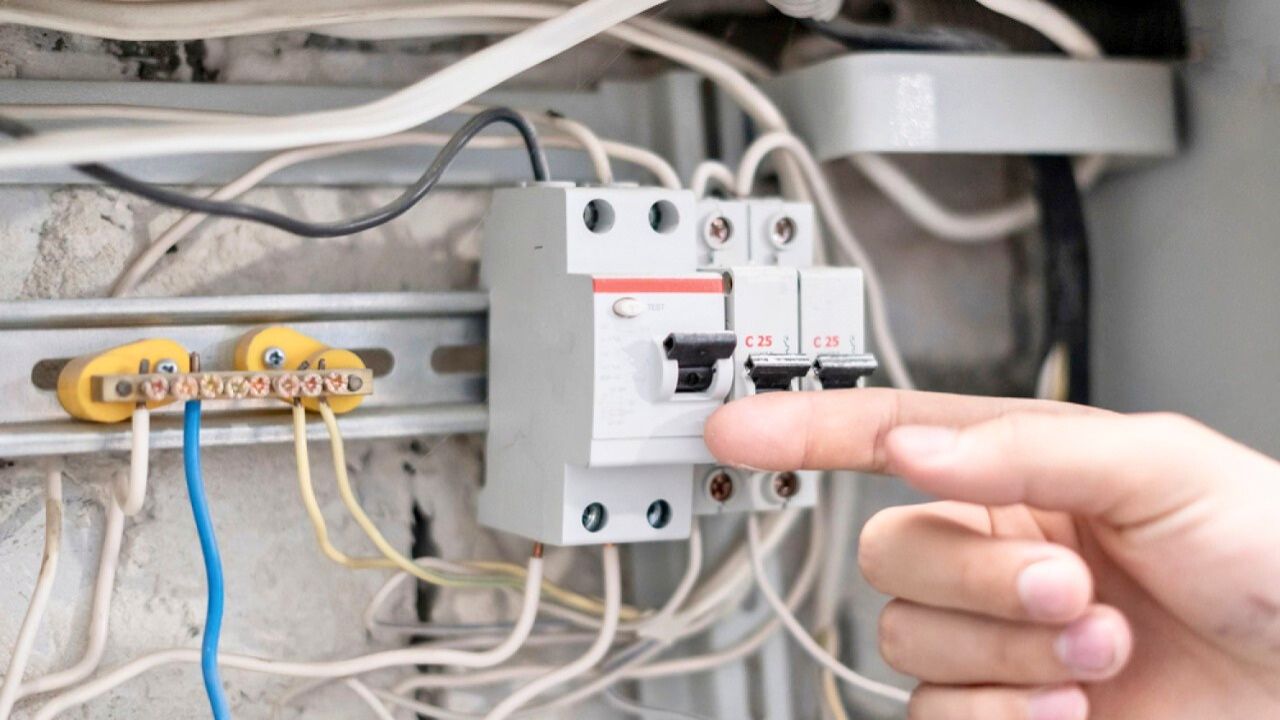
Specialist electricians are blunt about why certain brands and vintages are now treated as unacceptable. Detailed technical write ups explain that unsafe panels have been proven to cause overheating and electrical fires, and they highlight how a warm electrical panel cover can be a direct indicator of a fire hazard that must be addressed immediately. When you pair that engineering evidence with insurer communications about uninsurable panels, it becomes clear that ignoring these warnings is no longer compatible with maintaining coverage on many commercial and multifamily buildings.
Code changes, NEC citations, and what underwriters expect to see
Insurers are also tracking how well you keep up with evolving electrical codes, because compliance is a proxy for how seriously you take risk management. Many jurisdictions are moving to adopt the 2023 edition of the National Electrical Code, and electrical contractors are stressing that properly citing the National Electrical Code, often abbreviated as NEC, matters more than ever in project documentation and inspection reports. When your files show that work references the correct NEC articles, such as section 210.18 where applicable, you give underwriters confidence that installations meet current safety benchmarks.
For you, that means code updates are no longer just a matter for your electrician and the local inspector. Industry briefings on electrical code changes and updates you must know in 2025 emphasize that insurers are increasingly aware of these shifts and may ask whether your properties have been evaluated against the latest requirements. If your risk engineer sees repeated deficiencies tied to outdated standards, that can translate into higher deductibles, mandatory upgrades, or even non renewal until you demonstrate that your systems align with current NEC expectations.
Overloaded systems and the quiet signals of a needed upgrade
Even when your equipment is technically up to code, the way you use it can create warning signs that insurers notice. As tenants plug in more devices and businesses add new equipment, many buildings are quietly running at the edge of their electrical capacity. Practical guides to service upgrades explain that telltale signs an upgrade is necessary include frequent breaker trips, dimming lights when large appliances start, and heavy reliance on power strips and extension cords, all of which suggest your home or facility is struggling to keep up with demand.
From an underwriting perspective, those symptoms point to overloaded circuits and higher fire risk, especially in older structures that were never designed for today’s loads. When advisors tell you to look for these clues and treat them as triggers for a service upgrade, they are effectively translating what risk engineers already know: that chronic overloading is not just an inconvenience, it is a structural hazard. If you can show that you responded to those early signals with a properly designed upgrade, you are far more likely to be viewed as a proactive, insurable risk rather than a loss waiting to happen.
Safety signage, OSHA rules, and the new scrutiny on how you warn people
Electrical risk is not only about wires and breakers, it is also about how clearly you warn employees, customers, and contractors about hazards. Workplace safety rules spell out detailed specifications for accident prevention signs and tags, including how caution signs must use a yellow background with a black panel and yellow letters, and how any letters used against the yellow background must be black. Those color and design rules are not cosmetic, they are meant to ensure that critical warnings stand out in busy environments where a missed sign can lead directly to an injury and a claim.
Insurers increasingly expect you to align your facility signage with these standards, because non compliant or confusing warnings can complicate liability defenses. The same federal rule that defines caution signs also ties them to technical references in section 1910.6, which underscores that these are enforceable safety requirements, not suggestions. If a post incident investigation finds that your electrical rooms, panels, or high voltage areas lacked proper caution signage, you may find yourself facing tougher questions from both regulators and your carrier about whether you met your duty of care.
ADA, FDIC, and the broader compliance picture around electrical risk
Beyond OSHA, a web of other regulations is shaping how insurers view your approach to signage and disclosure, especially in settings where electrical systems intersect with public access. Accessibility rules for 2025 spell out sign types that must meet ADA standards, and they emphasize that not every sign requires full ADA compliance, but certain categories such as restrooms, exits, elevators, and public access notices do. If your electrical rooms or emergency power systems are tied to those spaces, failing to meet ADA expectations can signal to insurers that your overall compliance culture is weak.
Financial institutions face an additional layer of scrutiny that indirectly touches electrical and life safety systems. New FDIC rules on official signs and advertising require banks to focus on clearly communicating FDIC insurance coverage, and they sit alongside a formal notice of proposed rulemaking that revisits requirements under sections 328.4 and related provisions. A companion summary explains that, on December 20, 2023, the FDIC adopted a final rule that amended its sign and advertising framework to address false advertising, misrepresentation of insured status, and potential sources of confusion. For branches and data centers, that regulatory focus on accurate, visible signage reinforces why insurers care whether your physical warnings, including those around backup power and critical infrastructure, are clear and compliant.
How digital monitoring and inspections feed into pricing and coverage
What ties all of these warning signs together is the way insurers now collect and use data about your properties. Analysts describe how the use of real time data sets, supported by satellites, drones, IoT devices, and other technologies, is reshaping how carriers monitor risk and make decisions. In practice, that can mean sensor networks that track temperature in electrical rooms, smart breakers that log trip patterns, or inspection apps that capture photos of panels and signage, all feeding into your risk profile long before a claim is filed.
Industry observers note that this digital shift will help insurers get a clearer, real time view of potential risks and speed up the claims process, which also means they can spot neglected electrical issues earlier and press you to fix them. Forecasts for 2025 highlight that Majesco sees a new era of risk demanding new technology and products, and market commentary points out that the insurance industry has embraced IoT and sensor based monitoring to better understand how clients manage hazards and interact with their carriers. If your buildings show a pattern of ignored alerts or overdue inspections, that data can be just as damaging to your insurability as a visible scorch mark on a panel door.
Practical steps you can take now to stay ahead of insurer concerns
The good news is that the same warning signs insurers are watching are ones you can address with a structured plan. Compliance specialists recommend practical steps to ensure compliance in 2025, starting with a thorough review of current regulations, an inventory of existing signage, and a gap analysis against both legal requirements and industry best practices. When you apply that approach to your electrical systems, you create a roadmap for upgrading panels, correcting faulty wiring, and standardizing warning signs before an underwriter or inspector forces the issue.
You can also use insurer aligned guidance to prioritize investments. Electrical contractors are publishing 2025 trends on cost effective safety checks that explain how faulty wiring can definitely affect your home insurance premiums and outline inspection programs that vary by location, giving you a sense of what carriers expect. Risk advisers urge specialty contractors to stay ahead of emerging risks and to understand what your existing policies cover, arguing that those who proactively manage hazards and reduce claims will be better positioned to thrive. If you treat signal detection as a reflection of your priorities, as one emergency response analysis puts it, and recognize that organisations swamped with information must give priority to weak signals or they are unlikely to be noticed before accidents, you can align your maintenance decisions with the way insurers now read the same clues.