The “cheap fix” that can accidentally void coverage after a claim
Photo credit: Spok83/Shutterstock.com
Insurance is supposed to be the safety net that catches you after a loss, not a maze of technicalities that snaps shut when you try to save a little money. Yet one of the fastest ways to jeopardize that safety net is the “cheap fix” you tackle after a claim, whether it is patching a roof, swapping a car part, or opening up an appliance panel. When you repair first and ask questions later, you can unintentionally give your insurer a reason to delay, reduce, or even deny coverage.
The risk is not that you pick up a wrench, it is that you change the evidence, alter the damage, or violate the fine print that governs both warranties and insurance policies. Understanding where do‑it‑yourself initiative ends and contractual obligation begins is what keeps a smart cost‑saving move from turning into an expensive coverage fight.
Why that “cheap fix” becomes a coverage problem
From your perspective, jumping in to repair damage after a storm, leak, or collision feels responsible. You want to stop further harm, get life back to normal, and avoid paying a contractor for work you think you can handle. The trouble is that your policy is built around the condition of the property at the time of loss, and once you start cutting out drywall, replacing panels, or swapping parts, you change the very thing the insurer is supposed to evaluate. That makes it much easier for an adjuster to argue that the loss is unclear, the damage is overstated, or the repair you performed caused new problems that are not covered.
Insurers also rely on a paper trail and a chain of accountability that runs through licensed professionals, approved parts, and documented estimates. When you bypass that system with a quick patch or an off‑the‑books mechanic, you remove the third‑party verification that supports your claim. That is why a repair that looks like a bargain at the hardware store or body shop can morph into a coverage dispute once the insurer starts asking who did what, when, and with which parts.
How DIY home repairs can derail a homeowners claim
In the home context, the biggest trap is the urge to “clean up” before the insurer has a chance to see the full extent of the damage. If you rip out soaked flooring, repaint smoke‑stained walls, or rewire a damaged outlet before an adjuster visits, you are also removing the physical proof that ties the loss to the event you reported. Legal guidance on the Impact of DIY Repairs on Homeowners Insurance Claims highlights that one of the biggest risks is exactly this kind of interference with the evidence, which can lead to delays in the Claims Process and arguments over whether later issues were caused by the same event.
There is also a safety and liability dimension that is easy to underestimate. If you perform your own structural or electrical work and it is later deemed unsafe, an insurer can point to your intervention as the reason damage spread or injuries occurred. Public adjusters who see these disputes up close warn that, in the aftermath of property damage, homeowners who take matters into their own hands often create safety concerns that become the focus of the claim, rather than the original loss. When the conversation shifts from “What did the storm do?” to “What did the homeowner do?,” your negotiating position weakens fast.
When fixing your car yourself collides with auto coverage
Cars invite DIY work, especially if you are comfortable ordering parts online and watching repair videos. After a crash, though, the decision to fix a 2018 Honda Civic or a 2021 Ford F‑150 in your driveway instead of at a certified shop can have ripple effects on both your insurance and your financing. If you own the vehicle outright and pocket the claim check without doing the work, you may think you are simply choosing how to spend your money. In reality, guidance on What Happens if you do not use insurance money for car repairs explains that the primary concern is the potential for future claims to be denied or reduced if the unrepaired damage contributes to a later loss.
The stakes are even higher if a bank or leasing company still has its name on the title. When a lender is listed alongside you, the contract usually requires that the car be restored to its pre‑loss condition using proper parts and qualified labor. Skipping repairs, choosing a cut‑rate shop, or installing aftermarket components that do not meet manufacturer specifications can put you in breach of that agreement. If a later accident exposes that the vehicle was not properly repaired, both the insurer and the financing company can argue that you failed to protect the collateral, which opens the door to coverage disputes and even repossession pressure.
The hidden link between DIY repairs and warranties
Insurance is only one layer of protection; warranties are another, and they often come with their own strict rules about who can touch what. Modern vehicles, for example, rely on complex electronics and safety systems that manufacturers want serviced by certified technicians. Reporting on how Auto Repairs Without Certification Can Backfire underscores that when you or an uncredentialed mechanic tamper with key systems, you risk voiding every warranty you paid for on that car. Once that happens, future failures that might have been covered become your responsibility, and your insurer can point to the lack of warranty support as a reason to scrutinize any related claim.
The same logic applies inside your home, where big‑ticket appliances and systems often carry multi‑year protection that depends on using authorized service. If you open up a high‑efficiency furnace, a smart refrigerator, or a tankless water heater and start swapping parts, you may be breaking the conditions that keep the manufacturer on the hook. When a later fire, leak, or electrical short is traced back to that work, an insurer can argue that the loss stems from unauthorized tampering rather than a covered peril. The cheap fix then becomes a double hit: no warranty support and a contested insurance claim.
Appliances, tampering, and the fine print in your policy
Household appliances sit at the intersection of convenience, cost, and risk. You might think nothing of replacing a heating element in a clothes dryer or a control board in a dishwasher, especially when online tutorials make the job look simple. Yet the internal components of these machines are often explicitly covered by warranty and safety standards that assume only trained technicians will open the casing. When you start experimenting with wiring or bypassing safety switches, you are not just saving on a service call, you are altering the risk profile that your insurer priced into your policy.
Consumer guidance on appliance risks notes that Tampering With Appliances can break more than just the machine itself, because it can also give a warranty provider or insurance company a clear contractual reason to refuse the bill. If a dryer you rewired causes a laundry room fire, or a refrigerator you modified leaks and ruins hardwood floors, the investigation will focus on whether your work contributed to the failure. Once an adjuster can point to altered components, nonstandard parts, or missing safety features, it becomes much easier to classify the loss as the result of improper maintenance or misuse, which most policies exclude.
Why insurers care so much about “evidence” after a loss
Behind every claim is a simple question: what happened, and what did it cost? Insurers answer that by looking at the scene, the damaged property, and the sequence of events. When you repair first and report later, you compress that timeline in a way that makes it harder to separate the original loss from your later efforts. That is why legal analysis of the Delays in the Claims Process caused by DIY work emphasizes that insurers may question whether new damage was caused by the same event, or by your attempt to fix it.
Evidence is not just physical, it is also documentary. Estimates from licensed contractors, diagnostic reports from certified mechanics, and inspection notes from public adjusters all serve as third‑party confirmation of what went wrong. When you bypass those professionals, you are effectively asking the insurer to take your word for it, while also presenting them with altered property that no longer matches your description of the loss. That combination invites skepticism, and in a system built on contracts and proof, skepticism often translates into lower payouts or outright denials.
How DIY can shift blame and liability back onto you
Once you start working on damaged property, you are not just a policyholder, you are also a potential cause of further harm. If your patch fails and water spreads, if your wiring job shorts out and sparks a fire, or if your brake repair does not hold and leads to a crash, the narrative of the claim changes. Public adjuster commentary on the In the aftermath of property damage makes clear that unsafe repair practices can become the centerpiece of an insurer’s argument that you, not the original peril, are responsible for the loss.
This shift in blame has practical consequences. Instead of debating the cost to replace a roof or rebuild a kitchen, you may find yourself defending your own competence and judgment. Insurers can invoke exclusions for faulty workmanship, improper maintenance, or intentional acts, all of which are designed to keep them from paying for losses you create. In extreme cases, if someone is injured because of your repair, you could face not only a denied claim but also personal liability exposure, with plaintiffs and insurers both pointing to your tools and decisions as the root cause.
Smart ways to protect your claim without overspending
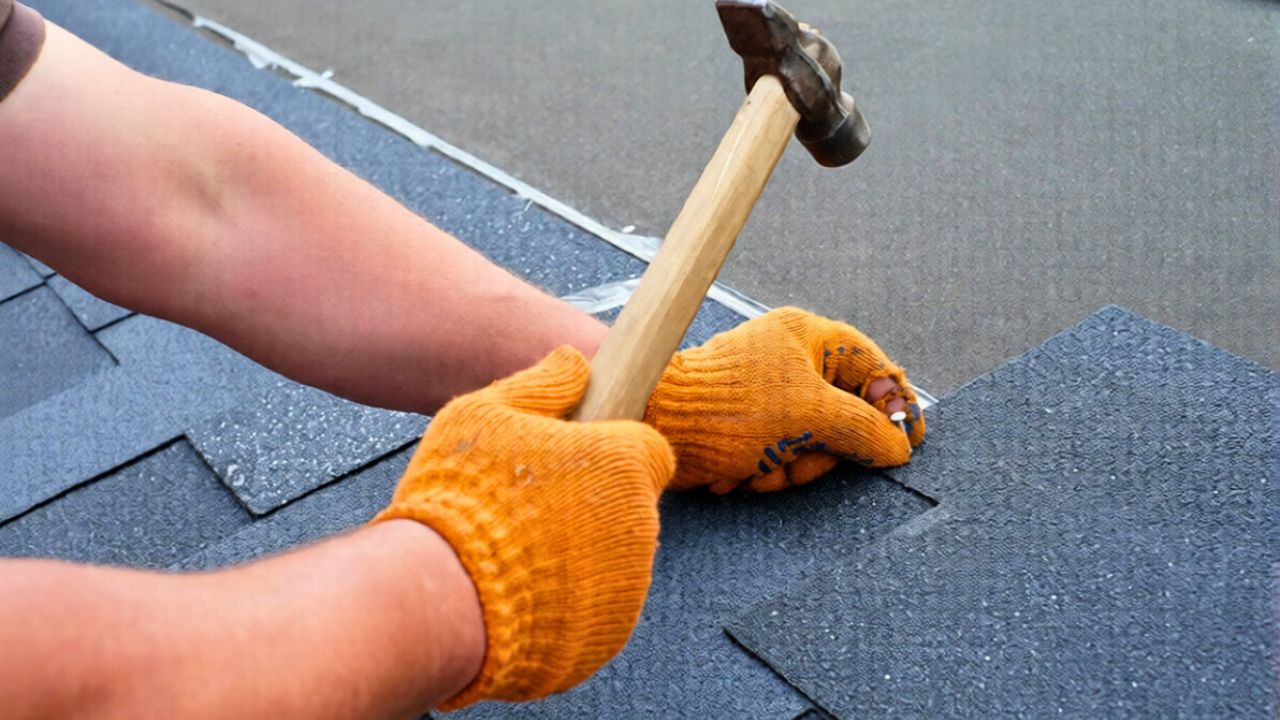
Protecting your coverage does not mean you have to stand helplessly in a damaged home or next to a wrecked car. Most policies require you to take reasonable steps to prevent further damage, such as tarping a roof, shutting off water, or moving belongings out of harm’s way. The key is to distinguish between temporary mitigation and permanent repair. You can board up a broken window to keep out rain, for example, while still leaving the frame and glass in place for an adjuster to inspect. You can also document everything with photos and video before you touch a thing, so there is a clear record of the original condition.
When it comes time for actual repairs, you can still be cost conscious without undermining your claim. Getting multiple estimates from licensed contractors, asking about using equivalent but less expensive parts, and confirming which shops your insurer recognizes are all ways to keep the bill in check. If you are tempted to do some work yourself, talk to your adjuster first and ask what is acceptable. In the auto context, for instance, guidance on You Own Your Car clarifies that your flexibility is greater when no lender is involved, but even then, future claims can be affected by unrepaired or improperly repaired damage. A short conversation up front can save you from a long argument later.
Questions to ask before you pick up a tool
Before you grab a ladder, socket set, or multimeter, it helps to run through a quick checklist. Start with your paperwork: is there an active warranty on the item, and does it require authorized service? Are you dealing with a system that your insurer might consider critical to safety, such as brakes, electrical wiring, or gas lines? If the answer is yes, the risk of a do‑it‑yourself approach is higher, because both the warranty provider and the insurer have more leverage to argue that only certified work is acceptable. That is exactly the concern raised in reporting on Before you dive into your next repair, which stresses how quickly uncertified auto work can erase the protections you thought you had.
You should also consider how easy it will be to prove what happened if something goes wrong later. If your repair fails, will there be a clear way to separate the original damage from your intervention, or will everything look like one continuous problem? The more those lines blur, the more room an insurer has to argue that your choices, not the covered event, drove the loss. When you weigh the cost of a professional visit against the potential cost of a denied claim or voided warranty, the “cheap fix” often looks a lot more expensive than it did in the aisle of the hardware store.