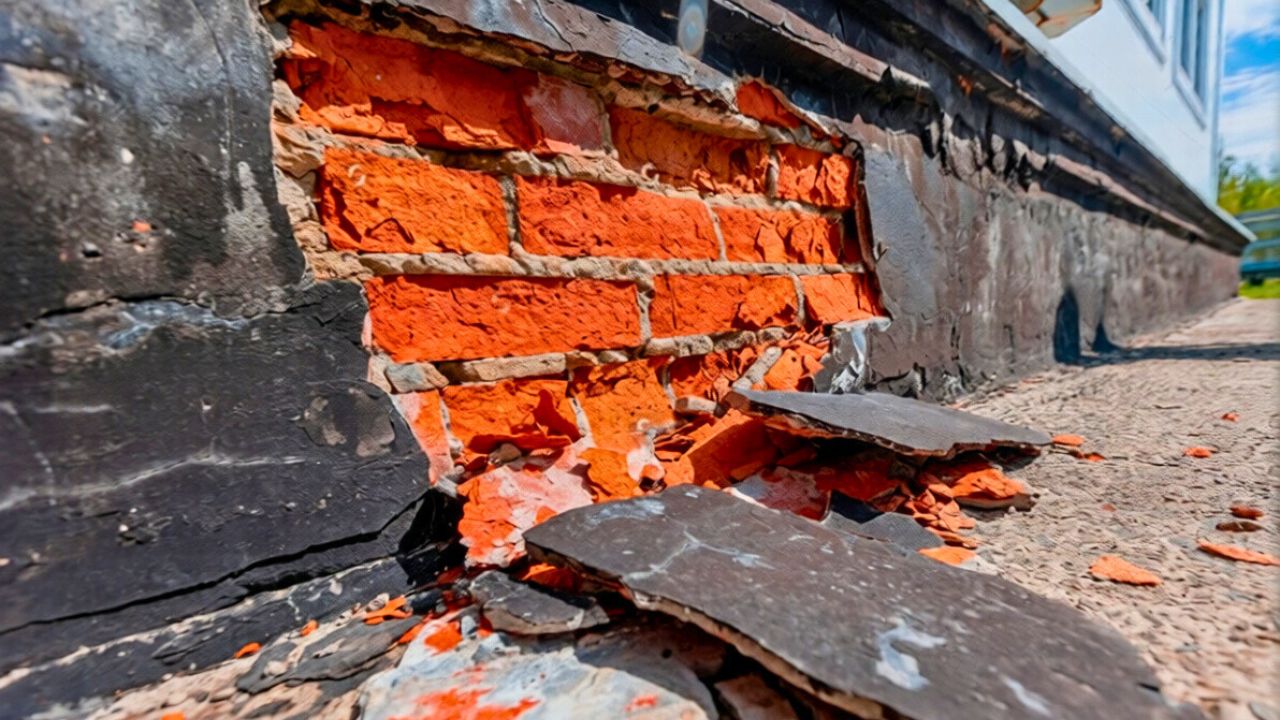
The repair pros say is popping up most in homes built before 1990
Photo credit: Parilov/Shutterstock.com
Walk into almost any house built before 1990 and the odds are high that one repair keeps showing up first: structural movement that starts in the foundation and ripples through everything above it. Cracks, sagging floors, and doors that never quite latch are not just cosmetic quirks, they are warning lights on the dashboard of an aging home. If you own or are eyeing an older property, understanding why this problem is so common, and how it connects to other hidden issues, is the key to spending wisely instead of chasing endless fixes.
Rather than treating each repair as a one-off surprise, you are better served by seeing how foundation stress, outdated wiring, tired plumbing, and inefficient heating all intersect in homes built before 1990. When you follow that thread, you can prioritize the work that protects the structure first, then tackle the systems that keep the place safe, healthy, and comfortable.
The structural movement repair pros keep flagging first
When contractors talk about the repair they are seeing most often in pre‑1990 homes, they usually start with structural movement, especially at the foundation. As concrete settles, soils shift, and framing dries out over decades, you end up with cracks in slabs and basement walls, sagging beams, and floors that dip or bounce underfoot. In many older neighborhoods, the most basic system in any pre‑1990 home is the Structural shell, and that is exactly where repair pros are seeing the most failures.
You notice the symptoms long before you see the cause: stair‑step cracks in brick, gaps opening between trim and ceilings, or windows that suddenly refuse to close on humid days. Those are all signs that the foundation and framing are moving relative to each other, which can eventually stress plumbing lines, crack tile, and even compromise roof performance. Because structural movement underpins so many other problems, specialists often recommend stabilizing the foundation and reinforcing sagging framing before you pour money into cosmetic upgrades that will simply crack again.
Why foundation issues are so common in older houses
If you own a home built before 1990, you are living with materials and construction standards that predate modern building codes and soil testing practices. Earlier construction often relied on shallower footings, minimal drainage, and little understanding of expansive clay or poorly compacted fill, which is why Foundation Issues show up again and again on lists of Problems in Old Houses. Over time, water around the perimeter, tree roots, and simple gravity all work together to push and pull on that original Foundation until it starts to crack or settle unevenly.
Once that movement starts, it rarely stays confined to the basement or crawlspace. You might see interior drywall seams opening, tile grout popping, or a ridge forming along the center of a room where joists have shifted. In more severe cases, you can spot a visible slope when you set a marble on the floor and watch it roll. Because these issues are so prevalent in Homes Built Before 1990, many inspectors now treat a careful foundation assessment as non‑negotiable before you close on an older property, and repair pros often recommend budgeting for stabilization work even if the house looks fine at first glance.
How structural movement cascades into other costly repairs
Structural movement rarely travels alone, it tends to drag other systems into trouble with it. When a foundation settles or framing sags, rigid components like cast iron drain lines, copper supply pipes, and brittle PVC can crack or separate at joints. That is one reason Plumbing problems are listed alongside Termite damage, Mold and mildew, and the presence of hazardous materials as some of the most common issues in older homes, since shifting structures put stress on pipes that were never designed to flex. As leaks develop in walls or under slabs, you can end up with hidden water damage that feeds mold and accelerates wood rot.
The same movement that tweaks plumbing can also distort door and window openings, leaving gaps that invite moisture and pests. Over time, that can make it easier for Termite colonies to reach framing members and for Mold and mildew to take hold in damp, poorly ventilated cavities. When you see those secondary problems, it is worth asking whether they are symptoms of a deeper structural shift rather than isolated failures. Addressing the underlying movement first, then repairing damaged Plumbing and remediating Mold and mildew, gives you a far better chance of breaking the cycle of recurring repairs described in guides to Common Issues Homeowners Face when buying older homes.
Outdated electrical systems and hidden fire risks above the foundation
Once you look above the foundation, another pattern emerges in older neighborhoods: aging electrical systems that were never designed for today’s loads. Many pre‑1990 houses still rely on older panel configurations, limited circuits, and wiring methods that struggle with modern appliances, home offices, and electric vehicles. Reporting on the home repair problems spreading fastest in older neighborhoods highlights how Outdated electrical systems create hidden fire risks Above the ceiling and behind walls, where overloaded conductors and deteriorated insulation can overheat without any visible warning.
In some Homes Built Before 1990, you still find Knob and Tube Wiring tucked into attics or behind plaster, a setup that one expert bluntly calls Electrical Nostalgia Nobody Asked For. That older style of Knob and Tube Wiring lacks a grounding conductor and was installed long before anyone imagined the plug‑in space heaters, hair dryers, and high‑wattage electronics you use today. As insulation is added and renovations layer new circuits over old, the risk of unsafe splices and overheated connections grows, which is why professionals list Knob and Tube Wiring among the top Common Issues Found in Homes Built Before 1990 that deserve early attention.
Plumbing fatigue, leaks, and the cost of catching up
Even if your foundation is stable and your wiring has been updated, the plumbing in a pre‑1990 home may be quietly aging out of its useful life. Galvanized steel supply lines can corrode from the inside, narrowing until water pressure drops and rust stains fixtures, while older cast iron drains can crack or clog with decades of buildup. That is why Plumbing appears alongside Termite, Mold and other hazards in breakdowns of the most common issues in older homes, since leaks and blockages are almost inevitable once pipes pass the several‑decade mark. When structural movement is present, the stress on rigid pipe runs only accelerates that wear.
From your perspective, the first signs might be subtle: a faint stain on a ceiling, a musty smell in a cabinet, or a toilet that backs up more often than it used to. Left alone, those small clues can turn into slab leaks, sewer backups, or widespread water damage that costs far more than proactive pipe replacement. Because so many Homes Built Before 1990 share this aging‑plumbing profile, many buyers now plan for staged upgrades, starting with the most vulnerable sections and working toward a full repipe over time, rather than waiting for a catastrophic failure that forces emergency work at premium prices.
Moisture, mold, and the health side of structural neglect
When structural movement and plumbing fatigue combine, moisture almost always follows, and with it, mold. Older homes often lack modern vapor barriers, continuous exhaust fans, and balanced HVAC systems, so once water gets into a wall or crawlspace, it can linger long enough for Mold and mildew to flourish. Guides to Common Issues Homeowners Face in older properties emphasize that Mold and mildew are not just cosmetic problems, they can aggravate asthma, trigger allergies, and make basements or bedrooms effectively unusable until you address both the contamination and the moisture source.
In many pre‑1990 houses, that moisture source traces back to the same root causes: foundation cracks that let groundwater seep in, sagging gutters that dump water near the footing, or aging Plumbing that drips slowly behind finishes. If you simply clean visible Mold and mildew without stabilizing the structure or fixing leaks, you are likely to see it return. That is why experienced inspectors often recommend pairing mold remediation with foundation drainage improvements and targeted pipe repairs, so you are not paying twice for the same square footage. When you view mold as a downstream effect of structural and system failures, it becomes easier to prioritize the work that will actually keep your home dry.
Termites, framing, and the hidden cost of wood damage
Termite damage is another repair that tends to surface more often in Homes Built Before 1990, especially where wood framing sits close to soil or where moisture problems have gone unchecked. Over decades, even a modest Termite colony can hollow out sill plates, joists, and studs, leaving the structure weaker and more prone to the sagging and cracking that repair pros are already seeing from foundation movement. When you combine Termite damage with existing structural settlement, you can end up with floors that feel spongy, walls that bow, or porches that pull away from the main house.
Because Termite activity is often hidden behind finishes, you may not realize the extent of the problem until you open up a wall for another repair. That is why many experts group Termite damage with Plumbing leaks and Mold and mildew as part of a cluster of common issues in older homes that feed into each other. Moist wood from leaks or poor drainage attracts Termites, their tunneling weakens framing, and that weakened framing is less able to resist the stresses of structural movement. If you are planning repairs in a pre‑1990 home, it makes sense to coordinate structural stabilization, Termite treatment, and any necessary framing replacement so you restore the load path from foundation to roof in one coherent plan.
Inefficient heating, comfort complaints, and energy waste
Even if your structure is sound and your systems are safe, many older homes still struggle with comfort because of Inefficient heating and cooling. Furnaces and boilers installed decades ago often operate at much lower efficiency than modern equipment, and they are usually paired with thin insulation, leaky ductwork, and single‑pane windows. As one guide to hidden problems in old houses notes, Inefficient heating can leave you with a draughty, cold interior Even if your house has a sound roof, because gaps in the building envelope and missing wall insulation can all be underlying causes of discomfort. Those issues are particularly common in homes built before modern energy codes took hold.
From your vantage point, that inefficiency shows up as high utility bills, rooms that never quite reach the thermostat setting, and systems that run constantly on the coldest or hottest days. While it can be tempting to start with a new furnace or air conditioner, you often get better results by first sealing air leaks, adding attic and wall insulation, and addressing any structural gaps that allow conditioned air to escape. Once you tighten the shell, upgrading mechanical equipment can deliver real gains instead of fighting a losing battle against a leaky envelope. For many owners of pre‑1990 homes, that sequence of work transforms a drafty relic into a comfortable, efficient space without erasing the character that drew them to an older house in the first place, as detailed in discussions of Inefficient heating and its root causes.
How to prioritize repairs in a pre‑1990 home
When you add up structural movement, outdated wiring, tired plumbing, moisture, Termites, and Inefficient heating, it can feel like every part of a pre‑1990 home is competing for your attention. The way to regain control is to prioritize repairs in layers, starting with safety and stability, then moving to durability, and finally to comfort and aesthetics. That usually means addressing Structural issues and any severe Foundation movement first, since those problems can undermine every other repair. Next, you tackle critical systems like Knob and Tube Wiring, aging Plumbing, and active leaks that feed Mold and mildew or Termite damage.
Once the structure and core systems are sound, you can focus on upgrades that improve daily life, such as better insulation, more efficient heating and cooling, and targeted window or door replacements. Throughout that process, it helps to remember that the repair pros are not just seeing random failures in Homes Built Before 1990, they are seeing predictable patterns that you can plan around. By treating structural movement as the central issue and understanding how it connects to electrical, plumbing, moisture, and comfort problems, you can invest in repairs that protect both your home’s value and your peace of mind for the long term.