Beef prices are still hitting records and the grocery store isn’t giving you relief yet
Photo credit: Sergeyryzhov/istock.com
Beef has quietly become one of the most punishing line items on your grocery receipt, and the sticker shock is not easing. Even as you swap brands, chase promotions, and trim back on extras, the core price of steaks, roasts, and ground beef keeps pressing into record territory. The forces driving that surge are structural, not seasonal, which means the meat case is unlikely to offer real relief soon.
To understand why you are still paying so much, you have to look well beyond your local supermarket. Years of drought, shrinking cattle herds, disrupted imports, and stubborn demand have collided, and the result is a beef market where scarcity, not competition, sets the tone. Until that balance shifts, you are being asked to absorb the cost.
Record prices meet stubborn demand
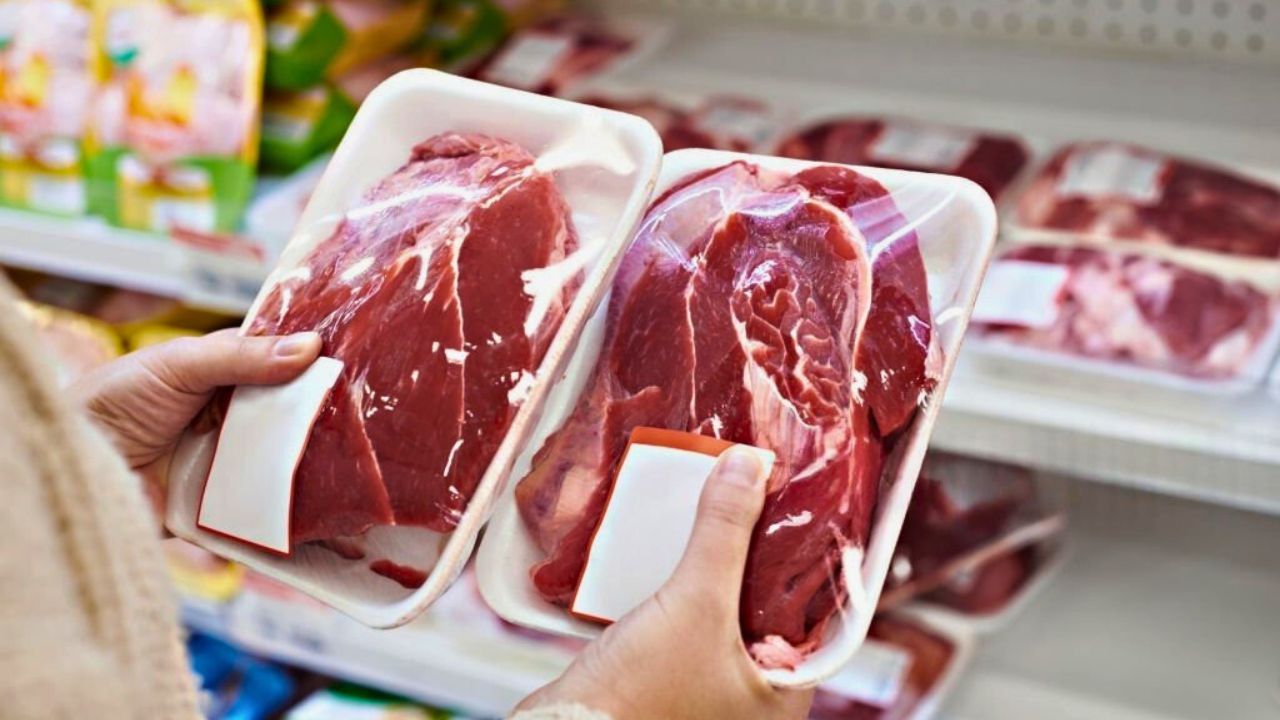
You are not imagining it when the total at checkout jumps after you add a couple of ribeyes or a family pack of burgers. Retail beef prices are hovering near historic peaks, with the average price of beef in grocery stores climbing sharply in recent years as supplies tightened and costs rose across the supply chain. Yet even as those prices approach records, Americans have not meaningfully walked away from the meat counter, which keeps pressure on the market instead of forcing a reset.
That resilience shows up in how you prioritize beef compared with other proteins. Shoppers may trade down from premium steaks to cheaper cuts or smaller packages, but many still treat beef as a non‑negotiable part of weekly meals, from tacos to meatloaf. One ranch industry leader captured the mood by saying, “There’s nothing that forces me to buy beef, except I like it,” a sentiment that helps explain why demand has held even as prices flirt with records, according to Nov reporting tied to the National Cattlemen’s Beef Association.
Herds have shrunk, and the pipeline is thin
The core problem is that there are simply fewer cattle behind every pound of beef you see in the case. Federal analysts note that The ERS Cattle, Beef, Sector, Glance data show the U.S. cattle herd has been shrinking since 2019, reflecting years of tough conditions for ranchers. When ranchers cull breeding stock to cope with drought or high feed costs, it reduces the number of calves entering the system for years, not months, which is why the current squeeze feels so persistent.
That smaller herd is now colliding with steady appetite for burgers and steaks, and the math is unforgiving. With fewer animals moving through feedlots and into packing plants, every retailer is bidding for a limited supply, and those higher wholesale costs flow straight into the prices you pay. Analysts tracking the sector expect that tightness to continue, warning that beef prices are expected to stay elevated and expensive into next year, a forecast that leaves little room for near‑term bargains.
Why the usual price cycle is broken
In a typical cycle, high prices eventually coax ranchers to rebuild herds, which then increases supply and cools the market. This time, that adjustment is slower and more fragile. Several years of drought, low profit margins, and volatile feed costs have pushed many producers to sell off animals or exit the business entirely, and rebuilding requires capital and confidence that some ranchers no longer have. Market analysts like Bernt Nelson point out that these pressures have driven both cattle and beef to record levels, breaking the usual boom‑and‑bust rhythm.
Even where ranchers are trying to expand, biology and weather set hard limits on how fast they can respond to your demand. A cow takes years to reach breeding age, and calves then need additional time before they are ready for market, so any decision to grow the herd today will not translate into cheaper ground beef for quite a while. That lag is one reason federal forecasters expect beef and veal prices to keep rising faster than the overall food basket, with projections for 2025 showing increases in the range of 9.5 to 13.8 percent, a pace that keeps the pressure squarely on your household budget.
Imports, tariffs, and the global squeeze
When domestic supply tightens, imports usually act as a safety valve, but that relief has been limited. Earlier this year, Import Troubles and Tariff Chaos disrupted the flow of foreign beef into the United States, including a screwworm outbreak that curtailed some shipments. When fewer overseas suppliers can step in, the domestic shortage bites harder, and the result is a tighter market that leaves you with fewer discounted options.
Trade policy has added another layer of complexity. Experts note that tariffs and shifting agreements have reshaped where U.S. processors source meat, and how much they pay for it, at the same time that global demand for protein is rising. One analysis points out that Despite higher retail prices, consumers worldwide continue to value beef strongly, and when you put constrained supply together with robust demand, the result is record price pressure. With imports making up a significant share of all U.S. beef imports, any disruption abroad quickly shows up in the price tags you face at home.
Retailers are not rushing to cut margins
Even as wholesale costs fluctuate week to week, grocery chains are in no hurry to pass savings along when they appear. After several years of inflation, retailers have learned that shoppers will grumble but still pay for staples like beef, especially when there are no obvious substitutes for a favorite recipe. That gives supermarkets room to hold prices high, using occasional promotions to create the illusion of relief while keeping the overall level elevated.
You can see this in the way ground beef has moved. Earlier this year, one widely cited benchmark showed that Ground Beef Just Hit $6.10 a Pound, Here, Why Prices Are Surging, Beef, a figure that reflects both higher input costs and retailers’ willingness to protect their margins. With beef caught in a tug‑of‑war between supply constraints and corporate pricing strategies, your weekly shop becomes the arena where those forces play out, and so far the balance has not favored the consumer.
Why you keep buying it anyway
For all the frustration, you probably still put beef in your cart, and economists say that is exactly what keeps prices from falling. One analysis framed it bluntly: it is the law of supply and demand, and tight supplies combined with strong consumer preference have driven prices to historic highs, a pattern highlighted when shoppers told NPR how much more they now pay for Ground beef and How that shift has changed their habits. Even when you cut back on restaurant meals or premium cuts, you may still choose beef over chicken or pork for key dishes, which signals to retailers that demand is resilient.
Industry experts argue that cultural habits and taste play a powerful role. From backyard grilling to holiday roasts, beef occupies a place in American food culture that is hard to dislodge, and that loyalty shows up in sales data even as prices climb. Analysts who track consumer behavior say that When shoppers face higher prices, they often adjust by buying smaller quantities or cheaper grades rather than abandoning beef entirely, a pattern that keeps overall demand high and gives producers and retailers little incentive to discount aggressively.
The cost stack behind every pound
Even if you never set foot on a ranch, the economics of cattle production now shape your grocery bill in direct ways. Drought has scorched pastures, forcing ranchers to buy more feed or sell animals early, while high grain prices and rising interest rates have made it far more expensive to raise cattle to market weight. One detailed breakdown notes that Beef is so expensive right now because drought, high grain prices, inflation, and rising interest rates have made cattle far costlier to produce, and those costs ultimately land in the retail price you see.
Processing and logistics add another layer. Packing plants still contend with labor shortages and higher wages that trace back in part to COVID disruptions, while transportation costs remain elevated compared with pre‑pandemic norms. Analysts who study the sector argue that these structural expenses have reset the floor for what beef can cost, even if cattle numbers eventually recover. When you add in the financing costs of rebuilding herds and facilities, the stack of expenses between pasture and plate helps explain why the grocery store is not rushing to give you a break.
Ranchers are squeezed even as you pay more
It might seem like ranchers are cashing in on your higher bills, but many are feeling their own kind of squeeze. Reports from cattle country describe how Many cattle ranchers also raise crops, and cattle had been a bright spot for their businesses as grain and soybean prices softened, yet they now face policy and market shifts that threaten that stability. Some have pushed the Justice Department to investigate pricing practices in the packing industry, arguing that the spread between what you pay and what they receive has widened too far, according to Dec reporting on political tensions in rural communities.
At the same time, market data show that 2025 Sets Record Cattle Prices, Outlook Steady for 2026, with analysts in the latest edition of In the Agriculture By The Numbers series expecting only modest seasonal declines likely by fall. That means ranchers selling animals today may receive strong prices, but they are also contending with high input costs and uncertainty about how long the upswing will last. For you, the consumer, this tug‑of‑war between producer margins and packer profits is largely invisible, yet it shapes the final number on your receipt.
What the next year likely holds for your cart
If you are waiting for a sudden drop in beef prices, the outlook suggests you should plan for something closer to a slow grind. Analysts warn that Even with improved genetics and feeding practices, the industry’s increased efficiency has not been enough to fully offset the decline in herd size, and Over the next several years that shortfall is expected to keep supplies tight, according to economist Tonsor. That long‑term reduction in beef supply means the structural forces behind today’s prices will not vanish with one good rainy season.
Federal projections echo that caution. Food price outlooks indicate that for all of 2025, prices for eggs, beef and veal, sugar and sweets, and nonalcoholic beverages are predicted to grow faster than the overall food category, with beef and veal specifically expected to rise in the range of 9.5 to 13.8 percent, as noted in Dec projections. Another analysis underscores that While strong demand is one reason beef prices remain high, Years of drought, high feed costs, and the smallest cattle herd in more than 70 years have locked in a tight market, a combination highlighted by Nov commentary from Derrell Peel on how to strengthen the U.S. cattle industry. For your grocery cart, that translates into a simple, if unwelcome, reality: beef is likely to stay a luxury line item, and any relief will be gradual at best.
Like Fix It Homestead’s content? Be sure to follow us.
Here’s more from us:
- I made Joanna Gaines’s Friendsgiving casserole and here is what I would keep
- Pump Shotguns That Jam the Moment You Actually Need Them
- The First 5 Things Guests Notice About Your Living Room at Christmas
- What Caliber Works Best for Groundhogs, Armadillos, and Other Digging Pests?
- Rifles worth keeping by the back door on any rural property
*This article was developed with AI-powered tools and has been carefully reviewed by our editors.