Why luxury saunas are showing up in high-end remodels and what it costs to do it safely
Photo credit: Igor Efremychev/Shutterstock.com
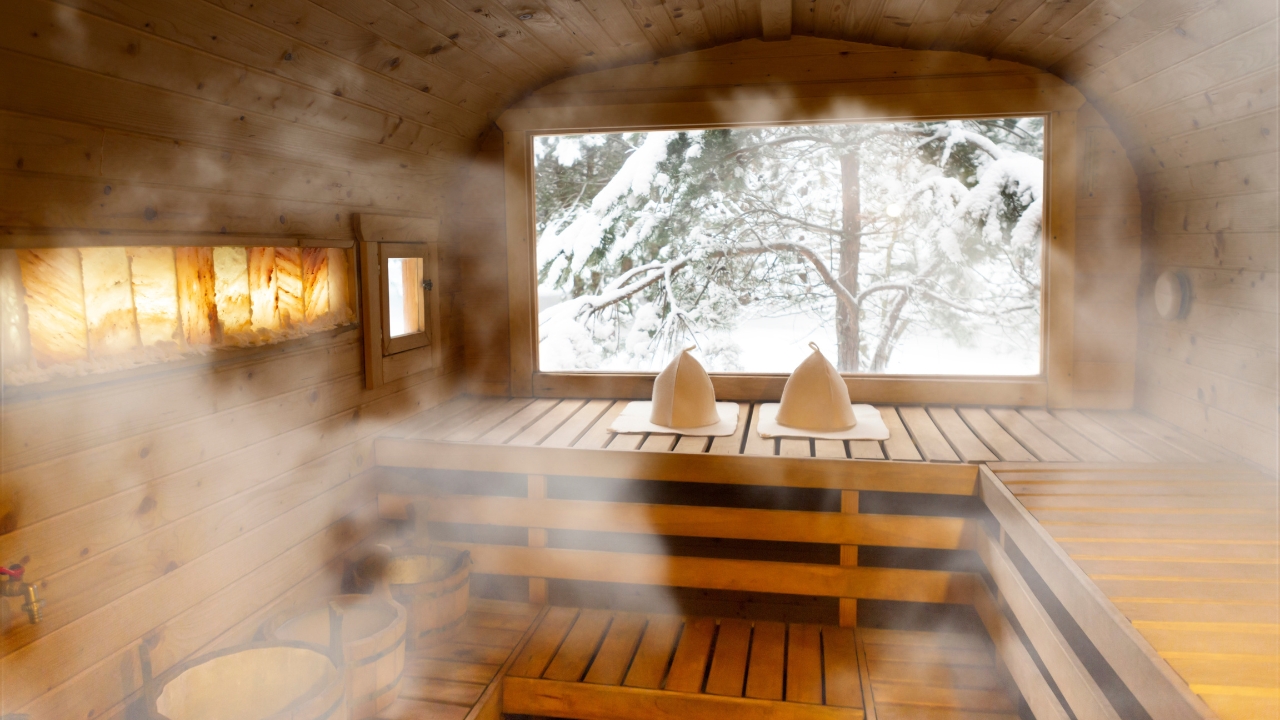
Luxury remodels are no longer satisfied with marble counters and statement lighting. You are now expected to deliver wellness on demand, and a private sauna has become one of the clearest signals that a home is designed for restoration as much as for show. If you are considering joining that trend, you need to understand not only why saunas are suddenly everywhere in high‑end projects, but also what it really costs to build one that is safe, durable, and worthy of the rest of your house.
Done well, a sauna can anchor a full wellness suite, lift resale value, and give you daily access to heat therapy that used to require a spa membership. Done poorly, it can overload your electrical system, trap moisture in your framing, and create liability issues. The difference comes down to planning, technology choices, and a clear-eyed budget that accounts for both construction and safety.
Why saunas became the new luxury status symbol
In upper-tier real estate, a private heat room has shifted from quirky extra to shorthand for a wellness-first lifestyle. You see it in listings that highlight cedar-clad cabins off the primary suite and in condo amenities that advertise residents-only thermal circuits. Reporting on high-end sales notes that Home saunas are the latest flex for buyers who want to show they can prioritize recovery without ever leaving the building, a shift that tracks with the broader move toward at-home everything.
Developers have responded by designing “flex” wellness zones that can easily accept a cabin or built-in heat room. In one example, Pike Properties specializes in spec homes with adaptable areas that can become saunas, pool buildings, or backyard cottages, depending on what the buyer values most. That kind of pre-planning signals how mainstream the amenity has become at the top of the market: you are no longer forcing a sauna into leftover space, you are designing the house around the expectation that one might be there.
Wellness-centric design is driving remodel decisions
The sauna boom is part of a larger pivot toward wellness-centric layouts that treat the home as a health tool rather than just a backdrop. High-end remodelers now talk about “Wellness, Centric Spaces” that integrate heat, steam, and recovery into primary suites and lower levels so your house functions as a sanctuary rather than a showroom. One construction firm describes clients turning basements and bonus rooms into sanctuaries of health and relaxation, with saunas sitting alongside cold plunges, yoga zones, and massage corners.
Luxury spa operators are moving in the same direction, which helps explain why you are seeing spa-grade features migrate into residential projects. Trend reports point to immersive wellness experiences, biohacking tools, and high-tech thermal suites as defining features of 2025 luxury spa trends, with heat therapy positioned as a core pillar. When your clients spend their weekends in environments like that, they start asking you to recreate the same layered experience at home, which is why a simple shower upgrade no longer feels sufficient in a seven-figure renovation.
From spa perk to everyday health tool
For many homeowners, the appeal of a private sauna is as much about daily health maintenance as it is about indulgence. Guides like the Luxury Home Sauna Installation Guide, What You Need, Know emphasize the benefits of regular sauna use, from circulation support to stress relief, which helps justify the investment as part of a broader longevity strategy. Market analysts echo that framing, noting that a luxury home sauna is increasingly marketed as a tool for growing awareness of health maintenance rather than a once-a-week treat.
That shift is reinforced by consumer-facing design coverage that frames heat rooms as the next logical step after home gyms and cold plunges. One trend piece flatly states that Home Saunas Are The Next Big Thing, citing the therapeutic benefits and spa-like atmosphere as reasons buyers are prioritizing them in new builds and remodels. When you combine that cultural momentum with the convenience of stepping into a heat session without booking a spa appointment, it becomes clear why saunas are moving from aspirational Pinterest boards into actual construction drawings.
How much a luxury sauna really costs
Budget is where the fantasy of a cedar-lined retreat meets the reality of line items. National cost data suggests that the average home sauna runs about $3,100, with typical projects falling between $2,500 and $7,000 depending on size, location, and level of customization. Other estimates put the installed range for a home unit between $3,000 and $10,000, with custom sauna construction cost per square foot rising as you add personalization and higher-end finishes. Those figures typically include the cabin, heater, and basic installation, but not the full scope of electrical upgrades, ventilation work, or adjacent spa features that often accompany a luxury remodel.
When you move into fully bespoke territory, the numbers climb quickly. One breakdown notes that the cost to build a home sauna can range from $2,500 to $7,000, with custom projects reaching up to $200 per square foot once you factor in premium wood species, glass walls, and integrated lighting. Another guide points out that total investment for different sauna technologies can span a wide range, with total investment spans $2,000– depending on type and usage, which underscores how important it is for you to define your performance and aesthetic goals before you start shopping. If you are tempted by entry-level options, remember that portable units can run as low as Portable Sauna: $200 to $500, but those products sit in a very different category from the built-in rooms that drive resale value in luxury homes.
Choosing between traditional and infrared systems
Once you have a budget range, you need to decide what kind of heat experience you actually want to live with. Traditional Finnish-style rooms use hot rocks and higher air temperatures, typically in the 170 to 195°F range, which many purists consider essential to the ritual. Infrared cabins, by contrast, warm your body directly at lower ambient temperatures, which some users find more comfortable for longer sessions. A detailed buyer’s guide frames these as the Two primary sauna technologies, with Traditional and Finnish units offering a more classic feel and infrared models leaning into efficiency and quick heat-up times.
Cost structures vary between the two, but so do installation demands. Infrared cabins are often sold as plug-and-play kits that can slot into a spare room with minimal construction, while traditional rooms usually require more robust electrical service and ventilation planning. A pricing breakdown organized by Type of Sauna notes that the heater, control system, and any required generator can significantly affect your final bill, especially if you opt for a steam-capable unit. When you are weighing options, it helps to think about how often you will use the room, how quickly you want it to heat, and whether you are designing for a single user or a social, multi-bench layout.
Where a sauna actually fits in a high-end remodel
Location is one of the most consequential decisions you will make, both for daily enjoyment and for safety. Indoor units offer easy access and protection from the elements, which is why many remodelers tuck them into basements, garages, or dedicated wellness rooms. Installation guides stress that Indoor saunas work best when you can control moisture, provide adequate ventilation, and keep the walk from heat to shower short enough that you will actually use the space. In larger homes, that often means carving out square footage near a primary bath or gym rather than relegating the cabin to a remote corner.
Outdoor installations can be spectacular, especially when you pair a glass-fronted cabin with a pool or landscape view, but they introduce their own cost and safety variables. One cost guide notes that Installation Costs for a Home sauna rise when you need to trench power, pour new foundations, or add a generator, all of which are common in detached backyard builds. You also need to think about how the structure will handle weather and how you will manage the transition from hot room to cold air, especially for guests who may not be as hardy as you are. In both indoor and outdoor scenarios, the smartest projects treat the sauna as one piece of a larger circulation plan that includes showers, changing areas, and relaxation zones.
Why safety and smart controls are non-negotiable
Heat, electricity, and enclosed spaces are a combination that rewards caution. Modern luxury projects increasingly rely on integrated control systems that manage temperature, session length, and even remote lockouts to keep the room within safe operating limits. Contractor guidance for 2025 stresses that Smart Controls, Safety, and IoT features should be treated as integral to comfort and risk management, not as optional upgrades. That can include automatic shutoffs, child locks, and sensors that monitor humidity and heater performance.
Basic construction choices matter just as much. Manufacturer guidance emphasizes that Installing a home sauna requires careful planning around electrical work, insulation, and ventilation, and that following recommended precautions can significantly enhance safety. That means hiring licensed electricians, using heat-rated fixtures, and ensuring that doors open outward without locks that could trap someone inside. If you are tempted to treat the sauna as a fancy closet build, remember that you are effectively installing a small, high-temperature appliance into your envelope, and it deserves the same engineering rigor you would apply to a commercial kitchen.
How saunas affect property value and buyer appeal
From a resale perspective, a well-executed sauna can do more than simply impress your friends. Real estate analyses argue that, in a market where wellness trends are surging, installing a sauna for home use is more than a lifestyle choice, it is a strategic upgrade that can help your property stand out. One overview of how saunas influence value notes that buyers increasingly see them as a premium amenity that signals a thoughtful, health-focused renovation, a point underscored in How Adding a Sauna Can Increase Property Value in 2025.
Demographics matter as well. A deeper dive into buyer behavior highlights that younger cohorts are particularly drawn to wellness features, with millennials and Gen Z buyers showing strong interest in homes that already include saunas and related spa elements. Another analysis of Investment Considerations and ROI While luxury wellness amenities require significant upfront investment, they can offer unique value in competitive markets, especially when the design and finish level match the rest of the house. The key is to treat the sauna as a fully integrated feature, not an afterthought, so it reads as part of a cohesive wellness narrative when your home eventually hits the market.
Planning, contractors, and the hidden line items
Even if you are comfortable with the headline numbers, the success of a sauna project often comes down to planning and execution. Design experts warn that costs can vary significantly based on design complexity, materials, and necessary installations, and they urge you to remember that Costs should always include the cost of professional installation if required. That advice applies just as much to heat rooms as it does to water features: framing, vapor barriers, and finishes all need to be coordinated so you do not create hidden moisture traps behind your beautiful cedar.
Choosing the right professionals is part of that equation. Industry guidance suggests that a sauna contractor in 2025 should be fluent in smart systems, safety standards, and long-term maintenance planning, with cost forecasting and maintenance scheduling built into their proposals. Broader design commentary on compact wellness spaces notes that Where the sauna sits, how it is personalized, and how accessible it is will determine whether it feels like an everyday essential or an underused novelty. Market analysts add that the home sauna market is expanding as more people try to recreate these experiences at home, which means you have more product options than ever, but also more need for a clear, safety-first plan.
Making the investment pay off over time
Ultimately, a luxury sauna is both a lifestyle choice and a financial decision, and you should evaluate it with both lenses. Market watchers argue that Why Now Is the Right Time to Invest in a Luxury Sauna, pointing to strong demand, health-focused consumer behavior, and the desire to bring spa experiences into the home. Real estate guidance on adding heat rooms notes that the cost will depend on factors like the type of sauna you choose, the size, and whether it is custom built or prefabricated, and that working with experienced pros can help ensure the process goes smoothly and supports long-term value.
At the same time, you should be realistic about operating and maintenance costs. Analysts point out that While the initial investment may seem high, low running costs can help you recover that expense over time, especially if you are replacing regular spa visits with at-home sessions. Video coverage of 8 Luxury Sauna Trends highlights how design and technology are evolving, from glass-heavy cabins to integrated sound and light therapy, which means your choices today can either future-proof your space or date it quickly. If you approach the project with the same rigor you would apply to a kitchen or pool, and if you align it with how you actually live, a sauna can be one of the rare upgrades that pays dividends in both daily wellbeing and long-term resale appeal.
Like Fix It Homestead’s content? Be sure to follow us.
Here’s more from us:
- I made Joanna Gaines’s Friendsgiving casserole and here is what I would keep
- Pump Shotguns That Jam the Moment You Actually Need Them
- The First 5 Things Guests Notice About Your Living Room at Christmas
- What Caliber Works Best for Groundhogs, Armadillos, and Other Digging Pests?
- Rifles worth keeping by the back door on any rural property
*This article was developed with AI-powered tools and has been carefully reviewed by our editors.