What “Home Town Takeover” filming in Canada means for the style, the suppliers, and the local rules
Photo credit: HGTV/Youtube
HGTV’s decision to take its small-town revival format north of the border is more than a change of scenery. When you move a franchise like “Home Town Takeover” into Canada, you are also moving into a different design vocabulary, a new supply chain, and a regulatory environment that treats construction as a matter of national standards as much as television spectacle. For viewers, that means fresh visuals and new personalities; for producers, trades, and local officials, it means rethinking how the show is made from the studs out.
The Canadian edition will still promise dramatic transformations and emotional reveals, but the way those makeovers look, what materials you see on screen, and which craftspeople get the spotlight will be shaped by Canadian rules and priorities. If you care about how style, suppliers, and local regulations intersect on a high-profile renovation series, this northern reboot is a live case study in how television and policy collide.
From Laurel to “Home Town Takeover Canada”: what is actually changing
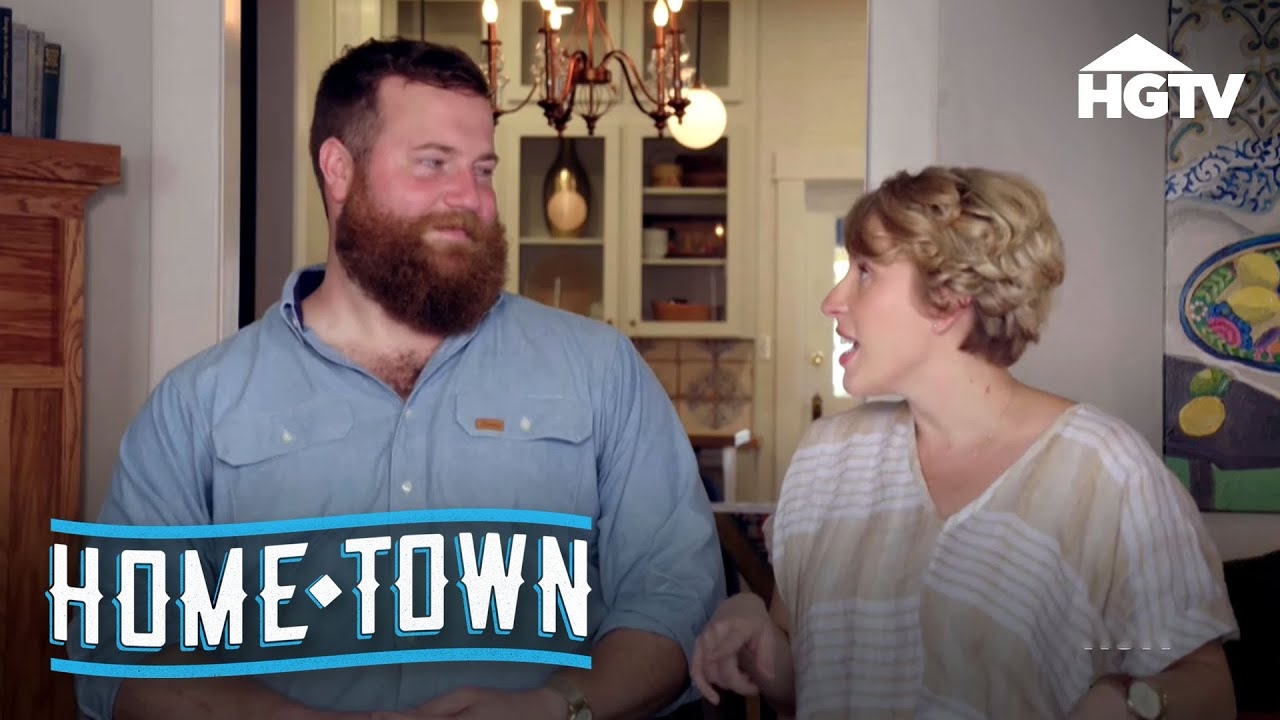
You are used to “Home Town” as a love letter to Laurel, Mississippi, with its mix of Craftsman bungalows, historic storefronts, and the easy rapport of Ben and Erin Napier. The original “Home Town Takeover” expanded that formula into other American communities, but it still relied on the same Southern design DNA and a U.S. regulatory backdrop. With Home Town Takeover Canada, the franchise is now committing to a full season built around a Canadian town, which instantly shifts the cultural references, the climate assumptions, and the way you read every porch, gable, and streetscape on screen.
The Canadian project is not a one-off special but a structured search for a community that can carry a season’s worth of stories. HGTV has framed it as a hunt for an “extraordinary” small town, which signals that the show is not just importing Laurel’s look but trying to surface a distinctly Canadian sense of place. That means you can expect more snow-ready roofs than wraparound verandas, more nods to local lumber and stone, and a different mix of heritage influences, from Prairie farmhouses to Maritime main streets, all filtered through the same feel-good renovation lens.
The Canadian casting call: one town, 20,000 people or fewer
Instead of dropping into any community that fits a narrative, the Canadian edition is built around a formal competition. HGTV has invited municipalities to pitch themselves, and the network has been explicit that According to HGTV, Home Town Takeover Canada will select one small town of 20,000 people or fewer for a five month transformation of homes, businesses, and public spaces. That population cap is not just a casting quirk. It guarantees that the show’s interventions will be visible at street level, that you can plausibly meet the same faces across multiple episodes, and that the design decisions will feel like they belong to a tight-knit community rather than a sprawling suburb.
For local leaders, that threshold also sets expectations about capacity. A town of 20,000 people or fewer has a limited planning department, a finite number of contractors, and a small pool of independent retailers, so the production has to work with what is there instead of parachuting in a parallel economy. When a place like Port Alberni “throws its hat in the ring,” it is not just chasing screen time, it is effectively volunteering its permitting office, its local trades, and its main street merchants for a compressed, high-pressure experiment in civic change.
Ben and Erin Napier step back, and Canadian talent steps forward
For you as a fan, the most visible shift is that Ben and Erin Napier will not be front and center in the new season. Reporting has made clear that longtime HGTV hosts are stepping away from hosting duties on “Home Town Takeover,” even as the core concept continues. That change is not about fatigue with the format so much as a recalibration of who gets to represent Canadian communities on Canadian screens.
The pivot is rooted in policy as much as programming. Earlier regulatory changes in Canada have pushed broadcasters to prioritize domestic creators, and one report notes that Back in 2023, the Minister of Canadian Heritage implemented new rules around Canadian programming that emphasize Canadian talent. In that context, the Napiers’ role naturally evolves from hosts to mentors and ambassadors, making space for local designers and builders who can speak directly to the realities of renovating in a Canadian town, from winterized mudrooms to bilingual signage.
How “Home Town Takeover Canada” will look and feel on screen
Stylistically, you should not expect a carbon copy of Laurel’s pastel facades and Southern porches. The Canadian edition is being framed as its own series, and HGTV has said that Home Town Takeover Canada will see support from HGTV stars Ben and Erin Napier while centering Canadian hosts. That combination suggests you will see familiar storytelling beats, like personal artifacts woven into design, but filtered through local architectural traditions, from Victorian brick walk-ups in Ontario to saltbox houses in Atlantic Canada.
On a practical level, the climate alone forces different choices. Insulation, window performance, and snow load are not background details, they are design drivers, and Canadian hosts will be expected to talk fluently about them on camera. The new presenters are described as bringing renovation expertise, design sensibility, and the ability to connect with homeowners, and one report notes that The new hosts presumably bring those skills to the table. That means you are likely to see more emphasis on energy efficiency, durable finishes, and materials that can handle freeze-thaw cycles, all while still delivering the emotional payoffs that keep viewers invested.
Suppliers, sourcing, and the Canadian content economy
Behind every reveal shot is a supply chain, and moving production into Canada reshapes who benefits from the spending. With Canadian content rules in play, the show has strong incentives to lean on domestic manufacturers, from flooring mills in Quebec to window makers in Manitoba, rather than defaulting to U.S. brands. The regulatory push that began when the Minister of Canadian Heritage tightened expectations around Canadian programming also nudges producers to feature local trades and small businesses on screen, turning hardware stores, lumber yards, and décor shops into characters in their own right.
For you as a viewer, that shift will be visible in the credits and in the product close-ups. Instead of seeing the same handful of American big-box brands, you are more likely to spot regional suppliers and niche makers, from custom cabinet shops to local metalworkers. The show’s five month presence in a town of 20,000 people or fewer effectively becomes an economic development program, with local suppliers scrambling to meet demand and then riding the exposure long after the cameras leave. That is particularly true in sectors like furniture and millwork, where Canadian producers can leverage the spotlight to reach both domestic and international audiences.
Building codes: why Canadian rules quietly shape every makeover
Every time you watch a wall come down or a second story go up, you are also watching a building code in action, even if the episode never mentions it. In Canada, those rules are not ad hoc. The Canadian Commission on Building and Fire Codes, known as the CCBFC, develops and maintains Canada’s five National Model Construction codes, including the National Building Code and the National Fire Code. Those model documents set the baseline for everything from stair dimensions to fire separations, and provinces then adapt them into their own regulations.
For a production team used to U.S. standards, that means recalibrating what is possible within a television timeline. You cannot, for example, ignore Canadian requirements around egress windows in bedrooms or the specific fire resistance ratings for party walls in mixed use buildings. Even choices that look purely aesthetic, like cladding a façade in wood, are constrained by code limits on combustible materials in certain building types. The result is that the Canadian edition will likely feature more discussion of safety and durability, not because it is trying to be didactic, but because the rules leave less room for shortcuts.
Permits, inspections, and the pace of transformation
Beyond the national model codes, each municipality has its own permitting process that can make or break a compressed renovation schedule. In Ontario, for example, The Building Code Act is the legislative framework that governs construction, renovation, and change of use, and it ties local officials to minimum standards for building construction. That means a television crew cannot simply decide to add a rental suite or convert a storefront without triggering a formal review of zoning, occupancy, and life safety.
The mechanics of that review are spelled out in professional guidance on The Building Permit and Inspection Process, where Officials examine applications for compliance with municipal bylaws, regulations, and applicable codes, and can issue stop work orders in the case of serious infractions. For a show that promises a five month transformation, that reality forces meticulous pre-production. Designs must be locked early, structural changes must be engineered and stamped, and inspections must be sequenced so that the cameras can keep rolling without bumping into red tags or delays that would blow the shooting calendar.
Code reforms, manufactured homes, and what you will not see on camera
While the series will focus on picturesque main streets and character homes, the regulatory backdrop also affects what kinds of housing you are likely to see. Canadian authorities have been working to streamline some approval processes, and one update notes that From now on, this process will no longer be required in certain cases if conditions related to a building’s height and use are met, as part of efforts by the Canadian Board for Harmonized codes. That kind of behind the scenes reform can make it easier for a production to tackle slightly more ambitious projects within a season, such as modest additions or adaptive reuse, without getting bogged down in duplicative approvals.
At the same time, not every housing type fits neatly into the show’s aesthetic or regulatory comfort zone. Guidance on Manufactured housing notes that manufactured homes are accepted by only some provincial and territorial building codes or regulations for new construction, and even then under specific conditions. That patchwork makes it less likely that you will see the series lean heavily on factory built units as a revitalization tool, even if they might offer speed and affordability. Instead, the focus will probably remain on stick built houses and existing commercial buildings, where the rules are clearer and the visual payoff aligns with audience expectations.
Representation, equity, and the politics of who gets the spotlight
Beyond bricks and mortar, the Canadian edition is also a test of how well a legacy format can adapt to contemporary expectations around representation. Coverage of the hosting change has emphasized that Erin and Ben Napier have spoken about the importance of a better representation of equity seeking groups, and that sentiment dovetails with Canadian cultural policy that prioritizes diverse voices. For you, that likely means seeing a broader range of homeowners, business owners, and tradespeople on screen, including Indigenous, Black, and newcomer communities whose stories have often been sidelined in small town narratives.
The casting of the town itself also carries representational weight. When HGTV invites applications from across the country, it is implicitly deciding whether the face of “small town Canada” will be coastal, Prairie, northern, or suburban, and whether it will reflect the multilingual, multiethnic reality of the country. Comments from Ben Napier about how As seen on Home Town Takeover, Ben and Erin Napier want to support Canadian talent underline that the franchise is aware of those stakes. The result, if the show follows through, will be a version of the format that not only respects local rules and suppliers but also reflects who actually lives in the communities it is transforming.
Grief, legacy, and the human side of a franchise in transition
Any discussion of HGTV’s current slate also sits in the shadow of personal loss within its on air family. Reporting has noted that HGTV’s Frank Cozzolino’s Cause Of Death Revealed By Daughter Filomena became a moment of public mourning for viewers who had followed his work. For a network built on the promise of renewal and fresh starts, acknowledging that loss while launching a new chapter of “Home Town Takeover” in Canada is a reminder that the people behind the projects carry their own histories and grief into every build.
There is also a broader policy story running alongside the personal one. One account notes that the hosting shake up reportedly stems from Online Strea related law, which has tightened expectations around how international platforms support Canadian content. For you, that means the Canadian edition of “Home Town Takeover” is not just a creative experiment but also a compliance project, one that must satisfy regulators, honor the legacy of hosts and contributors who built the brand, and still deliver the kind of emotionally resonant transformations that made you tune in to Laurel in the first place.
Like Fix It Homestead’s content? Be sure to follow us.
Here’s more from us:
- I made Joanna Gaines’s Friendsgiving casserole and here is what I would keep
- Pump Shotguns That Jam the Moment You Actually Need Them
- The First 5 Things Guests Notice About Your Living Room at Christmas
- What Caliber Works Best for Groundhogs, Armadillos, and Other Digging Pests?
- Rifles worth keeping by the back door on any rural property
*This article was developed with AI-powered tools and has been carefully reviewed by our editors.