The attic problem inspectors keep spotting in 2025 listings
Photo credit: Holden J Henry/Shutterstock.com
Across 2025 listings, inspectors keep circling back to the same red flag: neglected attics that quietly undermine deals, appraisals, and buyer confidence. You might focus on staging the living room or resurfacing the kitchen, but the space above your ceiling is where moisture, mold, and structural shortcuts tend to hide. If you want your sale to survive scrutiny, you need to treat the attic as a critical system, not a dusty afterthought.
Handled well, that forgotten space can shift you from defensive repairs to proactive leverage. Handled poorly, it becomes the problem that keeps showing up in inspection reports, spooking buyers and forcing last‑minute concessions that cost far more than early, targeted fixes.
The attic as the new inspection dealbreaker
Inspectors in 2025 are spending more time in attics because that is where they can see how the whole house actually performs. From above, they can read the story of your roof, insulation, ventilation, and wiring in a way that is impossible from a quick walk‑through. When buyers are already nervous about hidden defects, a messy or damaged attic instantly raises questions about what else you have not maintained.
Pre‑listing specialists point out that some of the most expensive surprises start as subtle Moisture issues in the upper levels, especially in climates with Frequent rain where Common roof and flashing problems push water into the attic before it ever stains a ceiling. If you ignore that space, you are effectively inviting mold, rot, and insulation damage to accumulate out of sight until an inspector documents the full scope for a buyer who suddenly has leverage you did not plan to give away.
Why sellers overlook the space above the ceiling
You probably visit your attic less than any other part of your home, which is exactly why it becomes a blind spot. It is hot in summer, cold in winter, and awkward to access, so you tend to treat it as a storage bin instead of a building system. That habit is reinforced by the fact that most real‑estate photography and staging never show the attic, so you do not feel the same pressure to make it presentable.
Inspectors note that this “out of sight, out of mind” mindset is a big reason attics accumulate problems that only surface during a buyer’s inspection. One construction firm bluntly observes that Without question, one of the least visited areas of the home is its attic and, Unfortunately, that neglect lets small leaks, ventilation mistakes, and pest activity grow into inspection‑level defects. When you finally see the space again, it is often because a buyer’s inspector is shining a flashlight on problems you could have addressed months earlier on your own terms.
The mold and moisture trap hiding in insulation
From an inspector’s perspective, the single most common “attic problem” in 2025 is not a dramatic structural failure, it is mold and moisture quietly trapped in insulation and roof sheathing. Warm, humid air from bathrooms and kitchens rises, hits a cold roof deck, and condenses, feeding fungal growth that can spread across rafters and fiberglass batts long before you notice a smell in the living space. By the time a buyer’s inspector documents black staining and elevated humidity, you are negotiating remediation instead of price.
Specialists in attic contamination say they We frequently get asked why mold in an attic is a big deal, especially since those areas are not generally conditioned, but they stress that mold should still be a concern because it signals chronic moisture and can spread spores into the rest of the home. When inspectors see that pattern, they start looking harder at bathroom fans, roof penetrations, and insulation depth, turning what looked like a simple cosmetic issue into a broader question about how well your house manages moisture.
Ventilation, roof leaks, and the attic‑roof feedback loop
Attic problems rarely stay confined to the attic. Poor ventilation cooks shingles from below, while minor roof leaks drip into insulation and framing, setting up a feedback loop where each system quietly damages the other. If your attic feels like a sauna in summer or you see frost on nails in winter, inspectors read that as a sign that the roof and ventilation are not working together, even if the shingles still look decent from the street.
Roofing pros urge owners to Catch early warning signs like Cracked or slipped tiles before they let water into the attic, and detailed roof inspection guides explain that a thorough Roof Inspection includes checking the Exterior Roof Condition from above and below, not just a quick look at shingles. When inspectors climb into your attic and see daylight through nail holes, rusted fasteners, or water stains around vents, they connect those dots directly to the roof, which can turn a small patch job into a full replacement request in the inspection response.
Structural red flags: joists, trusses, and sagging spans
Beyond moisture, inspectors are increasingly using the attic to assess the structural backbone of your home. From that vantage point, they can see how loads are carried, whether any trusses have been cut for DIY storage, and if floor systems are sagging between supports. A buyer might only notice a slightly uneven hallway, but an inspector in the attic can trace that to undersized or damaged framing that raises serious safety and cost questions.
National guidance on inspection priorities highlights Floor Joists as a recurring issue, noting that Many homes have wooden tresses in the attic or wooden floor joists that inspectors scrutinize for rot, notching, or over‑spanning. Broader reporting on hidden defects adds that Structural issues like foundation cracks, sagging floors, or compromised framing often go undisclosed, which is why inspectors treat any attic evidence of deflection or makeshift repairs as a major finding rather than a minor note.
Mechanical systems sneaking through the attic
In many newer homes, the attic is also a mechanical highway, carrying ducts, electrical runs, and sometimes even HVAC equipment. That makes it a prime place for inspectors to find energy waste and safety hazards that owners never see. Crushed flex duct, unsealed joints, and open junction boxes are the kinds of details that do not show up in a listing description but absolutely show up in an inspection report.
Inspection checklists warn that Duct leaks are one of the biggest sources of energy loss in a home and are almost impossible to spot without getting eyes on the attic runs where sections of ductwork need attention. Real‑world buyer stories echo that pattern, with one Reddit user listing Things they found after waiving an inspection, including an open and overfilled junction box in a ceiling that was an Easy fix but a clear fire risk. When inspectors see similar shortcuts above your drywall, they start questioning the quality of other unseen work as well.
Why 2025 inspectors are tougher on “young” houses
If you assume a relatively new home will skate through inspection, 2025 is proving you wrong. Inspectors are flagging surprising problems in houses that are less than a decade old, and the attic is often where those early‑life issues show up first. Fast‑tracked construction, aggressive energy‑efficiency targets, and complex rooflines can all create conditions where ventilation and moisture control are more fragile than you expect.
Recent reporting notes that One of the biggest surprises in 2025 is how often inspectors are flagging problems in newer houses, including indoor air issues where tightly sealed envelopes can actually signal elevated pollutants. In the attic, that translates into more scrutiny of how bath fans terminate, whether spray foam has trapped moisture against roof sheathing, and if mechanical systems have enough fresh air. When those details are wrong, buyers see a “modern” home that still needs immediate corrections, which undercuts the premium you hoped its age would command.
Pre‑listing inspections and early fixes that actually pay off
The most effective way to keep your attic from becoming a dealbreaker is to get ahead of the inspector. A pre‑listing evaluation that includes a full attic walk‑through lets you discover issues on your schedule, price the work, and decide what to fix versus disclose. That proactive stance also signals to buyers that you take maintenance seriously, which can soften their reaction to any remaining defects.
Pre‑sale experts in rainy markets stress that Common attic and roof Moisture problems tied to Frequent storms are exactly the kind of thing a pre‑listing check is designed to catch before they impact your home’s value. Inspectors who focus on seller prep echo that Early inspections save you money and stress by catching problems before they grow, whether that is a small leak in the attic or a hidden wiring issue. When you can show receipts for targeted repairs instead of scrambling under a deadline, you keep far more control over both the narrative and the numbers.
Turning a liability into a selling point
If you are willing to treat the attic as a project instead of a problem, you can flip the script and turn that space into a quiet asset. Cleaning out old storage, adding proper insulation, and documenting ventilation upgrades give your agent something concrete to talk about when buyers ask how the home performs. In a market where inspection reports are getting longer, a clean, dry, well‑lit attic stands out as a sign that the rest of the house has been cared for with the same discipline.
Training programs that recap Top Home Inspection Takeaways emphasize that HVAC Systems Need Attention More Than Ever and that Many of the most expensive issues start in overlooked spaces like attics where equipment and ductwork live. Broader inspection rundowns list Common Roofing Issues Include Missing or damaged shingles, Improper flashing, and Signs of water intrusion, all of which leave fingerprints in the attic long before they show up anywhere else. When you can invite a buyer’s inspector up that ladder with confidence, you are no longer bracing for “the attic problem” everyone keeps talking about in 2025, you are using that space to quietly validate your asking price.
What inspectors actually look for when they climb up
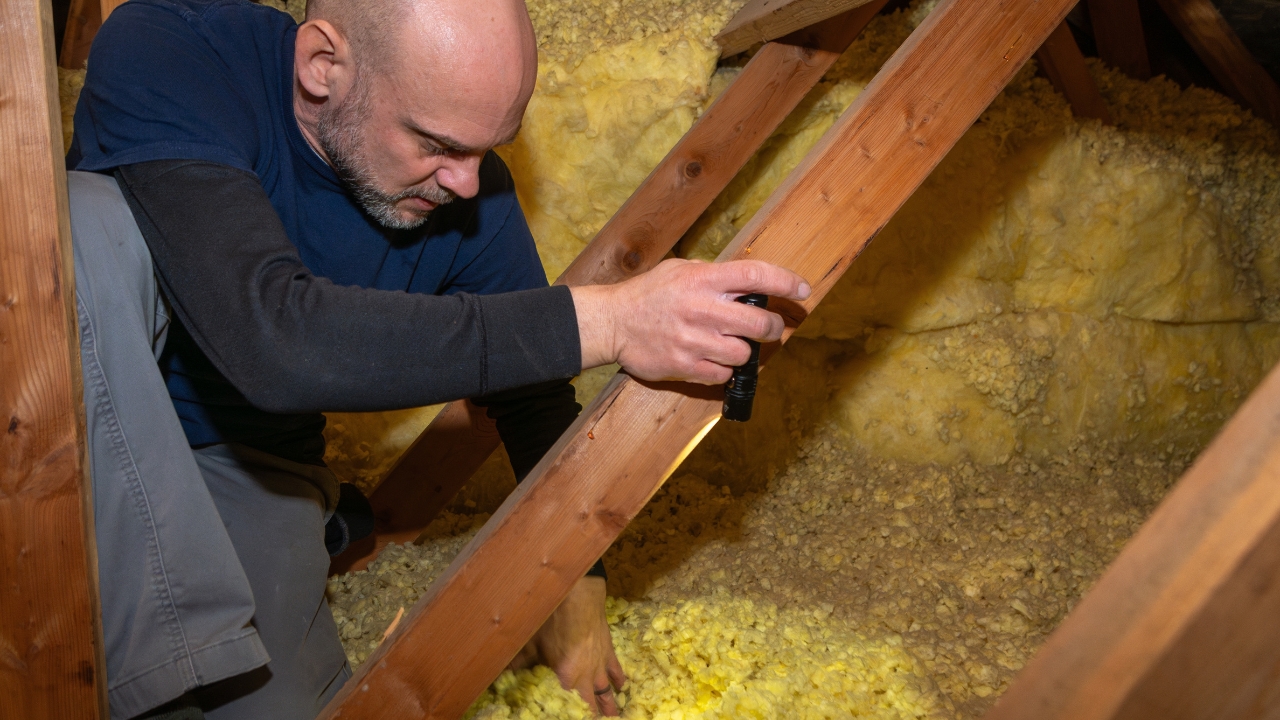
To prepare intelligently, you need to think the way an inspector does when they push open your attic hatch. They are not just glancing at insulation, they are scanning for patterns: dark streaks that suggest past leaks, rusted fasteners that hint at chronic condensation, and wiring or ducts that look improvised instead of planned. They also pay attention to basic access and safety, from secure walking paths to adequate lighting, because a cramped, hazardous attic makes it harder to see problems and raises questions about how often anyone has been up there.
Attic‑focused inspection guides urge buyers to Discover the often overlooked defects found in attics, and to Learn how insulation, ventilation, roof leaks, electrical wiring, and pest infestations all intersect in that space. When you understand that checklist, you can walk your own attic with the same critical eye, address obvious issues, and be ready to answer detailed questions instead of being caught off guard when the inspector’s flashlight lands on something you have never seen before.
Like Fix It Homestead’s content? Be sure to follow us.
Here’s more from us:
- I made Joanna Gaines’s Friendsgiving casserole and here is what I would keep
- Pump Shotguns That Jam the Moment You Actually Need Them
- The First 5 Things Guests Notice About Your Living Room at Christmas
- What Caliber Works Best for Groundhogs, Armadillos, and Other Digging Pests?
- Rifles worth keeping by the back door on any rural property
*This article was developed with AI-powered tools and has been carefully reviewed by our editors.