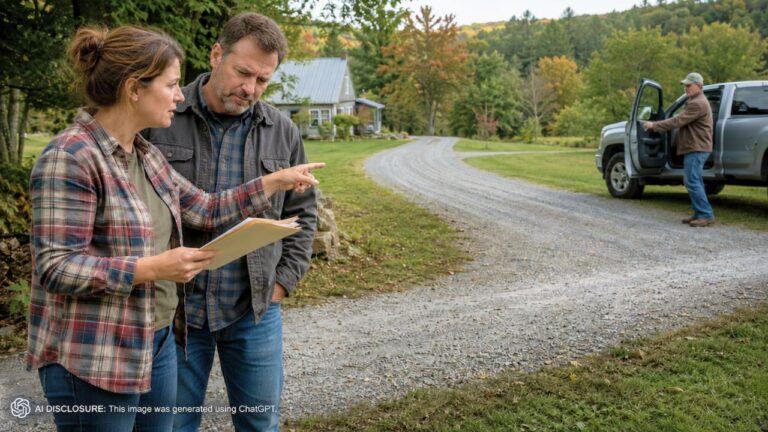
The home system inspectors keep calling “end of life” in older houses
Photo credit: Yuliya Taba/istock.com
Home inspectors have a polite way of saying “this could fail on you any day now.” They call key systems “at or near the end of their lifespan,” and in older houses that phrase shows up again and again on the report. If you are buying or already living in a vintage home, understanding which systems draw that label, and what it really means for your budget and safety, is the difference between a charming upgrade and a financial gut punch.
Instead of treating that language as vague legalese, you can use it as a roadmap. Once you know which components are most likely to be flagged as worn out, you can plan replacements on your terms, negotiate intelligently, and avoid the “surprise” failures that so many owners of older properties end up paying for out of pocket.
What inspectors actually mean by “end of life”
When an inspector calls a system “end of life,” they are not predicting the exact day it will fail. They are telling you that, based on age and condition, the component has reached the typical limit of its expected service and could stop working without much warning. Inspection standards require professionals to flag items that are “at or near end of lifespan,” especially big-ticket systems like HVAC equipment, water heaters, roofing and exterior components, because those are expensive to replace and can affect safety or habitability if they fail. One inspection firm explains that Everything in a house has a life expectancy and Nothing lasts forever, so the report is meant to give you a heads-up, not a guarantee.
For you as a buyer or owner, that language is a budgeting tool. A furnace, roof, or water heater might still run for a few more seasons, but you should assume replacement is coming and price that into your offer or your long term maintenance plan. Some inspectors will even note that a system is functioning “as of the date of inspection” while still calling it aged, which is their way of separating current performance from future risk. Treat those notes as a countdown clock: you may not know the exact remaining time, but you know you are in the final stretch.
The big-ticket systems that age out first
In older homes, inspectors tend to circle the same cluster of aging workhorses: the roof, the heating and cooling equipment, the water heater, and the electrical and plumbing infrastructure. A financing guide that tracks typical lifespans notes that a Common asphalt shingle roof lasts roughly 20 to 50 years depending on materials and climate, while major systems like HVAC units and water heaters often need replacement on a shorter cycle. When you walk into a 1960s or 1970s house that has not seen a recent overhaul, it is reasonable to assume that at least one of these systems is already beyond its design life, even if it still runs.
Inspectors who specialize in older properties also flag the underlying bones: Plumbing and Electrical Systems and Foundation Issues are recurring concerns as structures settle and wiring or pipes age. Over time, foundations can shift, and outdated electrical panels or wiring can increase the risk of electrical fires. When you combine those structural realities with worn-out mechanical systems, you start to see why so many inspection reports on older homes read like a list of looming replacements rather than minor tune-ups.
Why buyers keep missing the warning signs
Even when inspectors point out aging systems, many buyers mentally file the information under “future problem” and move on. Real estate pros warn that most people trail behind the inspector, nod politely and hope for the best, treating the walkthrough as a formality instead of a negotiation tool. One agent bluntly calls it a Buying a Home Don Make This BIG Mistake During Inspections moment, because collapsed lines or hidden issues can quickly turn into $3,000–$10,000 repair bills if you do not act before closing.
Inspectors themselves see a similar pattern. One video aimed at first time buyers urges you not to focus only on cosmetic flaws but to look at the age of key systems, starting with the water heater. The advice is simple: check the manufacturer label, find the serial number, and confirm the Water Heater Age, because if it is 10+ years old, you should treat it as near the end of its life. That kind of basic detective work, done during the inspection window instead of after you move in, can change how you structure your offer or what you ask the seller to address.
Roofs, furnaces and water heaters: the usual suspects
On older houses, the roof is often the first system to earn an “end of life” note. Inspectors look at shingle curling, missing granules, soft spots and patchwork repairs, but they also look at age. Architectural asphalt shingles, which are common on mid century and later homes, typically last around 20 to 30 years, and that time frame is affected by installation quality, ventilation and weather. Roofing specialists explain that when you ask How Long Do Asphalt Shingles Last, the answer is that Architectural products rarely hit their “30 year” label in real world conditions, so an inspector seeing a two or three decade old roof is justified in calling it worn out even if it is not yet leaking.
Inside the house, furnaces and water heaters are the other workhorses that age out. Heating contractors note that as furnaces age, they lose efficiency and require more energy to provide the same heat, often because of worn out components or outdated technology. That is why guidance on 3 Signs You Should Replace Your Furnace focuses on rising bills, frequent repairs and uneven heating, all of which inspectors can observe indirectly. For water heaters, plumbers recommend checking the manufacturer label on the upper part of the tank and decoding the serial number to find the unit’s age; if you are not sure of its ( heat the water ) age, that label is your roadmap. One guide on 4 signs your water heater may need to be replaced explains how the first letter and first two digits of the serial number often encode the month and year, which lets you confirm whether the tank is already in the danger zone.
Hidden infrastructure: plumbing, sewer lines and galvanized steel
The systems you cannot see are often the ones most likely to be truly worn out in an older house. Many mid century homes still rely on original supply lines and sewer pipes that have quietly reached the end of their design life. Plumbing specialists warn that older homes may have pipes that are at the end of their life, especially if they are galvanized steel, which is prone to internal corrosion and reduced flow. One repiping guide notes that However attractive the fixtures look, if your home has galvanized steel pipes, they will eventually clog or leak and you should watch for discolored water, low pressure and frequent leaks as signs that full replacement is coming.
Even when the supply lines are copper or PEX, the main sewer line can be a ticking clock. Inspectors and buyer agents stress that Single family homes built before 1980 often have sewer lines made of Orange Burg and Clay, materials that have a maximum life expectancy between 50 and 100 years depending on soil conditions and tree roots. Skipping a sewer scope can be an expensive mistake, because a collapsed line can cost tens of thousands of dollars to dig up and replace. One buyer focused warning bluntly states that Single family homes with those materials are at particular risk, so an inspector who calls the sewer “end of life” is not being dramatic, they are reading the calendar.
Cast iron, galvanized and the science of aging metal
Beyond Orangeburg and clay, many older houses rely on cast iron sewer lines and galvanized steel for drains or supply. Industry data points out that Most homes and buildings were built with cast iron sewer pipes until about the mid 1980s, and given that cast iron pipe life expectancy is finite, owners of those properties now need to start asking hard questions about replacement. One detailed breakdown of Most cast iron systems explains that corrosion, soil movement and root intrusion all accelerate failure, which is why inspectors often recommend camera inspections even when drains still appear to work.
On the supply side, galvanized steel was once marketed as a durable upgrade, but its zinc coating eventually wears away, leaving steel vulnerable to rust and mineral buildup. Materials experts note that Hot Dip Galvanized Steel stands out for its robust coating created by immersing the metal in molten zinc, which can protect against corrosion for decades, but even that protection can be compromised by industrial pollutants or coastal salt air. A technical overview of Hot Dip Galvanized Steel explains that while the method is robust, lifespan still depends heavily on environment. In a house, that means a galvanized system that has been quietly corroding for half a century is a prime candidate for an “end of life” note even if it has not yet sprung a visible leak.
Electrical panels, outlets and aging tech systems
Electrical systems in older homes are another frequent source of inspector concern, especially panels and outlets that predate modern safety standards. One inspection guide on older properties highlights Older homes might have structural issues, outdated wiring and overloaded circuits that increase the risk of electrical fires, particularly when today’s appliance loads are layered onto yesterday’s infrastructure. Inspectors look for panels that are undersized, corroded or from brands that insurers dislike, and they often recommend evaluation by a licensed electrician when they see signs of overheating or amateur modifications.
Electrical panels themselves have a finite lifespan. One safety focused overview notes that All electrical panels have a lifespan, while most panels will last anywhere from 30–50 years on average if they are adequately maintained and not overloaded. If they are neglected, heat and stress can damage the structure and function of the panel, which is why some older models are now considered uninsurable. A detailed discussion of All such panels explains that insurers may require replacement before issuing or renewing a policy. Even individual outlets have a defined life span of 15–25 years, with a replacement cost between $75 and $485 per location, according to an appliance life chart that lists Electrical Outlets Life and Replacement costs. When you add in home technology, one maintenance chart notes that Home technology systems have diverse life expectancies, and While a built in audio system might last 20 years, security systems and heat or smoke detectors can range from 5 to 40 years, which means an inspector may call out entire categories of aging devices as effectively obsolete.
How inspectors and lenders treat “end of life” findings
Once a system is labeled worn out, the question becomes what you, the seller and your lender will do about it. Mortgage advisors suggest that buyers focus on major concerns that affect safety, structural integrity or basic functionality when they respond to inspection findings. Guidance on how to react after a tough report emphasizes that a Buyer thinking about How to respond should Request repairs or credits for big ticket items like failing roofs, furnaces or environmental issues that cannot be resolved easily, rather than nickel and diming over cosmetic flaws.
Real world stories show how high the stakes can be if you ignore those notes. In one widely shared account, a buyer moved into a home where the inspector had flagged multiple appliances as “end of life,” only to have the furnace fail two weeks after closing in the middle of winter. The owner described getting three bids for replacement and realizing that the When Furnace finally died, the earlier “end of life” decree had been more of a warning than a prediction. Lenders, for their part, may require certain safety critical items to be repaired before funding, especially on government backed loans, which is another reason inspectors are careful to document aged systems even if they are still running.
Using lifespan data to negotiate and plan
To turn all of this into leverage instead of anxiety, you need to pair the inspector’s language with concrete lifespan data. A comprehensive chart of home features lists typical service ranges for roofs, HVAC systems, water heaters and more, and notes that Here is an overview of how long key home features typically last, along with average replacement costs. For example, it explains that a roof can cost $4,000–$10,000 to replace depending on size and materials, which gives you a dollar figure to attach when an inspector calls the covering “near the end of its lifespan.” That same resource from Here also breaks down windows, siding and mechanicals, so you can build a realistic five or ten year maintenance budget.
For older homes specifically, inspectors and renovation guides urge you to look beyond the charm to the underlying systems. One checklist of Common Concerns in Older houses points to structural movement, outdated wiring, clogged or slow drains and aging roofs as recurring issues that should be evaluated before you commit. Another guide on what to look for when buying an old house singles out a Deteriorating Roof as One of the most prevalent problems, and notes that While different types of roofing have different lifespans, any covering that is visibly worn or past its expected age should be treated as a near term expense. When you combine those insights with your inspection report, you can decide whether to ask for a price reduction, a seller credit, or a full replacement before closing.
Turning “end of life” into a maintenance roadmap
Once you own the home, the same “end of life” notes that felt scary during negotiations can become a practical to do list. Start by ranking systems by risk: anything tied to safety, like electrical panels, furnaces or sewer lines, should come first, followed by components that would be highly disruptive or expensive to replace on an emergency basis. A maintenance chart that tracks Home technology systems notes that While some built in systems can last decades, others like detectors and alarms have much shorter windows, which is a reminder to schedule proactive replacements instead of waiting for failure.
At the same time, you should treat the inspection as a baseline, not a one time event. Older homes evolve as you renovate, add loads or uncover hidden issues behind walls. A resource on Foundation Issues and Over time settlement explains that even solid structures can develop new cracks or moisture problems as conditions change, which is why periodic checkups make sense. If you keep a simple spreadsheet of each major system, its approximate age and expected lifespan, you can spread replacements over several years instead of facing a cluster of failures at once. That way, when an inspector or contractor tells you a component is “at or near the end of its lifespan,” you are already a step ahead, with a plan and a budget ready to go.
Like Fix It Homestead’s content? Be sure to follow us.
Here’s more from us:
- I made Joanna Gaines’s Friendsgiving casserole and here is what I would keep
- Pump Shotguns That Jam the Moment You Actually Need Them
- The First 5 Things Guests Notice About Your Living Room at Christmas
- What Caliber Works Best for Groundhogs, Armadillos, and Other Digging Pests?
- Rifles worth keeping by the back door on any rural property
*This article was developed with AI-powered tools and has been carefully reviewed by our editors.