The shutoff valve you should find today so you’re not guessing later
Photo credit: Den Belov/istock.com
When a pipe bursts or a gas line starts hissing, you do not want to be standing in ankle‑deep water or smelling gas while you guess which handle to turn. The shutoff valves in your home are small pieces of hardware that decide whether an emergency becomes a quick cleanup or a full‑scale disaster. Finding them now, while the house is quiet and the lights are on, is one of the simplest ways to protect your property and everyone in it.
Your main water, gas, and fuel line controls are not mysterious, but they are often out of sight and out of mind until something goes wrong. By learning where they are, what they look like, and how they operate, you give yourself a clear plan for the worst day your plumbing or gas system can throw at you, instead of scrambling later when every second counts.
Why one hidden valve matters more than you think
The most important control in your house is the main water shutoff, the single valve that can stop water from entering your entire plumbing system. It sits where the supply first enters your home and acts as the master switch for every faucet, toilet, and appliance. Plumbers describe it as the point where the municipal line or well supply meets your interior pipes, and they stress that this is the valve you reach for when you need to stop water everywhere, not just at a single fixture, so you can address the specific problem area without fighting constant flow from the street side connection, a layout explained in detail in guidance on what a main water shut off valve is.
Inspectors and plumbing pros frame this as basic household literacy, on the same level as knowing where your electrical panel is. They point out that a broken supply line can release hundreds of gallons in a short window, and that knowing your main control point lets you shut everything down in seconds instead of watching water pour through ceilings while you search. One inspection group calls this knowledge one of the most crucial pieces of information a homeowner can have, because it is the first step in limiting damage in the event of a plumbing emergency, a point underscored in their explanation of The Importance of Knowing Your Main Water Supply Shutoff Valve.
How your home’s water system is actually laid out
To find the right valve, it helps to picture how water reaches you in the first place. Supply lines usually run into the house from the street side of the property, then branch off to feed bathrooms, kitchens, laundry rooms, and outdoor spigots. In many homes, especially older ones, the main water shutoff valve is in the basement or crawlspace, mounted along the interior foundation wall that faces the street, or near the point where the line rises from the ground, a pattern highlighted in advice that tells you to Look along the foundation for that entry point.
In warmer climates, builders often place the main control outside, near an exterior wall or below an outdoor hose bib, because there is less risk of freezing. Utility districts note that if your home has a basement, the shutoff is commonly located where the pipe enters the wall, while in houses with a crawl space you will find the main water shutoff valve beneath it, sometimes accessed through a small hatch. One county authority explains that in homes without either, the valve may be in a utility closet or under the kitchen sink, and they specifically describe a Crawl Space location as a common setup.
Spotting the main water shutoff inside and out
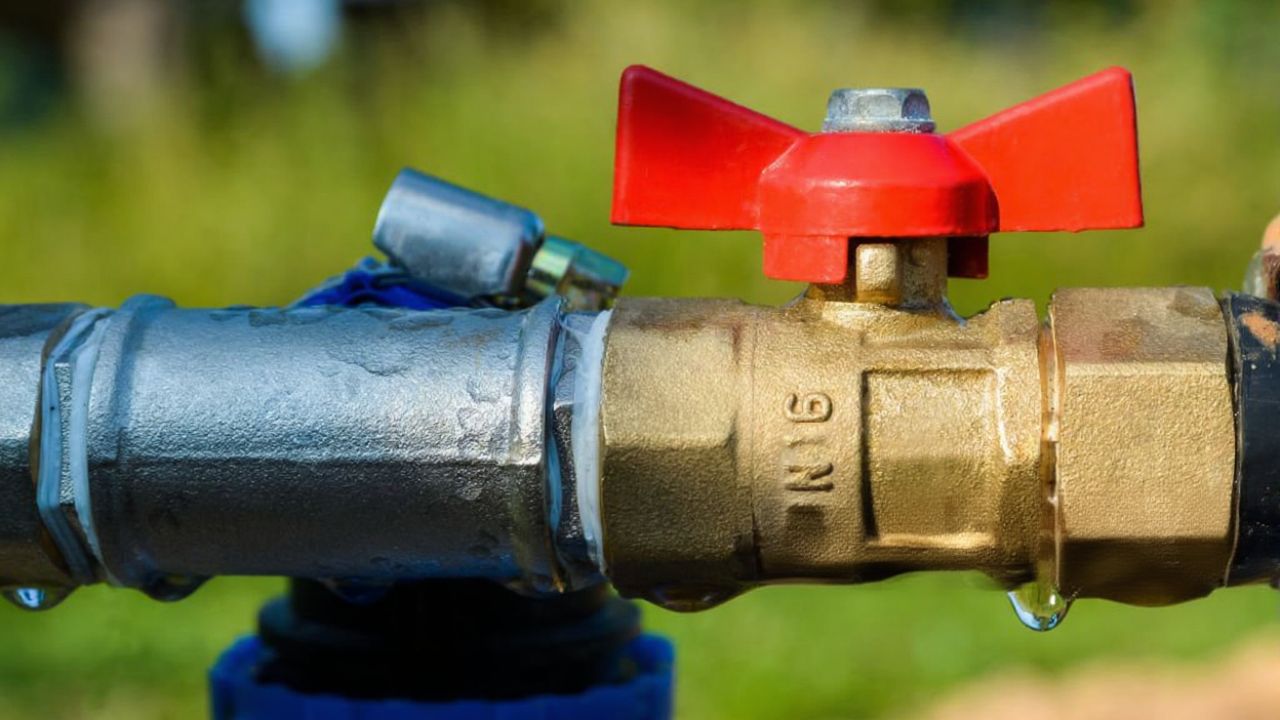
Once you are in the right area, you need to recognize what you are looking at. There are two primary types of main water shutoff valve, both installed where water enters the house from the municipal supply or private well. One style looks like a round wheel that you turn multiple times to close, while the other is a straight lever handle that rotates a quarter turn, and both are typically mounted on the main line just after it penetrates the wall or floor, a configuration described in detail in guidance on There being two primary types of shutoff.
Water utilities emphasize that most main water shutoff valves are located on the inside of the house, near the point where the main water line enters, but they also note that some properties have a curb stop valve buried near the street. That outdoor control is usually inside a small metal or plastic box flush with the ground, sometimes labeled, and is intended for use by the water company or trained personnel. Homeowners are generally advised to focus on the accessible indoor control, which is why step‑by‑step guides on Water supply lines and main shutoff valves stress the typical basement or utility room locations first.
Ball valve or gate valve, and why that matters in a crisis
The style of valve on your main line changes how you operate it when every second feels loud. Most homes have either ball or gate valves installed as their main water shut off valve, but ball valves are the most common choice in newer construction because they close quickly and seal reliably. A ball valve uses a drilled metal sphere inside the body that turns with the handle, creating a clear on or off position that stops or allows water to flow, a mechanism described in detail in explanations that note that Most homes rely on these two designs.
Gate valves, by contrast, use a rising stem and internal gate that lowers into the water path as you spin the wheel, which can take several turns and may stick if it has not been moved in years. Emergency manuals for firefighters point out that ball and cone valves have a rectangular valve nut on top, and that the valve nut is turned 90° to stop the flow, a simple visual cue that tells you when the line is closed. That same 90 degree rule applies to many residential ball valves, where the handle is in line with the pipe when open and perpendicular when shut, a detail echoed in training material on how Ball and cone valves behave.
Practicing the shutoff before you ever need it
Knowing the theory is not enough if you freeze in the moment, which is why professionals urge you to rehearse the move now. Home warranty specialists explain that, generally, there are four different places where your water shutoff valve is likely to be, and they encourage you to walk through each possibility, from inside your house near the water heater to the perimeter walls and exterior boxes. Once you find it, they recommend turning a round wheel clockwise until it stops or rotating a lever handle a quarter turn, advice laid out in their guide on Where to Look Inside for the shutoff valve.
Regional water utilities echo that message and add a few practical checks. They advise you to confirm that the valve actually works by slowly closing it, watching fixtures go dry, then reopening it to restore service, and they remind you that different plumbing arrangements will dictate where the valve sits and how it feels to operate. Their customer guidance on Where and how to operate your main water valve stresses that you should move the handle gently, avoid forcing a stuck control, and call for service if the valve will not budge, since breaking it in an emergency can leave you worse off than before.
Why every minute counts when water starts running where it should not
Plumbing emergencies rarely happen at convenient times, and they certainly do not wait until you have read the manual. Service companies that respond to burst pipes and failed water heaters point out that these failures often strike overnight, on weekends, or when you are about to leave town, and that the difference between a minor leak and a major claim is often how quickly you can stop the flow. One provider notes that plumbing emergencies rarely happen at convenient times, and that you do not want to be standing in a flooded hallway trying to figure it out, a scenario they describe in their reminder that Plumbing emergencies rarely happen at the right moment.
Big box retailers that cater to new homeowners have started folding this message into their welcome materials, urging you not to wait for a disaster to find the shut off valve. In one video, The Home Depot walks viewers through the process of locating and labeling the main control shortly after moving in, emphasizing that, after you unpack, it is important to locate the valve and make sure everyone in the household knows how to use it. Their social clip titled “Don’t wait for a disaster to find the shut off valve 💧 Learn how to turn off your w” reinforces that The Home Depot sees this as part of basic move‑in orientation, not an advanced DIY project.
Gas shutoff valves: the other life‑safety control you cannot ignore
Water can ruin drywall and flooring, but uncontrolled gas can threaten lives, which is why your gas shutoff deserves the same attention. If your house has natural gas, you have a main shut off valve on the supply line, and gas valves can vary in appearance depending on the age of your house, from older round knobs to modern lever handles. Home maintenance guides explain that the main gas control is typically near the meter outside or where the line enters the building, and they walk through how to align or turn the handle to stop flow, a process detailed in instructions on How to Locate Your Gas Shut Off Valve If your home uses natural gas.
Emergency‑focused plumbing firms add that, during an emergency, locating the gas shut off valve inside the house can help you swiftly mitigate danger, especially if you smell gas or hear a hissing sound near an appliance. They describe common locations such as behind stoves, near furnaces, or on the line feeding a water heater, and they stress that outside the house you may also find a main control near the meter that can be turned with a wrench to stop supply from the street. Their safety guidance on Inside the House and outside in the event of an emergency underscores that you should only operate these valves if it is safe to do so and that you must have pilots and gas appliances relit by qualified personnel afterward.
Appliance fuel line shutoffs and why they are different
Beyond the main gas control, each fuel‑burning appliance usually has its own shutoff, and knowing these can save you from cutting service to the entire house. Manufacturers of industrial and residential components explain that the key to all of this is knowing ahead of time both the location and proper securing of the fuel line shutoff valve, which is typically installed in line with the incoming gas line just before it reaches the appliance. Their guidance on How Do you Locate My Fuel Line Shutoff Valve emphasizes that you should be able to reach it quickly without moving the equipment or climbing behind obstacles.
Home warranty providers echo that structure when they describe how a typical house is plumbed for both water and gas. They note that the main water shut off valve controls the water supply to your entire home and is usually located below an outdoor water spigot or near the point of entry, while the main gas line shut off is near the meter and individual appliance valves sit just before the furnace, water heater, or stove. Their overview of the Main Water Shut, Off Valve and gas controls also stresses that, after you close a gas valve, you should have pilots and gas lights safely re lit by a professional rather than attempting to restart them yourself.
Labeling, teaching, and building a simple emergency plan
Finding the valves is only half the job; the other half is making sure you and everyone else in the home can act on that knowledge under stress. Safety‑minded plumbers argue that there are a few areas of a home plumbing system that are vital for homeowners to know and understand, and they put the main water shut off valve at the top of that list as a prime example of a safety shut off that should be clearly marked. Their discussion of The Importance of, Safety Shut, Valve There encourages you to tag the handle, keep the area around it clear, and note any tools you might need, such as a curb key or wrench.
Home inspectors who walk buyers through new properties add gas controls and breakers to that same mental map. They explain that if your home has natural gas, the main shut off valve is located just before the gas metre, also called a street side valve, and that additional shutoffs appear after the metre, furnace, or water heater. Their checklist on Also identifying shut off valves and breakers encourages you to walk the property with a marker and label each control, then make sure every adult and older child in the household can point to the main water and gas valves without hesitation.
Turn this from a one‑time hunt into a habit
Once you have done the initial hunt, it is tempting to move on and forget about it, but valves that sit untouched for years can seize or become buried behind storage. Fire safety trainers and utility managers recommend folding a quick check into your seasonal routines, verifying that you can still reach each control and that handles move smoothly. They note that ball valves are the preferred option in many regions because they are less prone to sticking and provide a clear visual cue when open or closed, a preference echoed in regional advice that explains why Ball valves are the preferred style for many main water shutoffs.
Consumer‑facing videos and shorts have started to normalize this kind of checkup, treating it as a basic life skill rather than a specialist chore. In one widely shared clip, a technician walks up to a residential gas meter and demonstrates how to turn the main gas going to your house off, remarking, “I don’t know how to people don’t know how to turn that off,” as he rotates the handle. That short, posted in mid‑August, shows how a simple visual can demystify the process, and the video titled “How to turn your house’s gas off #shorts #gas #naturalgas #utilities” reinforces that you can learn the move in seconds by watching Aug walk through the steps.
Do a full‑house walkthrough while the lights are still on
The most effective way to lock all of this in is to treat it like a home safety drill. Start at the street side of your property and trace where the water line likely enters, then follow it inside to confirm the main shutoff location, checking the basement, utility room, or under‑sink cabinets as needed. Regional water authorities suggest that in houses with a basement you will usually find the valve near the front foundation wall, while in homes built on slabs you may need to look near the water heater or in a mechanical closet, patterns that match the layouts described in county guidance on Crawl Space and slab construction as well as in homeowner tips that explain how Look for the line where it rises from the ground.
Then move on to gas and fuel lines, locating the main gas shutoff at the metre and the individual appliance valves at the furnace, water heater, and stove, and finish by checking that everyone in the household can repeat the route without you. Some utility and warranty guides even suggest sketching a simple diagram and taping it inside a kitchen cabinet so guests or babysitters can act if you are not home. If you take an hour to map and label your main water, gas, and fuel line shutoffs now, you will not be guessing later when a pipe bursts or a burner misbehaves, and you will have turned a hidden piece of hardware into a clear, practiced safety tool.
Like Fix It Homestead’s content? Be sure to follow us.
Here’s more from us:
- I made Joanna Gaines’s Friendsgiving casserole and here is what I would keep
- Pump Shotguns That Jam the Moment You Actually Need Them
- The First 5 Things Guests Notice About Your Living Room at Christmas
- What Caliber Works Best for Groundhogs, Armadillos, and Other Digging Pests?
- Rifles worth keeping by the back door on any rural property
*This article was developed with AI-powered tools and has been carefully reviewed by our editors.