The one-room heat plan that works better when you have kids and pets
Photo credit: Edvard Nalbantjan/Shutterstock.com
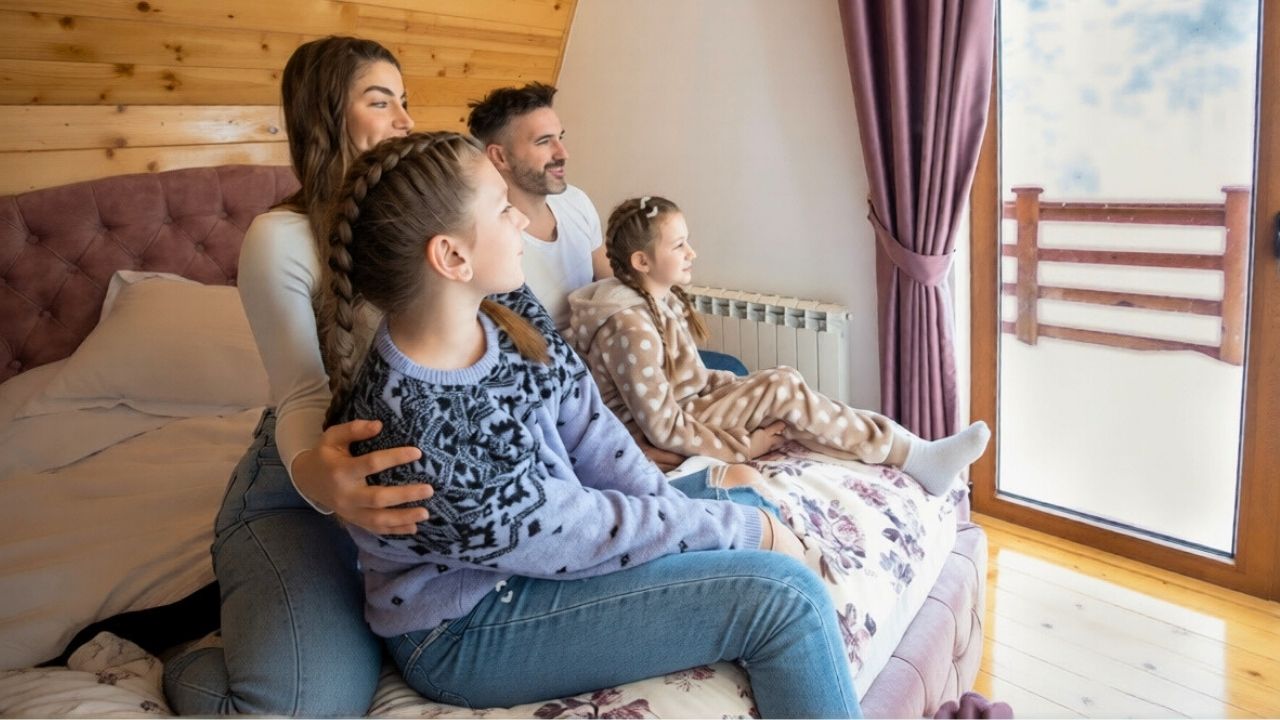
When temperatures drop, concentrating your efforts on keeping a single room warm can be more effective than trying to chase the chill out of every corner of your home. If you share that home with kids and pets, the right one-room strategy can also simplify supervision, reduce safety risks, and stretch your energy budget further. By combining smart zoning, careful heater choices, and a few low-tech tricks, you can build a warm, secure hub where everyone can relax together.
Why a one-room strategy works better for families
Focusing on one primary living space lets you control both heat and chaos at the same time. Instead of scattering children and animals across multiple chilly rooms, you create a central zone where you can see what everyone is doing and how close they are to any heat source. That concentrated activity also means more shared body warmth, which matters more than you might think when the weather is harsh or your main system is struggling.
Energy experts note that Gathering your family members and Isolating
Choosing the right room and sealing it off
Your warm hub works best when you start with the right space. Look for a room that already feels relatively snug, ideally one with interior walls, minimal drafts, and a door you can close. A living room that opens directly to a cold hallway or stairwell will leak warmth quickly, while a den or playroom with a solid door and a rug underfoot will hold heat longer and feel safer for kids who spend time on the floor.
Energy guidance on Simple Ways to Heat a Room Without Electricity emphasizes that you should Close Off Rooms that You Don’t Use, because there is no point in paying to heat unused areas. That same advice applies when you are running a space heater or relying on body heat. Shut interior doors, roll towels against thresholds, and draw curtains over drafty windows so the warmth you generate in your chosen room stays where your family actually is.
Why corralling kids and pets into one space is safer
From a safety standpoint, fewer rooms in play means fewer hazards to monitor. When you corral children and animals into a single supervised area, you can keep them away from hot surfaces, tangled cords, and unstable furniture. It also simplifies nighttime routines, because you are not trekking down cold hallways to check on a toddler or a nervous dog that has wandered toward a chilly back bedroom.
Cold-weather emergency guidance recommends that you Shut the Doors and Corral
Picking heater types that play nicely with small hands and paws
Once you have chosen your room, the next decision is how to add heat without creating a new set of risks. Not all heaters are equal when you have little ones and animals weaving through the furniture. You want something that stays stable if bumped, has built-in safety features, and does not present an obvious hot coil or open flame that invites exploration.
Parents and homeowners often point to oil-filled radiators as a safer choice because they have a lower surface temperature and warm the air gradually. In one discussion, a commenter named Jun noted that Comments Section feedback often highlights how these units warm a room evenly without exposed elements. Others warn that Resistive heating is the most expensive way to heat, which is why some families reserve plug-in units for that single, high-priority room. When you weigh options, ask yourself not just how fast a heater warms the air, but how it behaves when a child trips over the cord or a dog brushes against the housing.
Bladeless and pet-focused heaters for your main room
If your one-room hub is a living room or playroom, bladeless and pet-aware designs can add a layer of reassurance. Tower heaters that hide their heating elements and skip spinning blades are harder for small fingers and paws to interfere with, and they often distribute warmth more evenly across the space. That can make the room feel comfortable at a lower thermostat setting, which matters when you are trying to keep energy use in check.
Parents in one community mentioned using a Oct discussion of a Dyson heat and cool unit that has no exposed heating element and is used around a kid and cat without concern. Pet owners have also gravitated toward dedicated designs like the Nov reviewed HomerunPET heater, which is marketed as keeping both humans and cats warm, cozy, and safe. Another creator who posted in Oct described how cats immediately claimed the HomerunPET unit’s box and then the warm spot in front of it, a reminder that if you buy a heater with animals in mind, they will likely make it part of their daily routine.
Wall-mounted and infrared options that stay out of the way
In a busy family room, getting the heater off the floor can be a smart move. Wall-mounted units reduce tripping hazards, keep cords away from chewing puppies, and free up floor space for play. Infrared models that warm objects and people directly, rather than just the air, can also make a single room feel comfortable more quickly, which is useful when you are corralling everyone into that space after school or work.
One example is The Heat Storm Phoenix 1500 Watt Wi‑Fi enabled infrared wall heater, which is described as a solution for bathrooms, bedrooms, or offices where floor space is limited and heat loss from the heater is minimized. Product listings for the Find Heat Storm Phoenix 1500 Watt infrared space heater highlight its suitability for small, enclosed rooms, which aligns neatly with a one-room family strategy. For a different form factor, a Find listing for the Lasko 28″ Bladeless Ceramic Tower Heater with Remote Control shows how tall, slim designs can tuck into a corner while still pushing warmth across the room.
Managing costs and understanding what you are paying for
Even when you limit heating to one room, it pays to understand how your equipment affects the bill. Electric space heaters convert electricity directly into heat, which is convenient but not always the cheapest option compared with a well-tuned central system. If your main furnace is inefficient or you are renting and stuck with an older setup, using a portable heater strategically in a single, high-use room can still make sense, especially if it lets you turn the thermostat down elsewhere.
In a discussion about the Jun question of the safest space heater for a living room with kids and pets, one commenter pointed out that Are you renting or do you own and What is the main heating system are key questions, because resistive units are the most expensive way to heat on a per‑unit basis. Product search pages that Find the Heat Storm Phoenix 1500 Watt infrared space heater give you wattage and feature details that help you estimate operating costs. When you know how much power a heater draws, you can decide whether to run it continuously, cycle it with a thermostat, or reserve it for the coldest hours when your family is actually in the room.
Safety rules that matter more in a crowded room
Any time you concentrate people, furniture, and electronics in one space, the margin for error shrinks. That makes basic heater safety rules non‑negotiable. You need to think about where the unit sits, what surrounds it, and how easily a child or pet could knock it over. You also need to consider how your one-room layout affects escape routes in case of fire, especially if you are closing doors to keep heat in.
Fire safety guidance stresses that you should sleep with bedroom doors shut so that, if a fire starts in one room where no one is sleeping, This way it will isolate the flames and slow the spread, making it easier to escape and for firefighters to rescue you. That same principle applies when you are closing doors to trap heat, so you should keep exits clear and avoid blocking them with heaters or furniture. Consumer guidance on How to Use Your Space Heater Safely Space reminds you that these devices pose a real fire risk if you do not use them properly, so you should plug them directly into a wall outlet, keep them away from bedding and curtains, and choose models with automatic shutoff. Additional electrical advice is blunt: Never Place a Space Heater on Carpet, and Only place it on a smooth, stable surface instead of a side table or cabinet where it could tip.
Setting boundaries and routines for kids and pets
The best heater in the world cannot compensate for unclear rules. In a one-room setup, you can turn safety into a routine that kids and pets learn quickly. That might mean taping a “no toys” line on the floor around the heater, teaching older children to check that nothing is draped over it before bedtime, and giving pets a designated warm spot that competes with the lure of the heater itself.
Fire safety advocates urge you to Keep Space Heaters Away from Flammable Material Make sure they are at least three feet from anything that can burn, which is easier to enforce when everyone is in one room and you can see the whole layout at a glance. Combine that with a child-friendly explanation of why the heater is “look, don’t touch” territory, and a pet bed or blanket placed a safe distance away so animals have their own warm zone. Over time, those boundaries become part of your family’s winter rhythm, turning your one-room heat plan into a habit that keeps everyone both cozy and safe.
Like Fix It Homestead’s content? Be sure to follow us.
Here’s more from us:
- I made Joanna Gaines’s Friendsgiving casserole and here is what I would keep
- Pump Shotguns That Jam the Moment You Actually Need Them
- The First 5 Things Guests Notice About Your Living Room at Christmas
- What Caliber Works Best for Groundhogs, Armadillos, and Other Digging Pests?
- Rifles worth keeping by the back door on any rural property
*This article was developed with AI-powered tools and has been carefully reviewed by our editors.