The space heater spot that starts trouble in older houses
Photo credit: Vslko/istock.com
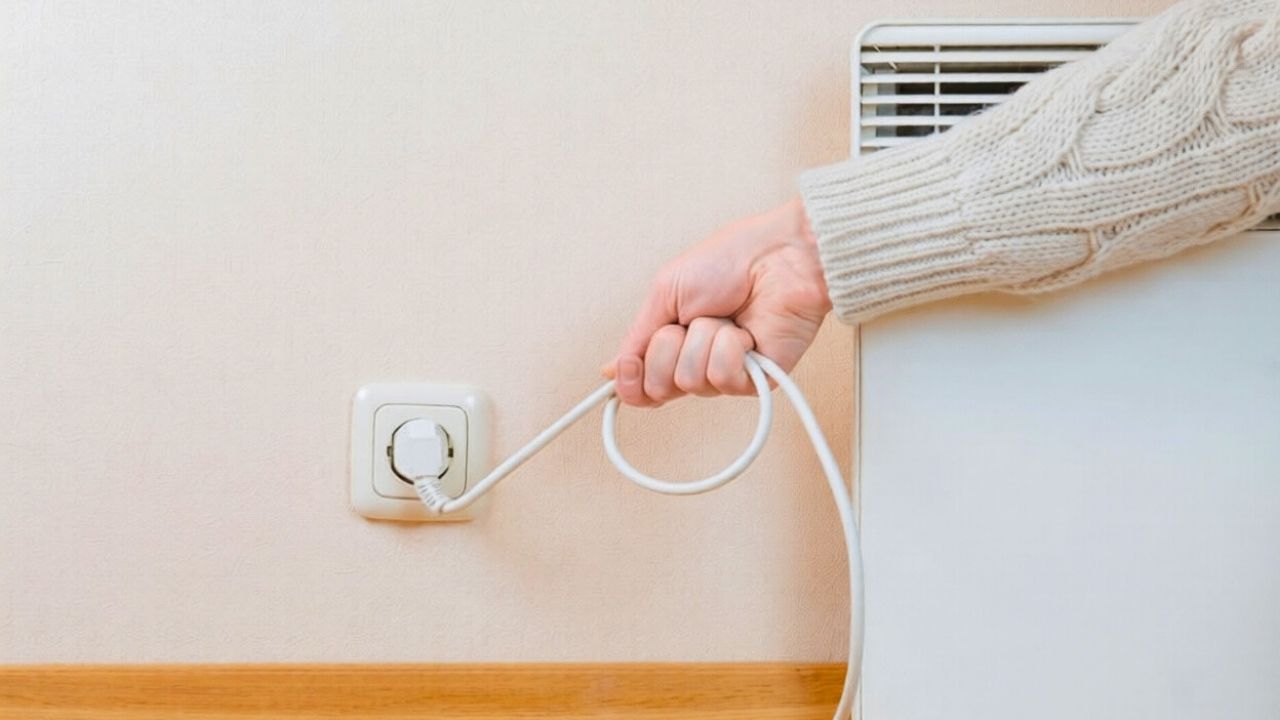
Space heaters tend to cause trouble in older houses at the exact point where convenience meets neglect: the tired wall outlet that has quietly powered lamps for decades. When you plug a high‑draw heater into that aging receptacle, you are asking brittle wiring, loose screws, and worn contacts to handle a load they were never designed to carry. If you understand why that single spot on the wall is so risky, you can keep the extra warmth without inviting an electrical fire.
The hidden weak link: one overworked outlet
In many older homes, the riskiest place to park a space heater is not the drafty window or the crowded hallway, it is the lone outlet in a bedroom or living room that already feeds a tangle of extension cords and power strips. You often rely on that one receptacle because the house was wired in an era when a single plug per wall felt generous, long before phone chargers, gaming consoles, and big‑screen TVs. When you add a 1,500‑watt heater to that mix, you push the outlet, the box, and the branch circuit to their limits, especially if the receptacle is loose, discolored, or warm to the touch.
Electricians point out that While modern homes feature far more outlets, older houses often have only one or two receptacles per room, which encourages you to lean on power strips as a permanent solution. That habit concentrates demand on a single spot in the wall, and when the device drawing the most current is a heater, any weakness in the outlet, from cracked plastic to loose terminal screws, can turn into arcing, charring, or a melted plug. The trouble usually starts quietly, with a faint smell or a flicker of lights, long before you see flames.
Why older wiring struggles with modern heaters
Even if the outlet looks fine, the wiring behind it may be decades out of date, and that matters when you plug in a heater that runs near the maximum rating of a typical 15 amp circuit. Many houses built in the mid twentieth century still rely on branch circuits that were never intended to feed today’s combination of electronics and high‑wattage portable heating. When you stack a heater on top of televisions, computers, and kitchen appliances, you are asking an aging electrical system to behave like new construction.
Common problems in older homes include Electrical Problems to Watch For such as Outdated Wiring Systems, undersized panels, and circuits that have been extended or modified repeatedly. Another frequent hazard is Aluminum wiring, installed in many homes during the 1960s and 1970s, which expands and contracts more than copper when heated and can loosen at connections over time. When a space heater drives that temperature cycling day after day, the movement at those joints can create resistance, sparking, and, in the worst case, ignition inside the wall cavity.
The amperage math you cannot ignore
Space heaters are deceptively simple devices, but electrically they are heavy hitters. A typical portable unit in North America is rated around 1,500 watts, which means it can draw close to the full capacity of a 15 amp circuit all by itself once you convert watts to amps. If that same circuit also feeds lighting, a television, or a hair dryer in the next room, you are operating with almost no safety margin, and every extra load nudges the wiring closer to overheating.
Homeowners in older neighborhoods often discover this the hard way when breakers trip or fuses blow as soon as the heater clicks on. One New Orleans resident explained that In older houses, each circuit usually is wired for 15 amps, maybe 20, and Because space heaters use a lot of power, they can easily max out that limit. Another electrician noted that Space heaters in North America are almost all rated for 1,500 watts, so a single unit can dominate the entire circuit. When you understand that math, it becomes clear why the outlet you choose, and what else is on that line, matters so much.
Loose connections: how heat builds inside the wall
The most dangerous failures rarely start with a dramatic pop or visible flame. They begin at loose connections, where a screw terminal is not tight, a backstabbed wire has worked free, or an old receptacle’s internal contacts have lost their spring tension. When a heater pulls high current through that imperfect joint, the resistance at the weak spot turns into heat, which then accelerates the breakdown of plastic insulation and metal parts. Over time, that cycle can char the outlet body, crack the faceplate, or even ignite nearby dust and wood framing.
Electricians who specialize in troubleshooting older homes warn that one of the main electrical threats from a heater is exactly these loose connections, which you often cannot see without opening the box. In some cases, the only early clues are a plug that feels hot, a faint buzzing sound, or lights that dim when the heater cycles on. If your house also has issues like an Overloaded panel or circuits that have been extended with questionable splices, that single stressed outlet becomes the weak link where all of those vulnerabilities converge.
Old panels, new loads, and the risk of overloading
Even if each individual outlet is in good shape, the overall system may not be. Many older houses still rely on service panels that were sized for a time when air conditioners were rare and electric vehicles did not exist. When you add multiple space heaters to that mix, especially during a cold snap when ovens, dryers, and other big loads are running, you can push the main panel and feeder conductors beyond what they were designed to handle.
Technicians who inspect aging systems often find an Overloaded main panel, double tapped breakers, and circuits that have been extended without proper calculations. Another review of common issues in older homes lists One of the most frequent problems as Outdated Wiring Systems that lack modern safety devices like arc fault and ground fault protection. When you plug a heater into a circuit that is already marginal, the extra current can expose those weaknesses quickly, sometimes by nuisance tripping, other times by silent overheating at bus bars and lugs.
Fire statistics and why heaters are singled out
Space heaters attract so much scrutiny because they sit at the intersection of high heat, high current, and close proximity to combustible materials. National fire data show that heating equipment is consistently one of the top causes of home fires in the United States, and portable units are a significant part of that picture. In older houses, where wiring and outlets may already be compromised, the margin for error is even thinner, which is why safety officials keep returning to the same warnings every winter.
Fire safety experts note that In older homes, outdated wiring and limited circuits make electric heaters a particular concern, especially in dense rowhouse neighborhoods where a single blaze can spread quickly. National guidance points out that Nearly half of all home heating fires occur in the winter months when people rely most heavily on these devices. When you combine that seasonal spike with the structural vulnerabilities of an older house, the outlet you choose for your heater becomes a frontline safety decision, not a casual convenience.
Placement and clearance: not just about the plug
The wall receptacle is the starting point of risk, but where you physically place the heater after you plug it in matters just as much. A unit that sits too close to a sofa, curtain, or bed can ignite those materials even if the wiring behind the outlet is perfect. In cramped older rooms, where furniture crowds every wall and extension cords snake under rugs, it can be hard to find a spot that keeps both the heater and its cord clear of hazards.
Fire districts emphasize that Proper placement of your Space Heater is essential, with guidance that focuses on Placement and Positioning and Where to Safely Use a unit so it stays at least three feet from anything that can burn. Federal safety officials echo that advice, warning that Portable heaters can cause fires if they are placed too close to drapes, furniture, or bedding, and recommending that you keep them at least three feet away from these materials. In an older house with narrow rooms and limited outlets, that may mean rearranging furniture so the safest outlet and the safest location line up.
Built‑in protections and what to look for in a heater
Not all heaters are created equal, and the features you choose can either amplify or reduce the risk at that stressed outlet. Modern units with tip‑over switches, overheat sensors, and cool‑touch housings give you more layers of protection if something goes wrong. In contrast, older or bargain models without those safeguards rely entirely on the wiring and your own vigilance, which is not a great bet in a house that already has electrical quirks.
Safety specialists advise that you look for models that meet current standards and include automatic shutoff features, especially if you plan to run them in bedrooms or around children. One review of common hazards notes that Electrical space heaters, while convenient, come with significant risks related to overheating, faulty wiring in space heaters themselves, and the potential for fires if they are left unattended. Another set of guidelines on Space Heater Safety stresses that to Prevent Electrical Fires and Overloaded Circuits This Winter, you should plug heaters directly into wall outlets, avoid power strips, and never leave them running when you leave the room or go to bed.
Practical steps to make that outlet safer
If you live in an older house and rely on a space heater, you can reduce the risk at that trouble spot by treating the outlet and circuit as critical infrastructure, not an afterthought. Start by having a qualified electrician inspect the receptacle you plan to use, along with the wiring feeding it, especially if you see signs of wear like cracks, discoloration, or a plug that will not stay firmly in place. Upgrading a single worn outlet to a modern, properly grounded receptacle is a relatively small job that can dramatically cut the chance of arcing where the heater connects.
Beyond that, consider a broader electrical checkup that looks for homes that lack GFCIs and AFCIs, overloaded circuits, and Aluminum branch wiring that may need special connectors or replacement. Guidance on Our experts also underscores basic habits like keeping heaters on a dedicated circuit when possible and turning them off whenever you leave the room or go to bed. When you combine those system upgrades with disciplined use, the outlet that once looked like the starting point for trouble can safely handle the extra warmth you need.
Like Fix It Homestead’s content? Be sure to follow us.
Here’s more from us:
- I made Joanna Gaines’s Friendsgiving casserole and here is what I would keep
- Pump Shotguns That Jam the Moment You Actually Need Them
- The First 5 Things Guests Notice About Your Living Room at Christmas
- What Caliber Works Best for Groundhogs, Armadillos, and Other Digging Pests?
- Rifles worth keeping by the back door on any rural property
*This article was developed with AI-powered tools and has been carefully reviewed by our editors.