The winter power outage mistake that ruins pipes before you notice
Photo credit: Siglinde Fischer/istock.com
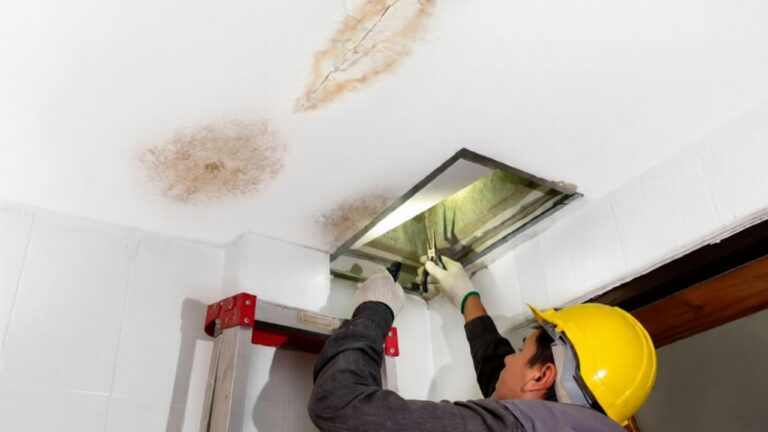
Winter blackouts do not just leave you in the dark, they quietly set up the kind of plumbing failure that can gut a house before you even realize anything is wrong. The most expensive mistake is assuming your pipes are safe as long as nothing is dripping from the ceiling while the power is out. In reality, the real trouble often starts later, when the heat snaps back on, the ice inside your plumbing shifts, and a hidden crack turns into a full‑blown flood.
Why winter power outages are a perfect storm for your plumbing
When the electricity cuts out in cold weather, your heating system stops and the temperature inside your walls begins to chase the outdoor air. That drop is not just uncomfortable, it is exactly the environment that lets water in uninsulated or exterior lines turn to ice. As the water solidifies, it expands with tremendous force, and the pressure inside a pipe can spike from a normal 40 pounds per sq to a level that metal or plastic simply cannot contain, especially at elbows, joints, and weak soldered seams.
The danger is magnified because outages often arrive with a broader Winter storm that keeps temperatures below freezing for hours or days. Guidance on frozen pipe prevention notes that this combination of cold and lost heat is when your plumbing is most vulnerable, particularly in basements, crawl spaces, and exterior walls where insulation is thin and air leaks are common, which is why you are urged to understand why pipes freeze and how pressure builds long before the lights go out.
The hidden mistake: trusting “no leak” as a green light
The most damaging misconception during a blackout is the belief that if you do not see water on the floor, your plumbing survived. In reality, a pipe can be completely blocked with ice and already cracked without releasing a single drop while everything is still frozen. The ice itself acts like a plug, sealing the break until temperatures rise and normal flow resumes, which is why the absence of an obvious leak is not proof that your system is intact.
Specialists who study How Long Does It Take for Pipes To Freeze, Burst, and When they actually fail point out that the real damage often occurs during the warmup, not at the coldest moment. As the ice inside the pipe begins to melt and shift, pressure redistributes, and a hairline fracture can suddenly open into a split that sends water pouring into wall cavities or ceilings, a pattern detailed in guidance on how freezing and thawing trigger bursts.
What actually happens inside a frozen pipe
Inside a cold section of pipe, the first ice crystals usually form along the outer edges where metal or plastic touches frigid air. As more water freezes, the remaining liquid is squeezed into a smaller and smaller volume, which drives up internal pressure. Because water is essentially incompressible, that pressure has to go somewhere, and it often concentrates at a fitting or valve that was already under stress from age, corrosion, or previous repairs.
Contrary to what many people assume, the pipe does not always rupture at the coldest point. The break can occur several feet away, in a section that never actually froze but was forced to absorb the pressure spike from the blocked segment. That is why a line running through a relatively warm room can still fail if a hidden stretch in an attic or exterior wall ices over, a dynamic that underpins the warnings in winter storm briefings about what happens when the power goes out and pipes gush from a split.
The thaw is the real ambush
The most expensive part of a freeze event often arrives hours after the cold snap, when the power returns and your furnace roars back to life. As indoor temperatures climb, the ice plug inside a damaged pipe starts to melt from the outside in. At first, only a trickle of water can move past the blockage, but as the channel widens, that flow accelerates and begins to push directly against any crack that formed under pressure, turning a small defect into a full rupture.
Plumbing and restoration experts describe a common pattern in which a line survives the cold, appears fine when you first walk through the house, and then suddenly fails later in the day, long after you have stopped worrying about the outage. One advisory on frozen pipe protection explains that a pipe can stay intact while frozen, then fail as it thaws and releases water in a rush, which is why it warns that it often bursts hours later when the thaw triggers a major water damage event.
The one step you cannot skip when the power goes out
The single most important move you can make in a prolonged outage is to stop assuming the grid will come back before anything bad happens and instead put your plumbing into a safe, low pressure state. That means treating a blackout like a serious freeze threat as soon as indoor temperatures start to fall, not waiting until you can see your breath in the living room. If you know the cold will last, you should be ready to isolate your home’s water supply and remove as much water from the lines as possible.
Detailed winter guidance spells this out clearly: If the power goes out during a deep freeze, you are advised to shut off the main valve where water enters your home, then open every faucet and the lowest spigot to drain the line so there is little left to freeze. The same instructions emphasize that Winter outages that last multiple days are especially risky and that you should also flush all toilets several times to clear the tanks, steps that are laid out in advice on what to do if the power goes out in Winter.
How to drain and depressurize your system safely
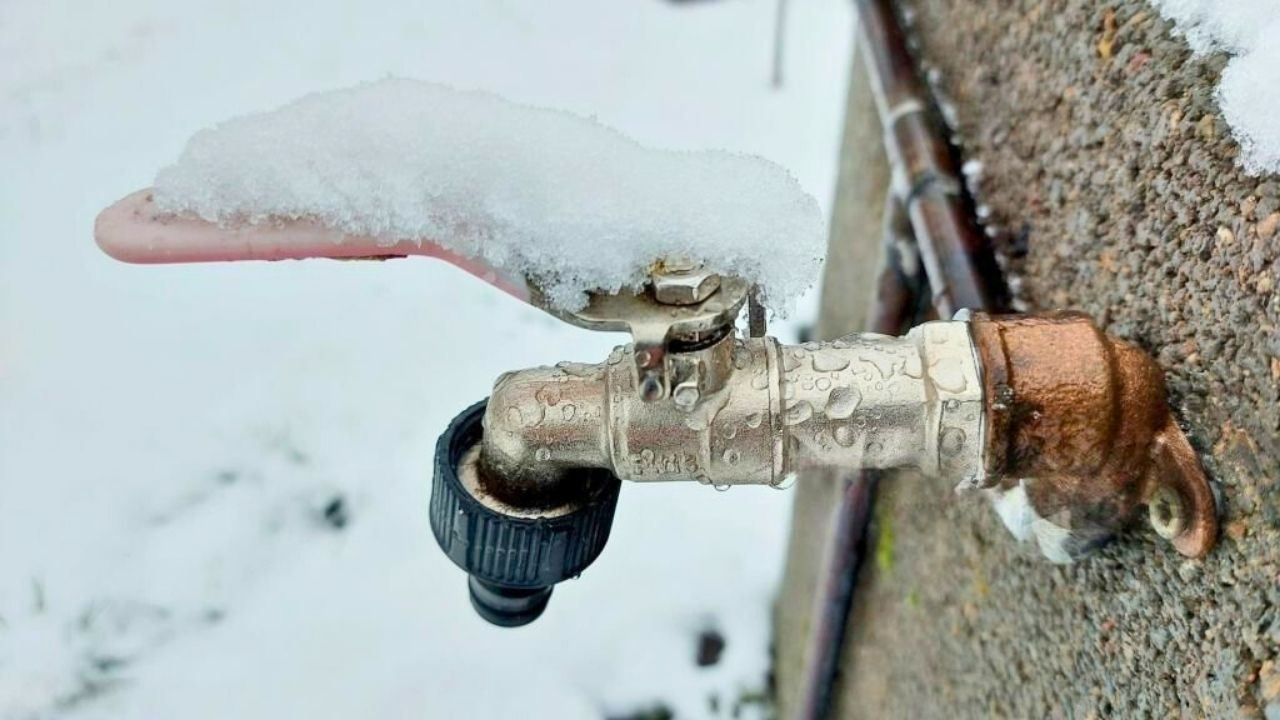
To actually carry out that shutdown, you start at the main valve, typically near where the water line enters your basement or utility room. Once you close it, you open every hot and cold tap in the house, from the highest bathroom sink to the lowest laundry tub, so air can enter and water can escape. You then move outside to open any hose bibs or yard hydrants, which lets gravity pull water out of the system and relieves pressure that could otherwise build behind an ice plug.
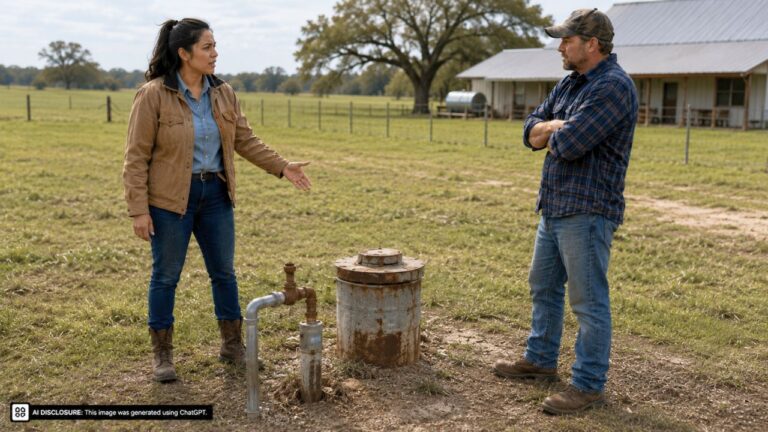
After the lines are open, you turn to toilets, which hold a surprising amount of water in both the tank and the bowl. Winter outage guidance recommends that you flush all toilets several times to move as much water as possible into the drain system, a step that is highlighted in instructions on how to prevent your water pipes from freezing by draining and flushing. If you are on a private well, you also shut off power to the pump at the breaker panel so it does not try to repressurize a closed or frozen system when electricity returns.
Small habits that quietly protect vulnerable lines
Even when you cannot fully drain the system, small, deliberate habits can buy your pipes crucial time. Letting a trickle of water run from faucets on exterior walls keeps water moving so it is less likely to freeze solid, and opening cabinet doors under sinks allows warmer room air to reach the plumbing. In multi level homes, running a slow drip on the upper floors can also help keep vertical risers from freezing, since moving water carries a bit of heat with it.
Homeowners in cold regions often share practical tactics that go beyond official checklists, such as prioritizing sinks and toilets on exterior walls and using them periodically so water does not sit stagnant in exposed sections. In one detailed Comments Section on keeping pipes from freezing during a potential outage, people emphasize simple steps like letting fixtures on outside walls drip and only flushing when necessary so you can still use the system if you need it while reducing the risk of a freeze up.
Why the damage bill explodes once pipes fail
Once a frozen pipe finally gives way, the cost of the mistake escalates far beyond the price of a length of copper or PEX. Water from a pressurized supply line can fill a room in minutes, soaking drywall, insulation, flooring, and electrical systems. If the break is in a ceiling or an upper floor, gravity spreads that water through multiple levels, turning a single crack into a whole house problem that can displace you for weeks while repairs and mold remediation take place.
Property managers who have dealt with repeated freeze events stress that it is not the initial Frozen pipe that ruins buildings so much as the Flooded and Frustrated aftermath. One analysis of cold weather losses notes that it is not just the Freeze but the Thaw that unleashes the worst Damage, and that proactive steps like shutting off water and monitoring vulnerable areas can protect property and avoid potential damage, a point underscored in guidance on how frozen pipes lead to flooded and frustrated owners.
How to monitor your home as temperatures plunge and recover
Staying ahead of trouble means paying attention both as the cold sets in and as it eases. When forecasts call for extended subfreezing weather, especially in places like East Texas that are not built for prolonged Arctic air, you should walk your home and identify any plumbing that runs through unheated spaces, then add insulation, heat tape, or at least extra airflow from the conditioned areas. Local broadcast segments on how to make sure your pipes do not burst in the next cold spell often stress that regions unaccustomed to hard freezes are particularly at risk because their homes lack robust pipe protection, a point driven home in coverage focused on how East Texas can remain below freezing for days and strain plumbing.
During and after an outage, you should treat your plumbing like a system that might already be injured even if it looks fine. As the power returns, keep the main valve closed at first and walk the house, listening for hissing, checking ceilings and walls for new stains, and looking under sinks for beads of water. Only once you are confident there are no active leaks should you slowly reopen the main and continue to monitor, a cautious approach echoed in advice on what to do if you are still without power and worried about frozen pipes.
Planning ahead so the next outage is just an inconvenience
The most reliable way to avoid the silent disaster of burst pipes is to treat winter outages as a predictable part of the season and plan around them. That starts with basic upgrades like insulating exposed lines, sealing air leaks around sill plates and hose bibs, and relocating especially vulnerable runs out of unheated attics or garages when you renovate. It also means thinking about how you will keep at least part of your home above freezing if the grid fails, whether through a backup generator, a battery system, or even a small, safely vented auxiliary heater that can protect a mechanical room or key plumbing chase.
Cold weather guides describe this as a domino effect, where a Winter Storm Leads to Burst Pipes once the heat goes out and the house cools, and they urge you to think through What Happens when your heating system stops so you are not improvising in the dark. Some even walk through scenarios like leaving your garage door open or heading out of town and explain how to safeguard your Home if you are leaving, advice captured in resources that outline how to prevent frozen pipes from bursting when you are away and in broader discussions of The Domino Effect of a Winter Storm that leads to burst pipes. With that kind of preparation, the next blackout becomes a test of your planning, not a race against a hidden rupture inside your walls.
Like Fix It Homestead’s content? Be sure to follow us.
Here’s more from us:
- I made Joanna Gaines’s Friendsgiving casserole and here is what I would keep
- Pump Shotguns That Jam the Moment You Actually Need Them
- The First 5 Things Guests Notice About Your Living Room at Christmas
- What Caliber Works Best for Groundhogs, Armadillos, and Other Digging Pests?
- Rifles worth keeping by the back door on any rural property
*This article was developed with AI-powered tools and has been carefully reviewed by our editors.