The carbon monoxide mistake people make when they “only run it for a minute”
Photo credit: Joebelanger/istock.com
Carbon monoxide is one of the few household dangers that can turn an ordinary errand into a life‑threatening emergency in the time it takes you to find your keys. The casual habit of “just running it for a minute” in a garage, driveway, or workshop is exactly how that risk slips into your routine. When you treat a running engine as harmless background noise instead of a source of a highly toxic gas, you give carbon monoxide the opening it needs to build up, drift indoors, and put everyone in the home at risk.
The mistake is not just about how long you run a car, generator, or pressure washer, but where and how you use it. Enclosed or semi‑enclosed spaces, attached garages, snow‑blocked driveways, and even open doors and windows can all work against you, trapping fumes you cannot see or smell. Understanding how quickly carbon monoxide accumulates, how it moves through a house, and how your body reacts to it is the only way to stop that “one minute” shortcut from becoming a medical emergency.
Why “just a minute” is enough to get you in trouble
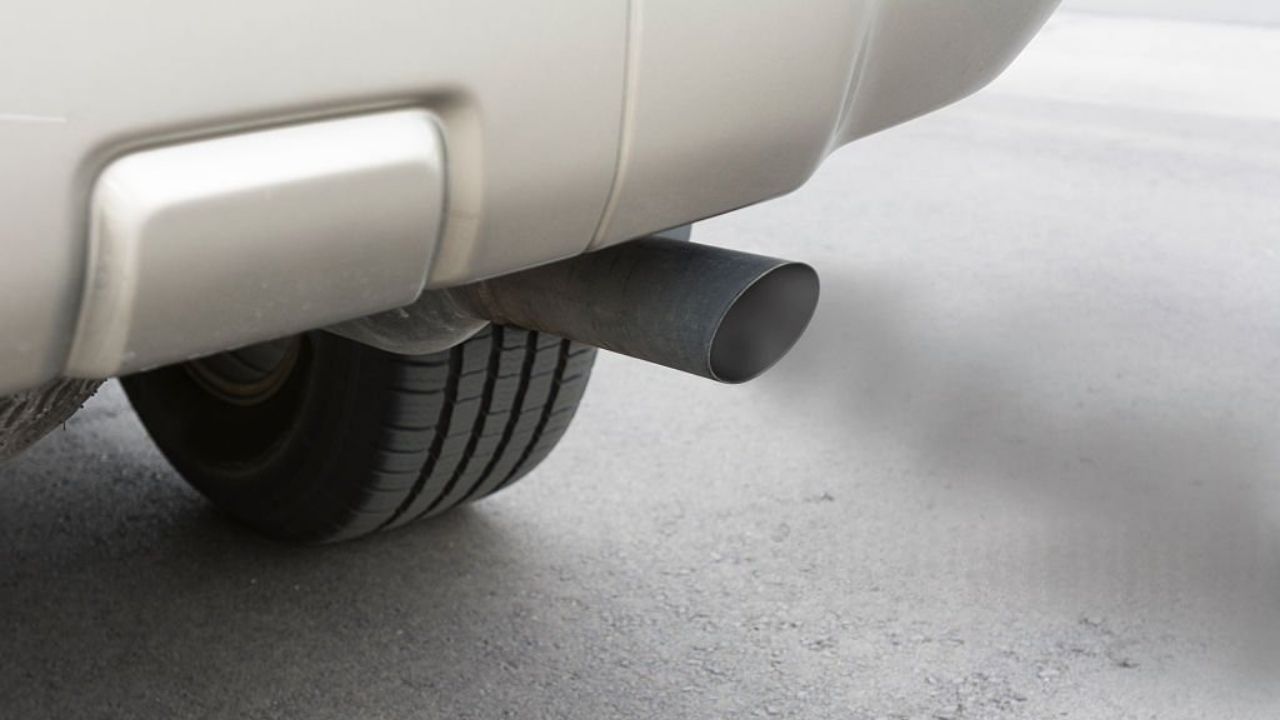
When you tell yourself you will only idle the car briefly, you are betting your safety on a clock that does not work the way you think it does. A modern engine can pump out a concentrated stream of exhaust from the moment it starts, and carbon monoxide begins to accumulate as soon as that exhaust has any structure around it, whether that is a closed garage, a three‑sided carport, or a snow‑walled driveway. Even if you leave the garage door open, the space still acts like a basin that collects and holds exhaust, so the gas can pool around the car and seep into the house while you are still buckling a child into a car seat.
Health guidance on how long it takes for carbon monoxide poisoning to set in makes that timeline uncomfortably clear. At lower concentrations, symptoms can take up to two hours to appear, which tricks people into thinking a short exposure is harmless. At higher levels, however, the same sources warn that serious poisoning can develop in about five minutes, well within the window of a “quick warm‑up” or a short phone call taken in the driver’s seat. The danger is not that you plan to sit there for hours, but that you underestimate how fast a confined space can reach those higher concentrations.
How carbon monoxide behaves in garages and attached homes
Garages are especially treacherous because they feel like outdoor spaces while behaving more like sealed rooms. Even with the door rolled up, the walls and ceiling trap exhaust, and the opening does not guarantee enough airflow to flush it out. Safety guidance on Garage Door Safety is blunt on this point, warning you not to run your car in the garage, even with the door open, because the structure itself holds fumes that can then leak into living spaces. The problem is magnified in winter, when you are more likely to keep doors and windows shut and insulation tight, which slows any natural ventilation.
Once carbon monoxide is in the garage, it does not stay there. Reporting on Carbon Monoxide Hazards from attached garages notes that Attached Garages Create Many Carbon Monoxide Hazards because the gas migrates through shared walls, gaps around doors, and even small openings around ductwork. There is a clear warning that during extreme weather we are more likely to warm up vehicles inside, and a significant share of the carbon monoxide that ends up in a house comes from the garage. If your bedroom or a child’s room sits above or beside that space, a few minutes of idling can be enough to push fumes into the very rooms where people are sleeping.
The invisible chemistry that makes carbon monoxide so unforgiving
Part of what makes the “only for a minute” mindset so persistent is that carbon monoxide does not behave like the hazards you are used to noticing. You cannot see it, taste it, or smell it, so there is no sensory cue that the air around you is changing. Exhaust may look thin and harmless, especially from a newer car, but the gas inside it is still the same carbon monoxide that experts describe as a highly toxic byproduct of burning fuel. Guidance on the dangers of leaving a car running in the garage stresses that Carbon Monoxide is a highly toxic gas released when a vehicle burns gasoline, and that it builds up even when the engine is idling at low speed.
Once you inhale it, carbon monoxide binds to hemoglobin in your blood more readily than oxygen does, which means it quietly displaces the oxygen your organs need. You may feel a dull headache, mild nausea, or fatigue and chalk it up to a long day, when in reality your body is being starved of oxygen. Legal analysis of carbon monoxide poisoning cases notes that a problem has been that carbon monoxide does not quickly dissipate and can remain after engines are shut down, which means your exposure can continue even after you have turned off the car or generator. That lingering presence is exactly why a short run time is not a reliable safety margin.
Why winter, snow, and “warming up the car” raise the stakes
Cold weather habits stack the odds against you. When temperatures drop, you are more likely to start the car early to warm it up, run a generator during an outage, or use fuel‑burning tools in a closed space to avoid standing outside. At the same time, your home is sealed tight against the cold, which traps any gas that drifts indoors. Safety guidance notes that the risk of carbon monoxide exposure increases in winter and that, according to the CDC, more deaths from carbon monoxide exposure occur in the winter than at any other time of year, because people rely more heavily on fuel‑burning equipment and are less likely to have windows open.
Snow adds another layer of risk that makes the “just a minute” habit even more dangerous. If your tailpipe is blocked by a snowbank or heavy drift, exhaust cannot escape properly and instead backs up under the car and around the vehicle, where it can seep into the cabin or nearby structures. Guidance on how to prevent carbon monoxide poisoning in cars is explicit: Do Not Run Your Engine if It is Covered in Snow, because Heavy snowfall can make you more prone to carbon monoxide poisoning and can allow CO to reach fatal levels even when you think you are outdoors. If you start a snow‑covered SUV in a driveway that is boxed in by high drifts, that “quick warm‑up” can turn the entire area into a pocket of toxic air.
Common myths that keep people idling in danger
Several persistent myths make it easier to justify risky behavior with engines and fuel‑burning equipment. One of the most stubborn is the belief that if you crack a window or open a door, you have created enough ventilation to make any carbon monoxide harmless. Guidance on Debunking Common Myths About CO and Natural Gas Generators calls out the idea that “They produce less CO, so they’re safe indoors” and that “Opening a window is enough ventilation,” and it also highlights the false comfort of thinking “If I can’t smell it, it’s not there.” Carbon monoxide does not respect those shortcuts; a partially open window in a garage or basement does not change the basic physics of how the gas accumulates.
Another myth is that newer equipment is inherently safe to run indoors or in semi‑enclosed spaces. You might assume that a late‑model hybrid, a compact inverter generator, or a small pressure washer is “clean” enough to use in a pinch. In reality, any gasoline‑powered engine produces carbon monoxide, and even a brief run time can be dangerous in the wrong setting. Official safety materials on generators and tools stress that They (generators, pressure washers, or other gasoline‑powered tools) all produce large amounts of CO that can build up to dangerous levels if used too close to a home, and that they must be kept away from windows, doors, and air intakes. The brand, age, or size of the engine does not change that basic risk.
Cars, key fobs, and the quiet risk of a running engine
Modern vehicles have introduced a new twist on the old garage hazard. Keyless ignition systems make it easy to walk away from a car that is still running, especially if the engine is quiet and the dashboard is out of sight. You might pull into an attached garage, get distracted by a phone call, groceries, or a child, and assume you pressed the start‑stop button when you did not. Safety advocates who focus on Carbon Monoxide Safety Tips describe how a vehicle inadvertently left running inside the garage of a home, especially those with keyless ignition, can fill both the garage and the home with CO while everyone inside is unaware.
Even when you are fully aware that the engine is on, it is easy to underestimate how quickly exhaust can spread from the garage into the house. Guidance on Preventing Carbon Monoxide Poisoning stresses that if you need to warm up your car, you should move it outside first, because idling in an attached garage can fill both the garage and home with CO. That advice applies whether you are driving a 2025 crossover with remote start or a 2005 sedan with a metal key. The convenience of starting the car from the kitchen or letting it idle while you gather your things does not change the way exhaust behaves once it is trapped in a partially enclosed space.
Generators, pressure washers, and other “outdoor” tools that still poison homes
Cars are not the only culprits behind the “only for a minute” mistake. Portable generators, pressure washers, and other gasoline‑powered tools are often dragged into garages, basements, or covered patios during storms and home projects, especially when you want to keep them out of the rain or snow. That instinct to shelter the equipment is exactly what turns it into a carbon monoxide source pointed at your house. Official guidance on generators and pressure washers notes that They (generators, pressure washers, or other gasoline‑powered tools) all produce large amounts of CO that can build up to dangerous levels and that they must be operated outside, far away from windows, doors, and air intakes, not just under a carport or inside a garage with the door cracked.
Even tools you think of as “outdoor only” can end up too close to living spaces when you are trying to be efficient. A homeowner might roll a pressure washer into a garage to rinse off a car out of the rain, or park a generator just inside the door to keep it dry. Consumer advice that tackles Myth 10, which says You Can Use a Pressure Washer on Your Car Yes, reminds you that even when a tool is technically capable of doing a job, you still need to be careful about how and where you use it. With gasoline‑powered washers, that caution includes keeping the engine outside and away from the house, even if it means getting a little wet while you work.
How long exposure really takes and what your body is telling you
One reason people feel comfortable running engines briefly is that they expect poisoning to feel dramatic and immediate, like smoke inhalation in a fire. Carbon monoxide rarely works that way. At lower concentrations, it can take up to two hours for symptoms to show, which means you might spend the evening in a house that was contaminated earlier in the day and only notice a headache or dizziness long after the source is gone. Medical guidance on How long carbon monoxide poisoning takes explains that while low‑level exposure may take up to two hours to cause symptoms, higher concentrations can lead to serious poisoning in about five minutes, which is well within the window of a “quick” engine run in a confined space.
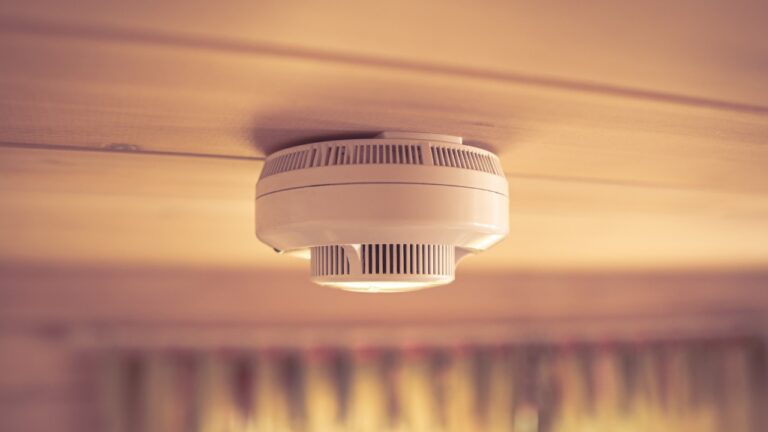
Your body’s early warning signs are also easy to misread. Mild headache, nausea, confusion, or fatigue can look like the flu, dehydration, or simple exhaustion, especially in winter when seasonal illnesses are common. Because carbon monoxide is colorless and odorless, there is nothing in the environment to tip you off that the air itself is the problem. That is why health experts emphasize installing carbon monoxide alarms on every level of your home and near sleeping areas, and why guidance on Preventing Carbon Monoxide Poisoning stresses that you cannot rely on your senses to detect CO. If you or anyone in your home experiences unexplained symptoms after using a vehicle, generator, or fuel‑burning tool, you should treat it as a potential exposure and get into fresh air immediately.
Simple rules that actually keep you safe
Breaking the “only for a minute” habit starts with a few non‑negotiable rules. Never run a car, truck, or SUV in a garage, even if the door is open, and never warm up a vehicle in an attached garage before backing it out. Safety guidance on Garage Door Safety makes it clear that to ensure garage safety, you should not run your car in the garage at all, because exhaust can still accumulate and seep into the house even when the garage door is open. If you need to defrost windows or warm the cabin, move the car fully outside first, with the tailpipe clear of snow, and keep it away from building openings.
Apply the same discipline to generators, pressure washers, and other fuel‑burning tools. Operate them only outdoors, far from windows, doors, and vents, and never in basements, crawl spaces, or attached garages, even for a short test run. Install carbon monoxide alarms on every level of your home and near bedrooms, test them regularly, and replace batteries as recommended. Finally, treat carbon monoxide as a year‑round risk that peaks in winter, not a rare fluke. Guidance that cites the CDC notes that the risk increases in winter and that people can end up seriously ill when they underestimate how quickly CO can build up. If you build these rules into your routine, you remove the need to gamble on whether “just a minute” will be the one that goes wrong.
Like Fix It Homestead’s content? Be sure to follow us.
Here’s more from us:
- I made Joanna Gaines’s Friendsgiving casserole and here is what I would keep
- Pump Shotguns That Jam the Moment You Actually Need Them
- The First 5 Things Guests Notice About Your Living Room at Christmas
- What Caliber Works Best for Groundhogs, Armadillos, and Other Digging Pests?
- Rifles worth keeping by the back door on any rural property
*This article was developed with AI-powered tools and has been carefully reviewed by our editors.