The cold-weather plumbing habit that saves pipes, and it’s not the one people argue about online
Photo credit: Igor Radchenko/istock.com
When temperatures plunge, you probably hear the same argument on repeat: should you let your faucets drip or not. The online back‑and‑forth can make it sound as if that single choice decides whether your plumbing survives the night. In reality, the cold‑weather habit that quietly saves more pipes is far less dramatic, and it starts long before you touch a faucet handle.
The most effective winter plumbing routine is about preparation and circulation, not last‑minute panic. If you build a habit of clearing vulnerable lines, sealing off cold entry points, and keeping warmer air moving around your pipes, you dramatically cut the odds of a mid‑storm emergency call and a four‑figure repair bill.
The real winter MVP: disconnecting and draining every hose
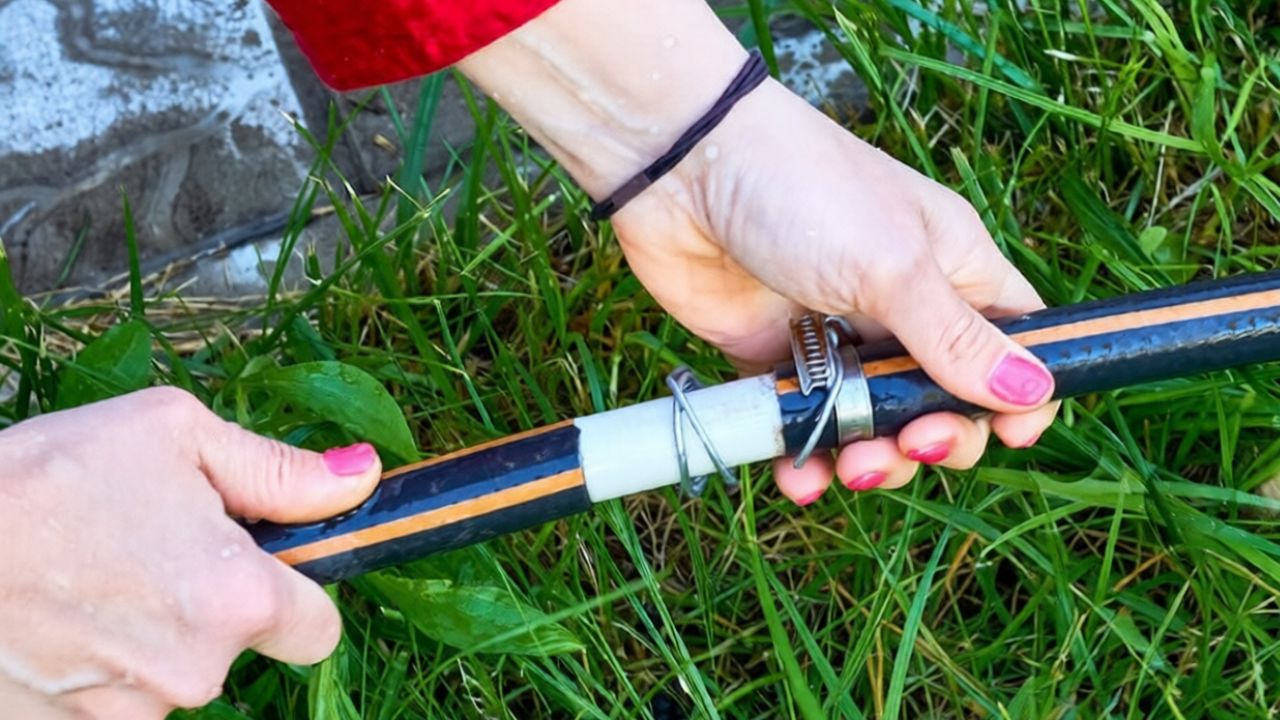
The habit that protects more pipes than any social‑media debate is simple: you disconnect and drain every garden hose before the first hard freeze, then keep them off all winter. When water sits in a hose that is still attached, it can back up into the sillcock and interior plumbing, where it expands as it freezes and cracks fittings you cannot see. Plumbers repeatedly warn that Homeowners should disconnect and drain garden hoses, even from frost‑proof spigots, because those fixtures are only frost resistant when they can drain freely.
You also want to treat hose bibs as part of your indoor plumbing, not as disposable hardware. After you remove each hose, you shut off any interior valve feeding that line, then open the outdoor faucet briefly so trapped water can escape instead of freezing in place. Several cold‑weather checklists put “Disconnect Garden Hoses” or “Disconnect and Drain Garden Hoses” at the very top of their “How to Prevent Pipes From Freezing” lists, often ahead of insulation or thermostat tweaks, because a single neglected hose can turn a routine cold snap into a burst‑pipe disaster.
Why the faucet‑drip fight misses the bigger picture
Arguments about dripping taps tend to focus on water bills and municipal supply, but they skip a more basic point: a drip is a last‑ditch tactic, not a substitute for real winterizing. When temperatures fall below 32°F, water inside exposed lines can freeze, and a slow flow can help relieve pressure. That is why some utility campaigns under banners like Prevent Frozen Pipes still advise you to “Drip cold water in farthest faucet from your main” during extreme cold. The physics are sound, but the strategy is narrow.
Other professionals now argue that if you are going to run water, you should “ditch the drip” and use a small, steady stream instead, especially in the coldest rooms. In guidance shared for LITTLE ROCK (KATV), pros recommended a continuous trickle rather than a sporadic drop so the line never fully stagnates. They also stress that any running water plan should be paired with other steps, like insulating pipes and sealing drafts, because flow alone cannot protect a pipe that is sitting in subfreezing air behind a thin exterior wall.
The habit that actually keeps pipes warm: managing your indoor climate
If you want a daily winter habit that quietly shields your plumbing, start with your thermostat and interior doors. Cold‑weather campaigns that focus on whole‑home strategy tell you to Set home thermostats above 55 degrees at all times, even when you are away, because once the air around a pipe drops below freezing, ice can form inside long before you notice a problem. That “55” is not arbitrary, it is a floor that gives your walls and cabinets enough warmth to buffer short outdoor plunges without constant micromanagement.
Circulation is the second half of that habit. You keep interior doors open so warm air can move into hallways and corners, and you avoid shutting vents in little‑used rooms where plumbing runs through exterior walls. Some winter prep guides fold this into broader “How to Prevent Pipes From Freezing” routines that also include using heat cables on vulnerable runs and checking that pipes in unheated spaces have added warmth from nearby ducts or space heaters, as outlined in How to Prevent Pipes From Freezing. The habit you build is simple: you treat your plumbing as part of your heating plan, not an afterthought.
Open the doors that matter: cabinets and closets hiding pipes
Another low‑effort habit that pays off is opening the doors that hide plumbing whenever a cold snap is in the forecast. Under‑sink cabinets, laundry closets, and vanity bases often trap cold air, especially along exterior walls, so pipes inside them can freeze even when the room itself feels comfortable. Winter checklists explicitly tell you to Leave Cabinet Doors Open so warm air from the room can circulate around the pipes and keep them closer to the thermostat setting.
You can turn this into a routine instead of a scramble. When you hear a forecast for single digits, you walk through the house and crack every cabinet that contains a sink, then check any utility closets that hide supply lines. Some guides frame this as part of a broader “Prepare for colder weather and help stop your pipes from freezing” plan, alongside steps like sealing gaps and checking for signs of rodents or animals visiting the building that might have disturbed insulation. The habit is not glamorous, but it is consistent: you give hidden pipes the same warm air you enjoy in the rest of the room.
Insulation and outdoor faucet covers: small gear, big protection
While online debates fixate on what comes out of your faucets, professionals keep returning to what surrounds your pipes. Wrapping exposed lines in foam sleeves or fiberglass is one of the most reliable ways to keep them above freezing, which is why cold‑weather guides open with directives like Insulate Pipes and “Identify pipes in unheated areas” as a first step. The habit here is seasonal: each fall, you walk your basement, crawlspace, and garage, looking for bare lines you can cover before the first deep freeze, instead of waiting until after a pipe has already split.
Your outdoor faucets deserve the same attention. Even after you have removed hoses, the metal body of a sillcock can conduct cold into the wall cavity, especially on windy nights. Cold‑weather advice under headings like The Importance Of Winterizing Outdoor Faucets notes that Experts agree that foam faucet covers add a layer of insulation that reduces the chance that your pipes will freeze. You can make it a habit to install those covers the same weekend you rake leaves or swap to winter tires, so your exterior plumbing is protected long before the season’s first arctic blast.
Using water flow wisely: when a drip or stream actually helps
There are nights when, even with insulation and good habits, the forecast is so brutal that you want every tool available. That is when controlled water flow becomes useful. Guidance under banners like Prevent Frozen Pipes tells you to “Drip cold water in farthest faucet from your main” during extreme cold, because moving water is less likely to freeze and a small flow relieves pressure if ice does form. Other pros, speaking through local outlets, suggest that in the harshest conditions you should use a pencil‑thin stream instead of a drip so the line never fully stagnates, advice that underpins the call to “embrace a steady stream” in the ditch the faucet drip debate.
How you run that water also matters. Professionals advise you to run both hot and cold at each faucet so both supply lines see movement, and to set single‑handle faucets in the middle position so the mixing valve does not leave one side stagnant, a detail highlighted when The pros also say to run both cold and hot water. You reserve this tactic for the coldest nights, and you pair it with your other habits, like open cabinets and insulated pipes, so you are not relying on your water bill alone to keep your plumbing intact.
Winter‑proofing as a checklist, not a scramble
The most effective cold‑weather plumbing habit is not a single trick, it is the discipline of walking through a short checklist whenever temperatures are about to plunge. Some guides package this as “Winter, Proof Your Plumbing, Must, Do Tips, Avoid Frozen Pipes,” starting with disconnecting hoses, insulating exposed lines, and sealing drafts around pipe penetrations. Others under headings like “How to Prevent Pipes From Freezing and Bursting” add steps such as closing foundation vents in extreme cold and minimizing cold air infiltration in basements and crawlspaces.
You can adapt those lists into a routine that fits your home. For example, you might decide that whenever a forecast calls for a wind chill in the single digits, you will: verify that all hoses are off, check that foam covers are snug on outdoor faucets, open every sink cabinet, confirm your thermostat is set above 55, and then, only if the cold is severe, set a few strategic faucets to a slow stream. By treating those moves as a single habit loop instead of scattered chores, you reduce the odds that you forget a vulnerable corner of your plumbing on the one night it matters most.
How to prioritize vulnerable spots inside your home
Not every pipe in your house faces the same risk, so another smart habit is learning where your weak points are and checking them first. Lines that run through unheated spaces, such as garages, attics, and crawlspaces, are obvious candidates for extra insulation and, in some cases, heat cables, which are specifically recommended in “6 Proven Ways to Prevent Frozen Pipes” as added warmth for exposed runs. Pipes on exterior walls behind kitchen cabinets or showers can be just as vulnerable, especially in older homes with minimal insulation, so you make a habit of feeling those walls on cold nights and adjusting your strategy if they are noticeably chilly.
Indoor fixtures that connect directly to the outside, like washing machine boxes on exterior walls or utility sinks near garage doors, also deserve routine attention. Some maintenance guides suggest adding foam pipe sleeves, sealing gaps where lines pass through framing, and even relocating stored items so warm air can reach the plumbing. Advice collected under “One of the most effective ways to prevent frozen pipes” is to Identify these problem areas early and minimize cold air infiltration around them. Once you know your home’s specific weak spots, your winter habit becomes targeted: you check those locations first whenever the forecast turns ugly.
Shopping smarter for winter plumbing gear
Turning cold‑weather plumbing care into a habit is easier when you have the right gear on hand before the season starts. Foam faucet covers, pipe insulation sleeves, and heat cables are not glamorous purchases, but they are far cheaper than repairing a burst line in the middle of Winter. Modern shopping tools can help you sort through the options quickly, since platforms now aggregate Product information from brands, stores, and other content providers so you can compare ratings, materials, and price without bouncing between dozens of tabs.
You can build a small winter plumbing kit that lives on a garage shelf: a stack of foam covers sized for your outdoor faucets, a box of pipe insulation in common diameters, a roll of tape for securing it, and a couple of heat cables for the most exposed lines. When the first cold front arrives, you are not racing other shoppers for the last cover on the rack, you are calmly installing gear you already own. That preparation reinforces your core habit: you treat plumbing protection as a planned part of your cold‑weather routine, not a frantic reaction once pipes are already at risk.
Like Fix It Homestead’s content? Be sure to follow us.
Here’s more from us:
- I made Joanna Gaines’s Friendsgiving casserole and here is what I would keep
- Pump Shotguns That Jam the Moment You Actually Need Them
- The First 5 Things Guests Notice About Your Living Room at Christmas
- What Caliber Works Best for Groundhogs, Armadillos, and Other Digging Pests?
- Rifles worth keeping by the back door on any rural property
*This article was developed with AI-powered tools and has been carefully reviewed by our editors.