A simple winter maintenance check that prevents the worst kind of “middle of the night” repair
Photo credit: Bill Oxford/istock.com
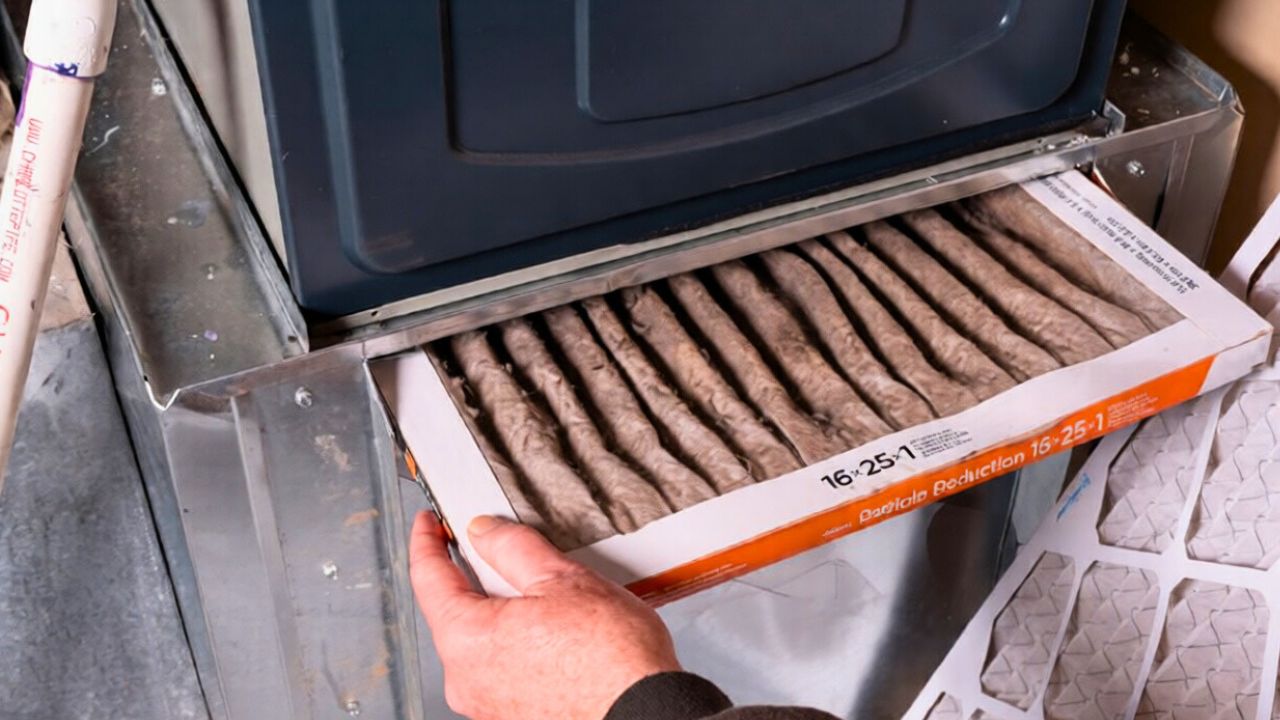
When temperatures drop and the house is quiet, the worst sound you can hear is nothing at all from your furnace or heat pump. The simplest way to avoid that kind of middle‑of‑the‑night emergency is not an expensive gadget or a complicated tune‑up, but a basic winter maintenance check you can do yourself in minutes. By focusing on one small but critical component, you dramatically cut the odds of a no‑heat crisis and the costly repair visit that follows.
That component is your air filter, and treating it as a once‑a‑season afterthought is exactly how you end up shivering at 2 a.m. If you build a quick filter check into your winter routine, then layer in a few other fast inspections around your thermostat, power switches, and outdoor equipment, you turn a vulnerable system into a far more reliable one long before the coldest nights arrive.
Why the smallest part in your system causes the biggest winter headaches
Every forced‑air heating system depends on steady airflow, and your filter sits right in the path of that air. When it is clogged, your furnace or heat pump has to work harder to pull air through, which strains the blower motor, reduces heat output, and can eventually trigger safety shutoffs that leave you without heat. Professionals routinely put “Check your HVAC filters and replace them if they are dirty” at the top of any Seasonal Maintenance Checklist, because a neglected filter is one of the fastest ways to turn a healthy system into a failing one.
That small rectangle of pleated media also affects your comfort and your bills. A clean filter lets your system reach temperature quickly and cycle off, while a dirty one keeps it running longer, wasting energy and wearing out parts. When experts talk about an Essential Winter HVAC System Maintenance Checklist, they consistently put air movement and filtration alongside tasks like cleaning the outdoor HVAC unit and checking for mechanical failures, because airflow problems cascade into everything from cracked heat exchangers to frozen coils.
The simple winter maintenance check that changes everything
The single most effective winter habit you can adopt is to physically inspect your filter before the heating season, then set a reminder to repeat that check every month through the coldest stretch. Many technicians advise you to Always Start with the filter when something seems off, because “Air Filter If it is clogged, the system will not run right.” By making that same check part of your routine before anything goes wrong, you catch restrictions early instead of after a shutdown.
In practice, this winter check is straightforward. You locate the filter slot near the return air duct or blower compartment, slide the filter out, and hold it up to the light. If you cannot see light through much of the surface, or if the pleats are coated in dust, pet hair, or construction debris, you replace it on the spot. Some pre‑winter guides even open with “Start by locating the air filters in your heating system,” because everything else in a pre‑winter heating repair checklist depends on that first step being done correctly.
How a clogged filter turns into a 2 a.m. no‑heat emergency
When your filter is dirty, the immediate symptom is usually subtle: rooms that feel stuffy, vents that seem weaker, or a furnace that runs longer than it used to. Left alone, that restricted airflow can cause the heat exchanger to overheat, which triggers safety switches that shut the system down to protect it. Many emergency guides note that Before you call for help during a winter outage, you should run through simple checks that solve “40%” of heating failures, and the filter is always on that short list.
Those same guides walk you through other quick steps like “Check Your Thermostat” and confirm that the system has power, but the pattern is the same: many middle‑of‑the‑night breakdowns start with something small that was never inspected. When you ignore the filter, the blower can overheat, the igniter can fail from repeated short cycling, and the system can lock out entirely. By the time you are searching for an emergency number, you are paying for a technician to do what you could have done earlier in the season with a flashlight and a fresh filter.
Thermostats, switches, and other tiny checks that save big money
While the filter is the star of your winter maintenance routine, it is not the only quick check that keeps you out of trouble. Many “What Are The Most Common Furnace Problems” lists start with “Thermostat Isn” and “Working” because “One of the” most frequent service calls turns out to be a control that is misprogrammed, set to “cool,” or simply out of batteries. Taking thirty seconds to verify that your thermostat is on “heat,” set to a reasonable temperature, and responding as expected can prevent a lot of unnecessary panic.
Power switches are another overlooked culprit. Most furnaces have a simple wall switch nearby that looks just like a light switch, and it is surprisingly easy to bump this switch to “off” while moving boxes or cleaning. Before you assume a major failure, you should also confirm that any service disconnects on a heat pump are fully seated and that breakers in your electrical panel have not tripped. These tiny checks, combined with your filter inspection, form a fast, reliable triage routine whenever something feels off.
Why professionals keep putting filters first in winter prep
When you look at professional winter prep guidance, you see the same priorities repeated in different language. One widely used Preparing Your HVAC System for Winter guide opens its “Seasonal Maintenance Checklist” with “Check” your filters and replace them if they are dirty, then moves on to other HVAC tasks like inspecting ductwork and testing the system before the first real cold snap. The message is clear: if the filter is wrong, nothing else in the system can perform as designed.
More detailed winter lists, such as an Essential Winter HVAC System Maintenance Checklist, pair filter work with steps like cleaning the outdoor HVAC unit and checking for mechanical failures, but filtration still sits at the top. The logic is simple. A technician can adjust gas pressure, test igniters, and lubricate motors, yet if the filter is clogged, the system will still overheat and shut down. By handling the filter yourself, you let any professional visit focus on deeper issues instead of billable minutes spent on something you could have done in your hallway.
How to size and choose the right replacement filter
Once you commit to regular checks, the next step is making sure you are installing the correct filter. Using the wrong size can let air bypass the media entirely, which defeats the purpose and can pull dust straight into your blower and coil. Filter specialists advise you to Check your existing filter’s model number or measure the actual dimensions, not the nominal size printed on the frame, and they provide “Our Lennox” sizing guides to clarify the difference between nominal vs actual size.
Beyond size, you should match the filter’s MERV rating to your system and household needs. High‑efficiency media like MERV 16 can capture very fine particles, but in some older furnaces or marginal duct systems, that extra resistance can reduce airflow too much. If you have a newer variable‑speed blower, it may handle higher MERV ratings well, while a 1990s single‑stage furnace might be happier with a mid‑range filter changed more often. When in doubt, you can check your equipment manual or ask a technician during a routine visit, then stock up on the right filters so your winter checks never stall because you are missing a replacement.
Holiday crowds, late‑night failures, and why timing matters
Winter breakdowns rarely happen at convenient moments. They show up when you have guests sleeping in the basement, when a cold front hits overnight, or when service companies are already booked solid. That is why some seasonal advice focuses on “Quick Homeowner Checks Before Guests Arrive,” urging you to “Replac” filters and test your system days before a holiday gathering. One guide on Christmas comfort spells out that a few simple steps can prevent most last‑minute furnace emergencies, and filter work is again near the top.
Those same checklists remind you to listen for unusual noises, verify that vents are not blocked by furniture or decorations, and confirm that the thermostat schedule will keep the house warm when people are actually home. If you combine that holiday‑timed run‑through with your regular monthly filter inspection, you dramatically reduce the odds that you will be calling for emergency service while everyone else is doing the same. Instead, you are the homeowner who quietly fixed a loose thermostat wire or swapped a dirty filter before it ever turned into a crisis.
When to call a pro, and what to check first so you do not waste the visit
Even with the best routine, there will be times when something is genuinely wrong and you need a technician. The key is to rule out the simple, fixable issues first so you are not paying professional rates for a flipped switch or a clogged filter. One widely shared guide titled “Is Something Wrong With Your Furnace or Heat Pump?” advises that if your heating system seems to be on the fritz, you should not reach for the phone until you have confirmed that the thermostat is set correctly, the breaker is on, and the outdoor unit is running if applicable. That advice is laid out in detail in a step‑by‑step list on Is Something Wrong With Your Furnace, “Heat Pump” checks included.
Emergency heating guides echo the same pattern. They tell you to verify power, “Check Your Thermostat,” and inspect the filter before you call, because those steps resolve a large share of no‑heat calls without tools. If you have walked through that list, replaced a dirty filter, reset any tripped switches, and your system still will not run or is making alarming noises, that is the moment to schedule service. When the technician arrives and sees that you have already handled the basics, they can move straight to deeper diagnostics instead of charging you to flip a switch you could have reached yourself.
Building a winter routine that keeps you out of the cold
Putting all of this together, your winter maintenance routine can stay simple and repeatable. Before the heating season, you locate and inspect the filter, confirm the size and rating, and replace it if needed. You test the system on a cool evening, listen for odd sounds, and walk through the quick checks that professionals recommend, from the nearby furnace switch that Most homeowners mistake for a light switch to the thermostat settings that so often cause confusion.
Once the season is underway, you set a recurring reminder to repeat that filter inspection every month, with an extra check before major holidays or forecast cold snaps. You keep a small stock of correctly sized filters on hand so replacements are easy, and you treat any new noise, smell, or performance change as a cue to run through your checklist before you call for help. By centering your routine on that one simple winter maintenance check, then surrounding it with a few other fast inspections drawn from professional pre‑winter guidance, you give your heating system the best chance to run quietly and reliably, no matter how cold it gets outside.
Like Fix It Homestead’s content? Be sure to follow us.
Here’s more from us:
- I made Joanna Gaines’s Friendsgiving casserole and here is what I would keep
- Pump Shotguns That Jam the Moment You Actually Need Them
- The First 5 Things Guests Notice About Your Living Room at Christmas
- What Caliber Works Best for Groundhogs, Armadillos, and Other Digging Pests?
- Rifles worth keeping by the back door on any rural property
*This article was developed with AI-powered tools and has been carefully reviewed by our editors.