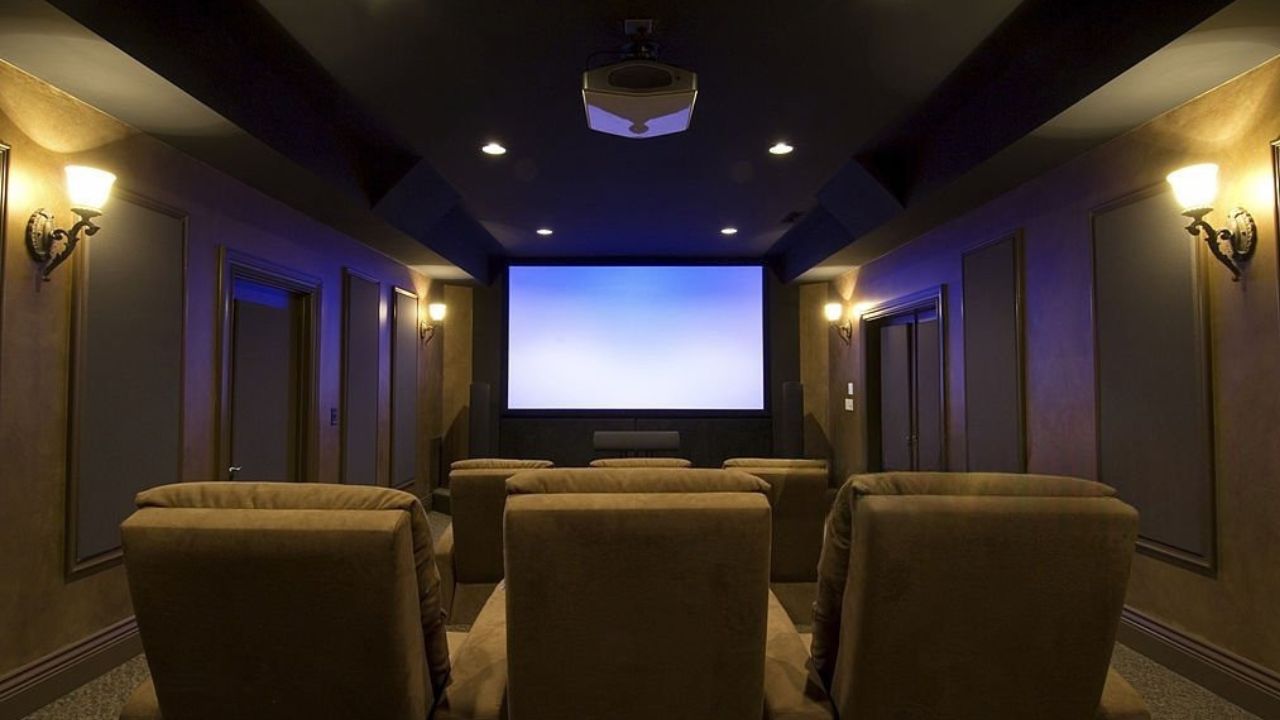
The home-theater phase is back, and it’s changing how people plan basements
Photo credit: EricVega/istock.com
Home theaters are no longer a niche splurge for cinephiles, they are reshaping how you think about unfinished square footage, especially below grade. As streaming, gaming, and hybrid work all compete for your attention, the basement is turning into a dedicated media hub that has to juggle movie nights, sports marathons, and quiet retreats with equal ease. The new home-theater phase is less about copying a multiplex and more about designing a flexible, tech-forward space that anchors how you live at home.
The new home-theater boom and why it lives downstairs
You are living through a second wave of home-theater enthusiasm, but this time it is driven as much by lifestyle as by gear. Instead of a single “TV room,” you are planning for a full media environment that can handle 4K films, next‑gen consoles, and social viewing without taking over the main floor. The basement naturally absorbs that role, giving you separation from everyday traffic and a darker, quieter shell that makes picture quality and sound feel more cinematic from the start.
What is different in 2025 is how you expect that space to perform. You want the convenience of streaming with the fidelity of discs, which is why designers are leaning into a Hybrid Streaming and Physical Media Experience that lets you jump between apps and a curated library without friction. That shift is pulling home theaters out of the “bonus room” category and into the core of basement planning, where wiring, storage, and seating are mapped from day one instead of improvised after the drywall goes up.
From single-purpose cave to Multipurpose Living Spaces
Earlier generations of basement theaters often felt like sealed-off caves, great for a movie but useless the rest of the week. You are now asking more of that square footage, which is why basement design in Feb has tilted toward Multipurpose Living Spaces that can flex between entertainment, work, and play. Instead of a single row of recliners, you might plan a sectional that faces the screen but also works for casual conversation, with a game table or homework nook tucked behind it.
This multipurpose mindset is also changing finishes and lighting. Rather than blacking out every surface, you are seeing warmer palettes, layered sconces, and patterned wall treatments that keep the room inviting when the projector is off, while still controlling reflections during a film. Designers are threading wiring and speaker runs through these more residential finishes so the room reads as a polished lounge, not a tech lab, even as it hides a full surround system and streaming infrastructure in the walls.
Small basements, big screens: right-sizing the room
If you assume you need a sprawling lower level to justify a theater, current projects are proving you wrong. Integrators are showing that a Small footprint can still feel luxurious when you prioritize sightlines, acoustics, and comfort over sheer seat count. By Creating a scaled layout that matches screen size to viewing distance, you avoid neck strain in the front row and wasted pixels in the back.
Low ceilings and tight dimensions, which used to be deal breakers, are now design prompts. Contractors are leaning on Solutions for Low Ceilings and Small Basements such as shallow-profile speakers, short-throw projectors, and wall-mounted screens that avoid bulky soffits. By Creating built-ins along one wall and keeping pathways clear, you can turn what looked like an awkward rectangle into an intimate screening room that still meets code and feels generous in daily use.
Media rooms, not movie bunkers: the multipurpose surge
As your viewing habits spread across films, prestige TV, live sports, and TikTok, the strict “theater only” model is giving way to hybrid media rooms. Market data shows that Multipurpose Media Rooms Surge on Projects, Per CE Pro Home Entertainment Market Research, as homeowners invest in systems that can handle both cinematic surround and casual background audio. You are less interested in a room that only makes sense with the lights off and more in a flexible hub that earns its keep every day.
That shift is influencing everything from furniture to wiring diagrams. You might pair a large OLED or projection screen with a secondary display for stats or gaming, or carve out a corner for VR that shares the same audio system. Integrators are responding by specifying scalable Pro-grade components that can downshift for a Zoom call and then ramp up for a Dolby Atmos mix, all without forcing you to learn a rack full of remotes.
Soundproofing and acoustics: Because Nobody Wants to Hear it Upstairs
Once you move serious audio into the basement, you quickly discover that bass does not respect floor joists. Thoughtful Soundproofing is becoming a baseline expectation, not an upgrade, precisely because Because Nobody Wants to Hear explosions and crowd noise Upstairs when someone is trying to sleep. You are seeing more double-stud walls, insulated ceilings, and solid-core doors specified at the framing stage so the theater can run late without turning into a family negotiation.
Inside the room, the goal is not just isolation but clarity. Designers are leaning on Acoustic treatments that double as decor, with Stylish panels, fabric-wrapped columns, and diffusers integrated into wall patterns. By taming slap echo and bass boom, you can run your system at a lower volume while still hearing dialogue and detail, which further reduces noise bleed into the rest of the house and makes the room more comfortable for long viewing sessions.
Seating, bars, and the social basement
How you sit in the room is just as important as what you watch. Instead of defaulting to a single row of bulky recliners, you are weighing sectionals, loveseats, and modular chairs that support conversation as well as screen time. Guidance on Exploring Seating Options emphasizes Choosing the right mix of recline, lumbar support, and sightlines so every seat feels like the “good” one. Tiered platforms are still popular, but they are now paired with chaise lounges and beanbags that can be reconfigured for kids’ sleepovers or game nights.
The social shift is even clearer at the back of the room, where you are more likely to Combine the theater with an at‑home bar or snack zone. By Transforming part of the basement into a hangout with a counter, undercounter fridge, and bar stools, you turn movie night into an event and make the space more appealing for casual drop‑ins. That hospitality layer is one reason the home-theater phase feels more sustainable this time: the room is not just for watching, it is for hosting.
Projectors, screens, and the nuts and bolts of layout
Once you commit to a basement theater, the technical layout decisions arrive quickly. If you choose a projector, you need to think through throw distance, mounting height, and cable runs before the ceiling is closed. Advice that starts with “If You opt for a projector” underscores how easily a poorly placed unit can cast shadows or land in a walkway. By coordinating joist locations, conduit, and power early, you avoid awkward brackets and exposed wires later.
Screen choice is equally strategic. Fixed-frame screens deliver the best tension and image quality, but in a multipurpose room you might prefer a motorized model that disappears when not in use. Integrators are pairing these with in‑wall and in‑ceiling speakers that, as part of broader Home Theater Design Trends, keep the front wall clean and help the theater feel like part of your living space rather than a bolt‑on. The result is a room where the technology recedes visually even as performance improves.
Lighting, finishes, and That Elevate Your Living Space
Lighting is where many basement theaters either shine or fall flat. You want enough control to darken the room for a film, but also the ability to keep it bright for reading, crafts, or a party. Designers are specifying dimmable LED cans, step lights, and cove strips that you can zone and automate, with recommendations to Choose dimmable LED lights that match your home theater’s design theme. When you tie those circuits into a control system, you can drop into “movie,” “game,” or “cleaning” scenes with a single tap.
Finishes are following the same integrated logic. Rather than treating the theater as a dark anomaly, you are pulling in materials and colors that That Elevate Your Living Space as a whole, from wood paneling and patterned wallpaper to plush carpets that double as acoustic treatment. In 2025, home theater design has moved beyond the black‑box aesthetic, so your basement can host a state‑of‑the‑art home theater without feeling cut off from the rest of your decor.
Smart control, AI, and Bringing the Theatre to You
The final piece of the new home-theater phase is how you control it. You no longer want a stack of remotes and a laminated instruction sheet, you expect the room to respond to your voice or a single app. That is why AI‑driven innovations are gaining traction, tying together lighting, climate, and AV so the system can adjust volume, picture modes, and even seat heating automatically based on what you are watching.
At the same time, you are seeing more designs that truly feel like The Best Theatre Designs for Your Home, Bringing the Theatre to You with motorized curtains, star ceilings, and presets that drop the lights and start the previews at the touch of a button or voice control. When you combine that level of polish with the Combining of streaming and physical media, the basement stops being an afterthought and becomes the place where your daily routines, your technology, and your idea of a night out all converge.
Like Fix It Homestead’s content? Be sure to follow us.
Here’s more from us:
- I made Joanna Gaines’s Friendsgiving casserole and here is what I would keep
- Pump Shotguns That Jam the Moment You Actually Need Them
- The First 5 Things Guests Notice About Your Living Room at Christmas
- What Caliber Works Best for Groundhogs, Armadillos, and Other Digging Pests?
- Rifles worth keeping by the back door on any rural property
*This article was developed with AI-powered tools and has been carefully reviewed by our editors.