Hyundai has a fire-risk recall tied to trailer wiring, and it matters if you park near your house
Photo credit: Tramino/istock.com
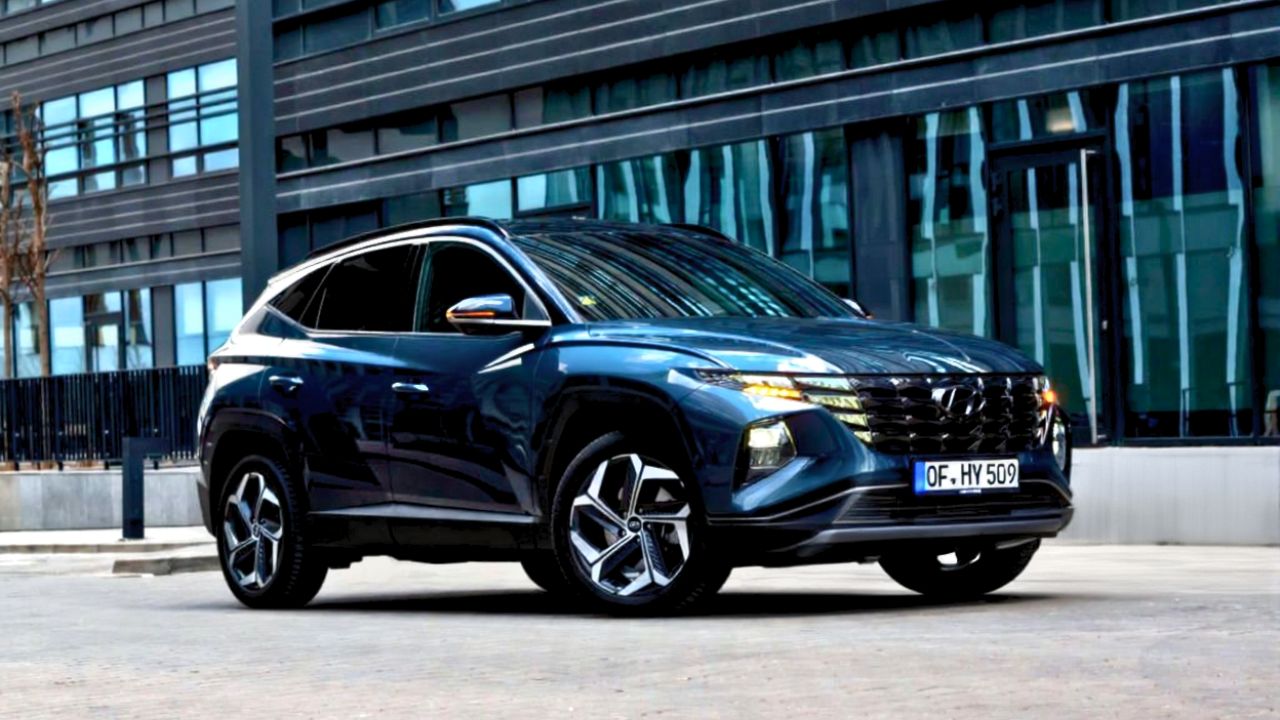
Hyundai’s latest recall is not about how your SUV drives on the highway, it is about what can happen when it is sitting quietly in your driveway. A defect in the trailer wiring for certain Tucson models has created a fire risk that matters a lot if you routinely park close to your house, garage, or other vehicles. If you own a recent Tucson and use, or even just have, a tow hitch, you now need to think about where you leave it as much as how you drive it.
The recall centers on an electrical issue that can start a fire even when the engine is off, which is why you are being urged to park outside and away from structures until repairs are done. It is a reminder that modern vehicles are packed with electronics that keep working long after you pull the key, and when something in that system goes wrong, the safest place for your car may no longer be under your roof.
What Hyundai is recalling and why it affects you at home
The core of the problem is a fire risk tied to the tow hitch wiring on certain Tucson sport utility vehicles that are set up for pulling trailers. Hyundai is recalling over 51,000 vehicles in the United States after regulators were told that the tow hitch harness can create a risk of fire. Separate reporting describes the campaign as covering nearly 52,000 towing suited multipurpose passenger vehicles, specifically Tucson models equipped for trailer duty. That scale means the odds are not trivial that a Tucson on your street, in your driveway, or in your apartment parking lot is affected.
Hyundai is not just worried about what happens while you are towing. The concern is that the wiring harness for the hitch can allow moisture to reach an electronic module, which can then short and overheat even when the vehicle is parked. Because many people park in attached garages or right up against their homes, a fire that starts in the rear of an SUV can quickly spread to a structure. That is why the recall is framed not only as a driving safety issue but as a risk to your property and anyone sleeping a few feet away on the other side of a wall.
How the tow hitch wiring defect can start a fire
At the center of the recall is an optional tow hitch wiring harness that connects your Tucson’s electrical system to a trailer’s lights and, in some cases, power. According to technical descriptions of the defect, if water gets into the harness’s electronic module, it can short out internal connections and cause the trailer wiring to overheat. One detailed account notes that intermittent issues with the trailer lights can be an early symptom before the problem escalates into a potential fire hazard, which is why owners are being warned that the risk is not limited to when they are on the road but can exist while the vehicle is parked and turned off, with the module still energized in the background, as described in coverage of the trailer hitch fire hazard.
That combination of moisture, live power, and confined wiring is what makes this more than a nuisance. If the module overheats enough, it can ignite surrounding materials in the rear of the vehicle, and because the defect can be triggered by something as ordinary as rain, snow, or road spray, you may not see any warning signs before it happens. The fact that the risk persists when the SUV is parked is what turns a towing accessory into a home safety concern, especially if you habitually back into a garage or park with the rear bumper close to a wall or fence.
Which Tucson models are affected and what “towing-suited” really means
The recall is focused on Tucson sport utility vehicles that were built with, or later fitted for, towing duty. Reporting on the campaign specifies that the recall includes model year 2022 through 2024 Tucson multipurpose passenger vehicles that are suited for towing, a group described as nearly 52,000 Tucson SUVs. Another breakdown notes that more than 51,000 2022 to 2024 Tucson SUVs with tow hitch wiring harnesses are covered, and that the issue traces back to how the affected vehicles were built and equipped for towing, as explained in detail in an analysis of the tow hitch wiring harness recall.
“Towing-suited” in this context does not just mean you have a visible hitch receiver. It refers to Tucsons that have the specific Mobis tow hitch wiring harness installed, either at the factory or by a dealer, to power trailer lights and accessories. That means you could be affected even if you have never actually pulled a trailer, as long as the harness is present. Because the recall is tied to that harness and its electronic module, not to the basic structure of the SUV, the risk profile is sharply different between Tucsons with the towing package and those without it, which is why you need to know exactly how your vehicle was configured rather than assuming you are in the clear based on how you use it.
Why Hyundai is telling some owners to park outside
Hyundai’s own messaging to owners underscores how seriously it views the risk of a parked vehicle fire. Hyundai Motor America has told Tucson owners with the affected equipment to park their vehicles outside and away from buildings until a remedy is completed, because the tow hitch wiring harness can overheat and potentially ignite even when the SUV is turned off. In one notice, Hyundai Motor America specifically identified the optional Mobis tow hitch wiring harness on some Tucson vehicles as the component of concern and directed owners to keep their vehicles out of garages and away from structures while they wait for repairs, a warning that has been relayed in coverage of why Tucson owners should park outside.
That instruction is not just legal boilerplate. If a fire starts in a vehicle parked in an attached garage, it can quickly spread into the home before smoke alarms inside ever sound, and if the SUV is parked close to another car, the flames can jump from one to the next. By moving the vehicle into the open, you reduce the chance that a worst case scenario in the wiring harness turns into a house fire or a multi vehicle loss. For you, the inconvenience of parking in the driveway or on the street is a small tradeoff for lowering the risk that an unseen electrical fault in the rear of your Tucson could threaten your home and everyone in it.
How to confirm whether your Tucson is part of the recall
The most direct way to find out if your specific Tucson is affected is to run its Vehicle Identification Number through the federal recall database. The National Highway Traffic Safety Administration maintains a searchable tool where you can enter your VIN and see whether your vehicle is subject to any open safety campaigns, including this one, by visiting the official NHTSA recalls page. That check is free, takes only a few minutes, and is updated as manufacturers file new recall information, so it is worth repeating periodically even if you think you are up to date.
You should also use Hyundai’s own recall lookup, which can provide brand specific detail and owner communication updates. Hyundai offers an online portal where you can enter your VIN to see whether your vehicle is covered by this tow hitch wiring campaign and to get instructions on next steps, which you can access through the company’s campaign home site. If you prefer, you can call your local dealer with your VIN and ask them to check their system, but using both the federal and manufacturer tools gives you the best chance of catching any open issues, especially if you bought your Tucson used and are not sure what options were installed.
What the official defect reports say about the risk
Regulators and the company have both framed the issue as a genuine fire hazard, not a theoretical glitch. According to information provided to the National Highway Traffic Safety Administration, Hyundai reported that the tow hitch wiring harness can allow moisture intrusion that leads to an electrical short and overheating, which in turn can cause a fire in the rear of the vehicle. One summary of the agency’s recall documentation notes that Hyundai told the National Highway Traffic Safety Administration, often referred to as NHTSA, that the affected Tucsons were built with a tow hitch harness that can fail in this way, and that the recall is intended to address that specific risk, as laid out in coverage that cites what the automaker told the National Highway Traffic Safety Administration.
Broader reporting on the campaign has described it as a recall of more than 50,000 vehicles due to a fire risk, with Hyundai and NHTSA both emphasizing that the vehicles should be parked outside until repairs are made. Another account characterizes the action as Hyundai recalling more than 51,000 vehicles in the United States over the risk of fire, and notes that the company will fix the problem free of charge. Taken together, those official descriptions make clear that this is not a minor software update but a safety defect that regulators consider serious enough to warrant strong warnings about where you park.
Why this recall stands out among other safety campaigns
Vehicle recalls are common, and many involve parts or software that only matter in specific driving situations, such as airbag deployments or stability control behavior. What makes this Tucson campaign stand out is that the risk exists when the vehicle is stationary, which turns a typical automotive safety issue into something that feels more like a home fire concern. In roundups of recent safety actions, the National Highway Traffic Safety Administration’s recall lists include a wide range of issues, from bus equipment problems identified under NHTSA Recall ID 25V895 for a manufacturer called Coach and Equipment Mfg. Corp, to passenger vehicle defects, and owners are reminded that they can use those listings to schedule a free repair when their vehicle is affected, as explained in a consumer guide to the auto safety recall derby.
In that broader context, Hyundai’s instruction to park outside is a relatively rare and attention grabbing step that signals a higher level of concern. While other recalls might ask you to avoid using a specific feature until it is fixed, this one asks you to change how you store the vehicle itself, because the tow hitch wiring harness can pose a risk even when you are not behind the wheel. For you as an owner, that difference matters, because it means the recall is not just about your safety on the road but about protecting your home, your neighbors, and any other vehicles parked nearby.
What Hyundai and dealers will do to fix the problem
Hyundai has told regulators that it will repair the affected vehicles at no cost to owners, which is standard practice for safety recalls but especially important here given the potential severity of the outcome. The company’s plan typically involves inspecting the tow hitch wiring harness, adding improved protective measures against moisture, and, where necessary, replacing components that show signs of damage or are built to the older, riskier specification. In its communication with the National Highway Traffic Safety Administration, Hyundai has committed to notifying owners and coordinating with dealers so that the remedy can be carried out promptly as part of the official recalls process.
For you, that means the next step after confirming that your Tucson is affected is to schedule an appointment with a Hyundai dealer, who will perform the repair free of charge. You should expect the work to focus on the Mobis tow hitch wiring harness and its electronic module, since that is the component identified as the source of the fire risk. Until that appointment is completed, Hyundai’s guidance to park outside and away from structures remains in effect, and you should treat it as a firm safety recommendation rather than a suggestion, especially if you live in a building where a vehicle fire could quickly affect multiple households.
How to manage the risk until your Tucson is repaired
While you wait for your repair appointment, you can take a few practical steps to reduce your exposure to the tow hitch wiring issue. First, follow Hyundai’s instruction to park your Tucson outside and away from buildings or other vehicles, ideally in an open area where a fire would be less likely to spread. Second, pay attention to any unusual behavior from your trailer lights or rear electrical systems, such as flickering or intermittent operation, which have been described as possible early signs of trouble in accounts of the hitch fire hazard, and avoid towing if you notice anything out of the ordinary.
You should also make sure that your contact information is up to date with Hyundai so that recall notices reach you promptly, especially if you bought your Tucson used or moved since the purchase. If you live in a multi unit building or share a driveway, consider letting neighbors know that your vehicle is under a fire related recall and that you are following the guidance to park away from structures, so they understand why you might be using a different space than usual. Those small steps, combined with a prompt repair once parts and appointments are available, will help you navigate the recall period with as little added risk as possible while still using your vehicle for daily life.
Like Fix It Homestead’s content? Be sure to follow us.
Here’s more from us:
- I made Joanna Gaines’s Friendsgiving casserole and here is what I would keep
- Pump Shotguns That Jam the Moment You Actually Need Them
- The First 5 Things Guests Notice About Your Living Room at Christmas
- What Caliber Works Best for Groundhogs, Armadillos, and Other Digging Pests?
- Rifles worth keeping by the back door on any rural property
*This article was developed with AI-powered tools and has been carefully reviewed by our editors.