Attic fan motor fire hazards are still catching homeowners off guard, especially in older installs
Photo credit: Supersmario/istock.com
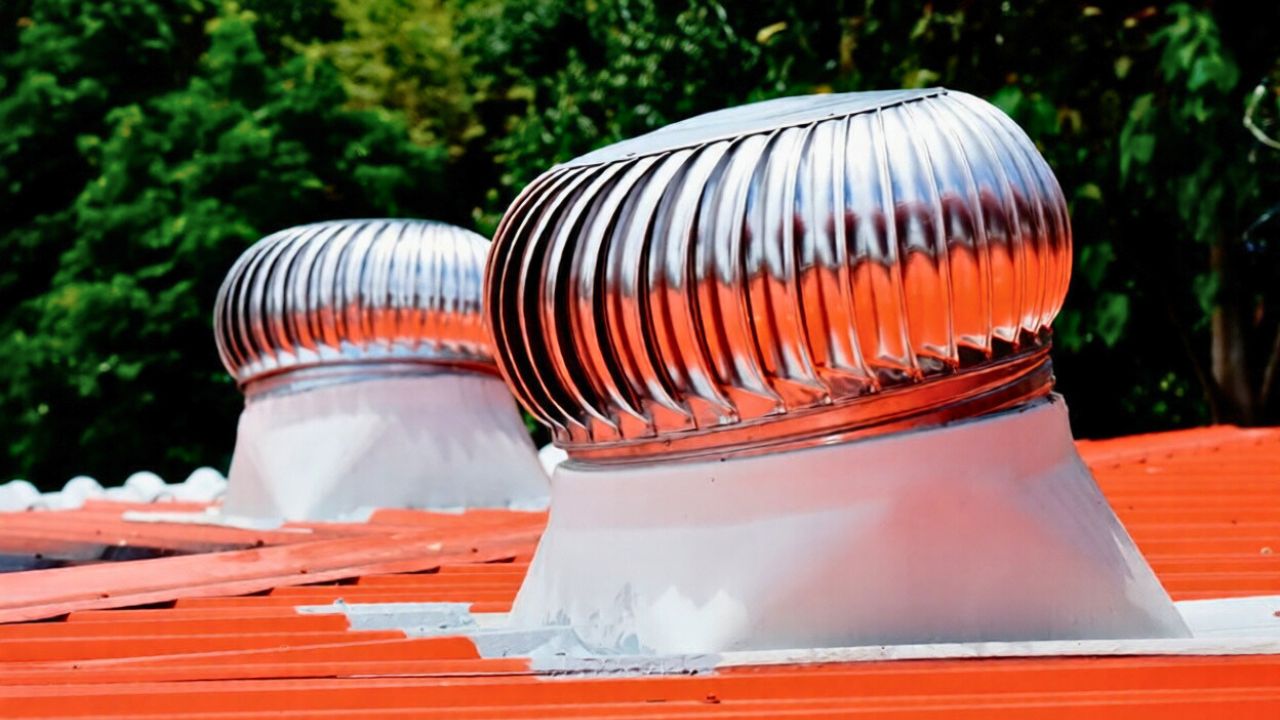
Attic fans are supposed to quietly protect your roof and your cooling bills, not threaten your rafters with a hidden ignition source. Yet a wave of fire reports and a massive recall of attic fan motors has exposed how easily an aging or overlooked unit can turn into a serious hazard, especially in older homes where wiring and insulation are already stressed. If you own a house with a gable or roof-mounted fan, you are now squarely in the middle of a safety story that is still unfolding.
The risk is not abstract. Federal fire data show that electrical problems in attics are a leading trigger for residential blazes, and recent recall notices describe motors that can overheat and ignite while simply running on a summer afternoon. The danger is that you may never hear the warning signs from the floor below, which is why understanding how these fans fail, and what you can do about it, has become a practical part of owning an older installation.
Attic fires are more common, and more electrical, than you think
When you picture a house fire, you probably think of a kitchen or a living room, not the cramped void above your ceiling joists. Yet federal data show that attics are a disproportionate ignition point, in part because they are small, packed with combustible material, and rarely inspected. One analysis notes that Because attics are often small and frequently go unnoticed or unvisited, FEMA has estimated that nearly 43% of any fire started in an attic was caused by electrical overload. That is a staggering share for a part of the house you almost never enter.
Digging deeper into attic-specific statistics, federal fire researchers have found that Electrical malfunction is the leading cause of residential building attic fires, accounting for 43 percent, followed by natural fires at 16 percent. When you combine that with the fact that attic fans are one of the few powered devices routinely operating in that space, often for hours at a time in high heat, it becomes clear why a motor that runs too hot or draws too much current is not just a nuisance but a direct contributor to the statistics.
The recall that jolted attic fan owners awake
The abstract risk of electrical malfunction became very concrete when regulators and manufacturers acknowledged that millions of attic fan motors in service today have a documented fire problem. A nationwide recall was issued for about 2.9 m of Air Vent‘s electric motors used in gable and roof-mounted attic fans, after reports that the units could overheat and ignite while in use. Separate coverage described how The Brief noted that Millions of electric motors for attic fans were affected, tying the issue to products distributed out of Dallas and installed across the country.
Regulators did not mince words about the urgency. One notice emphasized that you should Close and immediately stop using a recalled item because the Consumer Product Safety Commission warned it posed a fire hazard while in use. Another summary explained that the affected motors, which were sold through major home improvement retailers, were part of a recall of FOX Business Flash top headlines and that the Check showed the recalled motors ranged from $74 to $92, underscoring how a relatively inexpensive component can carry outsized risk.
What the Air Vent fire numbers really say about risk
Behind the recall headlines are hard numbers that should change how you think about the fan spinning above your ceiling. One report noted that Nearly three million attic fan motors sold nationwide are being recalled after more than 150 reports of fires, tying the issue directly to products distributed by Air Ven. Legal filings have echoed those figures, explaining that Sep litigation centers on how Air Vent recalled about 2.9 m attic fan motors after 159 reports of fires, electrical short-circuiting, or burning odors. Those are not theoretical lab failures, they are real-world incidents in occupied homes.
Regulators have spelled out the mechanism in plain language. A detailed bulletin explained that Electric Motors for Gable and Roof Mounted Attic Fans Recalled Due to Fire Hazard were Distributed by Air Vent, and that affected homeowners are entitled to contact the company named in the Name of Product notice for a refund. A separate consumer segment, captured in a Sep video titled “Attic Fan Motor Recall 8/2025 #25-451,” walked through the recall details and underscored how many of the affected units were installed years ago, which means you may be living with a recalled motor without realizing it.
Why older attic fan installs are especially vulnerable
Even if your specific motor is not on a recall list, age alone can push an attic fan into the danger zone. Guidance on bathroom exhaust fans, which share similar small motors and housings, warns that Older fans are more susceptible to electrical failures, and that the risk increases as they age. The same logic applies in your attic, where heat, dust, and vibration accelerate wear on bearings, insulation, and wiring, especially in installations that predate modern thermal protection standards.
Fire agencies have also drawn a straight line between neglected fan housings and ignition. One safety bulletin on bathroom exhaust units explains that if you have a bathroom exhaust fan in your home, you should clean it twice a year, and that if it starts to make noises or smells odd, it is time to replace it. A companion warning notes that However, they can also present a potential fire hazard if not cleaned and maintained on a regular basis, because Over time, fans build up lint that can ignite on the motor, blades and the nearby combustible wood structure. Swap “bathroom” for “attic,” add blown-in insulation and dry roof decking, and you have a nearly identical hazard profile.
Warning signs your attic fan motor is in trouble
The challenge with attic fans is that you rarely see them, so you have to rely on indirect clues. HVAC and electrical pros consistently flag Unusual Noises from the attic as a first red flag, noting that Even though you might not spend much time in your attic, grinding, squeaking, or rattling can signal a malfunctioning attic fan that creates potential safety hazards. A separate guide on Key Takeaways for common attic fan problems urges you to Detect attic fan problems early by checking for power loss, loud noises, weak airflow, continuous running, and other changes in behavior that can precede a failure.
Motor specialists also point to heat and smell as critical clues. A breakdown of Recognizing Motor Malfunctions in ceiling fans explains that Humming Noises and Overheating, along with Unusual buzzing or a housing that is hot to the touch, indicate potential overheating and electrical issues. Another checklist for HVAC equipment notes that Mar guidance to Let homeowners spot Weak Airflow
How dust, stalling and poor maintenance turn heat into flame
Even a well-designed motor can become hazardous if it is choked with debris or forced to work against resistance. Fan engineers warn that Inadequate maintenance negates proper system design benefits and increases axial fan stalling risk, and that Neglecting regular upkeep leads to various issues including overheating and vibration. In an attic, where insulation can drift into the housing and wind-driven dust coats every surface, that neglect can quickly turn a smooth-running fan into a grinding, current-hungry load.
Fire prevention specialists have seen the same pattern in bathrooms, where small fans run for years without a second thought. One advisory notes that However, dust and lint can build up over time inside the fan itself, increasing the risk of fire, especially if the fan is left running for long periods. When you combine that with the earlier warning that lint can ignite on the motor and nearby wood, the picture is clear: a neglected attic fan, buried in insulation and running on a hot afternoon, is operating in conditions that electrical safety experts already flag as combustible.
Routine maintenance that actually reduces fire risk
The good news is that you can meaningfully cut your risk with a few deliberate habits. A practical guide to attic fan care explains that Sep advice starts with “Here’s a guide” to Clean the Fan Blades and Housing, emphasizing the Frequency of cleaning and checking for noises that could indicate a problem. Clearing dust from blades and louvers, tightening mounting hardware, and verifying that shutters open freely all reduce the load on the motor and the chance of stalling or overheating.
Safety protocols matter just as much as the cleaning itself. A step by step attic gable fan guide stresses Oct instructions under “Safety First: What to Do Before Maintenance”, urging you to Before you begin, Turn Off Power at the breaker and avoid resting tools on insulation or rafters directly. That kind of disciplined approach not only protects you from shock while you work, it also forces you to treat the fan as a serious electrical appliance rather than a forgotten background device.
When replacement beats repair, especially after a recall
Once you factor in the recall and the age of many attic fans, there is a strong argument for replacement instead of patchwork repairs. Safety notices have made it clear that Source guidance from the Consumer Product Safety Commission is to stop using recalled motors immediately and pursue a remedy, not to keep them running while you wait. The recall bulletins spell out that affected homeowners can contact the manufacturer identified in the Electric Motors for Gable and Roof Mounted Attic Fans Recalled Due notice to obtain a refund or replacement, which means you do not have to choose between safety and cost.
Broader fan safety guidance also suggests that if your unit is old enough to predate modern protections, swapping it out is a smart move even if it is not on a recall list. One overview of attic fan risks explains that Jun analysis of The Potential Fire Hazards of Attic Fans points to Electrical Issues and Faulty Installations as key drivers of risk, and notes that Comfort and safety at home both depend on addressing those vulnerabilities. When you weigh the price of a new, thermally protected motor against the cost of even a small attic fire, replacement starts to look less like an upgrade and more like basic risk management.
Like Fix It Homestead’s content? Be sure to follow us.
Here’s more from us:
- I made Joanna Gaines’s Friendsgiving casserole and here is what I would keep
- Pump Shotguns That Jam the Moment You Actually Need Them
- The First 5 Things Guests Notice About Your Living Room at Christmas
- What Caliber Works Best for Groundhogs, Armadillos, and Other Digging Pests?
- Rifles worth keeping by the back door on any rural property
*This article was developed with AI-powered tools and has been carefully reviewed by our editors.