Predator rifles that run dirty and still keep grouping
Photo credit: Slatan/istock.com
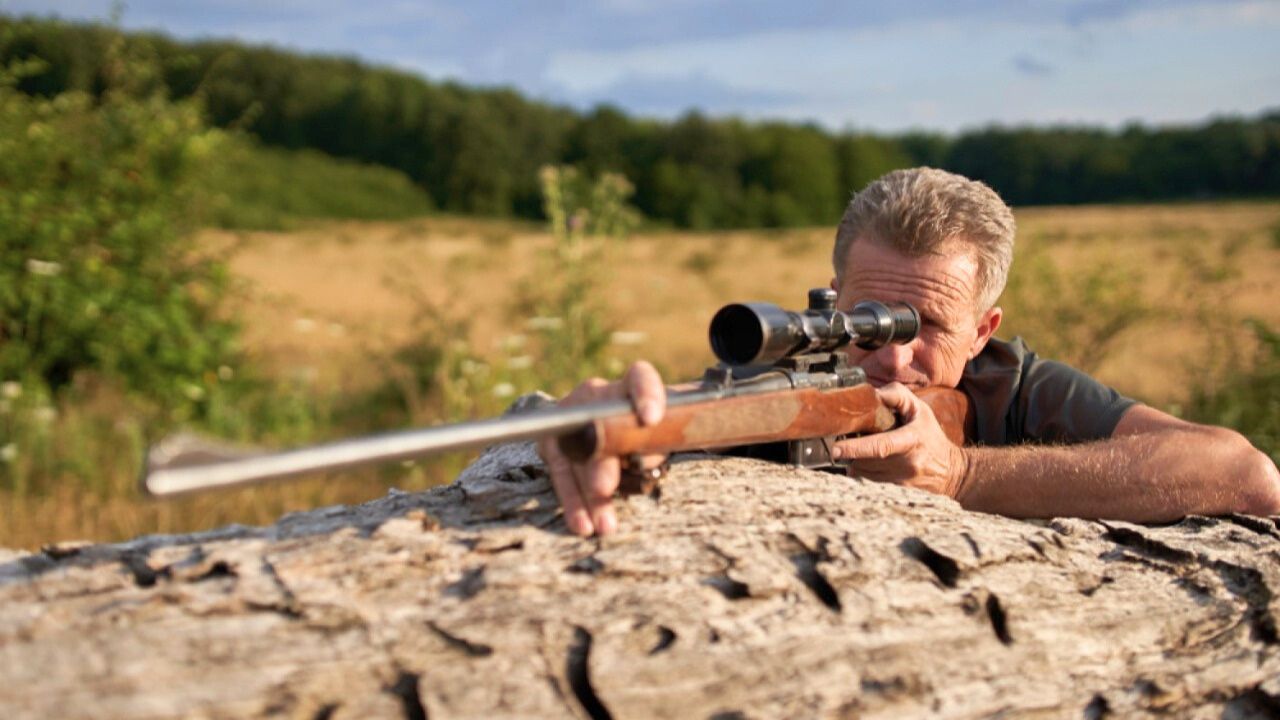
Predator hunting rewards rifles that keep stacking tight groups even after a long night of calling, crawling, and shooting in dust and cold. You are not looking for a safe-queen that only shines after a meticulous cleaning, you need a tool that tolerates fouling and still prints where you aim. That balance between rugged reliability and repeatable precision is what separates a dependable predator rig from a frustrating one.
Why “running dirty” matters in predator country
On a typical stand, you might fire only a shot or two, but over a winter of calling, those rounds add up, and you will not always have the luxury of a bench, a vise, and a full cleaning kit. Coyotes and foxes show up when the wind, terrain, and timing finally line up, not when your barrel is freshly scrubbed. A rifle that holds its zero and keeps grouping after dozens of fouling rounds lets you stay focused on reading the terrain and the animal, instead of worrying whether the next shot will wander out of the vitals.
Running a rifle slightly fouled can even stabilize point of impact, as long as the barrel and ammunition are consistent. Many experienced shooters treat a “seasoned” bore as the normal operating condition and only chase bare-steel cleanliness when accuracy starts to slide. In predator hunting, where you may hike miles between stands and shoot from improvised rests, that stability is more valuable than a theoretical edge from a spotless bore that shifts after the first few shots.
What a dirty-tolerant predator rifle actually looks like
When you talk about a rifle that keeps grouping while dirty, you are really talking about a system that manages heat and fouling without sudden changes. A stiff, quality barrel with a sensible contour, a stable stock that does not warp with temperature, and a solid bedding job all help the rifle shrug off the minor changes that carbon and copper introduce. You want a bolt that cycles smoothly even when dust and unburned powder get into the raceways, and a trigger that does not pick up grit or moisture and change pull weight between the truck and the field.
Modern predator rifles often lean on lightweight materials and thoughtful chamberings to achieve that balance. For example, the 110 Carbon Predator is built around a carbon wrapped barrel and a proven action, giving you a light rifle that still behaves like a heavier gun when it comes to harmonics and repeatability, which is exactly what you want when you are calling in open country where precision is key, and the number 110 itself has become shorthand for a long track record of accurate factory rifles.
How fouling really affects accuracy
Once you get past marketing claims, the way a dirty barrel affects accuracy is highly individual, and that is where real-world shooter experience becomes valuable. Some barrels tighten up after a few fouling shots, then hold a steady point of impact for dozens of rounds, while others start to throw flyers as soon as copper builds up in the throat. As one New member on a predator forum put it, accuracy simply Depends a lot upon the individual barrel and cartridge, and there is no single round-count rule that fits every rifle.
For predator work, that variability means you need to learn your own rifle’s fouling curve instead of copying someone else’s cleaning schedule. If your groups stay tight for fifty rounds and then slowly open, you can plan to clean long before you hit that wall. If you see a sharp change after a dozen shots, you know you are dealing with a more sensitive barrel and may want to adjust your load, your cleaning products, or even the rifle itself. The key is to track group size and point of impact over time so you are not guessing in the dark when a coyote finally hangs up at the edge of your effective range.
Clean versus dirty: finding your rifle’s sweet spot
Many hunters discover that their rifles actually shoot best with a lightly fouled bore, which is why you should think in terms of a “sweet spot” rather than a binary clean or dirty state. One long running discussion of clean barrel versus dirty barrel accuracy makes this point clearly, with seasoned shooters advising you to treat shooting as a hobby and to take it to the level that makes you satisfied, while also noting that during the p. dog wars they shot a lot and learned how their rifles behaved over long strings, advice summed up in the simple reminder to Remember that you can back off, enjoy a camp, and still be happy with your results.
For predator hunting, that mindset translates into practical testing rather than dogma. You can start with a clean barrel, fire a few fouling shots, then shoot groups every ten rounds while logging conditions and impacts. Over time, you will see where your rifle settles into a consistent pattern and where it starts to drift. Once you know that window, you can schedule cleaning around your hunting calendar, not the other way around, and you will have confidence that your rifle is in its preferred state when you step out of the truck at midnight with a call and a red light.
Why some rifles actually prefer a fouled bore
There is a technical reason some rifles seem to “wake up” after a few rounds and then hold that performance for a long stretch. A slightly fouled bore can smooth out microscopic tool marks, create a more uniform surface for the bullet to ride, and stabilize the way pressure builds as the powder burns. One experienced long range shooter framed the debate as “to clean or not to clean” and argued that a fouled or seasoned barrel can be more consistent, while also acknowledging that there are always exceptions, a perspective shared in a discussion of why some rifles shoot better dirty that was posted in Oct.
For you as a predator hunter, the takeaway is not that cleaning is bad, but that over cleaning or using harsh methods can reset or even damage that seasoned surface. Aggressive solvents, bronze brushes, and frequent trips to bare metal can introduce more variability than they remove, especially in a rifle that already holds tight groups through a reasonable number of shots. If your rifle consistently prints sub minute of angle groups after a short fouling sequence and stays there for the length of a typical night hunt, you are better served by preserving that state than chasing an ideal of laboratory cleanliness that does not translate to more fur on the ground.
Rifles and cartridges that stay consistent when the round count climbs
Some factory rifles have earned reputations for holding accuracy over long strings, which is exactly what you want when you are calling multiple stands or shooting opportunistic targets between predators. A survey of the 10 Most Accurate Rifles We have Ever Tested, which also highlights the Plus side of the Most Accurate Rifle Cartridges, points to models like the Seekins Precision Havak Pro as examples of factory guns that deliver repeatable precision without constant tinkering, and that kind of track record matters when you are choosing a platform that will see real field use rather than just range days, especially if you are stretching shots in open country where misses are obvious and unforgiving Seekins Precision Havak Pro.
Cartridge choice also plays a role in how quickly a barrel fouls and how sensitive it is to that fouling. Overbore rounds that push light bullets very fast can erode throats and build copper quickly, while more moderate cartridges often give you a longer stable window. In the .30 caliber world, for example, some hunters look to an Upgrade pick like the Sako 90 Quest when they want a .30-06 that balances power, barrel life, and accuracy, and that same logic applies when you are choosing between a hot .22 centerfire and a milder option for predators. The goal is not just raw speed, but a combination of performance and consistency that holds up after a long winter of calling.
Real-world fouling failures and what they teach you
Not every rifle handles fouling gracefully, and those problem cases are instructive. One shooter working with a Ruger All American in 308 reported that the barrel seemed to foul out in 12 rounds, with groups getting worse as copper and carbon built up, a pattern that makes it hard to trust the rifle for any kind of extended session or multi stand night, especially when you are counting on first round hits on small targets at distance Ruger All American.
If you find yourself in a similar situation, you have a few options before giving up on the rifle. You can experiment with different bullet jackets and powders that may foul less aggressively, adjust your cleaning regimen to remove copper more thoroughly between sessions, or even have a gunsmith inspect the bore for rough spots that could be lapped or re crowned. However, if a rifle continues to lose accuracy after a short string despite your best efforts, it may simply not be the right tool for predator work where you need confidence that your point of impact will not shift halfway through a night of calling.
Predator specific platforms that carry accuracy into the field
Purpose built predator rifles often start with the assumption that you will be hiking, shooting from improvised rests, and dealing with weather that is hard on metal and optics. A lighter bolt action with a sporter style stock and a light or medium contour barrel can be easier to carry and quicker to mount, while still offering the stiffness and bedding you need for repeatable groups. The Mossberg MVP Predator is a good example of this philosophy, pairing a manageable profile with chamberings like .223 and .22-250 that are proven on coyotes and foxes without punishing recoil.
When you combine that kind of platform with a barrel that holds its zero through a reasonable amount of fouling, you get a rifle that feels at home in the truck, on a bipod in a cut field, or across shooting sticks in the sage. You can focus on wind calls, animal behavior, and shot angles, knowing that your rifle is not going to surprise you just because you have already taken a few shots that night. That confidence is what lets you make ethical decisions quickly when a predator hangs up at the edge of your comfort zone.
Building a load and maintenance routine that keeps groups tight
Even the best rifle will not perform at its potential if the ammunition is inconsistent or your maintenance routine is erratic. Precision reloaders chase the same qualities you need in a predator rig, namely Consistent Performance from shot to shot so that Each casing behaves predictably and does not introduce new variables as the barrel fouls, a standard that is highlighted in premium brass like Peterson Cartridge 6.5-284 Norma, which is produced with the precision and reliability that long range shooters demand for consistent results shot after shot Consistent Performance.
For your predator rifle, you can borrow that mindset even if you never touch a reloading press. Choose factory ammunition that has a reputation for low extreme spreads and good terminal performance, then stick with it long enough to understand how it behaves as the barrel fouls. Pair that with a cleaning routine based on your rifle’s actual fouling curve, not a calendar, and you will end up with a system that holds its zero and its group size through the kind of real world use that predator hunting demands, even when the barrel is far from spotless.
Like Fix It Homestead’s content? Be sure to follow us.
Here’s more from us:
- I made Joanna Gaines’s Friendsgiving casserole and here is what I would keep
- Pump Shotguns That Jam the Moment You Actually Need Them
- The First 5 Things Guests Notice About Your Living Room at Christmas
- What Caliber Works Best for Groundhogs, Armadillos, and Other Digging Pests?
- Rifles worth keeping by the back door on any rural property
*This article was developed with AI-powered tools and has been carefully reviewed by our editors.