A garment steamer recall is a reminder, hot water leaks can cause serious burns in a second
Photo credit: YuryGulakov/istock.com
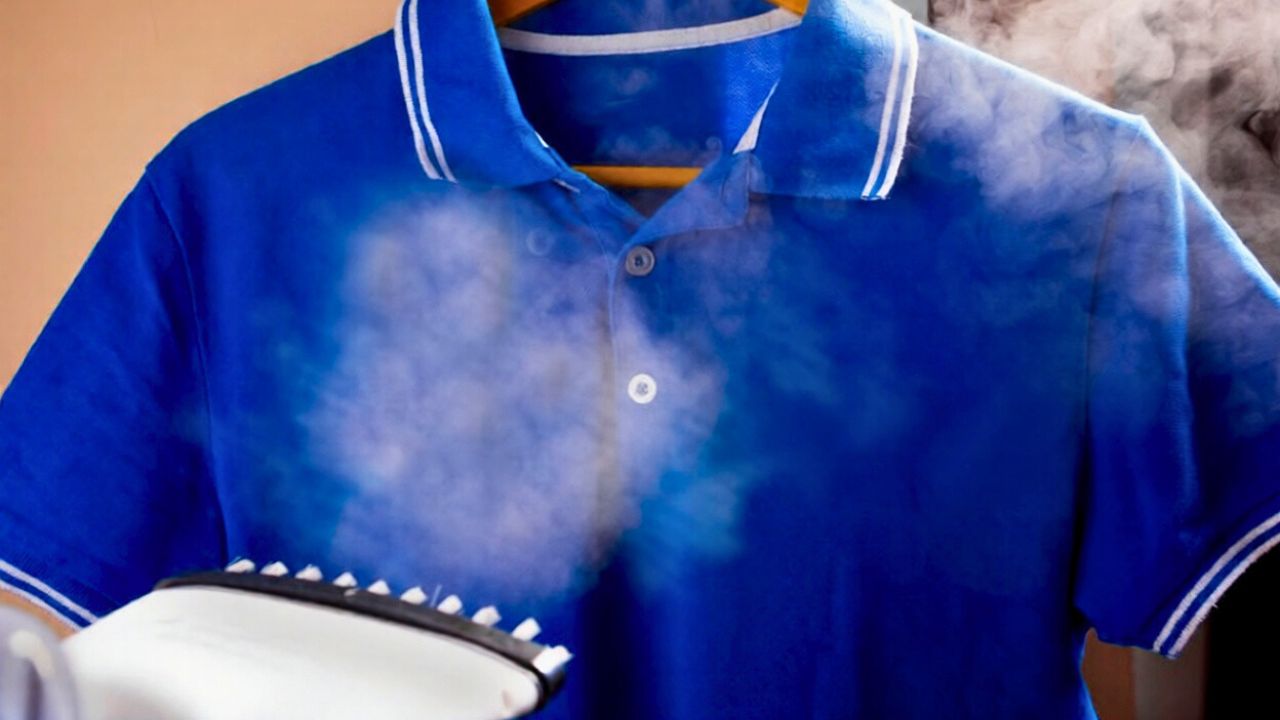
Garment steamers promise quick, polished clothes without hauling out an ironing board, but a growing list of recalls is a blunt reminder that a jet of hot water can permanently scar skin in a second. When a steamer leaks, spits, or sprays boiling water instead of controlled vapor, the result is not a minor mishap, it is a serious burn hazard for you and anyone standing nearby. Treating these devices with the same respect you give a stove or kettle is no longer optional, it is basic self‑protection.
From convenience gadget to recalled hazard
You probably bought a garment steamer for speed, not danger, yet several popular models have now been pulled from the market because they turned into burn risks in ordinary use. Federal safety officials have documented cases where handheld units leaked or sprayed hot water, turning a routine pass over a shirt into an emergency, and those incidents are what pushed regulators and manufacturers into formal recalls. The pattern is clear: when design, manufacturing, or quality control fall short, the margin between convenience and injury disappears.
In one major case, regulators reported that certain Black and Decker units could expel, spray, or leak hot water during normal operation, a defect that led Empower Bra to expand a recall to cover about two million garment steamers. More recently, Sanven Technology agreed to recall VEVOR Garment Steamers after reports that the devices could leak or spit hot water, a flaw that regulators said created a risk of serious injury for users and bystanders, and that recall now sits alongside other affected models in the Consumer Product Safety Commission’s dedicated page for clothes steamers.
The VEVOR Garment Steamers case
The VEVOR Garment Steamers recall is a particularly stark example of how quickly a household tool can cross the line into danger. According to federal safety officials, the recalled VEVOR units are garment steamers used to remove wrinkles from clothing and textiles, but the problem is that the steamers can leak or spit hot water, which turns a routine de‑wrinkling session into a direct burn threat. The recall notice explains that the water tank and internal components can fail in a way that sends scalding liquid out of the device instead of controlled steam.
Regulators described the Hazard in blunt terms, warning that the steamers can leak or spit hot water, posing a risk of serious burn injury to users and bystanders. The recall details identify these products as VEVOR Garment Steamers with a power switch on the handle, and the same notice instructs consumers to stop using the units immediately and contact the company for a remedy, a step echoed in legal outreach that frames the situation as a potential Garment Steamer Lawsuit issue for injured users.
Burns, scars, and the human cost behind the recall
Behind every recall notice is a person who was close enough to feel the heat, and the VEVOR situation is no exception. Reporting on the case describes users who suffered burns and permanent scars when their VEVOR garment steamer malfunctioned, with some injuries severe enough to leave lasting marks on arms, hands, and other exposed skin. Those accounts underline that this is not a theoretical engineering flaw, it is a real‑world pattern of harm that can alter how you move, work, or even dress.
One detailed account notes that a VEVOR garment steamer, marked with the white casing and orange lettering that reads VEVOR and the slogan TOUGH TOOLS, HALF PRICE on the side, was among the models linked to burns and permanent scars after being sold from December 2023 through September 2025, a span that put thousands of units into homes before the problem was widely understood. That reporting on burns and permanent scars is echoed by legal advocates who now describe VEVOR Garment Steamers as products that have been recalled after causing serious injuries to users and bystanders, a framing repeated in a separate Recall Alert that warns of a Burn Hazard and urges affected consumers to act.
Black and Decker and the scale of the problem
If you assume this is a niche issue tied to one brand, the Black and Decker recall should change your mind. Earlier this year, Empower Bra expanded a recall to cover about two million Black and Decker garment steamers after reports that the devices could expel, spray, or leak hot water during use, a defect that regulators again labeled a burn hazard. The sheer volume of affected units shows how a single design or manufacturing problem can ripple across millions of households.
Regulators explained that the recalled Black and Decker units were sold both online and in stores, and consumer guidance now stresses that you should check the model number on the bottom of the color package to see if your device is affected, a step detailed in a consumer advisory on what garment steamers are affected. Legal advocates have also highlighted that Black and Decker Garment Steamers were among the products recalled after burn reports, noting that these units were sold through major retailers and online platforms such as .com and other stores, a point underscored in a broader Clothing Steamer Lawsuit overview that explains What You Can Do and How We Can Help if you were injured.
Cheaper mini steamers and the Amazon marketplace
The risk is not limited to big brand names, and some of the most troubling warnings now involve smaller, cheaper mini steamers sold through online marketplaces. Federal safety officials have singled out Uomeod Mini Steamers, urging consumers to stop using them immediately because they pose a risk of burn injury from hot water. The warning explains that these compact devices, marketed as travel‑friendly solutions, can still send boiling water onto your hands or torso if the internal systems fail.
In a formal alert, the Consumer Product Safety Commission stated that Uomeod Mini Steamers sold on Amazon should no longer be used, stressing that They pose a risk of burn injury from hot water and that Consumer Action should be to unplug and discard the units rather than risk another use. The same warning, which appears under the agency’s burn hazard section, is part of a broader pattern in which the CPSC urges consumers immediately to stop using Uomeod Mini Steamers due to Burn Hazard, a message laid out in detail in its notice on Uomeod Mini Steamers that were sold on Amazon.com.
HSN, HSN shoppers, and other retail recalls
Television and online retail channels have not been immune to these problems, and if you bought a steamer during a live demonstration, you should double‑check your model. A hand‑held steamer sold on HSN has been recalled because it could burn users, with reports that the device could hit people with steam or hot water during normal operation. The recall notice explains that the Consumer Product Safety Commission coordinated with the retailer to alert buyers and arrange remedies, a reminder that even products showcased in polished studio segments can carry hidden risks.
The advisory on steamers sold on HSN notes that the affected units could burn users with steam or hot water, and that the Consumer Product Safety Commission worked with the company on a Recall alert to reach as many customers as possible. That same pattern appears on the CPSC’s central page for Recall Details involving clothes steamers, where you can see descriptions of recalled products, including VEVOR Garment Steamers, and information on where they were sold and how to file a Recall Complaint if you were affected.
Why hot water burns are so devastating
When a steamer fails, the physics of hot water work against you. Unlike a brief brush with dry heat, scalding liquid clings to skin and fabric, transferring energy for longer and driving damage deeper into tissue. That is why a split second of contact from a leaking steamer can cause second or third degree burns, especially on thin skin around the hands, wrists, chest, or thighs where you are most likely to be holding or bracing clothing.
Legal and medical analyses of steamer injuries stress that burn wounds from these devices can lead to long‑term scarring, nerve damage, and a heightened risk of infection, particularly when the hot water soaks through clothing and stays in contact with skin. One overview of Millions of handheld garment steamers recalled due to burn risk explains that the dangers of burn injuries include not only immediate pain but also a significant risk of long‑term scarring and the need for ongoing care, a point that is spelled out in detail in a consumer‑focused discussion of the dangers of burn injuries tied to Millions of handheld Garment steamers.
How to check if your steamer is part of a recall
Given the number of affected models, you should treat recall checks as a basic safety step, not an optional chore. Start by unplugging your steamer and looking for the brand name, model number, and any visible slogans or markings on the body and packaging, details that can help you match your unit to recall notices. Once you have that information, search the Consumer Product Safety Commission’s database for garment steamers and compare your model to the listed descriptions, paying attention to features like a power switch on the handle or specific color schemes.
The CPSC’s dedicated page for clothes steamers includes Recall Details and a Description for each affected product, including VEVOR Garment Steamers used to remove wrinkles from clothing and textiles, along with information on where the recalled steamer was sold and how to submit a Recall Complaint. For VEVOR units specifically, the recall notice on Sanven Technology Recalls VEVOR Steamers explains that the recalled units are VEVOR Garment Steamers with a power switch on the handle, and it instructs you to stop using them immediately and follow the listed steps to obtain a refund or replacement.
What to do if you are burned or own a recalled unit
If a steamer leaks or sprays hot water on you, your first priority is medical, not paperwork. Cool the burn under running water, remove any soaked clothing that is not stuck to the skin, and seek professional care if the area is large, blistered, or on your face, hands, or joints. Once you are safe, document the incident with photos of the device, the injury, and any packaging or receipts, because that record can help you navigate both recall remedies and any legal options you may consider.
For owners of recalled units, regulators consistently advise you to stop using the product immediately and contact the manufacturer or retailer for a refund, replacement, or repair, instructions that are spelled out in recall notices for VEVOR Garment Steamers and Black and Decker units alike. Legal resources such as The Schmidt Firm, PLLC explain that they are currently accepting clothing steamer injury cases and outline What You Can Do and How We Can Help if you were hurt by a defective device, framing the issue as a broader Clothing Steamer Lawsuit landscape that includes Black and Decker Garment Steamers Recalled from .com and other stores. Separate legal outreach focused on VEVOR Garment Steamers sold online by Amazon and Home Depot reinforces that these products have been recalled after causing serious injuries, and that injured users may have recourse through a dedicated VEVOR Garment Steamer Lawsuit process.
Like Fix It Homestead’s content? Be sure to follow us.
Here’s more from us:
- I made Joanna Gaines’s Friendsgiving casserole and here is what I would keep
- Pump Shotguns That Jam the Moment You Actually Need Them
- The First 5 Things Guests Notice About Your Living Room at Christmas
- What Caliber Works Best for Groundhogs, Armadillos, and Other Digging Pests?
- Rifles worth keeping by the back door on any rural property
*This article was developed with AI-powered tools and has been carefully reviewed by our editors.