The winter vomiting bug is circulating, the home sanitizing steps that actually help
Photo credit: Bojan89/istock,com
Norovirus, often nicknamed the winter vomiting bug, is once again moving through schools, offices, and households, and it thrives on the kind of close contact that defines colder months. You cannot stop every exposure, but you can sharply cut your odds of getting sick, or infecting the rest of your home, by focusing on the cleaning and disinfection steps that actually work against this unusually tough virus. That means understanding where norovirus hides, how long it lingers, and which products and routines genuinely make a difference when someone starts vomiting.
Why the winter vomiting bug is so hard to get rid of
Norovirus spreads with ruthless efficiency because it takes only a tiny number of particles to make you sick and those particles are built to last. Public health guidance notes that Norovirus can survive on surfaces for days or even weeks, which means a contaminated bathroom handle or remote control can keep seeding new infections long after the original vomiting episode. That durability is one reason outbreaks in care homes, cruise ships, and schools can smolder for weeks if cleaning is patchy or relies on the wrong products.
Globally, the scale of infection is enormous, with one analysis estimating that 685 m people are infected each year, a reminder that this is not a niche problem but a routine hazard of everyday life. The virus also resists many standard cleaning habits, which is why guidance on How to Kill and Protect Against Norovirus stresses that ordinary wiping is not enough and that specialized disinfectants are required to reliably inactivate it on hard surfaces. When you combine that resilience with the fact that people can shed virus before they feel ill and after they feel better, you get a pathogen that demands a more disciplined approach to home hygiene than a quick spray and swipe.
The limits of hand sanitizer and casual cleaning
One of the most common missteps during a stomach bug wave is leaning on alcohol hand gels and routine dusting as if they were a force field. Clinical guidance on How to prevent norovirus is blunt that Hand sanitizer does not reliably kill this virus, so you should Wash your hands frequently with soap and warm or hot water instead. The mechanical action of scrubbing and rinsing is what removes particles from your skin, and that is something a quick rub of gel cannot match when the pathogen is this hardy.
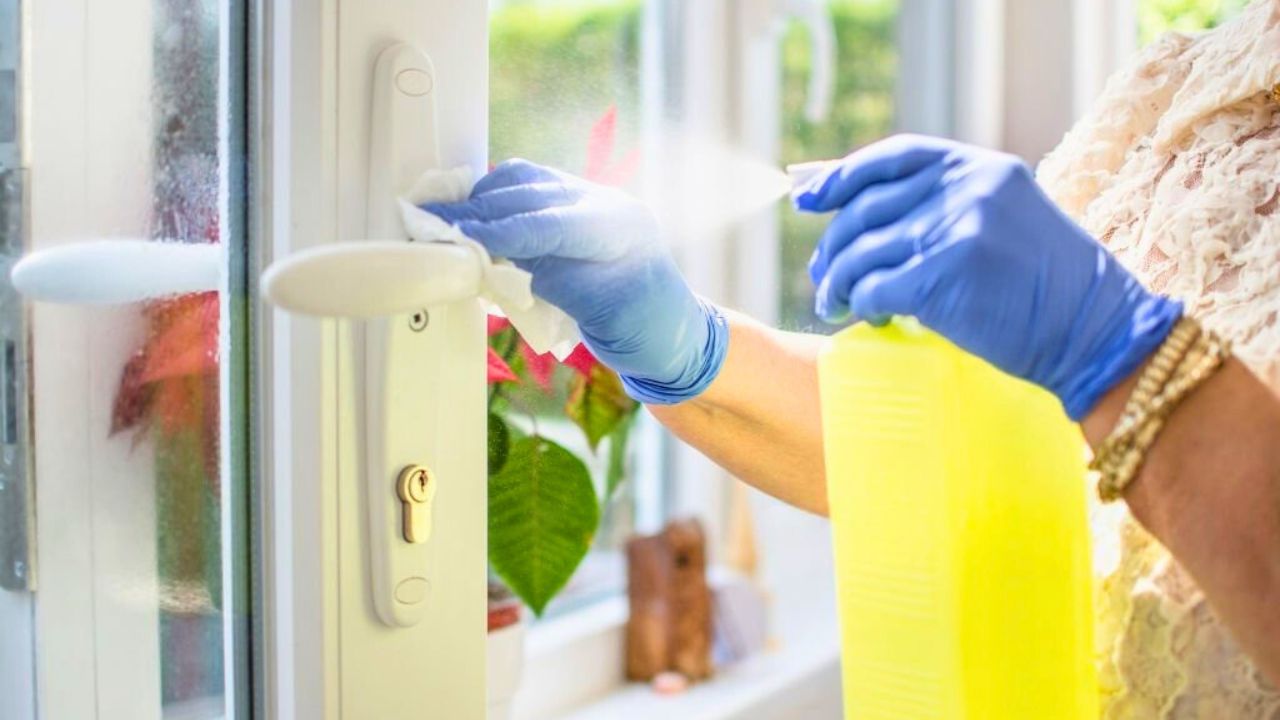
Surface cleaning has similar pitfalls if you treat norovirus like ordinary household grime. Experts recommend that you prioritize high touch areas such as doorknobs, light switches, and desks and wipe them with products that are actually labeled to kill norovirus, not just generic bacteria. One practical summary of how to stay well during a surge notes that the best way to cut risk is to wash your hands thoroughly and regularly and to clean shared surfaces, including phones and desks, with disinfecting wipes that are proven to work against viruses. That means reading labels, checking contact times, and not assuming that a quick once over with a baby wipe will protect your household.
Handwashing and food safety that actually cut your risk
Because norovirus spreads through microscopic traces of stool and vomit, your hands and your kitchen are two of the most important battlegrounds. Federal guidance on prevention stresses that you should Handle and prepare food safely, especially when you are cooking for children, older adults, or anyone with a weakened immune system. That includes washing fruits and vegetables, cooking shellfish thoroughly, and staying out of the kitchen entirely if you have vomiting or diarrhea, since you can shed virus in huge quantities while you are ill.
Hand hygiene is the other pillar. Official advice on how to prevent infection emphasizes that you should Always wash your hands with soap and water after using the toilet, changing diapers, or cleaning up vomit, and After handling food or caring for someone who is sick. Scrub for at least 20 seconds, paying attention to fingertips and under nails, then dry with a clean towel. It is a simple routine, but when you repeat it consistently, you interrupt the hand to mouth route that norovirus depends on to move from one person to the next.
What to do the moment someone vomits
The first minutes after someone vomits or has sudden diarrhea are when norovirus spreads most aggressively, because tiny droplets can land on nearby surfaces and even in the air. Guidance on Steps to clean up vomit and diarrhea recommends that you act quickly but protect yourself first by putting on disposable gloves and, if you have one, a face mask to reduce the chance of inhaling aerosolized particles. Try to keep other family members, especially children, out of the area until you have finished cleaning and the floor or surfaces are dry.
Once you are protected, you can follow a structured cleanup process. Public health advice on Oct norovirus response suggests covering the spill with disposable towels to soak up liquid, removing any solids carefully, and placing all waste directly into a plastic bag that you can seal. You should then apply a disinfectant that is known to kill norovirus and leave it on the contaminated area for the full contact time listed on the label, which some guidance notes is at least 5 minutes to kill the virus effectively. Only after that should you remove your gloves, throw them away, and wash your hands thoroughly with soap and water.
Cleaning products and ingredients that really work
Norovirus is not impressed by most everyday cleaning sprays, so choosing the right chemistry matters. Public health agencies emphasize that Cleaning and Disinfecting after a norovirus incident should involve products that specifically list effectiveness against this virus or that contain chlorine bleach at the correct concentration. Some guidance points to solutions with around 1,000 parts per million of chlorine for routine disinfection and up to 5,000 parts per million for heavy contamination, which is why many outbreak protocols call for freshly mixed bleach solutions rather than relying on old bottles under the sink.
Specialist analyses of why this virus is so stubborn explain that Why Is Norovirus 2024 Difficult to Kill is its resistance to many conventional detergents and its ability to remain infectious on surfaces for long periods. That is why some experts recommend Disinfectants like bleach solutions or hydrogen peroxide based products for home use, and advanced systems in institutional settings, rather than relying on multipurpose cleaners that are designed mainly to lift dirt. Even at home, the key is to match the product to the job and to give it enough time on the surface to do that job properly.
How to deep clean a contaminated bathroom or bedroom
When norovirus hits, the bathroom becomes the epicenter, and a quick wipe of the sink is not enough. Detailed protocols on Deep cleaning advise you to Identify any definite or suspect vomit or diarrhea spillage areas first, then work outward to nearby surfaces that might have been contaminated by splashes or hands. That means toilets, flush handles, taps, door handles, light switches, and any nearby walls or floors should all be cleaned with detergent to remove visible soil and then disinfected with a bleach solution at the recommended strength.
Guidance for health and social care staff notes that preventing spread also depends on how you manage soiled items and shared fixtures. Advice on Preventing spread in toilets and basins stresses that an ill person should ideally use a dedicated bathroom if possible and that any commodes, bedpans, or urinals must be emptied carefully and then cleaned and disinfected. At home, you can adapt that by assigning one bathroom to the sick person, flushing with the lid down to reduce droplets, and wiping down taps and handles several times a day with a bleach based product while they are symptomatic.
Soft surfaces, laundry, and the myth of “just airing it out”
Norovirus does not only live on hard tiles and countertops, it can cling to fabrics, carpets, and bedding as well. Practical cleaning advice highlights that How to disinfect after the Dec stomach bug involves treating clothes and bedding that may be soiled as potentially infectious. Norovirus can live on these items, so you should handle them with gloves, avoid shaking them, and wash them in hot water before drying them on the highest heat setting the fabric can tolerate.
For carpets, upholstery, and other soft furnishings, the goal is to remove contamination without spreading it. One step by step guide recommends that you Clean the contaminated surfaces with a detergent solution first, blotting rather than scrubbing, and then apply a disinfectant that is safe for fabrics if available. Another set of tips notes on its Shopping List that Note that While convenient, the majority of disinfecting wipes on the market are not completely effective on porous materials like Paper towels or fabrics. That means you may need to combine careful blotting, appropriate cleaners, and, in some cases, professional carpet shampooing to be confident you have reduced the viral load.
Protective gear and safe cleanup technique
Protecting yourself while you clean is not overkill, it is basic self preservation when you are dealing with a virus that spreads so easily. Official prevention advice recommends that you Wear rubber or disposable gloves whenever you handle vomit, stool, or items that may be contaminated, and that you wash your hands thoroughly with soap and water afterward. A companion recommendation notes that after you finish cleaning, you should remove gloves carefully, place them in the trash, and wash your hands again, since tiny leaks or splashes can still leave virus on your skin.
Some settings, such as schools and care homes, go further and suggest more comprehensive protective gear. A toolkit for educational facilities advises staff to be careful and wear protective materials such as disposable gloves, masks, safety goggles, and gowns when handling anything contaminated, guidance that is captured in the Norovirus-School-Toolkit. Household cleaners can borrow that mindset by keeping a small stash of disposable masks and eye protection with their cleaning supplies, especially if they are caring for someone who is vomiting forcefully. The goal is not to turn your home into a hospital, but to avoid taking a direct hit of droplets while you are trying to make the environment safer for everyone else.
Daily routines that keep the virus from bouncing back
Once the worst of the vomiting has passed, it is tempting to relax, but norovirus can continue to shed and linger on surfaces. Public health advice on Oct What to do if you think you have norovirus stresses that if you are sick with vomiting or diarrhea, you should stay home, avoid preparing food for others, and continue careful cleaning and disinfecting of bathrooms and frequently touched surfaces. That routine should continue for at least a couple of days after symptoms stop, since people can still pass on the virus even when they feel better.
Doctors also warn that getting the virus off of surfaces is harder than many people assume, and that some items need heat as well as chemicals. Clinical guidance notes that Sanitize frequently touched surfaces and remember that getting norovirus off of dishes and utensils requires them to be washed thoroughly and, ideally, heated to above 140º F. That is one reason dishwashers on high heat settings are useful during an outbreak. For institutions, a Here are some examples guide notes that Illnesses above baseline should trigger enhanced cleaning and that facilities should Determine what level of gastrointestinal symptoms counts as an outbreak. At home, you can adapt that logic by treating any cluster of stomach bugs as a signal to step up disinfection, not just ride it out.
Putting it all together when the bug hits your home
When you combine these pieces, you get a practical playbook for the next time the winter vomiting bug arrives at your door. Start with immediate containment: isolate the sick person as much as possible, clean and decontaminate any visible mess using structured guidance that tells you to Clean and decontaminate the area, and When you are finished, wash down food contact surfaces with hot water and detergent or carpet shampoo as appropriate. Use gloves, masks, and, if you have them, eye protection, then dispose of waste carefully and wash your hands with soap and water.
Next, shift into a routine of targeted disinfection and smart product use. Focus on high touch surfaces, bathrooms, and shared electronics, using bleach based or otherwise proven virucidal products and giving them the full contact time they need. Remember that Norovirus, also known as the winter vomiting disease, causes gastrointestinal symptoms that can be severe, so it is worth taking the extra time to let a bleach solution sit for at least 5 minutes before you wipe off. Finally, keep up enhanced handwashing and surface cleaning for several days after the last symptoms, and if you are in a setting with vulnerable people, consider following more formal Oct protocols on ongoing disinfection. The goal is not perfection, which is impossible with a virus this contagious, but a layered defense that makes your home a much harder target.
Like Fix It Homestead’s content? Be sure to follow us.
Here’s more from us:
- I made Joanna Gaines’s Friendsgiving casserole and here is what I would keep
- Pump Shotguns That Jam the Moment You Actually Need Them
- The First 5 Things Guests Notice About Your Living Room at Christmas
- What Caliber Works Best for Groundhogs, Armadillos, and Other Digging Pests?
- Rifles worth keeping by the back door on any rural property
*This article was developed with AI-powered tools and has been carefully reviewed by our editors.