What “low risk to the public” actually means in bird-flu updates, and what changes if you have animals
Photo credit: Melnikov Dmitriy/Shutterstock.com
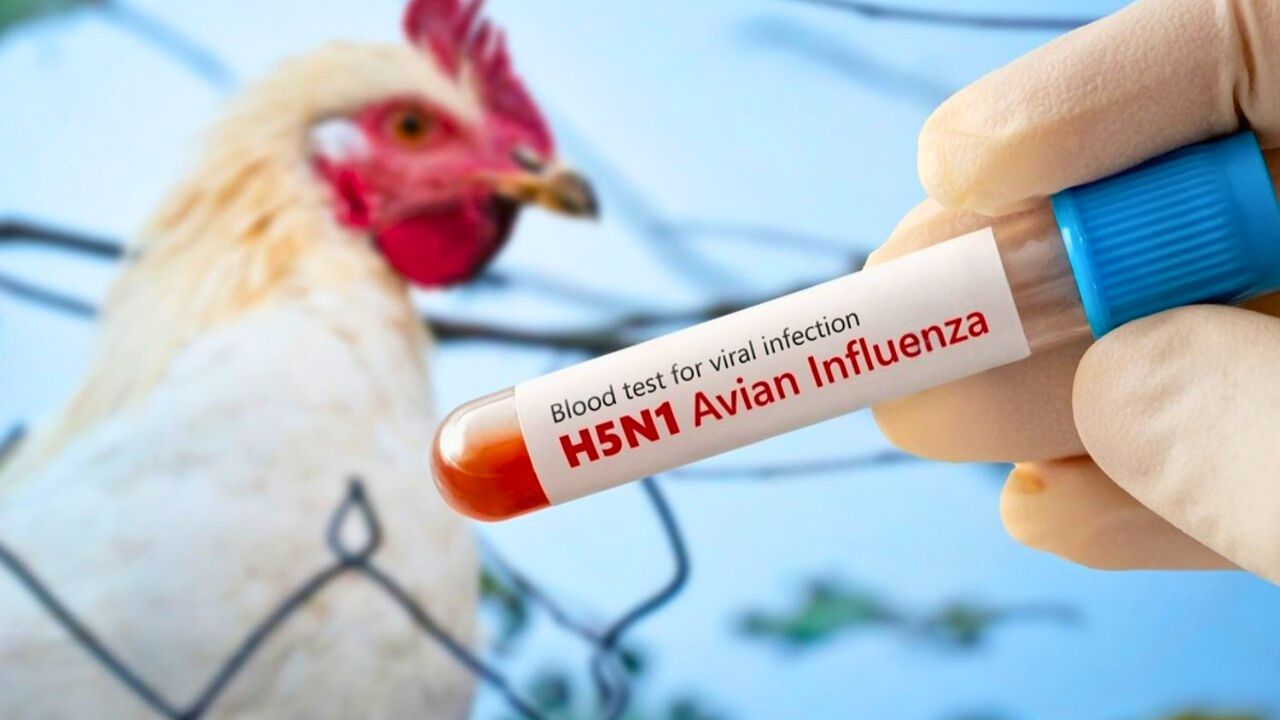
Public health alerts about bird flu often repeat that the “risk to the general public is low,” which can sound reassuring but also frustratingly vague when you are trying to decide what to do in your own home. You need to know what that phrase actually captures, how it is calculated, and how the picture shifts if you live with pets, keep backyard chickens, or work around livestock. Understanding the logic behind those risk statements lets you translate a national assessment into practical choices for your household and your animals.
At its core, “low risk” reflects how easily a virus spreads between people, how severe the illness is, and how likely you are to encounter it in daily life, not whether the virus is harmless. When Highly Pathogenic Avian Influenza is circulating in birds, the threat to you depends heavily on your exposure, which is why the guidance looks different for someone who only sees birds at a city park than for someone who collects eggs from a backyard coop every morning.
How health agencies decide the public is at “low risk”
When you see a statement that the risk to the public is low, it is not a guess, it is the end product of a structured assessment that weighs how the virus behaves in animals, how many people have been infected, and whether there are signs of sustained human to human spread. The Centers for Disease Control and Prevention, often referred to as CDC, has said that the HPAI A(H5N1) viruses currently circulating in the United States have not shown the ability to efficiently infect people or spread easily between them, which is a key reason the overall risk rating remains low. That judgment is grounded in surveillance of infected birds, testing of exposed workers, and genetic analysis of the virus, all of which feed into a broader science agenda for The HPAI viruses in the United States.
Earlier this year, CDC published a formal avian influenza A(H5N1) virus risk assessment that walks through the assumptions behind that low risk label. The analysis looks at how often people with close contact to infected animals test positive, whether those infections lead to severe disease, and whether any clusters suggest person to person spread. In that assessment, the agency explains that the current risk to the general population is low, but that people with some exposures may face higher risk, which is why you see different recommendations for poultry workers, veterinarians, and pet owners than for people who only encounter birds at a distance.
What “low risk” does and does not promise for your daily life
For you, “low risk” should be read as “unlikely in ordinary circumstances,” not “impossible” or “nothing to think about.” CDC has reiterated that the current risk to the U.S. public from HPAI A(H5N1) viruses is low, but it also notes that this assessment can change if the virus evolves or if patterns of exposure shift. In its interim recommendations on HPAI, the agency states that it considers the current risk to be low while also outlining specific situations, such as unprotected contact with sick or dead birds, where that risk increases, and it flags that the evaluation may change as Last data come in.
That nuance matters because it explains why you are not being told to mask up at the grocery store, even as outbreaks in birds continue, and why you might still be asked to take precautions if you live near affected farms or wetlands. A low risk designation supports targeted measures instead of blanket restrictions: you are encouraged to avoid handling dead wild birds, to report unusual die offs, and to follow local guidance if you keep poultry, but you are not being asked to change how you ride the subway or shop for food. The phrase is a signal that the virus is not spreading efficiently between people, not a guarantee that no one will get sick.
How human bird flu cases fit into the “low risk” picture
Even with a low overall risk, individual infections still occur, and they are a crucial part of how you should interpret official language. A recent global update on Avian Influenza A(H5N5) in the United States described a human case with underlying conditions who subsequently died, and it noted that sporadic human cases are expected when people have close contact with infected birds. In that same report, the risk to the general population was described as low to moderate, which underscores that a single severe case does not automatically mean the virus is spreading widely, but it does show why you should take exposure warnings seriously when they apply to you, as highlighted in the Dec situation summary.
In the United States, the pattern of human infections has largely tracked outbreaks in animals rather than community spread. Reporting on the 2025 wave of bird flu notes that farm outbreaks fuelled a spike in human cases, and that Of the Of the 71 people who have ever tested positive for bird flu in the country, most are believed to have caught it from infected animals rather than from another person. That pattern is exactly what “low risk to the public” is meant to capture: infections are serious when they happen, but they are rare, and they are tied to specific, higher risk exposures instead of casual contact in daily life.
Why your exposure changes if you live or work with animals
The phrase “general public” does not really describe you if your job or hobbies bring you into regular contact with birds or other animals. CDC has been explicit that while the overall risk is low, people with certain exposures may face higher risk, and that is especially true if you handle sick or dead birds, clean barns or coops, or work in processing plants. In a February update, the agency noted that Public risk remains low and that Since April 2024 it has confirmed H5 bird flu infections in people who had close contact with infected animals, which is why it continues to monitor exposed workers and adjust guidance if the Public risk for the public changes.
If you keep backyard poultry, show birds, or work on a farm, your personal risk is shaped less by national averages and more by what is happening in your immediate environment. Highly Pathogenic Avian Influenza, often shortened to HPAI, is a contagious virus affecting birds worldwide, and guidance for pet bird and poultry owners stresses that you should watch for sudden deaths, drops in egg production, or respiratory signs in your flock. One veterinary advisory on Highly Pathogenic Avian Influenza and backyard poultry urges you to contact a veterinarian as soon as possible if you suspect HPAI, both to protect your animals and to reduce the chance of the virus spilling over into people.
What “low risk” means if you have dogs, cats, or other pets
When you share your home with animals, you are right to wonder whether a low risk statement for humans also covers them. Avian influenza viruses mainly infect and spread among wild birds and domestic poultry, but they can occasionally infect other species, including some pets, when there is close contact with infected birds or contaminated environments. CDC guidance on bird flu in pets and other animals explains that these Avian influenza viruses are primarily a bird problem, yet it also outlines prevention measures for people and pets, advising you to keep animals away from sick or dead birds and to talk with a veterinarian if your dog or cat has been exposed, as detailed in its overview of Avian influenza in pets.
Your pet’s risk is not uniform, and some species are more vulnerable than others. A veterinary explainer titled Jan, Is My Pet, Danger of Getting Bird Flu, Your pet’s risk of avian flu will depend on several factors, including species, lifestyle, and how much contact they have with wild birds or poultry. It notes that cats are more likely than dogs to be affected if they hunt or scavenge infected birds, and it encourages you to limit outdoor roaming, especially during local outbreaks, and to watch for respiratory signs or sudden illness in any pet that might have been exposed, as outlined in the guidance on Is My Pet being in Danger of Getting Bird Flu.
Backyard flocks, hobby farms, and what changes for you
If you keep a small flock of chickens, ducks, or other poultry, you sit in a different risk category than neighbors who only see birds flying overhead. HPAI can move quickly through a flock, and once it is in your birds, your own exposure increases because you are feeding, cleaning, and handling them daily. Veterinary guidance for pet bird and poultry owners emphasizes that HPAI and backyard poultry require strict biosecurity, including limiting visitors to your coop, changing shoes and clothes after contact with birds, and isolating new or returning birds before they join the flock, which is why the section on HPAI and Backyard Poultry: Protecting urges you to involve a HPAI knowledgeable veterinarian early.
Your responsibilities also extend beyond your own yard, because infected backyard flocks can seed infections in wild birds or nearby farms. State agriculture departments have reminded flock owners that avian influenza is a highly contagious airborne respiratory virus that spreads easily among birds through nasal and eye secretions and feces, and that it can move between farms on equipment, clothing, or vehicles. A recent notice from Maryland explained that Avian influenza is a highly contagious airborne respiratory virus that spreads easily among birds through nasal and eye secretions and feces, which is why you are urged to report sudden deaths in your flock and to cooperate with testing or movement restrictions if HPAI is detected nearby.
Pets that roam outdoors and the wildlife connection
Even if you do not own birds, your animals can still bridge the gap between wildlife and your household. Dogs that swim in ponds frequented by waterfowl or cats that hunt songbirds can encounter infected carcasses or droppings, and that contact can bring the virus closer to you. Local public health advisories have urged you to Keep Your Pets Away from Wildlife, especially during active outbreaks, and to avoid letting dogs off leash in areas where sick or dead birds have been found, as part of broader guidance on Keep Your Pets Away from Wildlife and Protecting Your Pets During the Avian Flu Outbreak.
Because roaming is such a strong driver of exposure, you can meaningfully lower your animals’ risk by changing how they spend time outside. Advisories on Protecting Your Pets During the Avian Flu Outbreak recommend keeping cats indoors, using leashes or fenced yards for dogs, and providing enrichment like puzzle feeders or window perches so pets are not tempted to roam. They also warn against Hunting and consuming infected wildlife, which means you should not feed raw wild game or allow pets to chew on found carcasses, and you should contact your veterinarian if your animal has had contact with sick or dead birds or shows sudden respiratory or neurological signs.
How nurses and clinicians interpret “low risk” at the bedside
For health professionals, a low risk assessment shapes how they screen patients and what protective measures they use, but it does not mean they can ignore bird flu altogether. Nursing guidance on Bird Flu Risk Level and Symptoms in Humans explains that, as of January, the Centers for Disease Control and Prevention (CDC) considered the risk to Humans from bird flu to be low, yet it still urged nurses to ask about recent exposure to birds or livestock when patients present with compatible symptoms. The Jan overview of Bird Flu Risk Level and Symptoms in Humans notes that most people will not encounter the virus, but that clinicians should be alert to severe respiratory illness in anyone with relevant animal contact.
From your perspective as a patient, that means you should be prepared to mention any recent contact with sick or dead birds, visits to farms, or work with poultry if you seek care for flu like symptoms. Clinicians use that information to decide whether to order specific tests, to notify public health authorities, or to recommend antiviral treatment. Even in a low risk environment, early recognition of a possible case helps protect healthcare workers and other patients, and it feeds back into the surveillance systems that keep those risk assessments accurate.
Why “low risk” can change and what to watch next
Risk assessments are snapshots, not permanent verdicts, and they can shift as the virus evolves or as it moves into new animal populations. CDC’s science agenda for HPAI A(H5N1) in the United States explicitly acknowledges that the viruses currently circulating have not yet demonstrated efficient spread among people, but it also prioritizes research on how changes in the virus or in farming practices could alter that picture. The agenda for The HPAI A(H5N1) viruses includes monitoring in birds, other animals, and people, so that any sign of increased transmissibility or severity can be caught early.
For you, the most practical way to track changes is to pay attention to how officials describe both the virus and the affected populations. When updates continue to say that the risk to the general public is low, but they start to add caveats about specific regions, occupations, or animal species, that is your cue to look closely at whether you fall into one of those groups. If you live with animals, especially birds, your personal risk will always be more closely tied to local outbreaks and your own biosecurity habits than to national averages, which is why staying engaged with local animal health alerts and veterinary guidance is as important as following national public health headlines.
Like Fix It Homestead’s content? Be sure to follow us.
Here’s more from us:
- I made Joanna Gaines’s Friendsgiving casserole and here is what I would keep
- Pump Shotguns That Jam the Moment You Actually Need Them
- The First 5 Things Guests Notice About Your Living Room at Christmas
- What Caliber Works Best for Groundhogs, Armadillos, and Other Digging Pests?
- Rifles worth keeping by the back door on any rural property
*This article was developed with AI-powered tools and has been carefully reviewed by our editors.