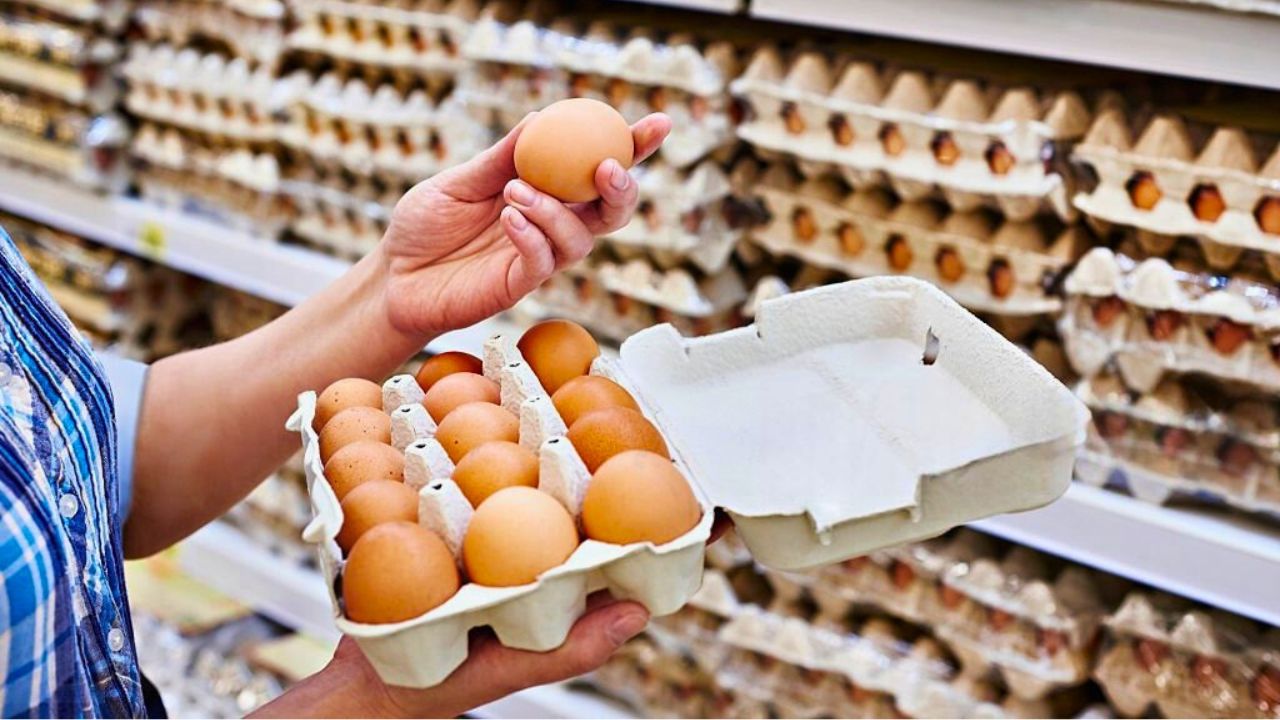
Egg prices are bouncing again, and holiday demand is only part of the story
Photo credit: Sergeyryzhov/istock.com
Eggs are back in the spotlight on your grocery list, and not in the way you would like. Prices are climbing again just as you head into peak baking and brunch season, but the holiday rush is only one piece of a much larger puzzle. To understand what you are paying at the register, you have to look past the seasonal spike and into the mix of disease, demand shifts, and structural costs reshaping the egg case.
Holiday demand is the spark, not the fire
When you see egg prices jump in late fall and winter, your first instinct is usually right: you are competing with every other household planning cookies, casseroles, and breakfast spreads. The same pattern shows up again around Easter, when colored eggs and brunch menus pull even more cartons off the shelf. Analysts point out that Thanksgiving and Christmas reliably raise egg buying as you stock up for pies, rolls, and deviled eggs, so the seasonal bump you feel is real even before you factor in anything else.
What has changed is how sensitive the market has become to that holiday surge. Suppliers warn that when inventories are already tight, the extra pull from your oven mitts can push prices to extremes that would have seemed unthinkable a few years ago. One major supplier has cautioned that as you move through the winter holidays, egg prices may again flirt with record highs, because the usual holiday rush is now colliding with deeper supply problems. In other words, the calendar is still the trigger, but the underlying fuel for those price spikes is coming from somewhere else.
Bird flu has not gone away
The most disruptive force behind your egg bill is still disease. Highly pathogenic avian influenza has been circulating in U.S. flocks since 2022, and it continues to knock out large numbers of laying hens whenever it hits a major complex. When an outbreak is confirmed, producers are required to depopulate affected barns to contain the virus, which instantly removes millions of eggs from the pipeline and leaves fewer birds producing for months afterward.
Those losses are not a one-time shock, they are the main driver of the long stretch of volatility you have been living through. Reporting on Outbreaks of H5N1 in commercial flocks makes clear that the disease is considered the central reason egg prices keep swinging higher instead of settling back to pre‑2022 norms. When you combine that with warnings that egg prices may approach record levels again, just about two years after their last peak, you can see how a virus you never see directly is still shaping what you pay at the store.
Supply is tight even before the holidays hit
Because of repeated disease shocks, the national flock has struggled to rebuild to its former size, and that leaves the market tight even before you start planning holiday menus. Fewer hens means fewer eggs, and when you layer normal seasonal demand on top of that, the balance tips quickly in favor of higher prices. Market analysts describe a situation where the industry is still catching up from earlier losses, so any new disruption, from weather to logistics, lands on a fragile base.
That fragility shows up in the way wholesale prices move. Government market reports tracking Wholesale trading of graded, loose, white Large shell eggs note that values can swing sharply from week to week, including a recent decrease of $0.28 per dozen even as the broader trend remains elevated. For you, that means short bursts of relief at the store do not necessarily signal that the market has healed. Instead, they reflect a tight system where small changes in supply or demand produce big moves in either direction.
Demand is changing in ways that keep prices elevated
On the demand side, you are not just buying more eggs during holidays, you are buying them differently all year. Many households leaned harder on eggs as an affordable protein when meat prices climbed, and that habit has stuck in breakfast routines, baking, and high‑protein diets. At the same time, food manufacturers and restaurants have been slow to cut back on egg use, because reformulating recipes is costly and risky when customers expect a certain taste and texture.
Industry research on How Shifting Consumer Demand Patterns are Contributing to High Egg Prices highlights another twist: more of the eggs you buy or consume indirectly are now expected to be from cage‑free hens. That preference, which you see reflected in labels and in fast‑food breakfast marketing, requires different housing and management, and it limits how quickly producers can respond to price spikes by simply adding more birds. The result is a demand profile that stays firm even when prices rise, which keeps the market tight.
Production costs are squeezing farmers from the other side
Even if disease and demand were not an issue, the cost of producing each egg has climbed. Feed, energy, labor, and compliance with new housing standards all show up in the farmer’s ledger long before you see a carton on the shelf. When those inputs rise, producers either pass some of the increase along to you or cut back on investment, which eventually constrains supply and supports higher prices anyway.
You can see that pressure in the way farm cost indices have moved. The USDA NASS Prices Paid Farm Type Index for Livestock Farms rose by 36% from Jan. That kind of increase does not stay on the farm. It filters through the supply chain, from packing plants to distributors, until it lands in the unit price you see on the shelf. When you wonder why eggs have not fallen back to their old “cheap staple” status, those structural costs are a big part of the answer.
Retail prices show how far eggs have moved from their old baseline
For years, you probably treated eggs as one of the most predictable items in your cart, with only modest swings from season to season. The recent run‑up has broken that pattern. Instead of drifting a few cents at a time, the price per dozen has jumped in noticeable steps, then retreated only partway before climbing again. That stair‑step pattern is what makes it feel like you are always paying more than you remember, even when a sale sign pops up.
Federal price data for the Average Price of Eggs, Grade A, LargeCost per dozen in U.S. city averages confirms that the typical shelf price now sits well above its pre‑pandemic level. While the exact figure moves month to month, the broader trend line shows eggs occupying a new, higher plateau. For your budget, that means you should treat the old “dollar a dozen” memory as history, not a benchmark that is likely to return soon.
Why analysts say prices could test records again
Looking ahead, you are not imagining the warnings that eggs could get even more expensive. Market specialists who track flock sizes, feed costs, and demand from retailers see a path where prices once again approach their previous peaks. The combination of lingering disease risk, strong consumer demand, and higher production costs leaves little slack in the system, so any new shock can push the market back toward those extremes.
One supplier has already cautioned that Egg prices may approach record levels again, a view echoed by economists and market analysts who watch the same data you feel at the checkout. They point to the way Highly pathogenic avian influenza keeps resurfacing, the slow pace of rebuilding flocks under new housing rules, and the fact that demand has not meaningfully softened even as prices rose. For you, that means planning for the possibility that the next holiday baking season could collide with another tight market, rather than assuming the worst is behind you.
How farmers are responding, and what that means for your cart
Producers are not standing still in the face of these pressures, and their choices will shape what you pay over the next few years. Some are investing in biosecurity and new housing to reduce the risk of future outbreaks, while others are shifting more of their barns to cage‑free systems to match what you and major buyers say you want. Those moves require capital and time, and they often mean running fewer birds per square foot, which can keep supply from snapping back quickly even when demand cools.
Industry groups that speak directly with farmers describe a sector trying to balance survival with long‑term commitments to animal welfare and food safety. Analyses such as Why Are Egg Prices So High and Rising Egg Prices Understanding the Causes, Farmer Responses
How you can adapt without giving up eggs
Given all these forces, you are unlikely to see eggs return to their old bargain‑bin status, but you still have room to protect your budget. Watching weekly ads and loyalty‑app deals from chains like Kroger, Walmart, and Aldi can help you time your purchases when retailers temporarily cut margins to draw you into the store. You can also be flexible about brand and packaging, since store‑brand large eggs often track the market more closely than specialty labels and may drop faster when wholesale prices ease.
Beyond shopping tactics, you can rethink how you use eggs in your kitchen. Swapping in alternatives like flax “eggs” in some baking recipes, stretching scrambled eggs with beans or vegetables, or reserving premium cage‑free or organic cartons for dishes where the flavor really matters can all lower your per‑meal cost. As analysts of High Egg Prices
Like Fix It Homestead’s content? Be sure to follow us.
Here’s more from us:
- I made Joanna Gaines’s Friendsgiving casserole and here is what I would keep
- Pump Shotguns That Jam the Moment You Actually Need Them
- The First 5 Things Guests Notice About Your Living Room at Christmas
- What Caliber Works Best for Groundhogs, Armadillos, and Other Digging Pests?
- Rifles worth keeping by the back door on any rural property
*This article was developed with AI-powered tools and has been carefully reviewed by our editors.