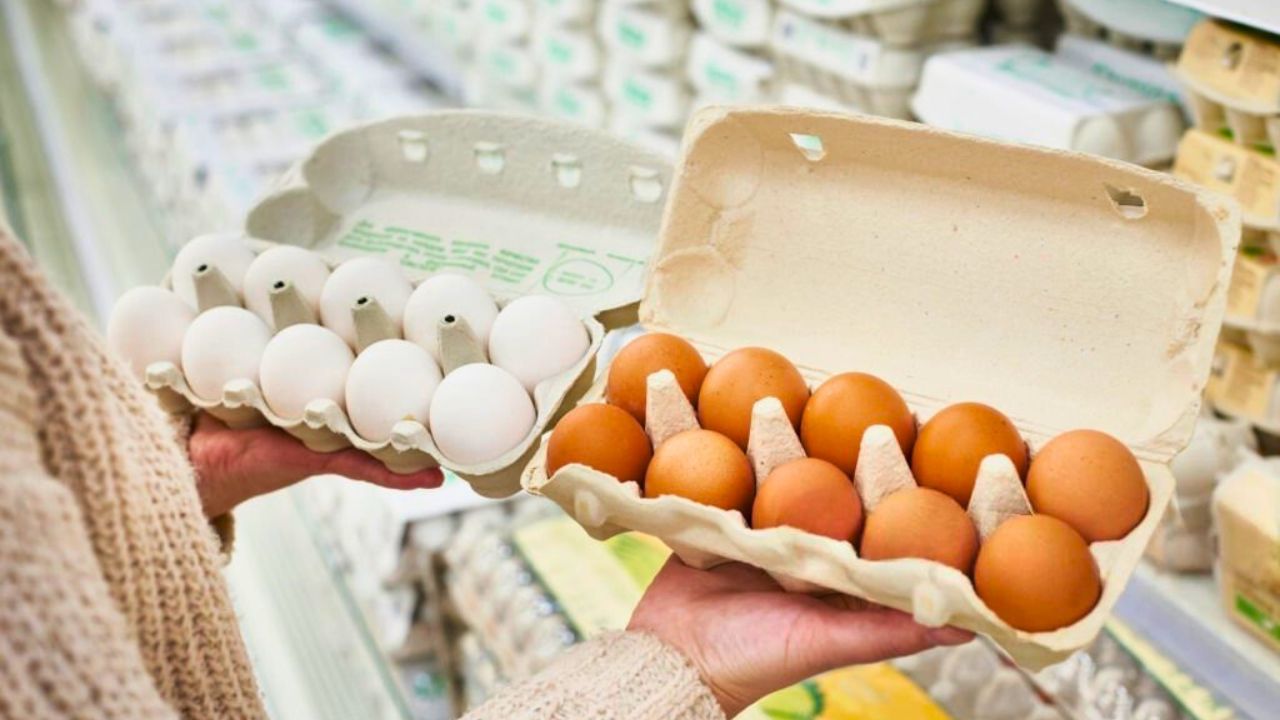
USDA’s latest egg market snapshot shows prices moving fast, here’s what that means for shoppers
Photo credit: Sergeyryzhov/istock.com
Egg prices are moving quickly again, and the latest government snapshot shows just how volatile your breakfast staple has become. Wholesale costs are sliding after a period of extreme spikes, but the path from the farm to your grocery cart is not instant, so you need to understand where prices are headed and how long it may take before you feel real relief at the register.
What the USDA’s latest snapshot actually tracks
When you hear that the United States Department of Agriculture has a fresh read on eggs, it is not a single number pulled out of thin air, it is a rolling picture of supply, demand, and prices across farms, processing plants, and supermarket shelves. The agency’s poultry and egg analysts track how many Hens are laying, how many eggs are being packed for table use versus breaking, and how those volumes line up with what retailers and food manufacturers are buying. That broader market outlook is what ultimately shapes the price you pay for a dozen large Grade A in your local store.
Within that framework, the USDA also monitors how quickly producers respond when conditions change, for example when feed costs fall or when disease outbreaks force flocks offline. The agency’s economists look at how Producers adjust placements of pullets, how Housing and Labor constraints limit expansion, and how export demand or restaurant traffic can suddenly tighten or loosen the domestic market. You are not seeing those spreadsheets, but every time you notice eggs jump or drop in price, you are feeling the downstream effect of that constantly updated snapshot.
Wholesale prices are moving first, and fast
The first sign that the ground is shifting usually shows up in wholesale markets, where eggs are traded by the truckload long before they are stacked in your dairy case. In early spring, analysts noted that Wholesale prices had effectively “plunged” from their winter peaks as buyers pulled back and supplies rebuilt, a reversal that suggested shoppers like you might soon see some relief after paying elevated prices for months. One report pointed out that Consumers had been shelling out $5.90 for a dozen in some cases, roughly double what they had paid a year earlier, before wholesale values started to retreat, a reminder of how sharply this market can turn when demand cools and producers catch up.
More recently, the USDA’s own Egg Markets Overview has described Negotiated wholesale prices for graded loose caged eggs as firm, with light to moderate demand meeting relatively light offerings, a sign that the free fall has slowed and the market is trying to find a new balance. In that report, Negotiated deals for loose product were characterized as steady rather than collapsing, even as some buyers waited to see if further declines were coming, a nuance that helps explain why your store might still be working through older, higher priced inventory even as the underlying Negotiated market has already adjusted.
Spot prices show just how volatile eggs have become
If you zoom out from the weekly USDA reports to the broader commodities market, the speed of the recent swings becomes even clearer. Benchmark data for Eggs US show that the spot price fell to 0.67 USD per Dozen at the end of December, a drop of 6.94% from just the previous trading day, a move that would be eye catching in any market, let alone one tied to something as basic as breakfast. Over the past month, Eggs US prices have been on a downward trend as supplies improved and some of the panic buying that defined earlier spikes faded, underscoring how quickly conditions can flip from shortage to surplus.
For you, that kind of volatility means the shelf tag you see on a carton is always a few steps behind the real time action in wholesale and futures markets. Retailers tend to smooth out the most dramatic day to day changes, but when Eggs US can lose nearly 7 percent of its value overnight, it is only a matter of time before promotions, loyalty app discounts, and everyday prices start to reflect that new reality. Watching the Eggs US benchmark is like checking the weather radar before you leave the house, it will not tell you exactly what your corner store will charge, but it gives you a strong hint about which way the wind is blowing.
Why retail prices lag what you hear about wholesale
Even when wholesale prices are dropping quickly, you should not expect your supermarket to instantly slash what it charges for a dozen large. Government analysts have been explicit that retail price movements tend to lag directional changes made by wholesale prices, because stores are still selling through inventory they bought at higher levels and because they plan promotions weeks in advance. When wholesale prices spike or fall, the pattern is that retail tags follow the same direction, but with a noticeable delay, which is why you may still see elevated prices even after hearing that the underlying market has cooled.
That lag is not just a matter of timing, it is also about how retailers manage risk and margins. Chains that locked in supply contracts when wholesale prices were high may be reluctant to cut shelf prices until they have cleared those commitments, while others might move faster if they sense competitors are about to undercut them. The USDA’s own chart work on how Consumer prices respond to wholesale shifts shows that When wholesale prices spike, retail prices climb more gradually, and when wholesale prices fall, retail tags also ease more slowly, a pattern captured in its Jun analysis of egg price dynamics.
Bird flu and supply shocks are still in the background
Behind the charts and price tags is a biological reality that has not gone away, highly pathogenic avian influenza, often shortened to Bird flu, can wipe out millions of laying hens in a matter of weeks and leave a deep dent in supply. Earlier outbreaks forced producers to cull large flocks, which immediately tightened the market and helped push Wholesale prices “way past” prior records as buyers scrambled to secure enough product. Experts have stressed that “Highly pathogenic avian influenza” reduced egg supply and that the shock was a key driver of the record highs that frustrated shoppers, a reminder that disease risk is a wild card you cannot see when you open a carton.
Consumer prices reflected that pressure too, with one federal report noting that Consumer egg prices reached record heights again in March even as some shoppers had hoped for a break. Analysts warned that the bird flu effect was not fading as quickly as many had anticipated, and that the industry might need time to bring millions of birds back online before the market could truly normalize. That context, detailed in a bird flu report, is crucial when you are trying to understand why prices can stay stubbornly high even after wholesale markets start to cool.
The cost of housing, feed, and labor still matters
Even in the absence of a disease outbreak, the basic economics of raising hens put a floor under how low egg prices can go. Producers have to invest in Housing and Labor, from climate controlled barns and ventilation systems to the workers who manage flocks and collect, grade, and pack eggs, and those costs do not disappear just because wholesale prices dip for a few weeks. When feed, energy, or wages rise, producers have less room to absorb price swings, which is why you sometimes see retail prices stay elevated even when the headlines suggest the market is easing.
Industry explanations of egg pricing consistently point to three main drivers, feed costs, flock health, and the fixed expenses tied to keeping Hens in clean, safe, and regulated environments. Producers who have spent heavily to upgrade cages or convert to cage free systems often need higher long term prices to make those investments pay off, and they are reluctant to expand production aggressively if they fear another sudden downturn. A detailed breakdown of these pressures notes that Housing and Labor are structural costs that shape the entire market, so even when you see a short term bargain, it is usually sitting on top of a much more expensive production system.
Powdered and processed eggs are signaling a reset too
While you focus on shell eggs in the dairy aisle, the USDA is also tracking what happens to dried and processed products that end up in everything from pancake mix to mayonnaise. In its late December Egg Markets Overview, the agency reported that Trading in these products was slow and that Prices for whole dried egg declined $0.88 to $8.64 per pound, while prices for dried yolk dropped $1.05 to $8.64, a clear sign that industrial buyers were pulling back or had already covered their needs. Those specific figures, $0.88, $8.64 per pound, $1.05, and $8.64, show that the correction is not limited to the cartons you see in stores, it is rippling through the entire supply chain.
For you, that matters because big food manufacturers are major buyers, and when they pay less for dried and liquid eggs, they have more room to hold the line on prices for baked goods, condiments, and frozen breakfasts. Over time, a softer market for processed products can also feed back into shell egg demand, since producers may divert more volume to table eggs if breaking plants are not bidding as aggressively. The USDA’s Dec overview of Trading conditions in dried products is one more piece of evidence that the egg complex as a whole is moving away from its most extreme highs.
How retailers are quietly adjusting their promotions
Even before you see a big price cut on the shelf tag, you may notice more subtle shifts in how eggs are promoted in weekly circulars and grocery apps. The USDA tracks this through its Weekly Retail Egg Feature Activity for Monday, December 22, 2025, which breaks down, Page by Page, the Section, Quality, and Price Unit Item for advertised specials across major chains. When wholesale costs fall, that report often shows an uptick in buy one get one offers, loyalty card discounts, or temporary price reductions on larger pack sizes, all of which are designed to move volume without permanently resetting the base price.
For a budget conscious shopper, those promotions are your early warning system that the market is loosening up. If you start seeing more frequent features on Grade A large or cage free dozens in your local circular, it is a sign that retailers are confident enough in supply to lean on eggs as a traffic driver again. The granular data in the USDA’s Weekly Retail Egg Feature Activity for Monday report show how chains juggle Quality tiers and Price Unit Item strategies to balance margins with the need to stay competitive, and paying attention to those patterns can help you time your stock ups.
What this all means for your next grocery run
Put together, the latest signals point to a market that is finally easing after a punishing stretch, but not one that will instantly snap back to the bargain prices you remember from years past. Analysts tracking the sector note that Wholesale egg prices have fallen significantly in recent weeks, a shift that should eventually filter through to the dairy case, even if the exact timing and depth of the decline remain uncertain. That uncertainty is why some experts caution that while relief is on the way, it may arrive in waves, with temporary dips around holidays or promotional periods rather than a smooth, permanent reset.
For you, the practical takeaway is to stay flexible and pay attention to both the headline numbers and the fine print. Watching how quickly Eggs US prices move, how the USDA describes Negotiated wholesale conditions, and how often your store features eggs in its weekly ad can give you a clearer sense of when to buy extra and when to wait. As one industry summary of easing prices put it, Wholesale values are already doing their part, but how fast shelf prices will fall is unclear, a reality captured in a recent note that Wholesale prices have dropped even as experts debate how retailers will respond. If you are willing to shop the ads, consider store brands, and be patient as the lag works through the system, you are likely to see your egg bill come down, even if it takes a little longer than the latest snapshot might suggest.
Like Fix It Homestead’s content? Be sure to follow us.
Here’s more from us:
- I made Joanna Gaines’s Friendsgiving casserole and here is what I would keep
- Pump Shotguns That Jam the Moment You Actually Need Them
- The First 5 Things Guests Notice About Your Living Room at Christmas
- What Caliber Works Best for Groundhogs, Armadillos, and Other Digging Pests?
- Rifles worth keeping by the back door on any rural property
*This article was developed with AI-powered tools and has been carefully reviewed by our editors.