The home insurance increase that sneaks up on people, your renewal isn’t the only cost
Photo credit: Mikhail Nilov/Pexel.com
Homeowners often brace for a higher renewal bill, only to discover that the real financial shock comes from quieter increases that build in the background. Your premium is shaped by forces you rarely see, from construction inflation to climate risk models, and those forces can push costs higher even when you have never filed a claim. Understanding how those hidden levers work is the only way to keep your total cost of owning a home from creeping up year after year.
Instead of treating your policy as a fixed line item, you need to see it as a living contract that insurers constantly recalculate. The same house, in the same neighborhood, can cost hundreds or thousands more to insure from one term to the next because of changes in replacement value, local weather patterns, or even a small tweak you make to your coverage. Once you see where those increases originate, you can start to push back, negotiate, and redesign your coverage so it protects your home without quietly draining your budget.
The hidden cost of “just owning” a home
When you budget for a mortgage, you probably focus on principal, interest, and maybe property taxes, but the real carrying cost of a house is a bundle of obligations that move together. Insurance is often described as one of the “hidden costs” of ownership, grouped with taxes and maintenance, because it keeps rising even when your loan balance falls. As premiums climb to new highs, some buyers are walking away from otherwise affordable homes once they see how much the annual policy will add to their monthly payment.
Those increases are not happening in isolation. Higher rebuilding costs, more frequent severe weather, and rising reinsurance expenses all feed into the price you pay to protect your property. When insurers pass those pressures through to consumers, the result is that insurance is sometimes called one of the hidden costs of homeownership, and those hidden costs are now high enough to scare off some buyers entirely.
Why your premium jumps even without a claim
One of the most frustrating experiences as a homeowner is opening your renewal notice and seeing a double digit increase even though you have never filed a claim. You might assume that a clean history should lock in a stable price, but insurers are constantly updating their view of your risk based on factors that have nothing to do with your personal record. If your area has been hit with more storms, if construction costs have surged, or if your insurer’s own losses have grown, your premium can rise simply because you live in a riskier environment on paper.
Industry explanations make it clear that even if you have never filed a claim, your rates can still go up as insurers respond to higher claim frequency and severity across their entire book of business. Companies also adjust prices when they refine their models or change how they weigh certain risks, which means your premium reflects not just your behavior but the collective experience of thousands of other policyholders who may have suffered losses.
Rate versus premium, and why that distinction matters
To understand the increases that sneak up on you, you need to separate the concepts of rate and premium. Your rate is essentially the price per unit of insurance, similar to the cost per square foot when you build a house, while your premium is the total bill you pay after that rate is applied to your coverage limits and discounts. Insurers can change either piece, so your premium might rise because your rate went up, because your coverage amount increased, or because a discount quietly disappeared.
Some carriers spell out that Rate, Premium, What, Difference, Your, Think of the rate as the base cost of protection, while the premium reflects your home’s replacement cost, the coverage limits you select, and any credits you receive. When rebuilding costs rise or you increase your dwelling limit to keep pace with inflation, your premium can jump even if the underlying rate per unit of coverage has barely moved. That is why you sometimes see a higher bill even when your insurer insists that its filed rates have not changed dramatically.
Replacement cost, dwelling value, and inflation adjustments
Another quiet driver of higher bills is the way insurers update the value of your home behind the scenes. Most standard policies are designed to cover the cost to rebuild, not the price you could sell the house for, and that replacement cost is recalculated as labor and material prices change. If lumber, concrete, and skilled trades all become more expensive, your dwelling limit may be increased automatically so that you can still reconstruct your home after a total loss, and that larger limit means a higher premium.
Guidance for policyholders emphasizes that Dwelling value is a central factor in what you pay, and insurers encourage regularly reviewing your home details to keep that value accurate. At the same time, inflation in the broader economy has pushed up the cost of everything from roofing shingles to drywall, which directly affects how much coverage you need. As one advisory on rising prices notes, How Can, Manage My Insurance Costs, You still need enough insurance to rebuild your home after a covered loss, even if that means paying more today than you did a few years ago.
Climate, catastrophes, and the geography of risk
Beyond inflation, the weather itself is reshaping the cost of home insurance. Insurers point to a surge in wildfires, tornadoes, hurricanes, and other disasters that are both more frequent and more expensive than in previous decades. When companies pay out larger claims after each catastrophe, they respond by raising premiums, tightening underwriting, or even pulling back from high risk regions, which leaves remaining customers paying more for the same level of protection.
Analysts have been blunt that you can Blame the Weather for a significant share of the recent premium spike, as severe storms and heat driven events generate record losses. Detailed breakdowns of recent increases highlight the Increase in wildfires, tornadoes, hurricanes and other climate related disasters, and explain that insurers are raising prices in part to avoid going bankrupt after future events. If you live in coastal Florida, fire prone California, or hail heavy parts of the Midwest, that geographic risk is now baked into your premium in a way that is far more aggressive than it was a decade ago.
Local market shocks and state level disparities
Not all homeowners are feeling the same level of pain, and the gap between states has widened as insurers reassess where they want to do business. Some markets have seen double digit increases in a single year, while others have experienced more modest changes. The difference often comes down to how exposed a state is to natural disasters, how its regulators handle rate filings, and how competitive the local insurance market remains after years of heavy losses.
One review of recent data notes that Understanding the, Homeowners Insurance Rate Increases Blog, Vargas, Vargas Insurance, What shows how states exposed to more frequent natural disasters have absorbed some of the steepest hikes, with Nebraska homeowners singled out for particularly large jumps. Another breakdown of Oct, Seven Reasons Your Home Insurance Costs Are Surging, Home points to markets like California and Florida, where wildfire and hurricane risks, combined with legal and regulatory pressures, have pushed some insurers to exit entirely. When fewer companies are willing to write policies in your area, the ones that remain can charge more, and that scarcity premium shows up in your renewal notice.
The policy changes that quietly raise your bill
Sometimes the increase that catches you off guard is not driven by the market at all, but by a change you made to your own policy. Adding a new roof endorsement, increasing your liability limit, or switching from a higher deductible to a lower one can all raise your premium, even if the rest of your profile stays the same. Insurers treat each adjustment as a new snapshot of your risk, and they recalculate the price accordingly, which is why a midterm tweak can lead to a surprisingly large jump at renewal.
Customer facing explanations stress that When you make a change to your insurance policy, your premium is recalculated based on your new risk profile, which can mean a higher bill even if the change seems minor. The same logic applies across insurance lines: for example, Generally term life insurance offers fixed premiums during the initial term, but costs can jump sharply when that term ends because your advancing age and higher risk are priced in. In home insurance, you do not always see such a clear reset point, which makes it even more important to understand how each endorsement or limit change affects what you pay.
Risk factors you overlook, but insurers do not
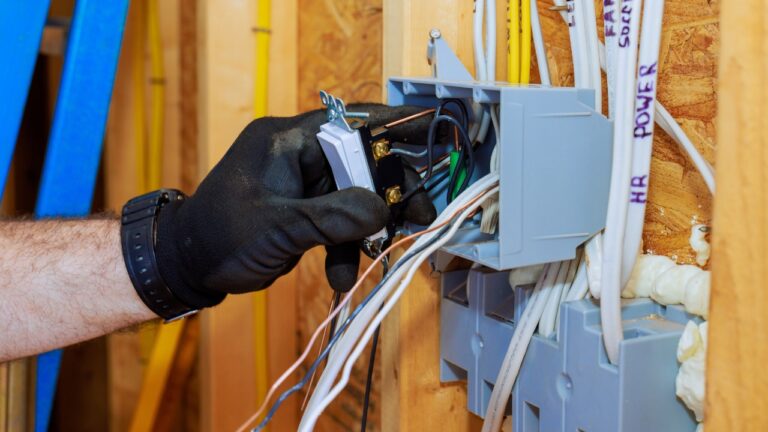
Beyond obvious items like square footage and roof age, your premium is shaped by a long list of variables that rarely show up in marketing brochures. The age of your wiring, the distance to the nearest fire hydrant, your dog’s breed, and even your credit based insurance score can all influence how your home is priced. Insurers use these details to predict how likely you are to file a claim and how expensive that claim might be, and they adjust your rate accordingly.
Detailed breakdowns of Dec, Factors, Some of the elements that affect the cost of home insurance list personal characteristics, property features, and coverage choices as separate buckets that all feed into your final price. Another guide to Dec, The Biggest Factors That Impact Home Insurance Premiums, Including the Details Most People Never Think About notes that what many homeowners do not realize is how much things like small water leaks, minor roof damage, or local crime trends can increase claim frequency and therefore push up premiums. When you ignore those less visible risk factors, you miss opportunities to make targeted improvements that could lower your bill.
Strategies to keep rising costs from overrunning your budget
While you cannot control the weather or global inflation, you do have levers you can pull to keep your insurance from quietly overwhelming your household finances. Raising your deductible, installing protective devices like monitored alarms or water shutoff systems, and bundling your home and auto policies can all earn discounts. Shopping around regularly, especially when your insurer announces a large increase, can also reveal how differently companies view the same risk profile.
Advisers on Sep, Rising Home Insurance Rates, What, Behind the Surge and How, Save, Causing the Spike recommend maintaining claims free discounts by avoiding small claims that could cost you more in higher premiums over time, and they warn that older homes often carry higher base rates. Practical checklists of Dec, While smart strategies to tackle rising home insurance costs highlight steps like improving your roof, updating outdated systems, and reviewing your coverage annually to remove outdated endorsements. Insurers themselves outline that Rate, Premium, What, Difference, Your, Any discounts applied to your policy, such as loyalty or protective device credits, are part of the premium calculation, which means you should verify that every discount you qualify for is actually being applied.
Like Fix It Homestead’s content? Be sure to follow us.
Here’s more from us:
- I made Joanna Gaines’s Friendsgiving casserole and here is what I would keep
- Pump Shotguns That Jam the Moment You Actually Need Them
- The First 5 Things Guests Notice About Your Living Room at Christmas
- What Caliber Works Best for Groundhogs, Armadillos, and Other Digging Pests?
- Rifles worth keeping by the back door on any rural property
*This article was developed with AI-powered tools and has been carefully reviewed by our editors.