9 Animals That Actually Earn Their Keep
Photo credit: Kuttelvaserova Stuchelova/ Shutterstock.com
Raising animals can be rewarding, but let’s be honest—not every critter pulls its weight. Some eat more than they give back, and others just take up time and space. But there are a handful of animals that truly earn their keep—whether it’s through food, pest control, or practical work around the homestead.
If you’re looking to add livestock that actually contributes, here are 10 animals that prove their worth day in and day out.
Chickens
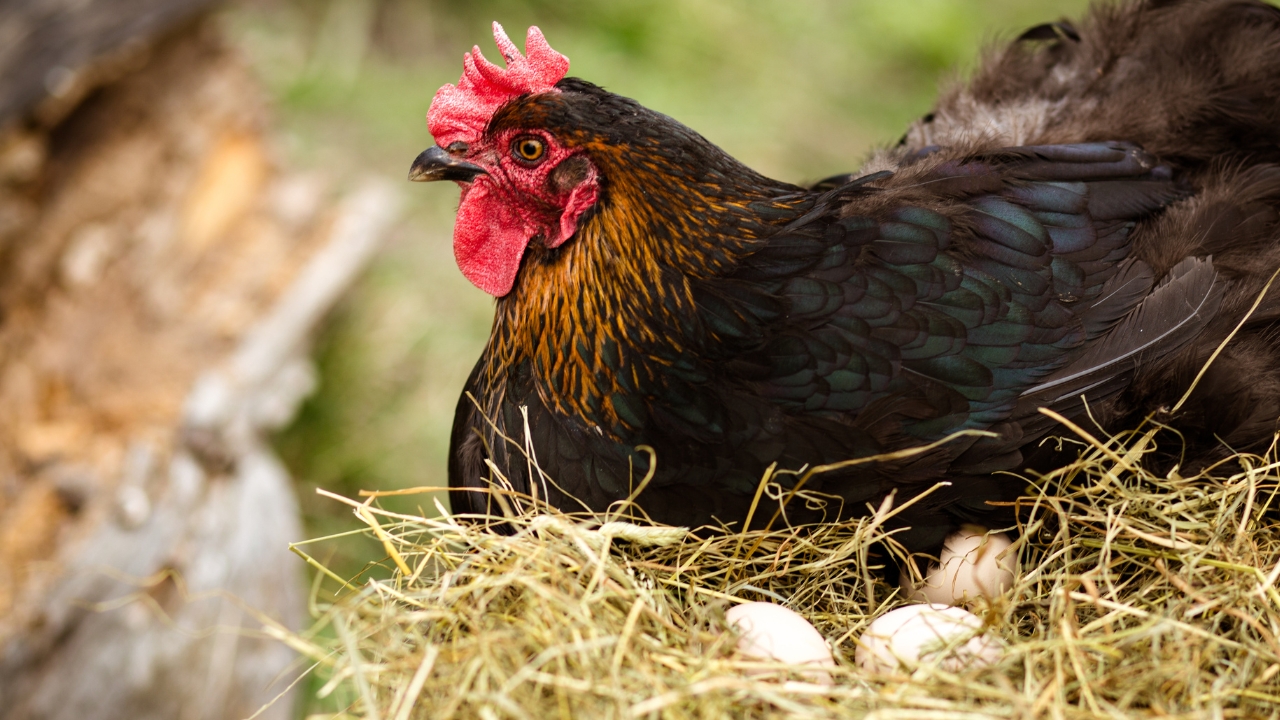
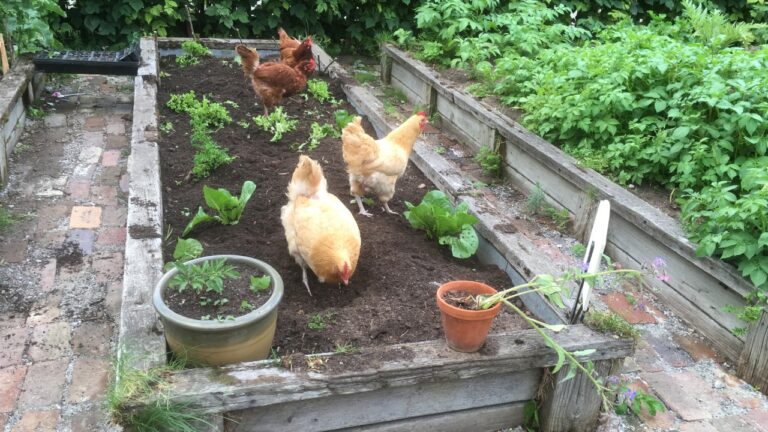
Chickens are one of the best all-around animals to keep. They give you fresh eggs almost daily, help with composting, and scratch up bugs and weeds while they forage.
They’re low-maintenance and easy to integrate into small spaces. Plus, their manure adds nitrogen to your compost pile, making them useful beyond the breakfast table.
Goats
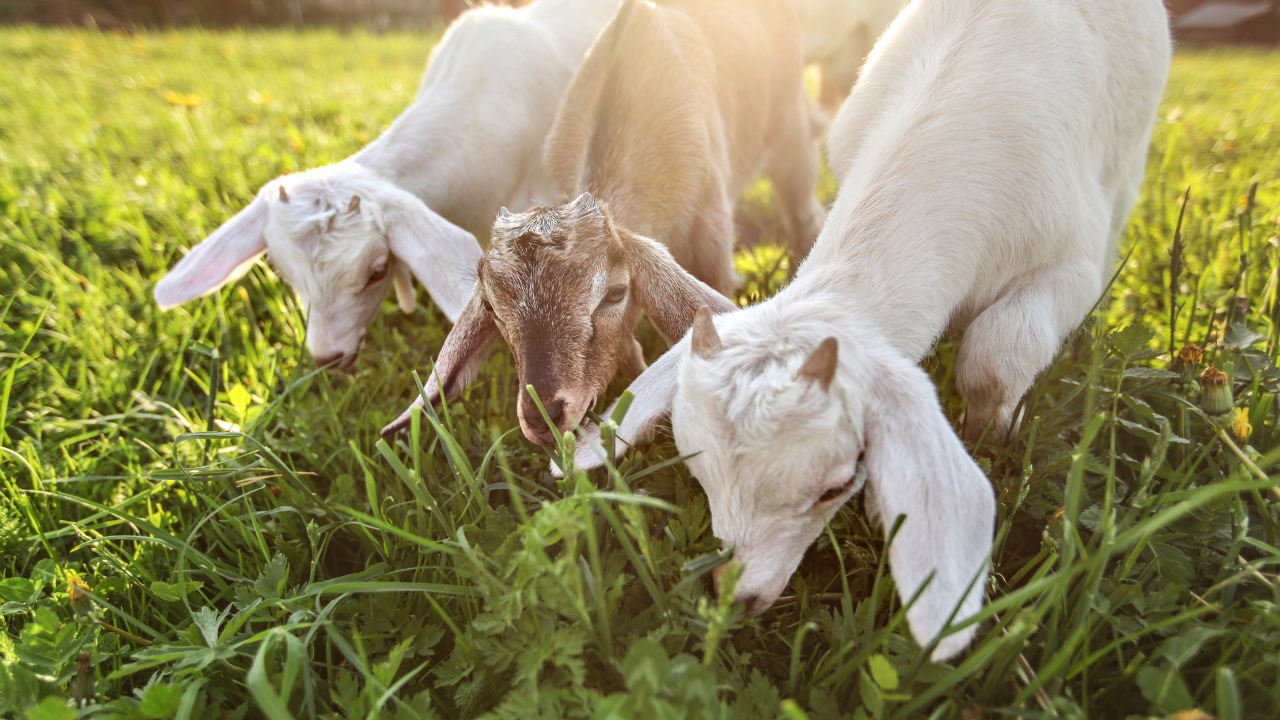
Goats aren’t just for milk—they’re also fantastic brush clearers. They’ll tackle weeds, brambles, and overgrown areas that are hard to mow.
Milk breeds like Nubians or Alpines can produce enough for drinking, cheese, and soap-making. As long as your fencing is tight (and we mean tight), they’ll put in real work.
Rabbits
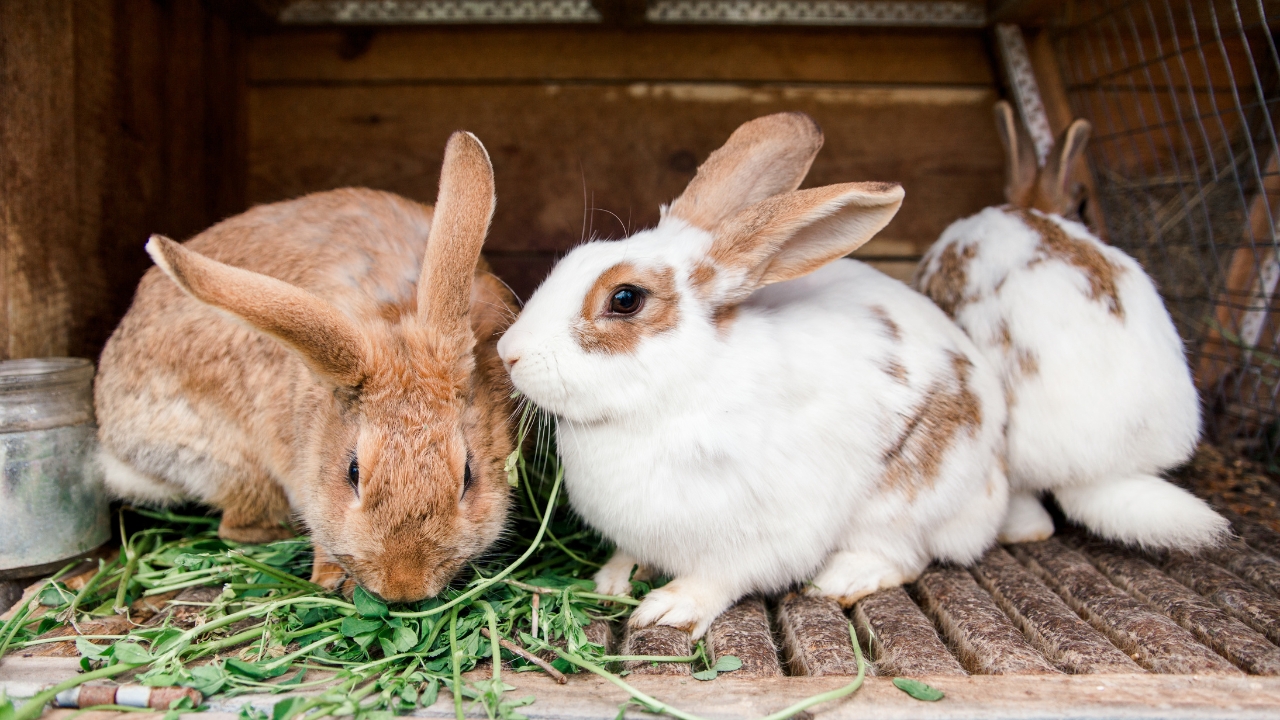
Rabbits are quiet, take up little space, and reproduce fast. Whether you’re raising them for meat or manure, they’re efficient animals that provide more than they take.
Their droppings are considered “cold” fertilizer, meaning they can go straight into the garden without composting. If you’re serious about growing food, rabbits can absolutely support that.
Ducks

Ducks lay eggs like chickens but tend to be hardier in colder, wetter conditions. Their eggs are richer and often preferred for baking.
They’re also incredible pest control—especially for slugs, which chickens usually ignore. If your garden battles with bugs, ducks will happily patrol for you.
Livestock Guardian Dogs

A well-trained LGD does more than bark—they actively protect your animals from predators. That can mean the difference between a healthy flock and waking up to a disaster.
Breeds like Great Pyrenees, Anatolians, and Maremmas are bred for this kind of work. They’re not pets—they’re workers—but they absolutely earn their keep on a homestead.
Honeybees
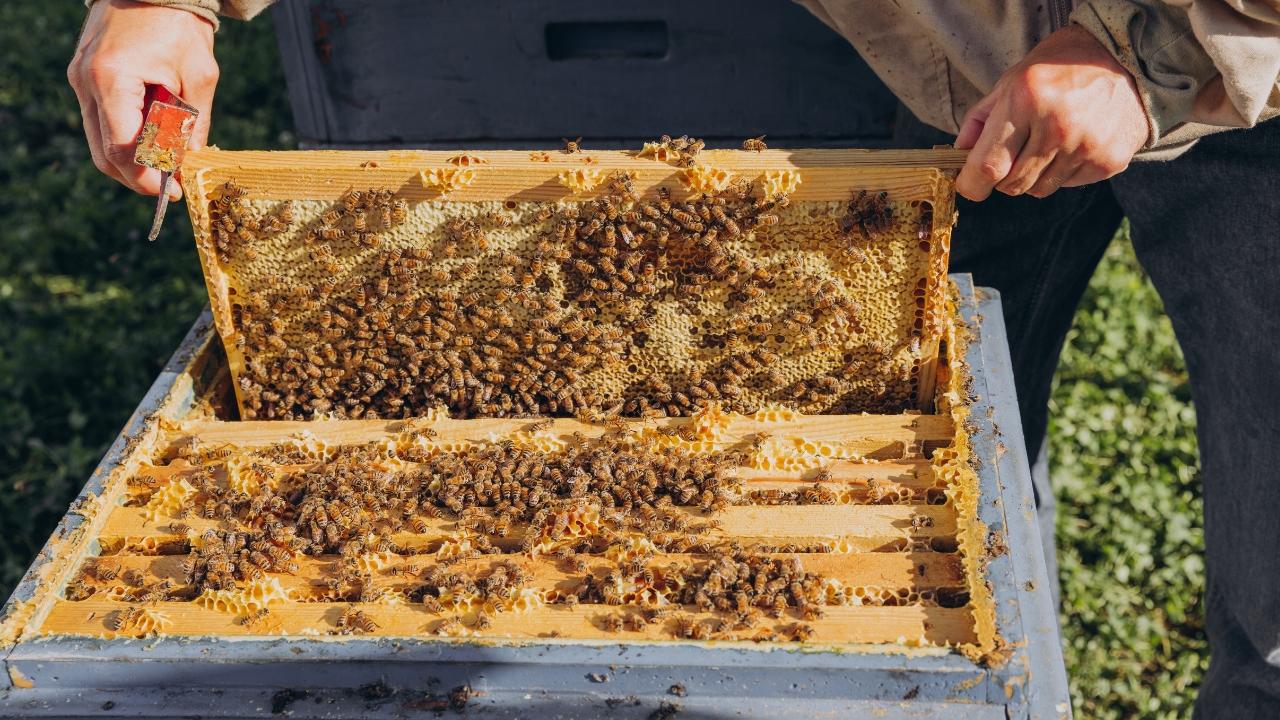
Bees don’t take up much space, but they do a lot. They pollinate your garden, orchard, and nearby wild plants—plus they give you honey, wax, and propolis.
Managing bees takes a little learning, but once you’ve got the basics down, they pay for themselves. Healthy hives can give you gallons of honey a year and boost your whole homestead’s production.
Guinea Fowl

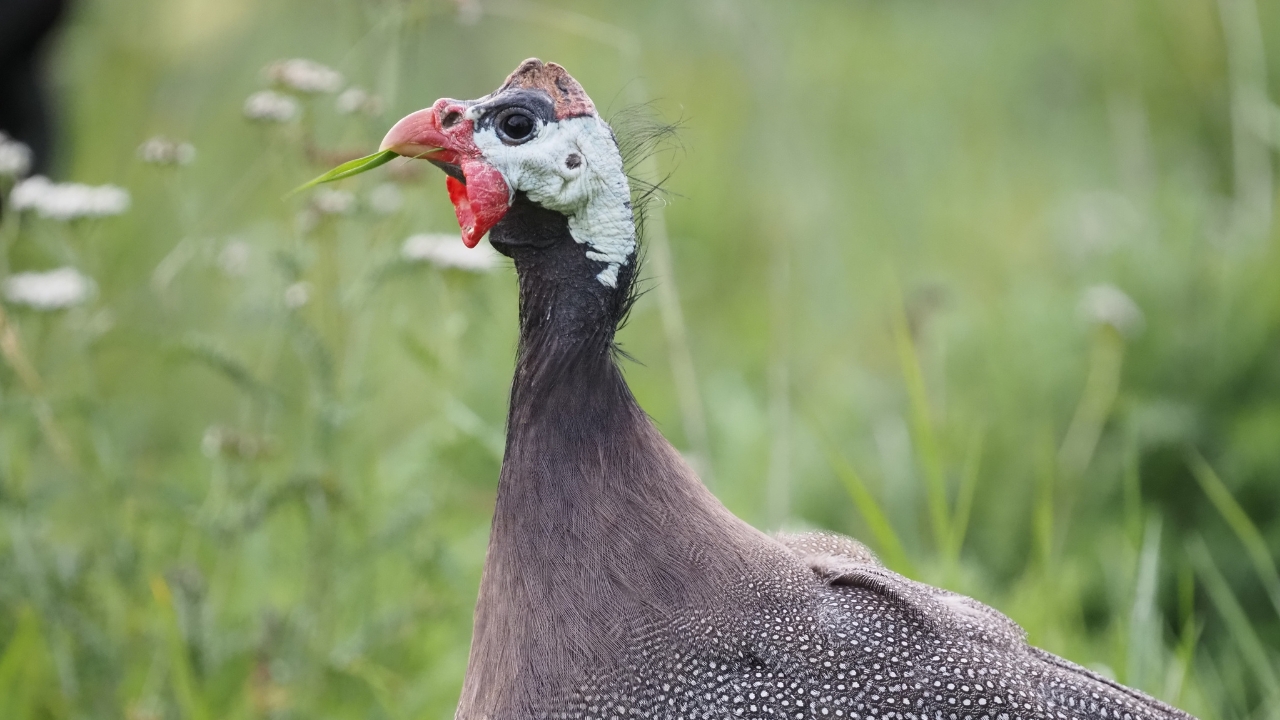
Guineas are loud, but they’re serious tick hunters. If you’ve got property in a tick-heavy area, a flock of guineas can help keep the population down.
They’re also decent watchdogs—they’ll raise a racket if something’s not right. Just know they’re not great with fences and tend to roam more than chickens or ducks.
Pigs
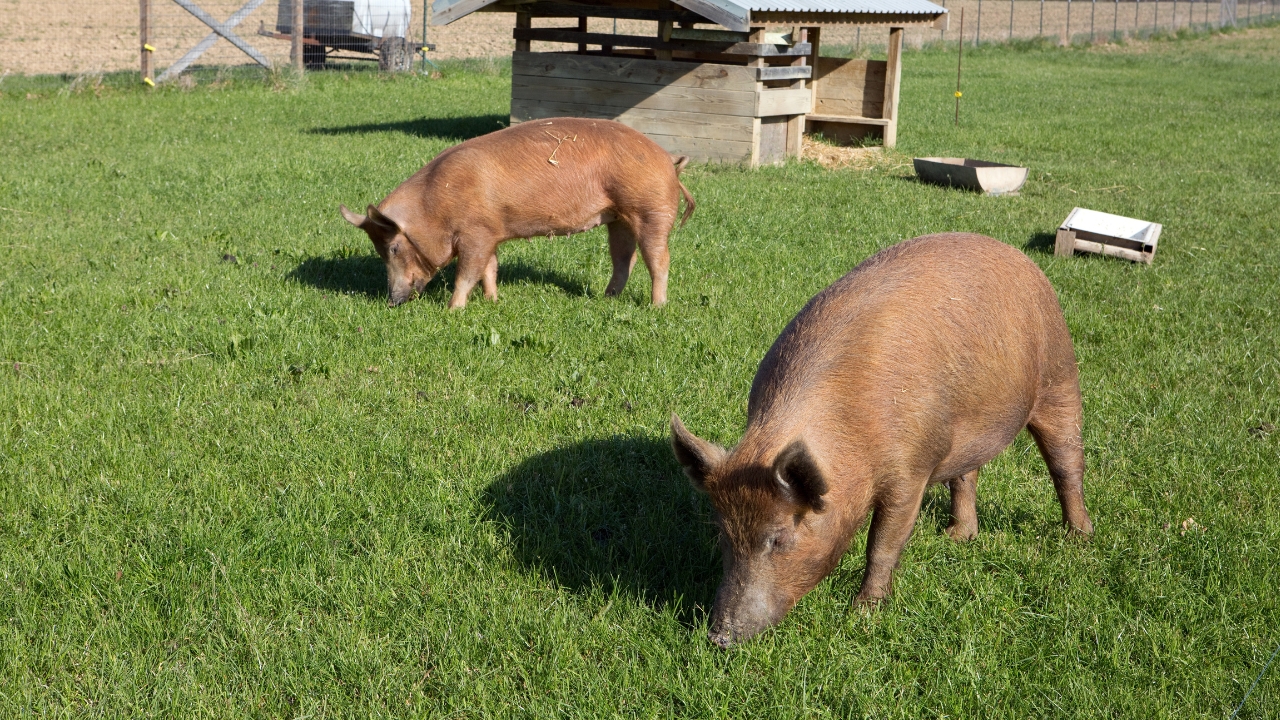
Pigs are efficient converters of food into meat, and they’ll eat just about anything. They can also clear land quickly with their rooting behavior.
While they require good fencing and a sturdy setup, a couple of pigs raised each year can provide enough meat to stock your freezer. Plus, their manure is valuable when composted properly.
Donkeys
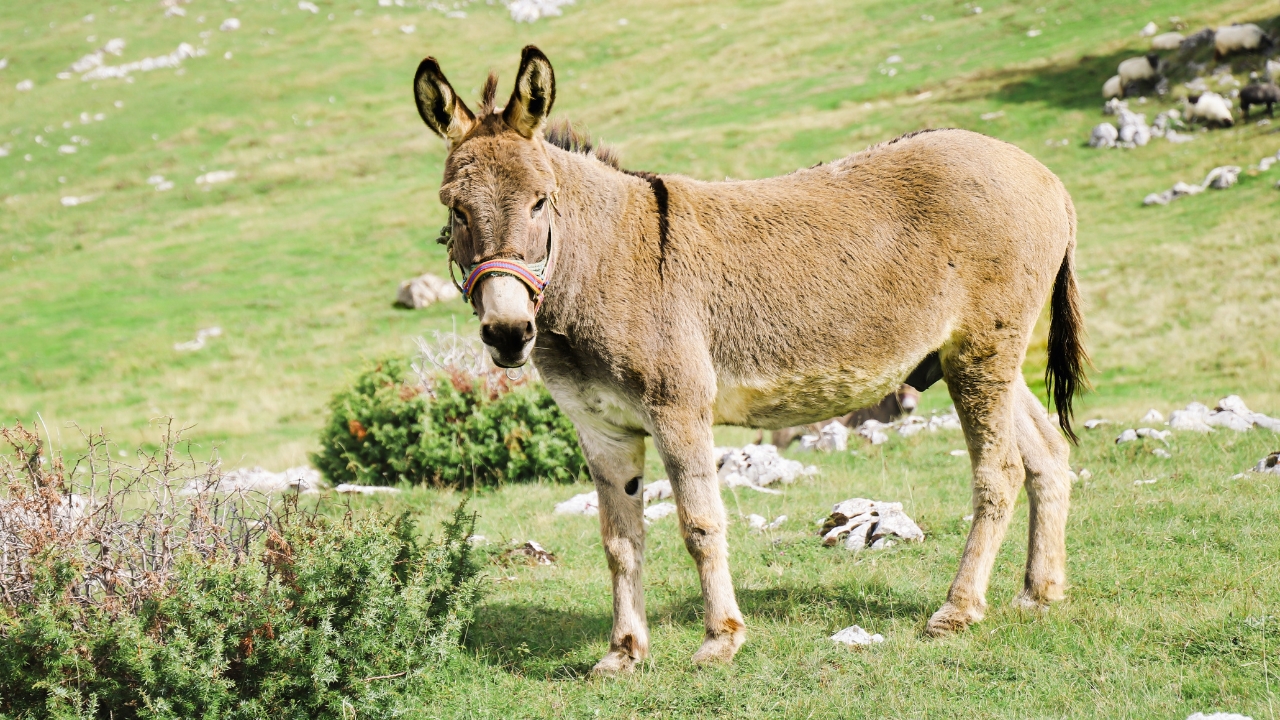
Donkeys are often forgotten about, but they can be excellent livestock guardians—especially against coyotes. They’re territorial, strong, and naturally protective of their herd.
They also don’t require much beyond hay, water, and hoof care. If you’re running sheep or goats, a donkey can be a surprisingly effective and low-maintenance helper.
Like Fix It Homestead’s content? Be sure to follow us.