Heat pumps are still a hot topic, but the install quality matters more than the brand
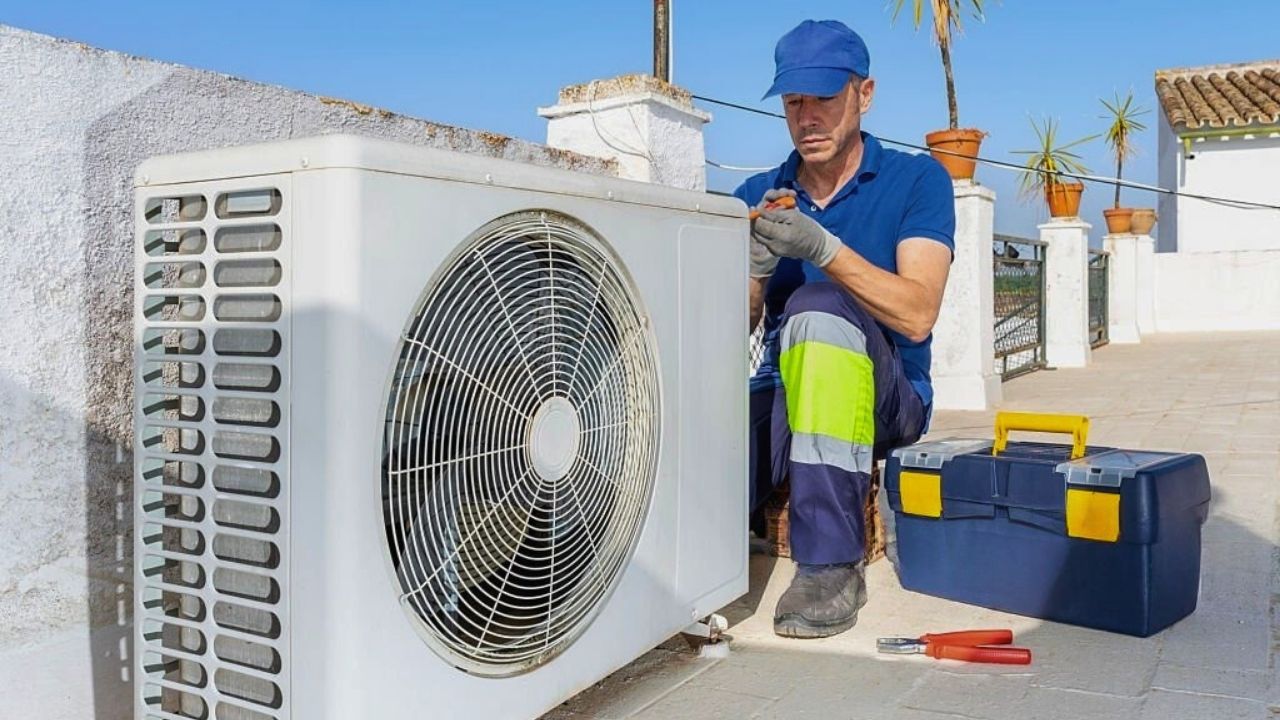
Photo credit: Rafa Jodar/istock.com
Heat pumps have become a kind of Rorschach test for the future of home comfort: to some people they are a climate solution, to others an expensive gamble. What rarely makes it into the marketing copy is that the quiet determinant of whether you end up thrilled or frustrated is not the logo on the outdoor unit, but the quality of the design and installation behind it. If you focus your time and budget on the right installer, the specific badge on the box matters far less than you might think.
That is not to say brand is irrelevant, especially if you live in a harsh climate or need advanced features. It is simply that even the most premium equipment will underperform, break early, or drive up your bills if it is sized, charged, or commissioned poorly. The smartest way to shop is to treat the heat pump as a system, not a product, and to judge that system by the people and process that put it in your home.
Why the installer often matters more than the brand
When you compare heat pump brochures, you are mostly looking at variations on the same engineering: a compressor, a refrigerant circuit, a fan, and controls. The real spread in outcomes comes from how carefully someone matches that hardware to your home, sets it up, and stands behind it. Industry guidance on Installation and Sizing is blunt about this: You can buy the best, most expensive unit on the market, but if it is installed incorrectly, you risk poor comfort and dramatically shortening its life. That is not a minor detail, it is the difference between a system that quietly runs for decades and one that becomes a recurring line item in your household budget.
Even brand comparison guides that rank Bosch, Carrier, or Mitsubishi still stress that the installer matters more than the logo. One such overview notes that Just keeping brand in mind is not enough and that Whichever manufacturer you choose, you should prioritize the contractor who will design and commission the system, because that is what determines whether you actually see the promised efficiency and comfort in your own rooms. In practice, that means you should spend at least as much time vetting the company that will do the work as you spend debating which model number to buy.
What “quality installation” really means in your home
Quality installation is not a marketing slogan, it is a checklist of specific tasks that either get done correctly or get skipped. At a minimum, a good contractor will calculate the heating and cooling load for your house, select equipment that matches those numbers, design ductwork or line sets that can actually move the required air or refrigerant, and then verify that the system performs as expected. Technical guidance on Research into quality installation shows that airflow and refrigerant charge faults significantly reduce efficiency and capacity, and that these errors are common when systems are rushed into place without proper commissioning.
That same analysis links sloppy work to premature equipment failure and noisy operation, both of which you will feel long before the warranty expires. A professionally installed heat pump is expected to deliver consistent comfort while minimizing energy usage, and guidance framed as Why Professional Heat Pump Installation is Crucial highlights the importance of correct sizing and placement to achieve that. In other words, quality installation is not just about neat copper lines on the wall, it is about a disciplined process that starts with design and ends with measured performance.
How bad installs quietly sabotage even the best equipment
When a heat pump is installed badly, it rarely fails in a dramatic way on day one. Instead, it limps along, using more power than it should, cycling on and off, and wearing out parts faster than the manufacturer ever intended. One guide to Common Mistakes to Avoid During Heat Pump Installation notes that a badly installed heat pump does not fail on day one, it quietly underperforms for years, never delivering the performance you are paying for. That kind of slow-motion failure is easy to miss until your utility bills and repair invoices tell the story.
Real world examples of improper installation show how this plays out. Case studies of bad HVAC work describe systems where While brand is important, the make and model were overshadowed by the fact that the heat pump was installed incorrectly, with kinked line sets, missing insulation, or outdoor units placed where snow and debris could choke airflow. In those scenarios, the homeowner might blame the manufacturer, but the real culprit is the shortcut taken on day one. Once you understand that, it becomes clear why you should treat installation quality as a core part of the purchase, not an afterthought.
Why sizing and design decisions matter more than the logo
One of the most common and costly mistakes is getting the size wrong. Oversized systems short cycle, which means they turn on and off frequently, never settle into efficient operation, and leave rooms with uneven temperatures. Undersized systems run constantly, struggling to keep up and wearing themselves out. Guidance on Common Heat Pump Mistakes and What To Do About Them is explicit that the wrong size heat pump is a major problem, and that proper sizing must account for insulation, windows, and household size, not just square footage.
Longevity data reinforces the point. When experts discuss how long a system should last, they note that the energy consumption of a heat pump is heavily influenced by installation quality, including duct design and airflow obstructions, and that addressing those issues can boost efficiency and extend life. One overview of how long heat pumps last ties lifespan directly to whether the system was sized and installed correctly in the first place. If you want your investment to run for decades, the design work on day one matters more than whether the outdoor unit is painted gray or beige.
What pros mean by “professional installation”
When contractors talk about professional installation, they are not just defending their trade, they are pointing to a set of practices that protect your investment. A high quality installation is described as one that includes careful planning, proper tools, and clear communication throughout the job, and guidance on Why Your HVAC Equipment is Less Important than the People Installing It makes the case that the people doing the work are the real product you are buying. When those people take the time to explain options, document settings, and show you how to use the controls, you are far more likely to get the comfort and savings you were promised.
Professional installation also means avoiding the predictable pitfalls that plague rushed jobs. Detailed guidance on Avoid Costly Mistakes and Why Professional Heat Pump Installations Matter explains that correct commissioning delivers efficiency and performance benefits that translate into a much more sustainable home environment. That includes verifying refrigerant charge, checking airflow, and confirming that the system actually meets the design load. When you see those steps happening in your home, you are seeing the difference between a basic hookup and a professional installation.
How brand still fits into the decision
None of this means you should ignore brand entirely. Some manufacturers offer better cold climate performance, quieter indoor units, or more flexible controls, and those differences can matter in specific homes. Consumer facing advice on whether brand matters for an air conditioner is clear that the short answer is YES, the brand does matter when you purchase a new HVAC system for your home. However, that same guidance adds that as long as you choose a reputable manufacturer and pair it with a competent installer, you are likely to get good results, which is why the YES comes with a big However attached.
Brand comparison guides echo this nuance. When you read through rankings of the best heat pump brands, you will see that Just because a manufacturer scores well on reliability or support does not mean it can overcome a sloppy install, and that Whichever brand you pick, you should still prioritize the installer. One detailed comparison of best heat pump brands explicitly states that the installer matters more, even as it walks through the pros and cons of Bosch, Carrier, and Mitsubishi. The practical takeaway is that you should narrow your brand choices to a few solid options, then let the quality of the local contractor and their familiarity with a given line be the tiebreaker.
What homeowners and practitioners say from the field
If you listen to people who work with these systems every day, you hear the same theme. In one widely shared discussion, a Top 1% Commenter using the handle maddrummerhef summed it up this way: For the most part a box is a box. They have similar technology and similar components, and the real difference is who installs and services it. That sentiment, captured in a thread on heat pump brands, reflects the lived experience of technicians who see the same models perform beautifully in one house and poorly in another depending on the quality of the work.
Professional educators in the space make a similar argument, sometimes with more colorful language. In one video on how to choose the best heat pump brand, the host notes that some popular models do not fit every situation and jokes that they do not fit it they are the VW goals of heat pumps, then says they would quite like to turn this discussion on its head by focusing on design and installation instead of brand tribalism. That framing, shared in a segment published in Nov, is a reminder that even people who know the product lines inside out still see installation quality as the main lever you control.
Common problems that trace back to installation, not equipment
When homeowners complain about heat pumps, the symptoms often sound like equipment defects, but the root cause is frequently installation. Reports of systems that struggle in cold snaps, make odd noises, or deliver weak airflow often point back to improper installations or equipment that is not designed for harsh winter conditions. One overview of heat pump problems notes that There are many reasons why this is the case, from improper installations to equipment that is not designed for harsh winter climates, and that sorting out which is which requires a careful look at the original design.
Technical blogs that catalog installation mistakes are even more direct. A detailed look at the Importance of Correct Heat Pump Installation explains that Correct installation is vital to the system’s performance and lifespan, and lists errors like poor line set routing, inadequate condensate management, and incorrect thermostat configuration as recurring culprits. When you see those same issues show up across different brands and models, it becomes hard to argue that the logo is the main problem.
How to shop like a pro: prioritizing the right things
If you want to stack the odds in your favor, you need to shop for an installer with the same intensity you might bring to choosing a car. That starts with asking how they size systems, what calculations they use, and whether they will inspect your insulation and ductwork before recommending equipment. Guidance framed as The Importance of Correct Sizing and Placement stresses that Proper sizing and placement are non negotiable if you want comfort and efficiency, so any contractor who waves those questions away is giving you an early warning sign.
You should also ask how they handle commissioning and what kind of follow up they provide. Resources on improper installation show that many of the worst outcomes could have been avoided with a proper start up process that checked refrigerant charge, airflow, and controls. When you combine that with the blunt reminder that Correct installation is vital to performance and lifespan, and that You can buy the best unit and still be disappointed if the work is sloppy, the path forward is clear. Choose a solid brand, but put most of your energy into finding the people who will get the design and installation right from day one.
Like Fix It Homestead’s content? Be sure to follow us.
Here’s more from us:
- I made Joanna Gaines’s Friendsgiving casserole and here is what I would keep
- Pump Shotguns That Jam the Moment You Actually Need Them
- The First 5 Things Guests Notice About Your Living Room at Christmas
- What Caliber Works Best for Groundhogs, Armadillos, and Other Digging Pests?
- Rifles worth keeping by the back door on any rural property
*This article was developed with AI-powered tools and has been carefully reviewed by our editors.