CPSC is warning again about winter storms and the CO mistakes that keep killing families
Photo credit: Aleksandr Potashev/istock.com
Winter storms are again bearing down on the United States, and with them comes a quieter, deadlier threat than ice or wind: carbon monoxide seeping into homes when the power goes out. Federal safety officials are repeating the same blunt warning you have heard before because families keep dying from the same avoidable mistakes with generators, heaters, and blocked vents.
If you rely on backup power or alternative heat when the grid fails, the choices you make in those first cold, dark hours can decide whether everyone in your home wakes up. Understanding how carbon monoxide works, and how the U.S. Consumer Product Safety Commission is trying to keep you ahead of it, is now as essential as stocking batteries and bread.
Why CPSC keeps sounding the alarm as storms roll in
Each winter, as new systems form over the central Plains and sweep across the Midwest and the Ohio Valle, you are told to prepare for snow and ice, but the U.S. Consumer Product Safety Commission is focused on what happens after the lights go out. The agency has again warned that winter storms and freezing temperatures are threatening millions of households across the country, and that the real danger often starts when you drag a generator into a garage or fire up a grill inside to stay warm. In its latest national alert, the CPSC stressed that these outages routinely trigger deadly carbon monoxide clusters, turning what should be an inconvenience into a mass casualty risk for neighborhoods that lose power together.
Officials in WASHINGTON have framed this season’s guidance as part of a broader winter storm safety push, tying it to a dedicated set of safety tips that walk you through what to do before, during, and after a storm. On its Winter Storm Safety hub, the CPSC highlights that, as Winter Storms Threaten Millions, it Issues Safety Tips to Help Families Prevent Carbon Monoxide Poiso, underscoring that these are not abstract guidelines but specific steps meant to keep your household alive when temperatures plunge and the grid fails around you.
The invisible gas that turns outages into emergencies
Carbon monoxide is often described as a silent killer, and that is not a cliché when you are trapped in a sealed-up house during a blizzard. You cannot see or smell this gas, yet it binds to your blood more effectively than oxygen, starving your organs while you think you are just tired from shoveling or stressed by the outage. Federal fire officials emphasize that early symptoms can look like the flu, with headaches, dizziness, or nausea, which is why people often lie down to “sleep it off” and never wake up.
To cut through that invisibility, national fire safety guidance urges you to Protect your family from the dangers of CO by installing and maintaining alarms inside your home that can provide early warning of rising levels. Those same recommendations tell you to Install and test devices on every level and near sleeping areas, and to Inspect fuel burning appliances regularly so they do not leak exhaust into living spaces. When you combine those baseline protections with the CPSC’s repeated warnings about storm-related outages, you start to see carbon monoxide not as bad luck but as a predictable hazard you can plan around long before the forecast turns ugly.
Generators: the lifesaving tool that keeps killing people
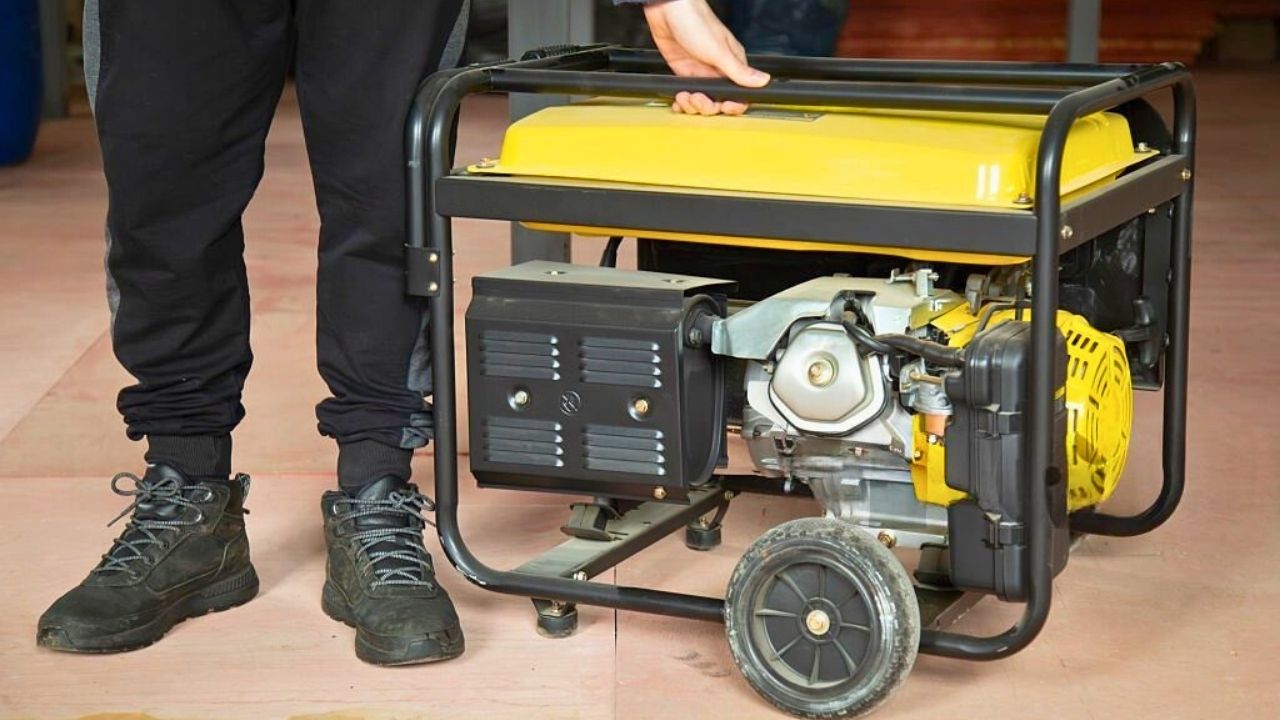
Portable generators are often the first thing you reach for when the power fails, yet they are also one of the most common sources of fatal carbon monoxide during winter storms. The CPSC has been blunt that you should NEVER operate a portable generator inside a home, garage, basement, crawlspace, shed, or on a porch, no matter how well ventilated you think it is. Even with doors cracked or windows open, exhaust can build up in low-lying or attached spaces and seep into bedrooms, especially when the rest of the house is sealed tight against the cold.
Safety officials now stress that opening doors or windows will not provide enough ventilation to prevent the buildup of lethal levels of CO when a generator is running nearby. Instead, they instruct you to Operate portable generators outside only, at least 20 feet from the house, with the exhaust pointed away from doors, windows, and vents, and to keep children and pets away from the area where fumes are present around the generator. Those specifics are repeated across winter storm advisories because, year after year, families still roll generators into attached garages or under carports to keep them “out of the weather,” not realizing that the exhaust is drifting straight into the rooms where everyone is trying to stay warm.
Space heaters, fireplaces, and the myths that put you at risk
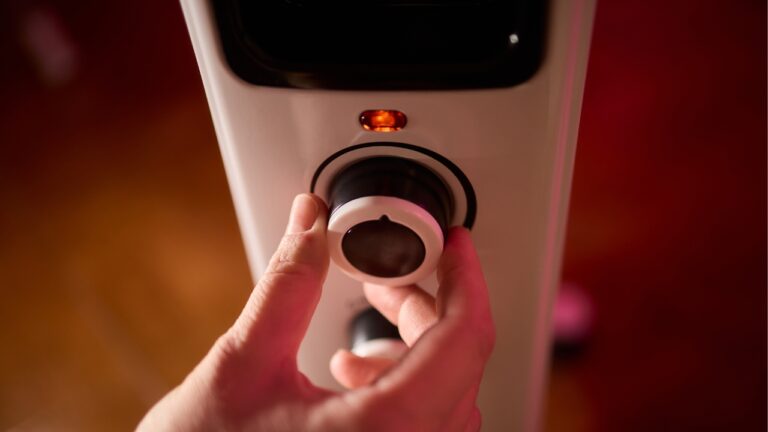
When the furnace stops, you may turn to portable heaters or fireplaces, assuming they are safer than a generator because they feel familiar. The CPSC’s guidance makes clear that this comfort can be misleading, especially when you crowd heaters near furniture or drape blankets over them to “trap” warmth. Officials warn that you must keep all sides of the heater at least three feet from curtains, bedding, and other flammable materials, and that you should never leave children or pets around portable heaters without constant supervision, since a knocked over unit can ignite a room in seconds.
Another persistent myth is that charcoal or gas grills can double as indoor heaters in an emergency, a belief that has killed entire families in past storms. Federal safety alerts state plainly that you should NEVER use charcoal indoors and never bring a portable gas grill into a living room or garage to warm up a space. The same warnings explain that you must fully extinguish any fuel burning appliance before sleeping and ensure the room is ventilated, because smoldering embers can keep producing carbon monoxide long after the visible flames are gone. When you treat every alternative heat source as a potential exhaust pipe, rather than a cozy accessory, you start to make choices that keep both fire and fumes under control.
Why “cracking a window” is not a safety plan
One of the most dangerous assumptions you can make in a winter storm is that a little fresh air will neutralize any carbon monoxide risk. The CPSC has explicitly warned that Opening doors or windows will not provide enough ventilation to prevent the buildup of lethal levels of CO when you are running fuel burning equipment nearby. In a tightly insulated home, especially during a blizzard when snow piles against exterior walls, exhaust can accumulate faster than it escapes, turning basements, attached garages, and even main living areas into toxic pockets.
That is why the agency’s winter storm messaging keeps returning to the same core rule: treat any device that burns gasoline, propane, wood, or charcoal as an outdoor-only tool unless it is a permanently installed appliance vented to the outside by a qualified professional. When you follow that rule, you are aligning with the broader Winter Storm Safety guidance that, As Winter Storms Threaten Millions, CPSC Issues Safety Tips to Help Families Prevent Carbon Monoxide Poiso, and you are rejecting the false comfort of half measures like cracked windows or propped open doors that do little more than let in more cold air.
Alarms, vents, and the small checks that save lives
Even if you never touch a generator, your home can still fill with carbon monoxide when snow and ice clog the systems you use every day. State Fire Marshal Jon M. Davine in Massachusetts has urged residents to be sure that outside vents for furnaces, water heaters, and clothes dryers stay clear of snow, after a woman in Plymouth was poisoned when exhaust accumulated inside her home because drifting snow blocked the outlet. That warning, issued from STOW as With the season’s first significant snow approached parts of Massachusetts, is a reminder that you need to think beyond the obvious sources and look at every pipe and vent that carries combustion gases out of your house.
Alongside those physical checks, you should regularly test and replace the carbon monoxide alarms that stand between your family and a silent buildup. National fire safety guidance tells you to Install and maintain CO alarms inside your home to provide early warning of CO, to place them on every level and near sleeping areas, and to replace units according to manufacturer instructions so sensors do not quietly fail. The CPSC’s winter messaging reinforces that you should install battery operated alarms or those with battery backup, so they keep working even when storms knock out power and lethal levels of CO can build up in the house while everyone is relying on backup heat.
Storm prep: what to fix now, before the forecast turns
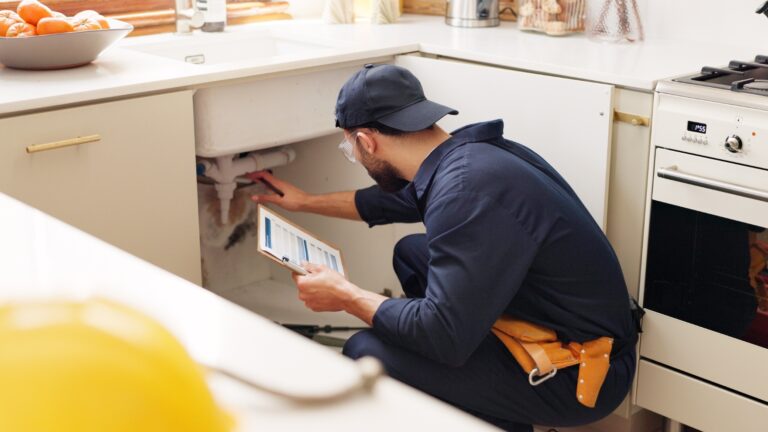
Waiting until the first outage to think about carbon monoxide is like waiting until your car skids to learn how to brake on ice. The CPSC’s seasonal advisories urge you to treat storm preparation as a checklist that includes fuel burning equipment, not just flashlights and canned food. That means servicing your furnace, having chimneys and flues inspected, and confirming that any portable generator you own is stored outside, fueled safely, and ready to be placed at least 20 feet from the house with extension cords rated for outdoor use.
Holiday travel adds another layer of risk, which is why federal safety officials have issued specific guidance as Winter Weather Impacts Millions This Thanksgiving. They advise you to Look for signs that your appliances are not working properly, such as soot or rust around burners, and to avoid using any products that have been under water in past floods, since corrosion can damage safety controls and venting. When you fold those checks into your broader storm planning, you are not just reacting to the latest alert, you are building a routine that keeps carbon monoxide risks low every time the forecast hints at trouble.
New rules, new tech, and why you still need to act
Regulators are not relying on public service announcements alone to cut carbon monoxide deaths, and you are starting to see that in the products on store shelves. New carbon monoxide safety requirements are coming into effect for alarms, including features that give you that light sensation so that if you are hard of hearing or deaf you get that instant alarm without a delay. A recent briefing in Dec highlighted how these visual alerts, combined with louder sounders and stricter performance standards, are designed to reach people who might otherwise sleep through a traditional beeping detector.
On the product side, the Consumer Product Safety Commission has been pressing manufacturers to improve generators and heaters so they emit less carbon monoxide and shut down when exhaust levels spike. Earlier guidance from the CPSC urged you to check CO and Smoke Alarms and to NEVER operate a portable generator in enclosed spaces, and those behavioral rules are now being paired with hardware that can sense and respond to dangerous conditions automatically. Yet even the smartest device cannot overcome a bad decision to run a generator in a garage or to bring a charcoal grill indoors, which is why officials keep repeating the same simple word in capital letters: NEVER.
Turning official warnings into a family safety plan
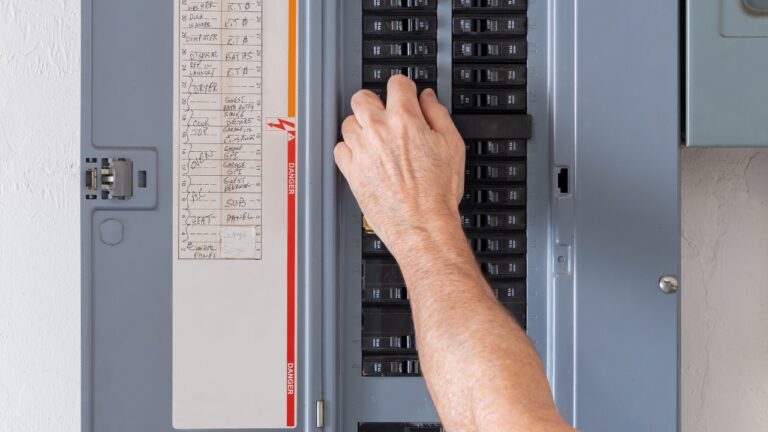
Government advisories can feel abstract until you translate them into specific actions for your household, and winter storms are not the time to improvise. Start by walking through your home and identifying every fuel burning appliance, from the furnace and gas stove to portable heaters and the generator in your shed, then decide where each one can be used safely and where it is strictly off limits. The CPSC’s Winter Storm Safety page pulls these expectations together, explaining that As Winter Storms Threaten Millions, CPSC Issues Safety Tips to Help Families Prevent Carbon Monoxide Poiso, and you can turn that into a simple written plan taped near your electrical panel or emergency kit.
As new alerts go out from WASHINGTON and as financial outlets report that winter storms threaten millions across the country, you will keep hearing the same core message: carbon monoxide deaths are preventable if you respect the fuel burning tools you rely on. A recent advisory circulated widely through winter storm coverage repeated the call to Clear snow away from the outside vents for fuel burning appliances such as furnaces so that dangerous carbon monoxide does not back up into living spaces. When you combine that kind of practical step with alarms that meet the latest standards, a generator kept well away from the house, and a firm family rule that grills and charcoal never cross the threshold, you are not just heeding another seasonal warning, you are rewriting the story that too often ends with sirens on icy streets.
Supporting sources: Untitled, As Winter Storms Threaten Millions in the U.S., CPSC Issues …, As Winter Storms Threaten Millions in the U.S., CPSC Issues …, Winter is Coming, Keep Your Family Safe from Carbon …, As Winter Storms Threaten Millions in the U.S., CPSC Issues Safety …, As Winter Weather Impacts Millions, CPSC Issues Safety Tips …, As Winter Storms Threaten Millions in the U.S., CPSC Issues …, Winter Storm Safety | CPSC.gov, As Winter Weather Impacts Millions This Thanksgiving, CPSC Issues …, Carbon Monoxide Poisoning Prevention – USFA.FEMA.gov, New carbon monoxide safety requirements coming into effect, Check CO Alarms and Keep Vents Clear of Snow – Mass.gov, As Winter Storms Threaten Millions in the U.S., CPSC Issues …, As Winter Storms Threaten Millions in the U.S., CPSC Issues Safety ….
Like Fix It Homestead’s content? Be sure to follow us.
Here’s more from us:
- I made Joanna Gaines’s Friendsgiving casserole and here is what I would keep
- Pump Shotguns That Jam the Moment You Actually Need Them
- The First 5 Things Guests Notice About Your Living Room at Christmas
- What Caliber Works Best for Groundhogs, Armadillos, and Other Digging Pests?
- Rifles worth keeping by the back door on any rural property
*This article was developed with AI-powered tools and has been carefully reviewed by our editors.