The space heater placement habit that creates the worst fires in older homes
Photo credit: Callingcurlew23/istock.com
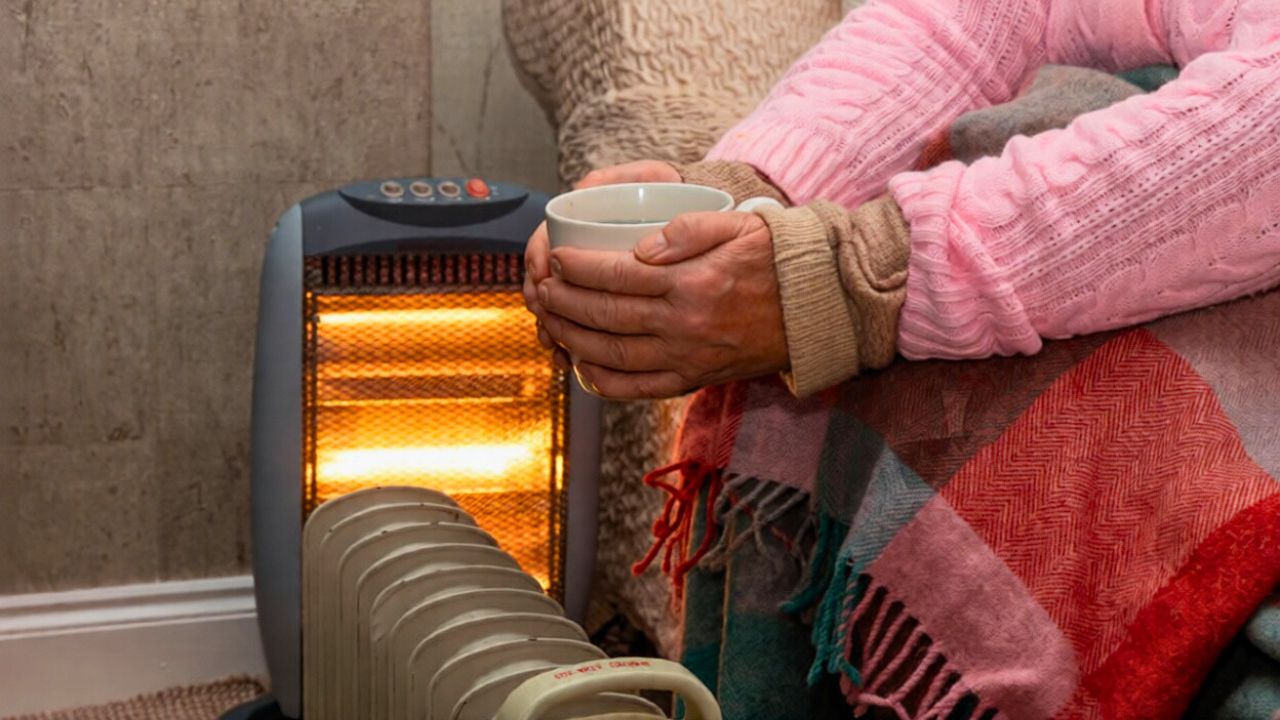
Space heaters feel like a simple fix for a cold room, especially in older homes that never quite shake the draft. Yet one everyday placement habit, putting a heater right up against something that can burn, is what turns a chilly night into a catastrophic fire. When you combine that mistake with aging wiring, crowded outlets, and cramped rooms, the risk in an older house climbs fast.
If you rely on a portable unit to get through winter, you need to think less about the heater itself and more about where you set it down. The difference between a safe corner and a dangerous one is often just a few feet of clearance, a solid surface instead of a soft one, and a dedicated outlet instead of an overloaded strip.
Why older homes are a perfect storm for heater fires
Older houses invite space heaters because their original heating systems were never designed for today’s expectations of comfort. Drafty windows, uninsulated walls, and cold basements push you toward plug-in heat, especially in rooms that were added later or converted from porches and attics. At the same time, those same homes often have aging electrical systems and fewer outlets, so every extra appliance you plug in, especially a high‑draw heater, adds strain that a modern house can absorb more easily. Inspectors routinely find that house fires caused by faulty electrical wiring are common, and that while modern homes have an ample supply of power and electrical outlets, older homes do not.
That shortage of outlets shapes how you place your heater. Instead of a clear, open spot on the floor near a dedicated receptacle, you may snake an extension cord under a rug or balance the unit on a table to reach the only plug in the room. Safety advisories point out that old buildings in particular often lack sufficient power outlets, and the common solution is to use power strips where several devices are plugged in and used simultaneously. When one of those devices is a heater drawing more current than anything else in the room, a placement choice that might be merely sloppy in a newer home can become the first link in a chain of failure in an older one.
The single worst habit: parking a heater right next to things that burn
The most dangerous placement habit in older homes is putting a space heater within arm’s reach of something that can ignite. In tight rooms with heavy drapes, upholstered chairs, and stacks of boxes, it is tempting to tuck the heater beside the sofa or under a window to keep it out of the way. That is exactly where it can do the most damage. Fire data show that one third of fires in the home are caused by space heaters igniting flammable items close‑by, which means the real hazard is not the device itself but what you let it touch.
In older houses, you are more likely to have long curtains that puddle on the floor, worn rugs, and aging furniture fabrics that light faster than modern fire‑resistant materials. When you slide a heater under a window or next to a bed to warm your feet, you are often putting it inches from those textiles. Safety campaigns repeatedly stress that heating equipment is a leading cause of home fires and that keeping combustibles away is non‑negotiable, a point underscored in national guidance on home heating fire prevention. In an older home, where escape routes may be narrower and smoke alarms less up to date, that one placement choice can erase the time you need to get out.
How close is too close: the three‑foot rule you cannot ignore
To turn that broad warning into something you can actually use, fire officials lean on a simple standard: a three‑foot buffer around every portable heater. You should picture an invisible circle where nothing that can burn is allowed, including furniture, bedding, clothing, and stacks of paper. That distance is not arbitrary. It reflects how quickly radiant heat can dry out and then ignite nearby materials, especially in older homes where fabrics and finishes have had decades to accumulate dust and wear. National fire educators describe this as a core part of home fire safety for heating equipment, putting it on the same level as smoke alarms and safe use of fireplaces.
Portable heater specialists echo that advice in more practical language, urging you to maintain a clear zone around any unit. One safety guide frames it as a golden rule, telling you to maintain a 3‑foot clear zone and keep children and pets away to prevent tipping accidents. Another federal flyer on portable heater fire safety reinforces the same idea, instructing you to keep them at least three feet from things that can burn. In a cramped older living room, that may mean rearranging furniture or accepting that a favorite chair cannot sit directly in front of the heater, but that trade‑off is what keeps a cozy corner from becoming a burn pattern on a fire report.
Soft surfaces, carpets and curtains: why “out of the way” is often the most dangerous spot
When you are trying not to trip over a heater, it feels logical to slide it onto a rug, tuck it behind a chair, or nestle it under a window where the cord reaches neatly. Those are exactly the locations that experts flag as high risk. Portable units can run hot enough to scorch or ignite fibers, and if they tip, they fall directly into the material that burns fastest. Consumer safety coverage on ways space heaters cause fires in our homes and how to prevent one singles out carpets, rugs, and spots near blankets, pillows, or curtains as places you should never use as parking for a heater.
Older homes magnify that risk because they often have original hardwood floors covered in throw rugs, long draperies hung close to radiators, and improvised room dividers made of fabric. When you place a heater on a soft surface, you reduce airflow around the unit and increase the chance that it will overheat or tip. Electrical safety advocates advise you instead to place space heaters on level, solid surfaces where they cannot easily be knocked over. That may mean sacrificing the perfect angle toward your favorite chair, but it also means a tipped heater will land on a floor that chars instead of a curtain that flashes.
Furniture, beds and unstable stands: the hidden tipping hazard
Another habit that feels harmless is lifting the heater off the floor so it can blow directly at you. In older houses, where vents may be low and windows drafty, you might set a unit on a wooden chair, a nightstand, or even a dresser to get the heat where you feel it. The problem is that furniture is rarely as stable as you think, especially when bumped by a pet or a half‑awake trip to the bathroom. Heating specialists warn that placing heaters on unstable furniture increases the risk of tipping and of the unit ending up too close to other objects.
Placement rules that focus on the floor are not just about stability, they are about what happens when something goes wrong. Safety guidance on heater positioning is blunt: always on the floor, never on furniture or soft surfaces. HVAC pros echo that advice, urging you to always place heaters on the floor and to keep them out of high‑traffic paths where someone walking in the area might knock them over. In a small bedroom in an older home, that may require rethinking where the bed and nightstand sit so the heater can stay low, level, and clear of bedding that could drape over it.
Bathrooms, laundry rooms and damp corners: when water meets old wiring
It is not just flames you need to worry about. Moisture and electricity are a dangerous mix, and older homes often have bathrooms and laundry rooms that were never wired with modern ground‑fault protection. Plugging a heater into those spaces adds shock and electrocution risks on top of fire hazards. Consumer guidance on risky locations notes that your space heater needs a dry, stable spot and should not be used in bathrooms and laundry rooms, where splashes and steam are part of the daily routine.
In older basements and utility rooms, the temptation is similar. You might plug in a heater to take the edge off while you do laundry or work at a bench, running the cord across damp concrete or past exposed pipes. Fire safety campaigns that address alternative heating methods urge you to think about the whole environment, not just the device, and to lean on central systems whenever possible. Local emergency managers point residents to the National Fire Protection Association and the U.S. Fire Administration for additional information on home heating safety, a reminder that if a room was not designed to be heated with a plug‑in unit, you should be cautious about improvising.
Old wiring, power strips and the overloaded outlet problem
Even if you get the physical placement right, the way you power a heater can quietly set up a fire. Older homes often rely on a handful of outlets per room, so you may be tempted to plug a heater into a power strip that already feeds a television, a lamp, and a phone charger. That is exactly the scenario electrical safety experts warn against. Fire investigators have documented that factors contributing to space heater fires include units being left on or not turned off, but also the broader context of how they are powered and supervised.
Guides on common household fire hazards explain that old buildings in particular often lack sufficient power outlets, and that the usual workaround, power strips loaded with several devices used simultaneously, can overheat. Heater safety checklists go further, advising you to avoid extension cords and to use only a dedicated outlet for a portable unit. One detailed rundown of common mistakes notes that frayed cords, damaged plugs, or overloaded circuits are all red flags, and that you should only use a dedicated outlet for a heater. In an older home, where circuits may already be near their limits, that advice is less a suggestion and more a survival rule.
Nighttime, naps and leaving heaters running unattended
Placement is not just about where the heater sits, it is about when you walk away from it. Many of the worst fires start at night, when a unit is left running beside a bed or a pile of laundry and no one is awake to notice the first whiff of smoke. Safety experts describe running a heater while you sleep as one of the biggest mistakes you can make, grouping it with leaving units on when you leave the house. Practical guides on preventing house fires stress that you should never run attended in the sense of assuming a heater can take care of itself.
Broader winter fire coverage reinforces that theme, warning that hidden hazards often emerge when people rely on portable devices and then forget about them. One report on seasonal risks notes that heating devices should never be left on unattended or while sleeping, placing that advice alongside warnings about colorless, odorless gases that can build up in tightly sealed homes. Fire officials in cold‑weather regions echo the point when they speak to local news, explaining that one of the biggest mistakes people make is putting space heaters too close to flammable items like curtains, beds, and furniture, and that simple steps like turning units off when you leave the room can significantly prevent fires, as highlighted in local fire warnings.
Simple placement rules that make older homes dramatically safer
Once you understand how much of the danger comes from where and how you use a heater, the fixes become surprisingly straightforward. Start by committing to the basics: keep a three‑foot radius clear of anything that can burn, set the unit on a flat, hard floor, and plug it directly into a wall outlet that is not shared with other high‑draw appliances. Federal guidance on heating safety and national campaigns on home fire safety both treat those steps as non‑negotiable, not optional extras. In an older home, where you may be working around quirks in layout and wiring, that might mean using fewer heaters but placing them more thoughtfully.
From there, layer on a few habits that cost nothing but attention. Before each season, inspect cords and plugs, and retire any unit with damage instead of taping it up. Follow manufacturer instructions that echo the advice to always keep your space heater on a stable surface and use safe power sources. Look for models with automatic shutoff if they tip or overheat, and position them where children and pets cannot reach them, a point reinforced in guidance that urges you to keep children away from portable heaters. Finally, resist the urge to crowd the unit. Home improvement experts put it plainly: do not set your space heater too close to anything that can burn, even if that means rearranging your seating instead of dragging the heater closer. In an older house, those small acts of discipline are what let you enjoy the warmth without gambling with the structure itself.
Like Fix It Homestead’s content? Be sure to follow us.
Here’s more from us:
- I made Joanna Gaines’s Friendsgiving casserole and here is what I would keep
- Pump Shotguns That Jam the Moment You Actually Need Them
- The First 5 Things Guests Notice About Your Living Room at Christmas
- What Caliber Works Best for Groundhogs, Armadillos, and Other Digging Pests?
- Rifles worth keeping by the back door on any rural property
*This article was developed with AI-powered tools and has been carefully reviewed by our editors.