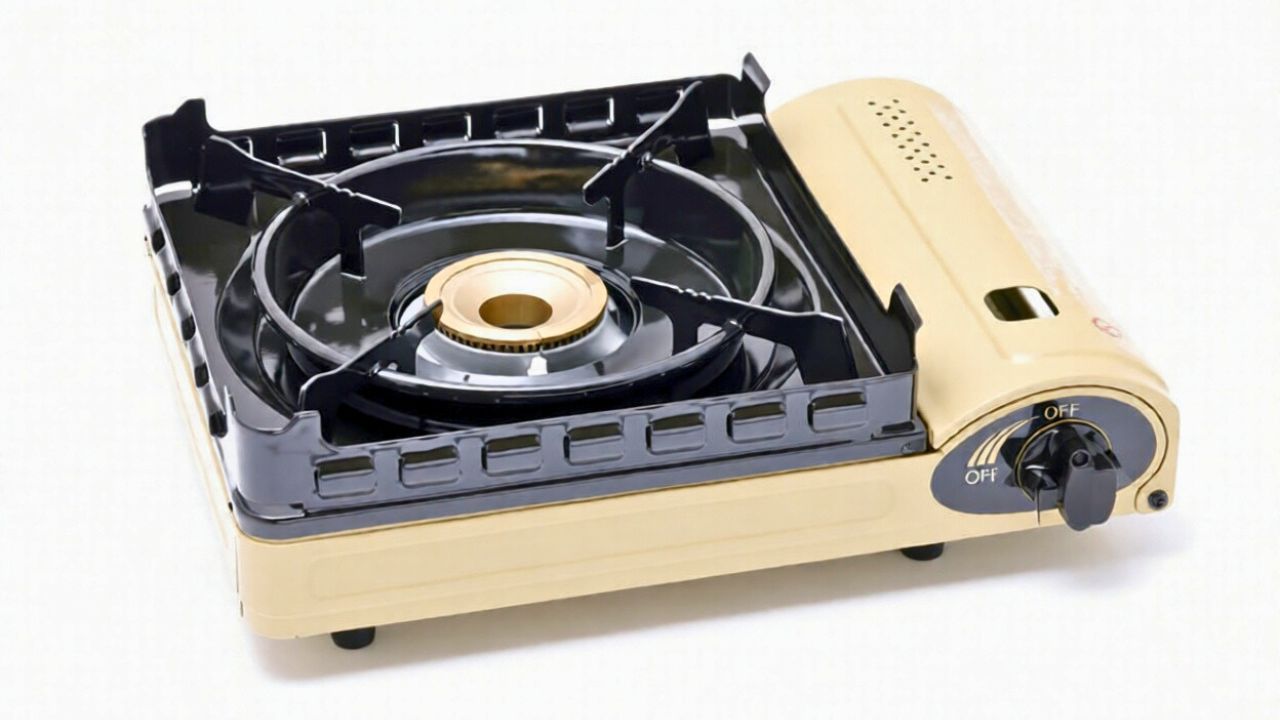
Ozark Trail butane camping stoves were recalled after explosion reports and winter makes this worse
Photo credit: Akiyoko/istock.com
When a compact camp stove is marketed as a simple way to boil water or fry breakfast, you do not expect it to erupt into a fireball. Yet that is exactly what federal safety officials say can happen with certain Ozark Trail butane camping stoves, which have now been recalled after explosion and burn reports. As temperatures drop and you rely more heavily on portable heat, the design flaws behind this recall collide with the physics of winter fuel use in ways that can quietly raise your risk.
If you own one of these stoves, or you camp with any butane canister model in cold weather, you are now navigating both a product hazard and a seasonal one. Understanding what went wrong with the Ozark Trail Tabletop 1-Burner Butane Camping Stove, why winter conditions complicate things further, and how to adjust your own setup is no longer just gear geekery, it is basic safety.
What exactly was recalled and why it matters to you
The product at the center of the recall is the Ozark Trail Tabletop 1-Burner Butane Camping Stove, a compact single-burner unit that many shoppers picked up as an inexpensive way to cook outdoors. Listings for this specific product highlight its tabletop design and butane canister fuel, features that made it attractive for car camping, tailgates, and emergency kits. The recall does not target all Ozark Trail gear, only this specific 1-burner butane stove configuration, so you need to check model details rather than assuming every item under the brand is affected.
According to recall notices, the Ozark Trail Tabletop 1-Burner Butane Camping Stoves were imported and sold by Walmart, which means the issue touches one of the largest retailers in the country and a huge base of budget-conscious campers. Official safety alerts describe the Ozark Trail Tabletop 1-Burner Butane Camping Stoves Recalled Due to Serious Burn and Fire Hazards, warning that the stoves can malfunction in ways that lead to flames flaring beyond the burner and causing injuries such as second-degree burns to users or bystanders. That combination of a mass-market retailer and a hazard as severe as a sudden fireball is why you are seeing this model singled out instead of treated as a minor defect.
How the recall unfolded and what officials are saying
The recall process began after incident reports showed that the Ozark Trail Tabletop 1-Burner Butane Camping Stove could explode or catch fire during normal use, not just under extreme misuse. Federal regulators and Walmart moved to pull roughly 201,000 units from circulation once it became clear that the risk was not theoretical but tied to real explosions and burn injuries. A recall alert describing 201K Ozark Trail butane camp stoves recalled explains that the units can catch fire or explode, which is why The Consumer Product Safety Com stepped in to coordinate a formal corrective action.
On November 26, 2025, the Consumer Product Safety authorities announced a focused Ozark Trail Tabletop 1-Burner Butane Camping Stove Recall, spelling out that the hazard involves uncontrolled flames that can ignite nearby gear, tents, or surrounding areas. Legal analyses of the recall note that the stoves were sold exclusively through Walmart and that the defect can cause a fireball at ignition or during use, turning a routine cooking task into a serious emergency. When you see language like Ozark Trail Tabletop 1-Burner Butane Camping Stoves Recalled Due to Serious Burn and Fire Hazards in official notices, it signals that regulators are not just worried about minor singes but about injuries that can require medical treatment and leave lasting scars.
What explosion and burn reports reveal about the risk
Behind the recall language are real people who say their stoves erupted without warning. Consumer accounts describe flames suddenly shooting out from the side of the Ozark Trail Tabletop 1-Burner Butane Camping Stove, or the canister area igniting in a way that created a fireball at ignition. One legal advisory aimed at campers who were burned by an Ozark Trail Tabletop stove explosion explains that a fireball at ignition can engulf hands, arms, and even faces in an instant, leading to painful burns and potential hospital stays. When you are leaning over a compact burner to light it, that kind of sudden flare-up gives you almost no time to react.
Some of these reports have already turned into claims framed as Understanding Your Rights After a Recalled Walmart Camping Stove Causes Burns or Fire Injuries, which underscores how serious the incidents have been. Attorneys point to the manufacturer, identified as China Window Industry Co., and to Walmart’s role as the seller, arguing that users reasonably expected a tabletop stove to confine the flame to the burner area. When that expectation fails and the stove instead sends a sheet of fire across your camp table, the legal and financial stakes rise alongside the physical danger.
Why winter conditions make butane stoves more unpredictable
Even if your particular stove is not part of the recall, winter itself changes how butane behaves in ways that can catch you off guard. There is a basic physics problem at work: as temperatures drop, the pressure inside a fuel canister falls, which affects how easily the liquid fuel inside can vaporize into a gas that your stove can burn. Technical guidance on canister performance notes that there is another factor at play that affects a canister’s cold-weather performance, because the process of vaporization, the changing of liquid fuel into gas, absorbs heat from the canister and surrounding air. That cooling feedback loop can cause the canister to get colder as you run the stove, further reducing pressure and making the flame weaker or unstable.
For butane in particular, the boiling point is close to freezing, which means that as ambient temperatures approach that threshold, the fuel struggles to vaporize at all. One detailed explanation of LOW TEMPERATURES clarifies that the boiling point of butane is -0.5°C, or 0 degrees for simplicity, and that below this point the gas remains mostly liquid and cannot flow properly through the stove. When you combine that with the cooling effect of vaporization, a canister that starts just above freezing can quickly dip below the useful range, leading to sputtering flames, incomplete combustion, or sudden flameouts that tempt you to fiddle with controls or relight in ways that increase risk.
How cold weather can push a flawed stove toward failure
In a perfect design, a butane stove accounts for these cold-weather quirks with robust regulators, clear instructions, and safety margins that keep the flame where it belongs. The concern with the recalled Ozark Trail Tabletop 1-Burner Butane Camping Stove is that any underlying defect in how it handles gas flow or ignition could be amplified when the canister is struggling to vaporize fuel. Technical discussions of canister stoves explain that as the ambient temperature drops, the internal pressure falls until it no longer works effectively, which can cause users to open the valve wider or move the stove and canister around in search of more heat. Those compensating behaviors, like over-opening the control knob or shielding the stove too aggressively, can interact badly with a design that already has trouble containing the flame.
Cold also encourages improvisation that can defeat built-in safeguards. When your stove keeps going out at 11ºF because the Isobutane or butane in the canister will no longer vaporize unless it can be warmed, you might be tempted to flip the canister, wrap it in a jacket, or place it closer to another heat source. Advice on whether a canister stove will work for winter backpacking notes that canister stove manufacturers tend to warn against using external heat sources on the canister, even as they suggest techniques to mitigate cold weather problems. If a stove like the recalled Ozark model already has a tendency to leak or flare, adding ad hoc warming tricks in freezing conditions can turn a marginal hazard into a full-blown explosion risk.
Butane versus other fuels when temperatures drop
Part of the problem is that butane is simply not the most forgiving fuel once you move out of mild weather. Gear experts point out that Using butane performs best in mild to warm weather, and that in colder conditions you can experience weak flames or difficulty igniting, especially with standard upright canisters. Retailers that sell fuel from brands like MEC, GSI, MSR, Jetboil and others often steer winter campers toward blends that include propane or toward liquid-fuel stoves that maintain pressure better in sub-freezing temperatures. If you are relying on a pure butane tabletop stove as your only cooking option in winter, you are already operating at the edge of what the fuel is designed to handle.
That does not mean you must abandon canister stoves entirely once the first snow falls, but it does mean you should match your fuel choice to your conditions. Guidance on camp fuel explains that butane’s limitations are rooted in its physical properties, while propane and white gas maintain vapor pressure at much lower temperatures. When you pair a fuel that prefers warm weather with a stove model that has been recalled for serious burn and fire hazards, you are stacking two risk factors on top of each other. Shifting to a different fuel system for winter trips, or at least reserving butane stoves for shoulder seasons, is one of the simplest ways to reduce your exposure.
Practical steps if you own the recalled Ozark Trail stove
If you discover that your gear closet includes the Ozark Trail Tabletop 1-Burner Butane Camping Stove, the first step is to stop using it immediately, regardless of the season. Walmart has published recall information explaining that the affected Ozark Trail Tabletop 1-Burner Butane Camping Stoves Recalled Due to Serious Burn and Fire Hazards were imported and sold exclusively through its stores and website, and that customers are entitled to a remedy. You can check the specific model and batch details through the retailer’s recall portal, which lists current product safety actions and instructions on how to return or dispose of affected items.
Once you confirm that your stove is part of the recall, follow the official process rather than trying to repair or modify the unit yourself. The corporate recall page at Walmart outlines how to obtain a refund or replacement and emphasizes that continued use could result in serious burn injuries. Separate safety alerts from state agencies reiterate that the Ozark Trail Tabletop 1-Burner Butane Camping Stoves Recalled Due to Serious Burn and Fire Hazards should not be used for any purpose, including as a backup in a power outage or as a secondary burner on a car camping trip. Treat the recall as a hard stop, not a suggestion.
Safer ways to cook and stay warm on winter trips
Once you remove a recalled stove from your kit, you still need a way to cook and melt snow when temperatures drop. Winter camping specialists recommend choosing stoves and fuels that are explicitly rated for cold conditions, and then using techniques that keep the canister or fuel bottle within its safe operating range. One practical guide explains that Inside the canister, the fuel is mostly in its liquid state and that when you open the valve on your camp stove, internal pressure pushes vaporized gas out to the burner. As the ambient temperature drops, that internal pressure falls, so strategies like insulating the canister from snow, using a windscreen correctly, and starting with a warm canister from inside your jacket can help keep performance stable without resorting to dangerous external heating.
You can also rethink your overall camp setup to reduce how hard you push your stove. Advice on how to make a canister stove efficient in the cold notes that as the ambient temperature drops, it no longer works effectively if you run it wide open for long periods, because the canister chills faster than it can absorb heat from the environment. Planning simpler meals that cook quickly, using a lid on your pot, and pairing your stove with a heat exchanger pot can all shorten burn times and reduce the temptation to crank the valve to maximum. In deep winter, many experienced backpackers switch to white gas stoves that require more skill to operate but maintain pressure in extreme cold, a trade-off that can be worth it if you are regularly camping below freezing.
What to do if you were injured and how to stay informed
If you have already been hurt by an Ozark Trail Tabletop 1-Burner Butane Camping Stove, your priorities are medical care and documentation. Legal resources that focus on these incidents frame the issue as Understanding Your Rights After a Recalled Walmart Camping Stove Causes Burns or Fire Injuries, and they emphasize the importance of preserving the stove, the butane canister, and any photos or videos of the incident. One detailed overview of Ozark Trail stove explosion claims notes that the manufacturer is China Window Industry Co. and that both the manufacturer and Walmart may be part of any compensation discussion, depending on how your case unfolds.
Even if you have not been injured, staying current on recall information is part of being a responsible gear owner. National recall databases and retailer-specific pages list alerts like Recall alert: 201K Ozark Trail butane camp stoves recalled; could explode, catch fire, which summarize the core hazard and the scope of affected units. State-level safety agencies also maintain pages such as Ozark Trail Tabletop 1-Burner Butane Camping Stoves Recalled Due to Serious Burn and Fire Hazards, which can provide additional context or local contact information. Before each winter season, it is worth taking ten minutes to scan these resources, confirm that your stove and fuel are still considered safe, and refresh your understanding of how cold weather affects the gear you rely on.
Like Fix It Homestead’s content? Be sure to follow us.
Here’s more from us:
- I made Joanna Gaines’s Friendsgiving casserole and here is what I would keep
- Pump Shotguns That Jam the Moment You Actually Need Them
- The First 5 Things Guests Notice About Your Living Room at Christmas
- What Caliber Works Best for Groundhogs, Armadillos, and Other Digging Pests?
- Rifles worth keeping by the back door on any rural property
*This article was developed with AI-powered tools and has been carefully reviewed by our editors.