The hidden cost in today’s housing market, maintaining an older home is getting pricier than people budget
Photo credit: Dee Liu/istock.com
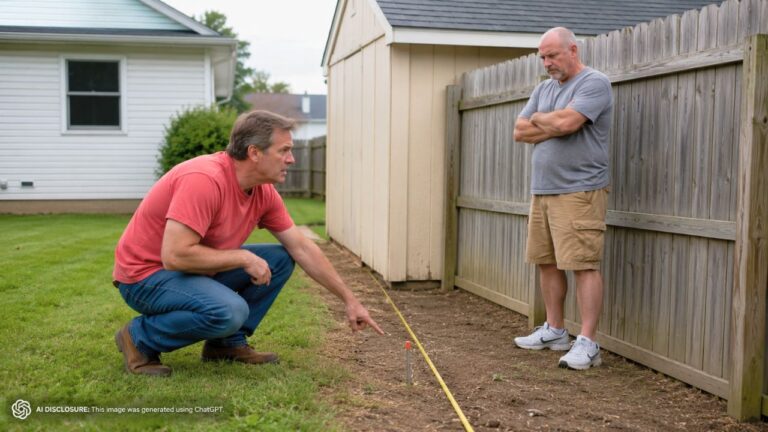
Sticker shock in today’s housing market does not end at the closing table. As repair bills climb and tradespeople book out weeks in advance, you are discovering that keeping an older house safe, efficient, and insurable can cost far more than you built into your budget. The purchase price may be fixed, but the real expense of ownership is increasingly hiding in the walls, the roof, and the systems you cannot see.
Those hidden costs are rising faster than many homeowners’ paychecks, especially in aging neighborhoods where properties predate modern building standards. If you own, or are considering buying, an older home, you need to treat maintenance as a core financial obligation, not an afterthought, and plan for a level of ongoing spending that would have sounded excessive a decade ago.
The aging housing stock problem you are inheriting
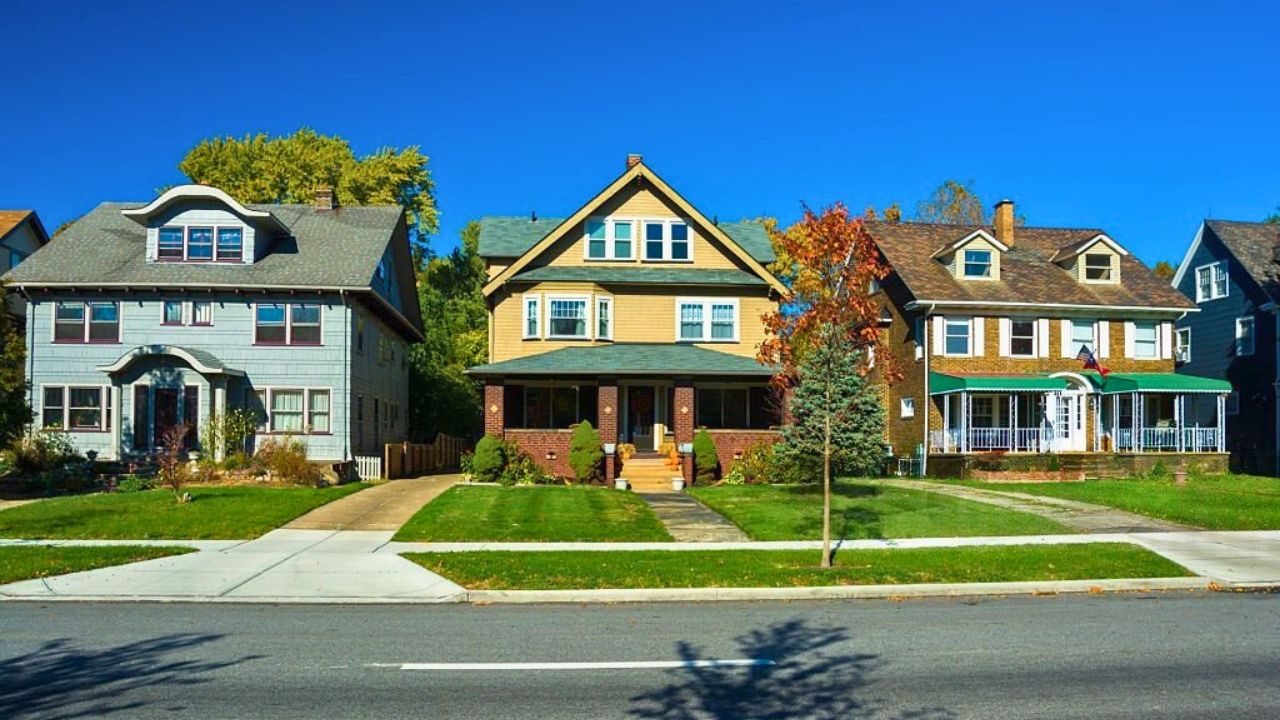
When you buy an older property, you are not just getting charm and character, you are inheriting decades of wear and tear. Industry guidance is blunt that buying an older home can mean taking on outdated systems, deferred maintenance, and materials that no longer meet current standards. You may love original wood windows or plaster walls, but they often conceal aging wiring, brittle pipes, and insulation that no longer performs, all of which translate into higher upkeep and repair risk.
At the same time, the broader housing stock is getting older, which magnifies the issue. Reporting on repair trends notes that housing stock is aging rapidly, so more owners are facing the same structural and mechanical problems at once. That shared pressure pushes up demand for contractors and materials, which feeds directly into the bills you pay when your roof leaks or your furnace fails. In other words, the age of your home is not just a quirk of style, it is a financial variable that shapes your monthly cash flow.
Why your maintenance budget is probably too low
Most homeowners dramatically underestimate how much they should set aside for upkeep, especially on older properties. A common rule of thumb is that you should expect to spend about 1 percent of your home’s value each year on maintenance, and some guidance refines that by suggesting between 1 percent and 4 percent depending on the property’s age and condition. One advisory explains that this approach suggests setting aside a percentage of value annually, with older or more complex homes landing toward the higher end of that range.
Major mortgage and housing resources echo that framework, noting that the general rule of thumb is to budget 1 percent to 4 percent of the home’s value per year for maintenance and repairs. Other breakdowns put it in concrete terms, explaining that if you follow the 1 percent guideline on a $200,000 home, you would take one percent of the total purchase price of your home, which works out to about $2,000 per year, or $166 per month. For an older house with more looming projects, you should be mentally prepared for the upper end of that spectrum, not the lower.
Inflation, materials, and the surge in repair costs
Even if you have owned property for years, the recent jump in repair pricing can feel jarring. Analyses of homeownership expenses show that hidden costs like taxes, insurance, and maintenance can now add up to more than $20,000 per year, and they emphasize that Jun reporting ties a big part of that increase to inflation in services and construction. When labor and materials cost more, every project, from a simple fence repair to a full roof replacement, eats a larger share of your income.
Specialists in home systems point out that Inflation is driving up the cost of materials and tools, and that big-ticket items like HVAC units, water heaters, and major appliances now carry a major price tag. Separate analysis of renovation trends underscores that Repair and remodeling costs are skyrocketing, with the Verisk Repair and Remodel Index showing steep increases in the cost of home projects. For you, that means a maintenance budget that felt conservative five years ago may now be dangerously thin.
Older homes and the energy efficiency penalty
One of the most persistent hidden costs in an older house is energy waste. Many prewar and midcentury homes were built before modern insulation standards, and they often rely on single-pane windows, drafty doors, and aging HVAC systems. Guidance on older properties notes that Outdated Energy Efficiency can drive up your monthly utility bills and make it harder to keep rooms comfortable. You may find yourself running a 20-year-old furnace harder in winter or an undersized air conditioner longer in summer, which not only costs more now but also shortens the life of already old equipment.
By contrast, builders highlight that newer construction is designed to minimize these ongoing expenses. When they compare options, they stress that Maintenance expenses, outdated infrastructure, and inefficient systems tend to be higher in older or existing homes than in properties built after 2010, which typically meet stricter energy codes. For you, that gap shows up as a permanent line item in your budget: higher gas, electric, and sometimes water bills that never fully go away unless you invest in upgrades like new windows, added insulation, or a modern heat pump.
The big-ticket failures that blow up your budget
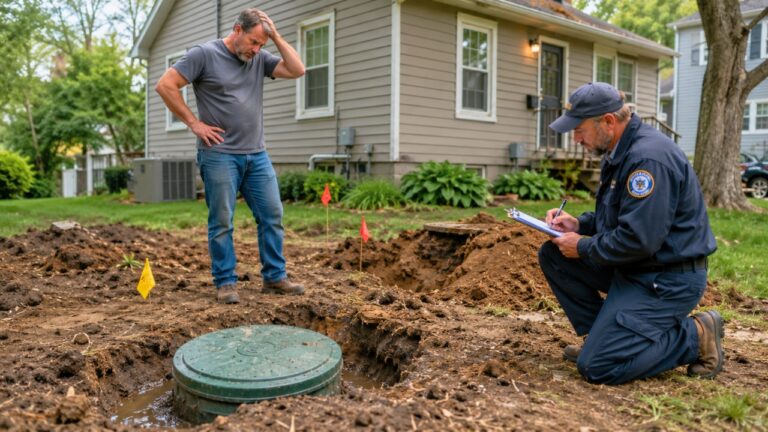
Routine maintenance is one thing, but the real financial shock often comes from sudden, high-cost failures. Insurance data on major repairs lists Foundations as one of the most expensive categories, with typical work ranging from $2,200 to more than $30,000 when structural issues are severe. For an older home that has settled over decades, or that sits on soil prone to shifting, those numbers are not theoretical, they are the stakes if you ignore cracks, sticking doors, or sloping floors.
Other big-ticket items include roofs, sewer lines, and full system replacements that tend to fail earlier in older properties. Renovation guides warn that Here are eight home improvement projects that can sneak up on you when you move into an old house, from rewiring to asbestos abatement, each with its own hefty price tag. When you layer those potential hits on top of regular upkeep, it becomes clear that an older home requires not just a maintenance fund, but a true emergency reserve that can absorb a five-figure surprise without pushing you into high-interest debt.
Common hidden problems in older structures
Beyond the obvious age of the roof or furnace, older homes often hide specific problems that are both costly and urgent. Detailed checklists of legacy properties highlight issues like Termite damage, Mold and mildew, and outdated Plumbing that may be undersized or corroded. Each of these can require invasive work, from opening walls to replacing entire sections of pipe or framing, and they often are not fully visible during a standard walk-through before you buy.
Insurance specialists add that Plumbing in older homes may rely on galvanized steel or even lead pipes, which are more prone to corrosion and leaks, increasing the risk of water damage and costly repairs. Lenders and insurers also flag that Older homes require more maintenance overall and may come with hazardous materials like lead paint or asbestos that must be handled professionally. If you own such a property, you need to treat inspections, moisture control, and pest prevention as nonnegotiable line items, not optional extras.
How rules of thumb fall short for vintage homes
General budgeting formulas are a useful starting point, but they can be misleading if you apply them blindly to a 1920s bungalow or a 19th century farmhouse. Financial educators often advise that Taking care of ongoing home maintenance means setting aside a fixed amount each month, and one example pegs that at approximately $415 for a mid-priced property. Broader consumer advice notes that A rule of thumb many homeowners and professionals use is 1 percent to 4 percent of the home’s value per year, with newer homes tending toward the low end.
However, when you factor in the specific risks of an older structure, you often need to lean toward the upper band of those guidelines. One breakdown of strategies titled How Much Should You Budget for Home Maintenance explains that there is no one-size-fits-all answer and that you should adjust your target based on age, size, and condition. Another resource reinforces that There are multiple methods, from percentage-of-value rules to square-foot formulas, but all of them assume you will be proactive. For a vintage home, that means planning for more frequent system replacements, more complex repairs, and a higher chance that one year’s spending will spike well above the average.
Turning rising costs into a proactive plan
The good news is that you are not powerless in the face of these rising expenses. Lenders and housing experts encourage you to Set a savings goal that reflects your home’s realities, then automate contributions into a dedicated maintenance fund so you are not scrambling when something breaks. Other financial education tools suggest you Consider five core tips, starting with a specific Tip to Set aside money regularly, with Some examples walking through how that looks on a typical mortgage payment.
For older homes in particular, you should also budget for preventive work that reduces the odds of catastrophic failure. Advisers who focus on legacy properties stress that Maintenance is the first of several items you should plan for if you are buying an older home, followed by updates to systems and potential safety upgrades. Another guide framed as Here is a comprehensive look at the true price of owning an older property, and it underscores that you should treat inspections, energy improvements, and system replacements as part of the purchase decision, not optional projects you might get to someday. When you build those realities into your plan from the start, the “hidden” cost of your older home becomes a managed, if still substantial, part of your financial life.
Like Fix It Homestead’s content? Be sure to follow us.
Here’s more from us:
- I made Joanna Gaines’s Friendsgiving casserole and here is what I would keep
- Pump Shotguns That Jam the Moment You Actually Need Them
- The First 5 Things Guests Notice About Your Living Room at Christmas
- What Caliber Works Best for Groundhogs, Armadillos, and Other Digging Pests?
- Rifles worth keeping by the back door on any rural property
*This article was developed with AI-powered tools and has been carefully reviewed by our editors.