The “starter home” problem that’s not going away soon, small homes still need big-ticket fixes
Photo credit: Eltonlaw/Shutterstock.com
Starter homes used to be a relatively safe on-ramp to ownership, a place where you could live modestly while building equity. Today, you are more likely to inherit decades of neglect, then face repair bills that rival the down payment you just scraped together. Smaller square footage no longer protects you from big-ticket fixes, and the structural forces behind that shift are not easing anytime soon.
If you are shopping at the lower end of the market, you are stepping into a landscape shaped by aging housing stock, scarce new construction, and repair costs that keep climbing. Understanding why the “starter home” problem is so stubborn, and how to budget for the realities that come with it, is now as important as locking in your mortgage rate.
The vanishing starter home and what it means for you
When you look for an affordable first house today, you are competing for a product that the market has largely stopped making. Builders have been nudged toward larger, more expensive properties, while the smaller homes that remain are often older and heavily worn. Instead of a gentle entry point, the starter tier has become a narrow, crowded lane where you are bidding on properties that have already lived several full life cycles.
Experts point to Layers of local regulations and market incentives that push developers toward bigger footprints and higher price points, leaving fewer small new builds for first-time buyers. At the same time, zoning rules have encouraged large lots and low density, which, as You hear from housing expert Dennis Shea at the Bipartisan Policy Center, has tilted construction away from modest entry-level homes. The result is that you are often left chasing aging properties that were never designed to carry so much of the market’s demand.
Why small homes still carry outsized repair risks
It is tempting to assume that a smaller house means smaller problems, but the most punishing repairs are tied to systems, not square footage. A failing roof, a cracked foundation, or a compromised plumbing system costs nearly as much to fix on a compact bungalow as on a larger suburban two-story. When you buy at the low end, you are not buying a discount on those systems, you are buying older versions of them.
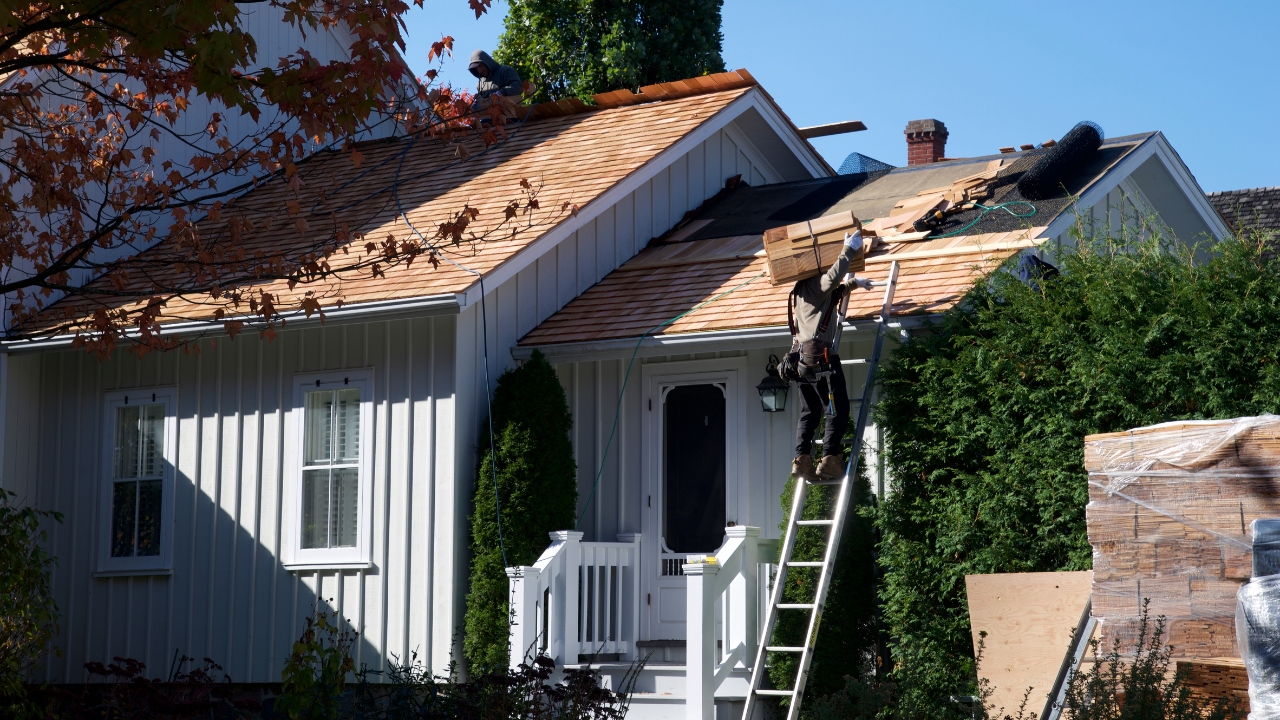
Industry data on The Most Expensive Home Repairs shows that Roof Replacement and Foundation Repairs dominate the top of the list, and Fixing either can run into five figures regardless of how modest the home looks from the curb. Whole structural systems age in unison, so a “cozy” starter that has already seen several owners may be due for multiple major projects at once. That is why a small footprint can still deliver large, simultaneous hits to your budget.
Deferred maintenance and the new starter-home backlash
As these realities sink in, you are seeing a cultural shift in how first-time buyers talk about entry-level properties. Instead of viewing them as stepping stones, many now describe them as financial traps that transfer long-ignored problems from one generation to the next. The emotional tone has changed from excitement about “getting on the ladder” to frustration at being asked to underwrite someone else’s neglect.
On one popular forum, a user named Dry-Town7979 wrote that they are officially done with “Starter Homes,” arguing that the concept is not an investment but a bailout for the previous generation that never put a dime back into the structure. Another viral complaint, captured under the headline Homebuyer Calls Starter Homes A Scam Designed To Offload 30 Years Of Deferred Maintenance On Young People Desperate to buy, captures a sentiment you may share: that the entry-level segment is actively trying to fail its newest owners.
Big-ticket systems: roofs, foundations, HVAC and plumbing
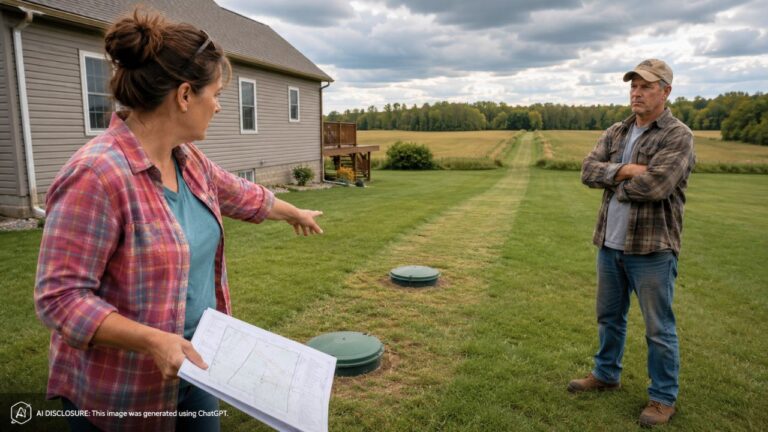
When you walk through a potential starter home, the paint color and staging are the least important things in the room. The real stakes sit above your head, under your feet, and behind the walls. Roofs, foundations, HVAC systems, and plumbing lines are the components most likely to generate sudden, budget-breaking bills, and they often age out around the same time in older properties.
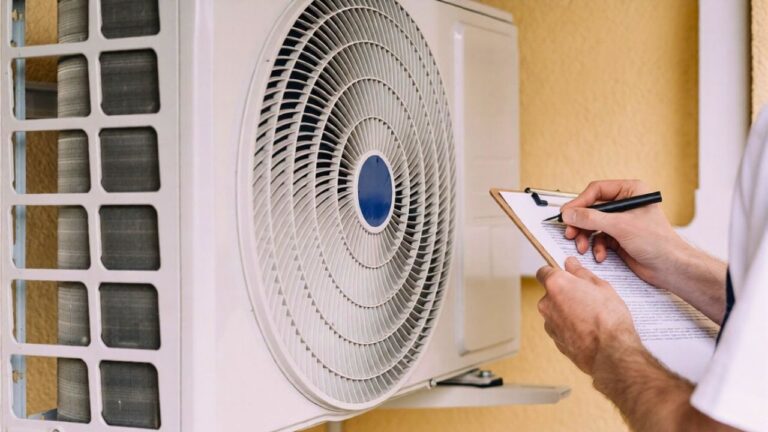
Guides to Roof Replacement and Foundation Repairs make clear that these jobs can each cost tens of thousands of dollars, and they are rarely optional once problems surface. On the mechanical side, one breakdown can expose a cascade of hidden issues. A detailed look at renovation costs notes that under Average Costs for Common Renovations, a modern HVAC system runs between $7,000 and $12,000, while Whole-home repiping, replacing all the plumbing in your house, can cost $8,000 to $25,000 depending on size and access. Those figures do not shrink just because the listing calls the property “cute” or “starter-friendly.”
Why repair costs are not coming down
Even if you are willing to tackle major work, the broader cost environment is not on your side. Materials have become more expensive, and the skilled tradespeople you need to hire are in short supply. That scarcity shows up in every quote you collect, from electricians to roofers, and it is one of the reasons your repair budget has to be more generous than your parents’ was.
Analysts tracking construction trends point out that Skilled labor is scarce and that scarcity is being priced into every project, keeping costs at a level that is proving sticky even as other parts of the economy cool. At the same time, demand for upgrades and repairs is not fading. A survey from Houzz found that Renovation plans remain strong heading into 2026, particularly in PALO ALTO, Calif and other markets where much of the housing stock is 40 years old or older. With so many owners competing for the same contractors, you should not expect a bargain era for repairs anytime soon.
Budgeting for maintenance when every dollar is tight
Given those pressures, the only realistic way to protect yourself is to treat maintenance as a core part of your housing cost, not an afterthought. That means building a repair line into your monthly budget from day one, even if it feels painful on top of a new mortgage payment. You are not being pessimistic by doing this, you are acknowledging that older systems will eventually fail and that you would rather be ready when they do.
Guidance from major mortgage players suggests that The rule of thumb is to set aside 1% to 4% of your home’s value per year for Maintenance and Repairs, including replacements. If your starter home costs $300,000, that translates to $3,000 to $12,000 annually, or up to $1,000 a month, which can feel staggering when you are also juggling student loans and childcare. Yet when you consider that a single HVAC failure or plumbing emergency can wipe out several years of savings, this cushion becomes less a luxury and more a survival tool.
Energy efficiency, windows, and the hidden cost of “cheap”
Another way starter homes quietly drain your budget is through inefficiency. Older windows, thin insulation, and outdated mechanicals can turn a seemingly affordable mortgage into a monthly cash leak as you pay to heat and cool the outdoors. You might accept a drafty bedroom to get into the market, but over time, those drafts show up as higher utility bills and more strain on already aging systems.
When you evaluate a property, it pays to look closely at the windows and building envelope. Efficiency is the name of the game when it comes to your windows, and According to the Department of Energy, upgrading them can significantly cut your heating and cooling costs over time. That kind of project is not cheap up front, but in a small home where every square foot is affected by temperature swings, the long-term savings and comfort can be substantial.
Older homes, aging malls, and creative paths to affordability
Because traditional starter homes are scarce and often worn out, you may find yourself considering properties that would have seemed unconventional a decade ago. That can mean older single-family houses that need thoughtful triage, or entirely different types of structures being converted into housing. In both cases, the key is to understand what you are trading: lower purchase prices in exchange for higher, more complex maintenance responsibilities.
Advisers who work with first-time buyers stress that Older homes often come with aging systems, including electrical, plumbing, and HVAC, and that you should be prepared for the possibility of big-ticket repairs. At the same time, some cities are experimenting with new supply by turning Aging shopping centers into housing, as detailed by Mary Scott Nabers More in coverage of mall redevelopment projects. Those conversions can eventually create fresh, code-compliant units, but they also highlight how far local governments are having to stretch to produce anything resembling an affordable entry point.
How to shop smarter in a market built on renovation
Given that so much of the housing stock you will see is renovation dependent, your strategy has to evolve. You are not just buying a house, you are buying a multi-year project plan, and you need to price that plan into your offer. That means walking into showings with a contractor’s eye, prioritizing inspection contingencies, and being brutally honest about what you can handle in the first five years.
Market forecasts show that the remodeling sector is expected to keep growing, with spending projected to reach hundreds of billions of dollars in the near term, and Still, The LIRA notes that economic volatility could slow the pace of growth. For you, that means renovation will remain a central part of the ownership story, but the cost and availability of work may fluctuate. The more you can front-load your due diligence, build a realistic maintenance budget, and factor big-ticket systems into your definition of “affordable,” the better positioned you will be to survive, and eventually benefit from, a starter-home market that is not getting easier anytime soon.
Like Fix It Homestead’s content? Be sure to follow us.
Here’s more from us:
- I made Joanna Gaines’s Friendsgiving casserole and here is what I would keep
- Pump Shotguns That Jam the Moment You Actually Need Them
- The First 5 Things Guests Notice About Your Living Room at Christmas
- What Caliber Works Best for Groundhogs, Armadillos, and Other Digging Pests?
- Rifles worth keeping by the back door on any rural property
*This article was developed with AI-powered tools and has been carefully reviewed by our editors.