The BLS beef price jump is why your taco night costs more than it did last year
Photo credit: Jenifoto/istock.com
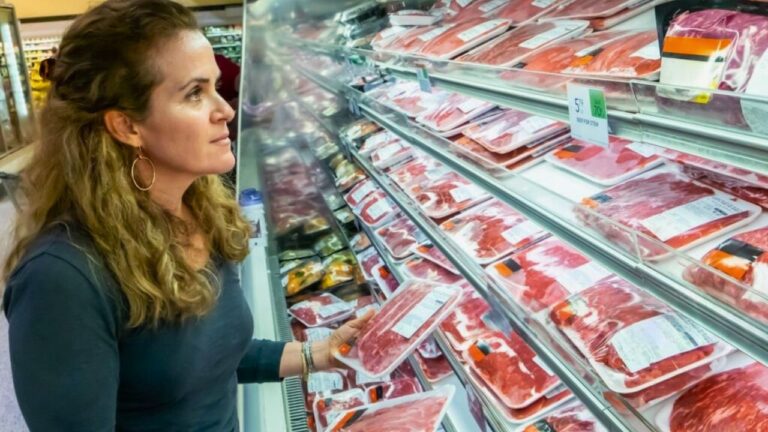
Your weekly taco night has quietly turned into a line item you actually notice in your budget. The same pack of tortillas, cheese, salsa, and especially ground beef now eats up more of your grocery money than it did a year ago, and it is not your imagination. A sharp jump in official beef price data is rippling straight into your skillet, reshaping how you plan dinner and how far your paycheck stretches.
Behind that higher total at checkout sit record beef prices, a historically small cattle herd, and stubborn demand from shoppers who still want protein on the plate. When you zoom out from the taco tray to the national numbers, the pattern is clear: the Bureau of Labor Statistics’ beef inflation is not an abstract chart, it is the reason your favorite budget meal suddenly feels like a splurge.
How the BLS turned your taco fixings into an inflation story
When you reach for ground beef, you are stepping directly into one of the hottest corners of the inflation report. Recent consumer price data show that Beef Prices Jump roughly 15% over the past year, helping drive what analysts describe as “Meat Inflation Hits Highest Level Since 2021, CPI Shows.” When the Consumer Price Index, or CPI, flags that kind of surge in a single category, it means your taco meat is rising faster than the overall basket of goods that statisticians track.
That jump is not limited to steaks or roasts, it filters straight into the everyday staples you rely on. The CPI category for beef and meats captures what the Consumer actually pays at the store, so when that line spikes, it shows up in the price per pound on the sticker in front of you. A 15% increase on a pound of taco meat might sound abstract on paper, but when you multiply it across a month of dinners, party platters, and leftovers, it becomes a meaningful hit to your household budget.
Ground beef: the quiet centerpiece of taco night inflation
For taco night, the most important number is not the price of a fancy ribeye, it is the cost of a basic pound of ground beef. Federal data track an Average Price for “Ground Beef, 100% Beef (Cost per Pound/453.6 Grams) in U.S. City Average,” which gives you a clean view of what that staple is doing over time. When that benchmark climbs, it means the baseline for your taco filling is moving higher, regardless of whether you buy store brand or a premium label.
Because the series is pegged to a pound, you can translate it directly into your own shopping list. If the average cost per Pound for Ground Beef rises, every tray of 100% beef you toss into your cart pulls the total up with it, whether you are cooking for one or feeding a crowd. That is why a seemingly small shift in the official price of Ground Beef can translate into a noticeable difference when you tally up the full taco spread with shells, toppings, and sides.
From feedlots to your frying pan: the supply squeeze behind the spike
Higher prices at the meat case start long before you hit the store, with a cattle supply that has been shrinking instead of growing. Analysts point to a record low cattle count, noting that the start of 2025 saw the smallest U.S. herd in years, which is a major driver of why beef prices are soaring and why the problem is hard to fix quickly. When ranchers have fewer animals on feed, there is simply less beef to go around, and the law of supply and demand does the rest.
That dynamic is exactly what producers and shoppers are describing when they talk about record highs. One detailed look at the market notes that it is “the law of supply and demand” at work, with drought, high feed costs, and herd reductions all combining to push beef to historic highs. When you brown a pound of taco meat, you are feeling the downstream effect of decisions made years earlier on ranches that had to cull cows, delay rebuilding, or pay more for every load of feed.
The cattle cycle: why relief will not be instant
Even if ranchers start rebuilding herds today, the biology of cattle means you will not see immediate relief in the taco aisle. Agricultural economists describe a long production cycle in which U.S. cattle inventories are expected to reach a low point in 2025 before gradually rising again, with forecasts that prices for fed steers will keep climbing and could reach $158.47 by 2034, according to Highlights from federal research. That long arc means the current squeeze is not a one season blip but part of a broader cycle.
Closer to the ground, experts warn that the tightness you feel in your grocery budget could linger. David Anderson, a livestock economist with the Texas A&M AgriLife Extension Service, has explained that smaller herds and strong demand are pushing retail prices higher and that relief from rising beef prices could take years as herd sizes shrink. For you, that translates into a longer stretch of elevated costs for ground beef, even if other parts of your grocery bill start to stabilize.
How much more you are paying compared with last year
When you compare this year’s taco night to last year’s, the difference shows up clearly in the percentage changes. Analysts tracking retail meat costs report that Beef prices have soared 13.9% in a single year, a jump that is hard to absorb if your wages have not kept pace. That kind of increase means a family that used to spend $10 on ground beef for tacos is now closer to $11.40 for the same amount, before you even add cheese, lettuce, and salsa.
Other snapshots of the market show a similar pattern. One widely cited chart notes that, Since August 2024, beef prices have soared 13% for American consumers, with steak prices up 16% annually. For your kitchen, that means both the budget-friendly ground beef and the occasional steak night have become more expensive at roughly the same time, squeezing the room you have to maneuver inside your food budget.
Premium cuts, everyday impact
Even if you mostly buy ground beef, what happens to premium cuts still matters for your taco night. Analysts point out that Premium beef and steak have posted the highest year over year cost increases, driven in part by the fact that the U.S. cattle count is at its lowest in over seven decades. When high end cuts get more expensive, retailers have to balance their margins across the entire carcass, which can pull prices for ground beef higher as well.
That pressure shows up in seasonal spending too. One detailed state level look at the market notes that during the holiday season, consumers could spend almost 15% more on beef products compared with the previous year, according to the Bur of Labor Statistics data cited there. When premium steaks, roasts, and briskets all climb at once, the overall beef category tightens, and the ground beef you rely on for tacos ends up sharing in that inflation.
Why demand is not cooling, even as prices bite
Normally, when prices jump, you might expect shoppers to back off, but beef is proving stickier than that. Reporting on retail behavior shows that even as Beef prices spike, protein obsessed shoppers keep coming back, treating beef as a non negotiable part of their diet. That persistent demand gives retailers and processors more room to hold prices higher, because they know a core group of customers will keep paying for the product.
Food industry analysts describe a similar pattern when they look at broader consumer trends. One review of the market notes that cost conscious shoppers still choose beef, with “Cost-Conscious Consumers Still Choose” beef products even as they adjust how often they dine out or how many extras they buy, according to Cost-Conscious Consumers Still Choose analysis. For your taco night, that means you are competing with burger lovers, steak fans, and restaurant buyers for a limited supply of beef, which keeps the pressure on prices even when your own budget is telling you to cut back.
The industry’s own worries about the road ahead
Inside the beef industry, there is little expectation that prices will snap back to old levels quickly. Commentators who track ranching and processing trends note that, Previously, some outlooks were split on whether the herd would be replenished by 2025, but the reality of drought, high input costs, and producer caution has kept supplies tight. Some producers are still weighing whether to expand or simply hold steady, which slows any potential relief.
Economists who focus on livestock echo that caution. When Texas experts talk about herd sizes shrinking and retail prices rising, they are not just describing a short term weather problem, they are outlining a multi year adjustment that will keep beef relatively expensive. For you, that means planning for a world where taco meat stays a premium line in your grocery budget, rather than assuming it will drift back to the prices you remember from a few years ago.
What you can do to keep taco night on the calendar
Even if you cannot control the cattle cycle or the CPI, you still have levers to pull in your own kitchen. One option is to treat beef as the star but not the only player, stretching a pound of ground beef with beans, vegetables, or grains so that the higher Cost per Pound does not translate directly into fewer servings. You can also watch store circulars closely, stocking up when ground beef dips below its recent average and freezing extra portions for future taco nights.
Another strategy is to be flexible about which cuts you buy and when you buy them. If Steak prices are up 16% annually and premium cuts are leading the inflation charts, you might reserve those for special occasions and lean more heavily on ground beef, chuck roasts you can shred, or even occasional swaps to pork or chicken for variety. The BLS beef price jump may have made your traditional taco night more expensive than it was last year, but with a little planning and some strategic substitutions, you can keep the ritual alive without letting it take over your entire food budget.
Like Fix It Homestead’s content? Be sure to follow us.
Here’s more from us:
- I made Joanna Gaines’s Friendsgiving casserole and here is what I would keep
- Pump Shotguns That Jam the Moment You Actually Need Them
- The First 5 Things Guests Notice About Your Living Room at Christmas
- What Caliber Works Best for Groundhogs, Armadillos, and Other Digging Pests?
- Rifles worth keeping by the back door on any rural property
*This article was developed with AI-powered tools and has been carefully reviewed by our editors.