Why beef stays expensive even when cattle prices swing, the lag nobody explains clearly
Photo credit: Tarik Seker/istock.com
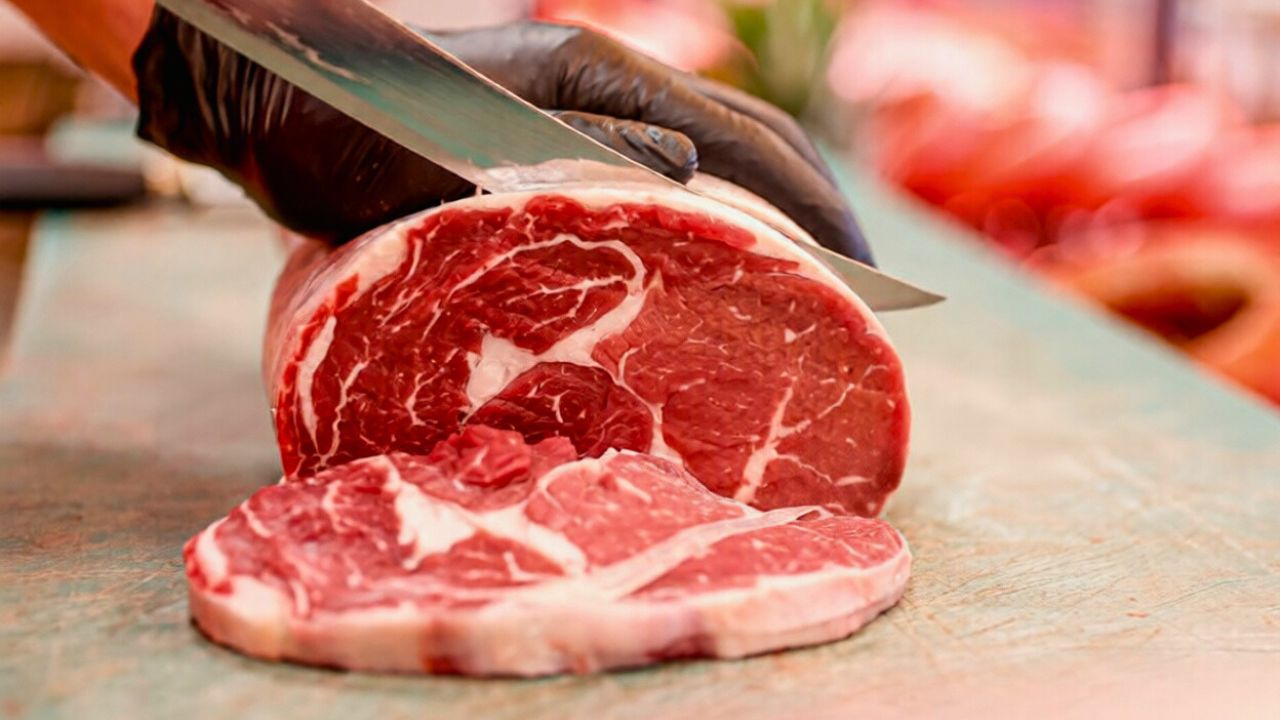
Beef has become the grocery item that makes you pause, recalculate your cart, and sometimes put the ribeye back. Even when you hear that cattle prices are dropping or that ranchers are struggling, the sticker on the meat case rarely seems to budge in your favor. The gap between what you are told about the cattle market and what you actually pay at checkout is the quiet lag that shapes every steak, roast, and burger you buy.
To understand why that lag exists, you have to follow beef from pasture to plate and watch how power, timing, and costs stack up along the way. Once you see how a handful of packers, long production cycles, and stubborn processing expenses interact, it becomes clear why beef stays expensive even when the underlying cattle market swings sharply.
Why your beef bill does not move with the headlines
When you hear that cattle prices are falling, it is natural to expect your grocery bill to follow quickly. In reality, the price you pay reflects a long chain of decisions that began months or even years earlier, from breeding and feeding to slaughter, fabrication, and retail contracts. Livestock and meat prices tend to move more in the short run than the costs of production, processing, and marketing, so the system absorbs some shocks instead of passing them straight to you.
Economists who study price spreads point out that the costs of getting beef from the ranch to your cart, including transport, labor, packaging, and retail overhead, change more slowly than cattle prices themselves, which is why livestock and meat prices can swing while the final retail tag barely moves. That structural drag is the first reason you see a disconnect between market chatter and the number on the scanner.
The long biological clock behind every steak
Beef is not like gasoline, where refiners can dial output up or down within weeks. From the moment a calf is conceived to the day it becomes boxed beef, you are looking at a multi year biological timeline that cannot be rushed without sacrificing weight or quality. When ranchers respond to high prices by keeping more heifers for breeding, the payoff in extra cattle does not arrive for several calving seasons, which means today’s herd decisions shape your grocery prices years down the road.
That slow clock is why a smaller national herd can keep retail prices high even after cattle futures soften, and why the latest USDA outlook warns that smaller herds and tight supplies will keep beef expensive into 2026 as demand for steaks and ground beef climbs accordingly. You feel that lag as a stubbornly high price floor, even when the raw cattle market starts to cool.
How drought, inflation, and herd cuts set the stage
Before you ever see a price tag, weather and macroeconomics have already done their work on the cattle supply. Years of dry conditions in key ranching states forced producers to cull animals and shrink herds, while rising feed, fuel, and labor costs pushed up the expense of keeping cattle on pasture or in feedlots. Faced with those pressures, many ranchers sold animals earlier than planned, which temporarily boosted slaughter numbers but hollowed out future supply.
Analysts describe this as The Story of “Drought, Inflation and Inventory,” where shrinking herds and higher input costs collide with steady demand and keep retail prices elevated. At the same time, inflation began to rise, driving up costs for everything from fertilizer to trucking, and those increases are likely to climb higher, which means the system bakes in a higher baseline cost long before the beef reaches your cart.
Why packers, not ranchers, capture the margin
When you pay record prices for beef, it is easy to assume ranchers are cashing in, but the money often pools elsewhere. A small group of large meatpacking companies controls most of the slaughter and processing capacity, and that concentration gives them leverage over both the cattle they buy and the boxed beef they sell. As a result, ranchers can be squeezed on the price they receive for live animals even while the cutout value and retail prices stay strong.
Critics argue that Beef prices are at record highs not because of U.S. ranchers or cattle producers, but because packers have the market power to keep margins wide, and they call for more regional processing capacity to restore fair competition. Advocates who track consolidation say Our food system has become more concentrated, with meatpacking giants exerting outsized influence on agricultural markets in particular, which helps explain why your bill stays high even when ranch country is hurting.
The eight month lag from livestock to supermarket
Even when cattle prices finally break lower, the discount does not show up in your supermarket meat case overnight. Processors and retailers work through existing inventories, forward contracts, and pricing agreements that were set when cattle were more expensive. That pipeline effect means the beef you buy today may have been priced and scheduled months ago, long before the latest market move.
Industry experience suggests it can take most of a year for lower livestock costs to filter through to the shelf, a pattern that is not unique to the United States. In Australia, for example, Scott Cameron of Meat and Livestock Australia said it typically took eight months for livestock prices to flow through the supply chain to supermarket meat, sausage, and other products, and that same kind of lag helps explain why you do not see instant relief when cattle markets soften.
Demand that refuses to back down
On the demand side, you are part of the reason beef prices stay firm. Even as prices climb, many households keep buying steaks, roasts, and burgers, treating beef as a staple rather than a luxury. That willingness to pay supports a high price floor, especially for popular cuts and for ground beef that anchors everything from tacos to backyard grilling.
Researchers note that Despite higher retail prices, consumers continue to value beef strongly in their diets, and when you put constrained supply together with that steady appetite, you get record price levels. Experts also point out that when domestic production tightens, imports fill only a slice of the gap, with Canada and Mexico accounting for a significant share of all U.S. beef imports, so global trade cannot fully offset the pressure you feel at the register.
Retail realities: contracts, cuts, and case mix
By the time beef reaches your supermarket, the economics look very different from the cattle auction. Retailers juggle multi month contracts, promotional calendars, and a mix of premium and value cuts that all share the same animal. If ribeyes and tenderloins slow down, stores lean harder on ground beef and roasts, adjusting prices across the case to keep the whole carcass moving and protect overall margins.
That is why Shoppers are seeing record high beef prices at the grocery store even as the number of cattle in the United States has fallen to its lowest level in decades, and analysts do not expect prices to fall anytime soon. Smaller herds mean less product to spread fixed costs over, so retailers keep prices elevated to cover labor, refrigeration, and shrink, and you feel that as a persistent gap between beef and cheaper proteins like chicken or pork.
Why “high cattle prices” do not equal “rich ranchers”
When you hear that cattle prices are high, it is tempting to assume ranchers are finally getting ahead, but their balance sheets tell a more complicated story. Feed, fuel, equipment, and land costs have climbed sharply, and many producers are still digging out from drought losses and earlier herd liquidations. High cattle prices can be as much about scarcity and risk as they are about profit, especially for smaller operations that lack scale.
Experts who track the sector say ranchers have been Incentivized by high cattle prices and high input costs to reduce herds, which tightens supply further and feeds back into the retail price you pay. At the same time, analysts emphasize that the primary factor driving record beef prices is constrained supply rather than windfall profits for producers, which is why you can see farmers struggle to reap the benefits even as your grocery bill climbs.
What you can actually do as a beef buyer
Knowing that structural lags and market power keep beef expensive does not make the checkout total any smaller, but it can help you respond more strategically. You can shift toward value cuts like chuck roasts, sirloin tip, or brisket, grind your own burger from whole muscles, or buy in bulk when prices dip and rely on your freezer. Local butchers and small processors sometimes offer more transparent pricing and can help you stretch a quarter or half beef across months of meals.
Smaller operators explain that Why Is Beef So Expensive often comes down to the cumulative cost of feed, processing, and compliance, and they encourage customers to think in terms of cost per meal rather than sticker shock on a single steak. Consumer finance analysts add that Beef prices have been elevated for years but have soared in 2025, with one measure showing they rose 1.2% from August to September, so building that trend into your meal planning and budget is more realistic than waiting for a sudden, dramatic drop that the structure of the industry is not set up to deliver.
Like Fix It Homestead’s content? Be sure to follow us.
Here’s more from us:
- I made Joanna Gaines’s Friendsgiving casserole and here is what I would keep
- Pump Shotguns That Jam the Moment You Actually Need Them
- The First 5 Things Guests Notice About Your Living Room at Christmas
- What Caliber Works Best for Groundhogs, Armadillos, and Other Digging Pests?
- Rifles worth keeping by the back door on any rural property
*This article was developed with AI-powered tools and has been carefully reviewed by our editors.