The Calibers You See All Over the Internet That Don’t Make Sense on a Small Homestead
Photo credit: Denis Kornilov/Shutterstock.com
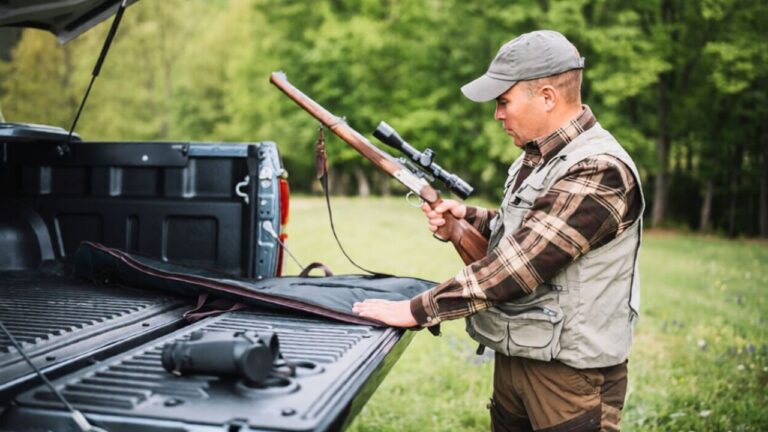
On a small homestead, every tool has to earn its keep, and that includes the firearms you keep in the truck rack or by the mudroom door. The internet is full of caliber debates that make sense for hobbyists or long‑range competitors but fall apart when you measure them against feed bills, fence repairs, and the realities of working land. If you match your rifles and handguns to the actual jobs you face, you quickly see that many popular chamberings are more about online bravado than practical homestead work.
Instead of chasing the latest trendy cartridge, you are better served by a short list of versatile, affordable calibers that cover pests, livestock emergencies, and the occasional deer in the freezer. That means understanding where certain rounds shine, where they are wasteful or even counterproductive, and how to balance power, recoil, and ammunition cost against the real tasks on your property.
What a Small Homestead Actually Needs From a Firearm
Your homestead firearm battery should be built around jobs, not internet arguments. On a few acres, your realistic needs usually fall into four buckets: pest control around barns and gardens, predator defense for poultry and small stock, humane dispatch of injured animals, and short to medium range hunting for meat. When you frame your choices around those tasks, the obsession with exotic ballistics and extreme range looks out of place.
Most of your shots will be inside 100 yards, often much closer, and taken from awkward positions while you juggle chores. That favors light recoil, quick handling, and ammunition you can afford to practice with regularly. It is why many working farms still lean on classic mid‑power cartridges like the 30‑30 as a versatile workhorse instead of chasing niche long‑range rounds that rarely leave the bench. Once you accept that reality, it becomes easier to see which calibers are more internet fashion than functional homestead tools.
The Myth of “One Rifle to Do It All” in Exotic Calibers
Online prepper and survival forums often push the idea that a single rifle in a flashy chambering can cover every scenario from squirrels to elk. In practice, that mindset nudges you toward overpowered, over‑recoiling rifles that are miserable for daily chores and wasteful for small game. Even in discussions of “general purpose” rifles, you see people admit that what works on paper depends heavily on what you are actually trying to hunt, with some pointing out that 5.56 can take down a white tail but is not automatically the best answer for every role.
On a small homestead, the “do everything” rifle is usually a compromise that does nothing especially well. A heavy, high‑recoil caliber that can theoretically handle large game at long range is overkill for raccoons in the chicken run and too punishing for smaller family members to use confidently. You are better off with a modest rimfire for pests and a mid‑power centerfire for deer and livestock emergencies than a single exotic cartridge that looks impressive in charts but rarely matches your day‑to‑day needs.
Why Ultra‑Powerful Big‑Game Rounds Are Overkill on Small Acreage
Few calibers are more romanticized online than the heavy big‑game rounds, yet they are often the worst fit for a compact homestead. In one homesteading discussion, a commenter flatly noted that “30‑30, 45‑70 is kinda overkill for a farm gun” unless you are dealing with serious bear problems. That sentiment captures the core issue: cartridges built for large, tough animals at distance bring recoil, muzzle blast, and ammunition cost that do not line up with dispatching a sick goat or knocking down a coyote at the treeline.
Rounds in the 45‑70 class also tend to be chambered in heavier rifles that are slower to mount and harder to keep handy in a truck or UTV. On a few fenced acres, you are far more likely to need quick follow‑up shots on a fox or feral dog than a single thundering hit on a moose. Unless you truly live in big predator country, those ultra‑powerful cartridges are more about nostalgia and internet clout than practical homestead work.
When High‑Velocity Varmint Rounds Stop Making Sense
High‑velocity small‑bore cartridges are another internet favorite, often praised for laser‑flat trajectories and explosive terminal performance on varmints. In real homestead use, that performance comes with trade‑offs in noise, barrel wear, and meat damage that are easy to overlook from behind a keyboard. You may find that a quieter, slower rimfire is more neighbor‑friendly and less destructive when you are shooting near barns, fences, and outbuildings.
There are exceptions, and one of the most useful is the .17HMR, a wicked little round that is described as the smallest commercially available caliber by one experienced homesteader. That cartridge shines for common pest and predator control where you need precision and a bit more reach than a .22 LR, but it still sits in a different category from the overbore varmint magnums that dominate some online discussions. For most small properties, the sweet spot is a modest rimfire or light centerfire that balances reach with controllability and cost.
The Overrated Deer Cartridges That Don’t Fit Homestead Reality
Deer cartridges are another area where internet culture and homestead reality diverge. Some rounds have legendary reputations that can overshadow their actual performance and suitability for your land. It has often been said that the .30‑30 has killed more deer than any other cartridge, and the 243 Win. is a famous deer killer, yet even those well‑proven options can be labeled overrated when shooters chase flatter trajectories or trendier designs.
On a small homestead, your deer shots are usually inside the woods or across a pasture, not across a canyon. That means a moderate cartridge that you shoot well is more important than the latest long‑range darling. Legal minimums matter, and in many parts of the United States the 243 Winchester is frequently regarded as the smallest legal deer caliber, with .223 Remington sometimes seen as marginal. Instead of chasing hype, you are better off choosing a deer round that meets your local rules, fits your terrain, and does not punish you with recoil when you practice.
Why Tactical 5.56 and Its Cousins Are Not Automatically Ideal Farm Rounds
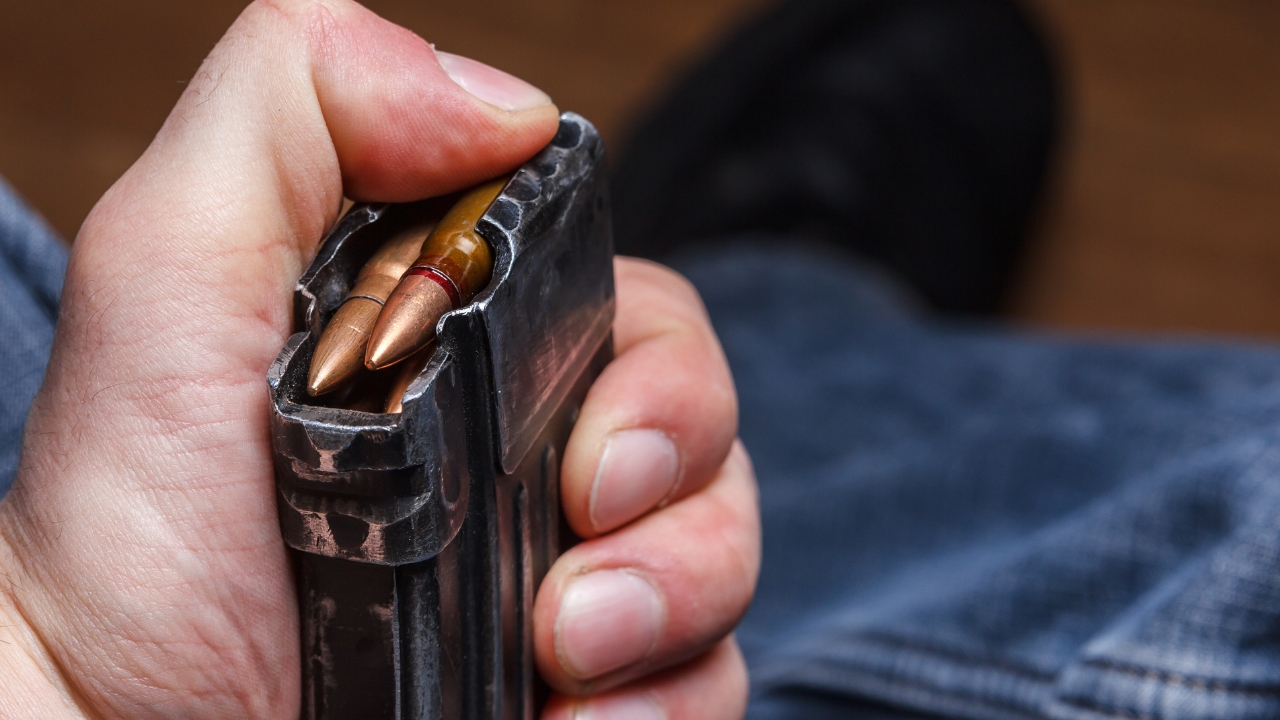
Modern sporting rifles in 5.56 are everywhere online, and there is no question that they can be effective tools. The country is described as “awash with useful . 223 and 5.56 loads,” and some shooters point out that 5.56 can indeed handle tasks like deer in a pinch. That availability and versatility are real advantages, especially if you already own an AR‑15 pattern rifle.
Yet the same factors that make 5.56 attractive online can be drawbacks on a quiet homestead. The report is sharp, overpenetration can be a concern around outbuildings and livestock, and the rifles themselves often invite a “tactical” mindset that does not match the slower, deliberate pace of farm work. You may find that a simple bolt‑action in a traditional caliber, or a lever gun in something like 30‑30, is easier to keep in the truck and more intuitive for family members who are not steeped in modern rifle culture. Tactical chamberings have their place, but they are not automatically the best fit for every small property.
Light Rimfires and Small Calibers That Punch Above Their Weight
At the other end of the spectrum, light rimfires and small calibers are often underrated in online debates, even though they are some of the most useful tools on a homestead. A .22 LR rifle is cheap to feed, easy to shoot, and ideal for everything from garden pests to training new shooters. One survival‑focused analysis notes that 22 caliber ammo is a huge advantage in a limited sized pack, which translates neatly to the limited storage and budget of a small homestead.
Even some of the more specialized small calibers can be surprisingly practical. The earlier reference to .17HMR as a tiny but potent option for pest and predator control shows how a carefully chosen small round can fill a niche without the downsides of larger cartridges. When you combine a light rimfire with a moderate centerfire, you cover most homestead tasks without ever touching the exotic calibers that dominate so many online arguments.
Handgun Calibers: Practical Sidearms Versus Internet Flex
Handguns on a homestead are tools of convenience, not status symbols. You want something compact enough to carry while you mend fences or move hay, yet powerful enough to handle a snake at your feet or a sudden threat in the driveway. Several manufacturers, including Rossi, Ruger, Smith & Wesson, and Taurus, produce short barrel, five shot .357 revolvers that are explicitly described as suitable for rural carry when things turn ugly.
Online, you will see endless debates about ever larger semi‑auto calibers and competition‑oriented setups that make little sense when you are climbing into a tractor or crawling under a trailer. A simple .357 revolver or a compact 9 mm that you can shoot accurately is far more valuable than a heavy, high‑capacity handgun that you leave in the house because it is uncomfortable. As with rifles, the calibers that look impressive in photos are not always the ones that fit smoothly into daily homestead life.
Building a Rational, Task‑Driven Caliber Set for Your Homestead
Once you strip away the internet noise, a rational homestead firearm set looks refreshingly simple. You might start with a .22 LR rifle for pests and training, add a mid‑power centerfire like a 30‑30 or 243 for deer and livestock emergencies, and round things out with a compact .357 or 9 mm handgun for close‑range defense. That combination covers nearly every realistic task on a small property without drifting into the specialized calibers that are better suited to competition or distant backcountry hunts.
Discussions among homesteaders and preppers reinforce this pattern, with many people gravitating toward common, widely available rounds instead of chasing the latest 224 Valkyrie or similar niche cartridges. One thread even highlights that, But in a pinch, it’s nice to have a versatile rifle, while another reminds you that, Weight is Your Enemy First when you have to carry ammunition. If you let those grounded priorities guide your choices, you end up with calibers that make sense in the barnyard and the back pasture, not just on a ballistics chart.
Like Fix It Homestead’s content? Be sure to follow us.
Here’s more from us:
- I made Joanna Gaines’s Friendsgiving casserole and here is what I would keep
- Pump Shotguns That Jam the Moment You Actually Need Them
- The First 5 Things Guests Notice About Your Living Room at Christmas
- What Caliber Works Best for Groundhogs, Armadillos, and Other Digging Pests?
- Rifles worth keeping by the back door on any rural property
*This article was developed with AI-powered tools and has been carefully reviewed by our editors.