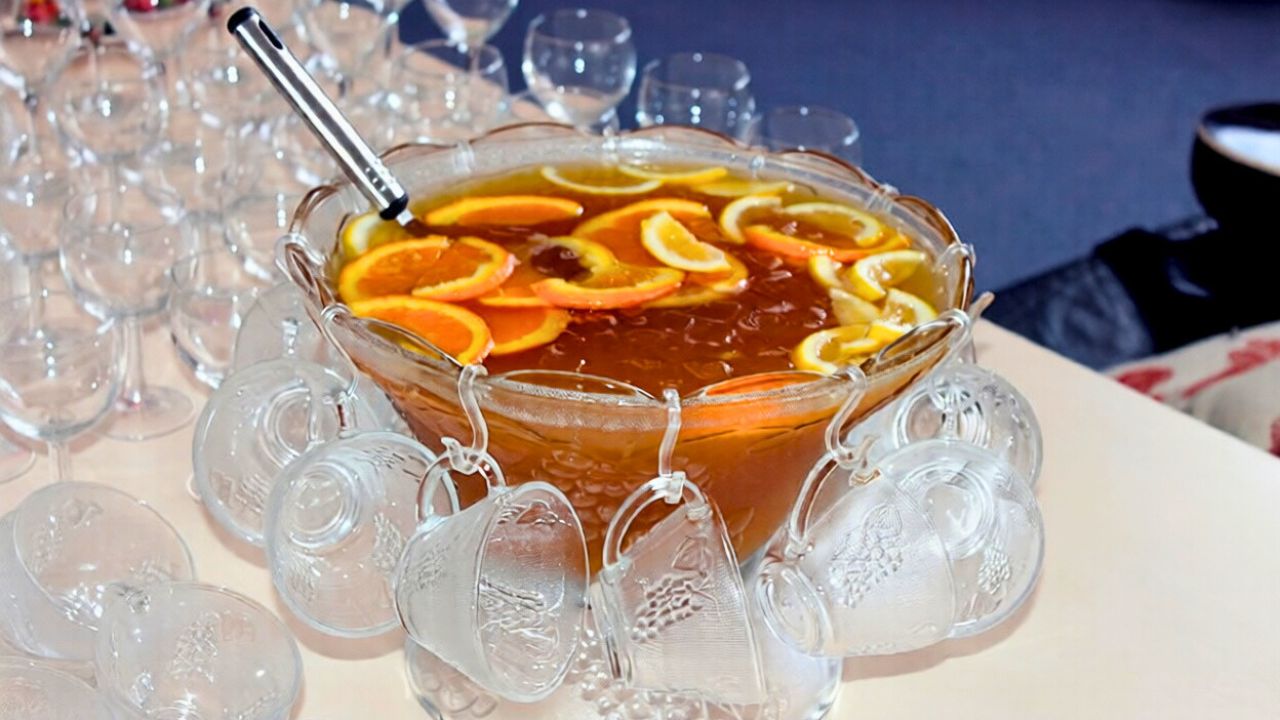
The thrift-store kitchen item that saves you $50 every time you host
Photo credit: MollyNZ/istock.com
Every time you host, the real budget buster is not the food, it is the drinks. A single evening of cocktails, wine, and nonalcoholic options can quietly add $50 or more to your tab, especially if you are buying individual mixers and garnishes. The simplest way to cut that cost is to stop pouring one drink at a time and start serving a big‑batch punch in a dedicated punch bowl you bought at a thrift store for the price of a takeout lunch.
A punch bowl turns hosting into a volume game: you buy ingredients in bulk, mix once, and let guests serve themselves instead of raiding your bar cart. Because punch is designed to stretch spirits with juice, tea, or sparkling water, you use less alcohol per person while still offering something that feels festive and generous. That is how a single secondhand bowl can reliably save you around $50 every time you have people over.
Meet the $7 punch bowl that pays for itself in one party
On most thrift shelves, punch bowls sit in the “what would I even do with that?” category, which is exactly why you can usually pick one up for the cost of a latte. You are looking for a large glass or crystal bowl with a wide opening, ideally with a ladle and a few matching cups, although you can easily mix and match. A typical secondhand price hovers around $7 to $15, which is less than a single bottle of mid‑shelf liquor and dramatically less than renting specialty serveware for a night.
Once you own the bowl, the economics shift every time you host. Instead of stocking multiple spirits, liqueurs, and mixers, you build one big‑batch recipe that uses a single base spirit, a citrus element, something bubbly, and plenty of ice. That lets you buy ingredients in larger, cheaper formats and avoid the half‑used bottles that tend to languish after a party. A well‑chosen punch bowl also doubles as decor, functioning like a statement centerpiece in the middle of your table, a role that dedicated hosts increasingly treat as a core product decision rather than an afterthought.
Why punch beats individual cocktails on cost
When you pour individual cocktails, you are committing to roughly 1.5 to 2 ounces of liquor per drink, plus specialized mixers that rarely get used up. Multiply that by a dozen guests and a few rounds, and you are easily into multiple bottles of spirits, bitters, syrups, and garnishes. With punch, you stretch that same amount of alcohol across a much larger volume by leaning on juice, tea, or sparkling water, so each glass still tastes complex but contains less liquor and fewer pricey add‑ons.
That shift is where the $50 savings comes from. Instead of buying three or four different spirits, you can build a crowd‑pleasing bowl around one bottle of rum or gin, a big carton of citrus juice, and a couple of large bottles of seltzer or ginger ale. You also cut down on waste, because guests serve themselves from a central bowl rather than abandoning half‑finished cocktails around the room. Hosts who embrace this approach often find that they can redirect the money they would have spent on extra alcohol into better ingredients for the meal or into reusable serving pieces like sturdy serving utensils that make every future gathering smoother.
The case for owning a punch bowl, according to hosting pros
Entertaining professionals have quietly been making the case for punch for years, not just as a nostalgic throwback but as a serious hosting tool. A dedicated bowl lets you prepare drinks in advance, which means you are greeting guests instead of shaking cocktails in the kitchen all night. It also creates a natural gathering point, encouraging people who do not know each other to cluster around the same spot, refill their glasses, and start talking.
Writers who specialize in home cooking and parties describe the punch bowl as both a practical workhorse and a conversation starter, arguing that it functions as a “statement piece that gets everyone talking” when you set it out in the center of the room. In one detailed argument for big‑batch drinks, the author frames the decision to own a bowl as an “airtight” choice, noting that a single vessel can anchor everything from casual brunches to formal celebrations. That perspective is captured in a piece titled The Airtight Argument for Owning a punch bowl, which also emphasizes how the format reduces stress for the host.
How a thrifted punch bowl upgrades your table, not just your budget
Visually, a punch bowl does the same job as a floral centerpiece, but it earns its keep by serving drinks at the same time. When you place it on a sideboard or in the middle of your dining table, you instantly add height, color, and a sense of occasion. That is the same logic behind the current enthusiasm for Cake Stands and Tiered Trays, which stylists use to create vertical interest and maximize limited surface area.
Thrifted serveware also lets you experiment with styles you might not splurge on at full price. You might find cut glass that catches the light, minimalist clear bowls that disappear into a modern table, or ornate vintage pieces that look like they came from a grandparent’s attic. Hosts like Kolosvetova recommend hunting for elevated pieces such as footed bowls and compotes to make simple foods feel like a centerpiece, and the same principle applies to your punch. When you treat the bowl as part of your decor strategy, you get a double return on that small secondhand investment.
What to look for when you are scanning the thrift shelves
Not every bowl is worth bringing home, even at thrift prices. You want to inspect the rim and base for chips or cracks, since those can spread once the bowl is filled with ice and liquid. Run your fingers along the edges, hold the bowl up to the light, and check that the glass is free of deep scratches or cloudy patches that might indicate damage. If a ladle is included, make sure it is sturdy and long enough to reach the bottom without tipping into the punch.
Seasoned secondhand shoppers also pay attention to brand names and materials, because some pieces can be surprisingly valuable. Experts who specialize in thrifted kitchenware advise scanning for collectible makers and avoiding cookware that is scratched or chipped, guidance that applies to glass punch bowls as much as to pans. If you spot a heavy piece with a satisfying ring when tapped, that is usually a sign of higher quality glass or crystal that will hold up to repeated use.
Other thrifted kitchen workhorses that stretch your hosting budget
Once you start looking at your punch bowl as a strategic purchase, it becomes easier to see other secondhand kitchen items the same way. Durable cookware is a prime example. Enthusiasts point to Lodge Cast iron skillets as the kind of pan you can pass down through generations, and they are frequently available at thrift stores for a fraction of the new price. A single large skillet can handle everything from searing steaks to baking one big chocolate chip cookie for a crowd.
Serveware is another category where secondhand shopping pays off. Vintage Pyrex dishes, for example, are beloved for their durability and distinctive patterns, and some designs have become collectible in their own right. Copper Pots and Tools can also be smart buys if you know what to look for, with one expert recalling that “Don’t sleep on copper” and describing how “One of” their most exciting finds was a vintage Matfer Bourgeat copper fish fry pan, provided the lining is intact for safe use.
Building a full hosting kit around your punch bowl
Think of your punch bowl as the anchor of a broader thrifted hosting kit. Around it, you can assemble mismatched but coordinated Serving Dishes and Tableware, which secondhand shops often stock in complete sets that are ready for your next dinner party. Some of those sets come from collectible brands such as Fiestaware and Dansk, so you are not just saving money, you are upgrading the quality of what you put on the table.
Small accessories matter too. A pair of heat‑resistant mitts like Ove Gloves can make it safer to move heavy casseroles or Dutch ovens in and out of the oven, which is especially useful when you are cooking for a crowd. Footed Bowls and Compotes, which Kolosvetova recommends for turning fruit or bread into a focal point, are often stacked near the punch bowls on thrift shelves, and they help you build a layered table that looks intentional rather than improvised.
How to turn thrift savings into a hosting strategy
Saving $50 on drinks is not just a one‑time win, it is a pattern you can build into your budget. One stylist who breaks down how to refresh a wardrobe with secondhand finds explains that they will take $50 to local thrift stores and “Throw all the stuff in there,” noting that the most common things they see are George jeans and other basics. The same mindset applies to your kitchen: set a modest cash limit, focus on high impact items like your punch bowl, and let the constraints push you toward smarter choices.
Over time, those choices compound. Instead of buying disposable decor or renting serveware, you are building a permanent collection of tools that make every gathering easier and more affordable. When you know you can host a dozen people without blowing your budget on drinks or dishes, you are more likely to say yes to last‑minute plans or to volunteer your place for the next celebration. That confidence is the real payoff of treating your thrifted punch bowl as a strategic investment rather than a quirky extra.
Putting it all together for your next gathering
Before your next party, start by planning the punch, not the cocktails. Choose a base spirit you already like, add citrus and something sparkling, and scale the recipe to fill your thrifted bowl. Then build the rest of the menu around dishes that can be served at room temperature in your secondhand Serving Dishes and Tableware, so you are not tied to the stove while everyone else is relaxing. If you are short on height or drama, borrow a trick from Dec features on holiday entertaining and use Cake Stands and Tiered Trays or footed bowls to create a more dynamic spread.
As you refine your setup, keep an eye out for incremental upgrades: a sturdier ladle, a better set of tongs, or a vintage tray that makes refilling snacks easier. Over time, your hosting kit will reflect the same careful curation that stylists bring to their shoots, from the Lodge Cast iron skillet that sears your main course to the Pyrex dish that holds dessert. The punch bowl is simply the most efficient starting point, a single thrift‑store find that reliably trims about $50 from your hosting bill every time you fill it and invite people in.
Like Fix It Homestead’s content? Be sure to follow us.
Here’s more from us:
- I made Joanna Gaines’s Friendsgiving casserole and here is what I would keep
- Pump Shotguns That Jam the Moment You Actually Need Them
- The First 5 Things Guests Notice About Your Living Room at Christmas
- What Caliber Works Best for Groundhogs, Armadillos, and Other Digging Pests?
- Rifles worth keeping by the back door on any rural property
*This article was developed with AI-powered tools and has been carefully reviewed by our editors.