9 thrift-store finds that clean up fast and look expensive once they’re styled right
Photo credit: Bezbod/Shutterstock.com
When you walk into a thrift store with a clear eye and a little strategy, you are not just saving money, you are buying raw materials for a home that looks tailored and intentional. The right pieces clean up quickly, style beautifully and can pass for custom or even collectible once you know what to look for and how to finish them. These nine categories are the ones that consistently transform from dusty castoffs into polished, expensive‑looking staples in a matter of hours.
From bold mirrors to real wood furniture and gleaming barware, each of these finds has a simple path from cluttered shelf to pride of place in your living room or dining nook. With a few cleaning tricks, some basic tools and a sense of proportion, you can turn secondhand scores into the kind of details that usually come with designer price tags.
1. Bold mirrors that instantly upgrade your walls
Large mirrors are one of the fastest ways to make a room feel brighter and more considered, and thrift stores are full of them. You want pieces with presence: think heavy frames, interesting silhouettes and finishes that echo current interiors, like dark wood, black, or antique gold. Recent trend reporting points out that Bold Mirrors are high on the list of sought‑after secondhand finds, especially those with ornate carving or unusual shapes that read as one‑of‑a‑kind rather than mass‑produced.
To make a thrifted mirror look expensive, treat the glass and frame separately. Remove the backing if you can, clean the glass thoroughly, and touch up the frame with either a careful polish or a fresh coat of paint in a saturated tone that suits the richer, deeper interiors that are edging out all‑white minimalism. Design coverage notes that, after years of pale rooms, people are gravitating toward more layered spaces with color and patina, and mirrors with character fit that shift, especially when you echo those deeper hues that, as one report puts it, are gaining ground While the old minimalist look fades.
2. Real wood furniture that looks custom after a clean
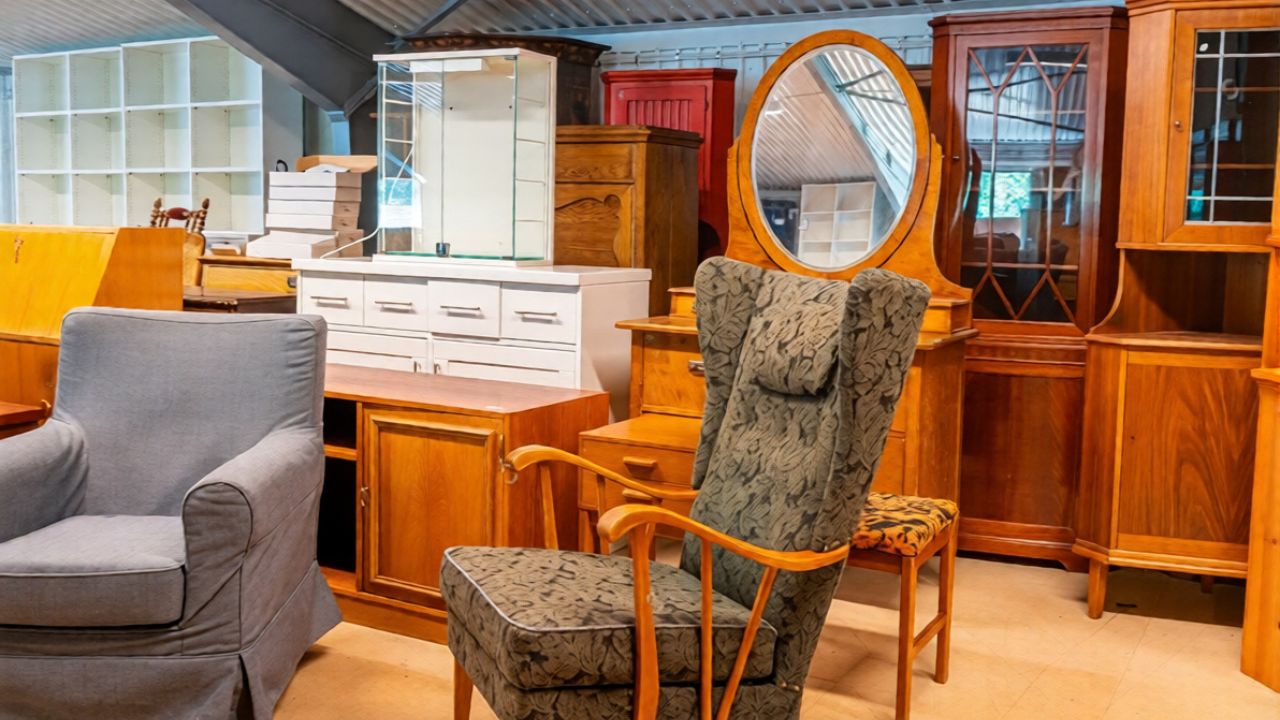
Solid wood furniture is one of the smartest categories to prioritize, because quality construction is easy to recognize and even easier to revive. Seasoned thrifters are consistently advised to pounce on Wood Furniture, because Any experienced shopper knows real wood goes fast and is only getting more popular. Look for weight and joinery: guidance on consignment shopping stresses Sturdy Construction and advises you to Look for solid wood or metal, then Gently lift each piece and check for dovetail corners that signal skilled work.
Do not be scared off by scuffs or even older repairs. One expert on secondhand value points out that Furniture With Signs of Repair can actually indicate that a piece was worth fixing, and Nick, who evaluates these finds, notes that the most valuable items are often the least exciting at first glance. Once you get a solid frame home, a deep clean, a light sand and either a fresh coat of stain in the warmer walnuts and chestnuts that are trending or a coat of paint with new hardware will make it look like a custom order rather than a thrift rescue.
3. Vintage frames that rival gallery pieces
Frames are one of the most overlooked sections in a thrift store, even though they are often the quickest route to a high‑end look. You are not buying the art, you are buying the structure: the molding profile, the depth, the finish. Reporting on collectibles highlights Gilded Frames as a category where certain antique Frames can sell as high as $25,000, which underlines how much craftsmanship and value can be hiding in a dusty stack at the back of the store.
To make a thrifted frame look expensive, start by removing any damaged art and cleaning the corners with a soft brush. If the finish is good, leave the patina and simply add a crisp white mat and a black‑and‑white photograph or a simple print. If the finish is dated, a careful coat of matte black or a restrained gold leaf wax can modernize it without erasing the detail. DIY decorators have shown how a frame picked up for as little as $5.99 can become a focal point once it is cleaned and paired with the right art, especially when the original handmade character is allowed to shine.
4. Lamps that clean up in an afternoon
Lighting is one of the clearest tells of a room’s budget, which is why secondhand lamps are such a powerful upgrade. You are looking for good bones: a solid base, a pleasing silhouette and wiring that either looks safe or can be replaced. Lifestyle guidance on buying used household basics singles out Lamps Lamps as a top‑tier thrift category, noting that They are easy to clean and transform with a new shade or bulb, which means you can get a designer‑level look with very little effort.
Once you bring a lamp home, wipe the base thoroughly, polish any metal and consider a coat of spray paint in a sophisticated finish like matte black, plaster white or brushed brass. Swap any dated shade for a simple drum or empire shape in linen or cotton, and choose a warm LED bulb that flatters skin tones and fabrics. If you are comfortable with basic electrical work, rewiring a lamp is straightforward, but even if you stick to pieces that already work, this is one of the fastest ways to make a thrifted corner feel intentional and expensive.
5. Glassware and barware that look like heirlooms
Open shelving and bar carts put your glassware on display, so upgrading this category has an outsized impact on how polished your home feels. Thrift stores are rarely short on options, and coverage of small secondhand scores notes that Glassware is abundant, with Thrift aisles hiding plenty of quality pieces among the rows of cups and stems. Experts suggest scanning for sets of at least 4 to 8 glasses, since cohesive groups look more intentional on a table or shelf.
Vintage cocktail pieces are especially prized, both for daily use and for styling. Reports on what sells quickly in secondhand shops point out that Vintage Barware is snapped up because Elegant glasses can double as décor, and They add a sense of ritual every time you pour a drink. To make your finds look high‑end, wash them by hand, group them by style or era, and display them on a tray or in a cabinet with good lighting so the cut crystal or colored glass catches the eye.
6. Brass and crystal accents that add quiet luxury
Small metallic and crystal pieces are the finishing touches that make a room feel layered and expensive, and they are often hiding in plain sight on thrift shelves. Look for weighty metal, classic silhouettes and details like fluting or faceting that catch the light. One guide to small valuable finds singles out Brass Candlesticks and notes that You can never have enough of them for holiday tables, with Pieces that are solid brass holding both decorative and resale value.
Crystal candleholders and vases can have a similar effect. A home stylist who documents her secondhand décor describes spotting a Delicate crystal candle holder at Goodwill for $3.99 and notes how They instantly looked elegant once cleaned and placed on a table. To get the same effect, polish brass with a gentle cleaner to keep some patina, wash crystal by hand so it stays clear, and cluster these pieces in odd numbers on mantels, consoles or dining tables where they can reflect candlelight and daylight alike.
7. Upholstered seating and textiles that feel fresh
Soft goods can be intimidating to buy used, but when you know how to clean them properly, they are one of the most budget‑friendly ways to add texture and comfort. When you are considering upholstered chairs, benches or fabric décor, inspect seams and frames first, then focus on whether the fabric can be cleaned or replaced. Guidance on trending secondhand décor notes that fabric pieces are in demand, but also cautions that, However, you should make sure to clean your fabric décor thoroughly so you do not invite moths or pests into your home, especially when you are bringing in vintage seating that mimics higher‑end styles at a fraction of the price However.
For removable covers and most clothing‑weight textiles, experts recommend a careful wash before anything touches your closet or sofa. Guidance on sanitizing secondhand garments explains that, for most thrifted pieces, an appropriate wash cycle is enough, and that Method 3, Handwashing, is the safest approach for fragile or embellished fabrics, with Hand washing in cool water helping with odor removal and mild disinfection when an item is not machine washable. For cushions and pillows, consider replacing inserts and keeping only the covers, or reupholstering a great frame in a new fabric so you get the silhouette and comfort of a high‑end piece without the price.
8. Designer bags and clothing that elevate your entryway
Fashion finds do more than upgrade your wardrobe; they can also act as décor when styled on hooks, shelves or open closets. Resale experts emphasize that Anything with a recognizable brand name is a hot target, with a special allure around vintage Coach bags, since Coach pieces can resell for a significant percentage of their original price. When you hang a structured leather bag on a wall hook or place it on a console tray, it reads as both functional and decorative, much like a sculptural object.
Clothing itself can be a smart category to hunt, especially if you focus on quality fabrics and labels. Advice for people who flip secondhand goods for profit notes that, when you are deciding what to resell, Clothing is a core category, with Especially Name Brands and Vi (vintage) pieces performing well. In your own home, a well‑cut wool coat on a hallway peg or a row of neatly pressed shirts on an open rail can make a space feel like a boutique. Just be sure to launder or dry‑clean everything first, following the same sanitizing guidance you would use for textiles so your stylish display is also hygienic.
9. Art, hobbies and décor that follow current design shifts
The final category is less about a single object and more about a mindset: you are looking for pieces that align with where interiors are headed, not where they have been. Recent coverage of secondhand trends notes that people are moving away from stark, all‑white rooms and toward richer colors, layered textures and objects that reflect their Dec hobbies and interests. That shift is why you are seeing more demand for warm wood stains, collected art walls and personal collections on display, rather than bare surfaces and matching sets.
To tap into that, focus on art, books, ceramics and hobby gear that feel personal but still cohesive. Clean secondhand décor properly so it is safe for your home: guidance on refreshing used items recommends that you Wipe Wood Furniture, Shelves and Frames with a soft cloth first, then Handwash delicate or hand‑painted items and, for sturdier pieces, use a dishwasher’s sanitizing cycle when appropriate. When you combine that level of care with a sharp eye for color and proportion, your thrift‑store finds stop looking like random bargains and start reading as a curated, expensive‑looking home.
Like Fix It Homestead’s content? Be sure to follow us.
Here’s more from us:
- I made Joanna Gaines’s Friendsgiving casserole and here is what I would keep
- Pump Shotguns That Jam the Moment You Actually Need Them
- The First 5 Things Guests Notice About Your Living Room at Christmas
- What Caliber Works Best for Groundhogs, Armadillos, and Other Digging Pests?
- Rifles worth keeping by the back door on any rural property
*This article was developed with AI-powered tools and has been carefully reviewed by our editors.