7 “cheap” thrift buys that usually turn into clutter, and what to grab instead
Photo credit: Hannah Bernabe/istock.com
You head into a thrift store to save money and shop more sustainably, but the low prices can quietly sabotage your home. A cart full of “bargains” that never get used does not feel frugal, it just turns into clutter you eventually have to declutter or donate again. With a little strategy, you can skip the items that almost always linger in closets and cabinets and focus on secondhand finds that genuinely earn their space.
Instead of grabbing every cheap curiosity, you can train yourself to spot pieces that are well made, versatile and easy to resell if your style changes. That shift lets you keep the thrill of the hunt while protecting your square footage, your budget and your future weekend from yet another clean‑out session.
1. Random “project” decor vs pieces you will use tonight
One of the fastest ways to turn thrifting into clutter is treating every low price as a creative challenge. You tell yourself you will repaint that ornate frame, rewire that lamp or finally learn to reupholster a chair, then the “project” sits untouched for months. Designers warn that when you let the excitement of a bargain override practical value, you end up with shelves of half‑finished ideas instead of decor you actually enjoy, a pattern highlighted in Key Points about how Thrifting can quietly fill your home with stalled Projects.
A better filter is to ask whether you can put the item to work tonight without any DIY at all. Serving pieces, framed art that already fits your walls and textiles that do not need mending are safer bets because they move straight from the store into your daily rotation. When you focus on immediate usefulness instead of hypothetical upgrades, you protect your time and avoid the guilt that comes from staring at a pile of “someday” projects.
2. Cheap textiles vs linens that actually upgrade your home
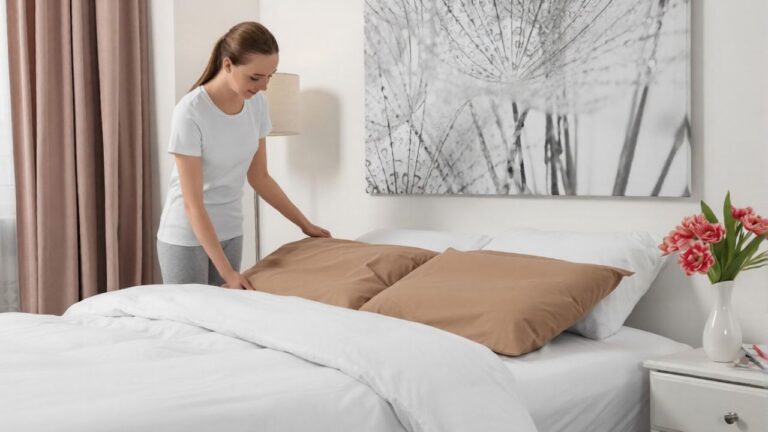
Textiles are tempting because they are light, inexpensive and easy to toss into a cart, but they are also some of the worst offenders when it comes to hidden clutter. You might already have a drawer of faded hand towels and a stack of mystery pillowcases, yet still feel drawn to “backup” linens at the thrift store. Organizing experts point out that People often hang on to Tired washcloths long after the matching towels are gone, even when the grey, fraying fabric no longer feels good to use, a habit that wastes storage space according to Jan.
Instead of scooping up every cheap blanket or towel, look for textiles that clearly outperform what you already own. Natural fibers in excellent condition, like a heavy cotton tablecloth or crisp linen napkins, can instantly elevate your table and are easy to launder. If you would not be proud to put the item out for guests tonight, leave it for someone else and reserve your budget for linens that genuinely refresh your home rather than padding out an overstuffed linen closet.
3. Novelty kitchen gadgets vs timeless serviceware
Kitchen aisles are packed with single‑use gadgets that seem clever in the moment and then migrate to the back of a drawer. It is easy to justify a $2 avocado slicer or novelty baking pan, but those “why not” purchases add up to crowded cabinets and frustrating cooking sessions. Resellers who specialize in decluttering note that if you walk through a typical store you will see rows and rows of old and newer electronics and small appliances, and only the good brands or truly useful pieces tend to sell, while the rest linger as dead weight, a pattern described in detail under the section that begins “If you ever look at thrift stores” in What.
When you want to bring home something for your table, shift your focus to classic Serviceware that you will reach for every time you host. Experts suggest that Once you have a basic dinnerware collection, serving dishes and trays, from silver platters to ceramic casseroles, are smart secondhand buys because they clean up beautifully with some polish or silver wipes and hold their value, as Jan notes about Serviceware. These pieces work across seasons and menus, so they earn their shelf space in a way no novelty gadget can.
4. Bins of tiny toiletries vs real storage workhorses
Small items feel harmless, which is why they so often become invisible clutter. You might already have a bathroom drawer full of hotel shampoo, sample‑size lotions and half‑used travel products, yet still feel tempted by baskets of miniature beauty items at the thrift store or discount bins. Organizing coach Jan points out that Hotel toiletries and product samples often end up in a bin that Many people never actually use, even though they keep saving the little bottles, a pattern she flags as a surprisingly impactful category to declutter in her list of Hotel items that quietly crowd your home.
If you want to tame small stuff, skip more products and invest in better containers. Dec insiders note that Instead of buying brand‑new organizing systems, you can often find sturdy baskets at thrift stores that hide cords, toys and toiletries in plain sight, and a quick wipe with a cloth is usually all they need, as explained in the section that begins “Instead of spending a fortune” in Instead of. Choosing Baskets that are well made and neutral in color gives you flexible storage you can move from room to room, a strategy that the same Dec guidance on Baskets calls “a great way to hide all of your clutter” without adding visual noise.
5. Fast‑fashion clothing vs quality garments you will wear weekly
Clothing racks are where even seasoned thrifters lose focus. When every top is under $10, it is easy to justify armfuls of “maybe” pieces that do not quite fit or match anything you own. A popular Dec video guide to secondhand shopping notes that if you would hesitate to pay even $10 for a shirt with pants as a set, you probably do not like the item enough to wear it regularly, and buying something when you only like the top or only like the bottom is a recipe for closet clutter, a point made bluntly in Dec.
Instead of chasing volume, treat the clothing section like a curated boutique. Look for natural fibers, strong seams and classic cuts that you can picture in at least three outfits you already own. Style guides that highlight 5 Must‑Have Items to look for secondhand point out that cute tops and dresses tucked away on the racks can be well worth exploring when they are fashionable and one of a kind, especially if they fill a real gap in your wardrobe, as the Apr advice on hidden fashion finds in Apr explains. When you hold yourself to a “wear weekly” standard, you leave behind the almost‑right pieces and come home with clothes that actually earn their hanger.
6. Electronics and “set it and forget it” appliances vs durable basics
Thrift shelves full of electronics can feel like a treasure hunt, but they are also a graveyard of impulse buys. From bread makers to outdated DVD players, many of these items were used briefly and then donated when they proved too bulky or fussy. Resale experts who make money decluttering point out that if you scan the aisles you will see rows and rows of old and newer electronics, and only certain categories with good brands and working parts are worth flipping, while the rest are better left behind, as detailed in the section that starts “If you ever look at thrift stores” in What.
When you are tempted by a cheap appliance, ask whether you already own something that does the same job. A solid stainless‑steel pot or sharp chef’s knife will see daily use, while a specialty gadget might come out twice a year. Frugal shoppers on Reddit often argue that Everything you might want will eventually show up secondhand if your patient enough, but they also stress that What you buy is up to you and should be guided by how often you will actually use it, a perspective shared in the Jun discussion of patient thrifting in Everything. Choosing durable basics over novelty appliances keeps your counters clear and your cooking routine simpler.
7. Overpriced “finds” vs real‑wood furniture with good bones
Low prices are part of the appeal of secondhand shopping, so it is ironic how often shoppers overpay. Some stores now mark up trendy items to the point where they cost almost as much as new, especially when they sense demand. Seasoned thrifters warn that Overpriced Pieces defeat the purpose of bargain hunting, and that Thrift shopping only makes sense when the price is fair for the quality and you are not paying extra for the idea that you might transform what you find, a caution spelled out in the section on inflated tags in Jul.
Instead of chasing labels or trends, focus on construction. Any seasoned thrifter is always on the lookout for real wood furniture because it can be refinished, painted or left as is, and as thrifting grows in popularity these pieces are often the first to leave the floor, a pattern described in guidance that notes that Any solid‑wood piece is worth a closer look since real wood goes fast on every trip, as explained in Any. Lists of Items Not To Pass Up also highlight Well Made Chairs with sturdy frames as smart buys, since Chairs with good quality bones can be reupholstered and Christopher and other experts consider them long‑term investments rather than clutter, a point underscored in the Sep rundown of Items Not To Pass Up.
8. Trinkets and knickknacks vs ceramics and bowls that work hard
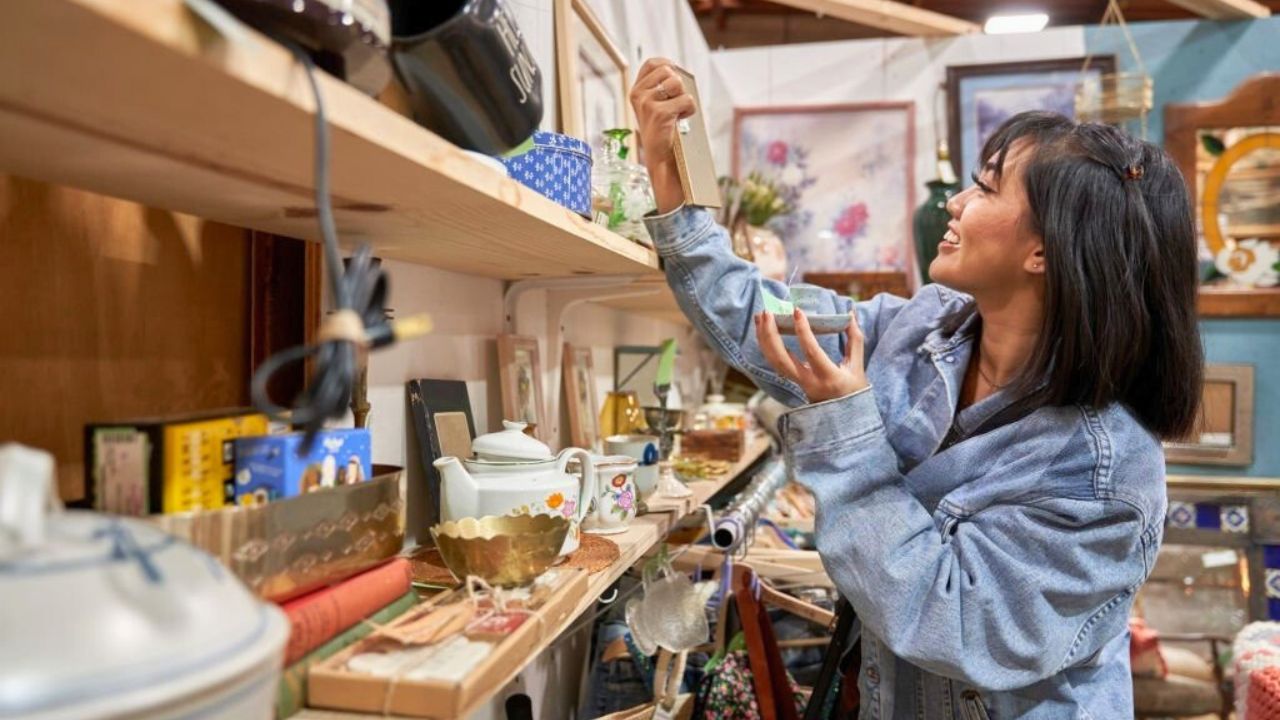
Small decor pieces are the classic clutter trap. A $3 figurine or novelty mug feels like a harmless souvenir of a fun outing, but a dozen of them can crowd shelves and make dusting a chore. Professional organizers suggest skipping most tiny trinkets in favor of objects that combine beauty with function, so they help you stay organized instead of adding visual noise. They often single out Ceramic Bowls as a standout category, noting that Nothing beats a beautiful bowl that can corral keys, fruit or mail while still looking intentional on a table or counter, advice that appears in the Dec list of go‑to organizing buys in Ceramic Bowls.
If you enjoy the hunt for decorative pieces, train your eye toward ceramics and glass that hold their value. Certain looks never stop selling, including Blue and white patterns, simple black and white designs, classic florals and clean mid‑century silhouettes, styles that fit into many homes and are easier to resell if your taste changes, as the Jan guide to spotting valuable pieces at the thrift store notes under the heading that begins “Certain looks never stop selling” in Jan. Mid‑century modern teak furniture and similar vintage materials are also flagged as worth far more than they look, with Mid‑century teak in particular described as both durable and charming in your space, according to the Nov overview of underpriced finds in Mid. Choosing pieces with this kind of staying power keeps your shelves curated instead of crowded.
9. Impulse “thrill” buys vs intentional treasures that hold value
The emotional rush of a good deal is part of what makes secondhand shopping so addictive. But perhaps the best thing about thrift shopping is the thrill of finding a fantastic piece for a fraction of the price you would pay new, a feeling that can make you excited and proud of your discovery, as described in the reflection that begins with the word But in But. The challenge is not letting that thrill push you into buying things you do not need or even particularly like. Reddit thrifters often stress that What you choose to bring home should be guided by a clear plan, with one commenter noting that they think a thrift store can be a great place to save money only if you have a list and resist random grabs, a point made in the Feb thread titled “What thrift store items do you often get?” in Feb.
One way to keep your standards high is to think like a future seller or host. Items that already fly off the shelves, such as vintage Caviar services that people now repurpose for stylish entertaining, or old wooden boxes that can keep countertops organized while doubling as decorative storage, tend to hold their value and function, as noted in Dec coverage of how Caviar services are having a moment in Dec and in Jan advice that For some, old wooden boxes are hidden gems that can be used in many different ways or embellished with mosaics in Jan. Home experts who warn that certain renovations can actually lower your home’s value in 2026, and outline seven project they recommend skipping, are essentially making the same argument as smart thrifters: focus on choices that add lasting function and appeal instead of chasing every trend, a mindset echoed in the guidance that We spoke to experts to find out which changes to avoid in home renos to skip. When you apply that same discipline to your cart, you walk out with fewer items, more joy and a home that feels collected rather than crowded.
Like Fix It Homestead’s content? Be sure to follow us.
Here’s more from us:
- I made Joanna Gaines’s Friendsgiving casserole and here is what I would keep
- Pump Shotguns That Jam the Moment You Actually Need Them
- The First 5 Things Guests Notice About Your Living Room at Christmas
- What Caliber Works Best for Groundhogs, Armadillos, and Other Digging Pests?
- Rifles worth keeping by the back door on any rural property
*This article was developed with AI-powered tools and has been carefully reviewed by our editors.