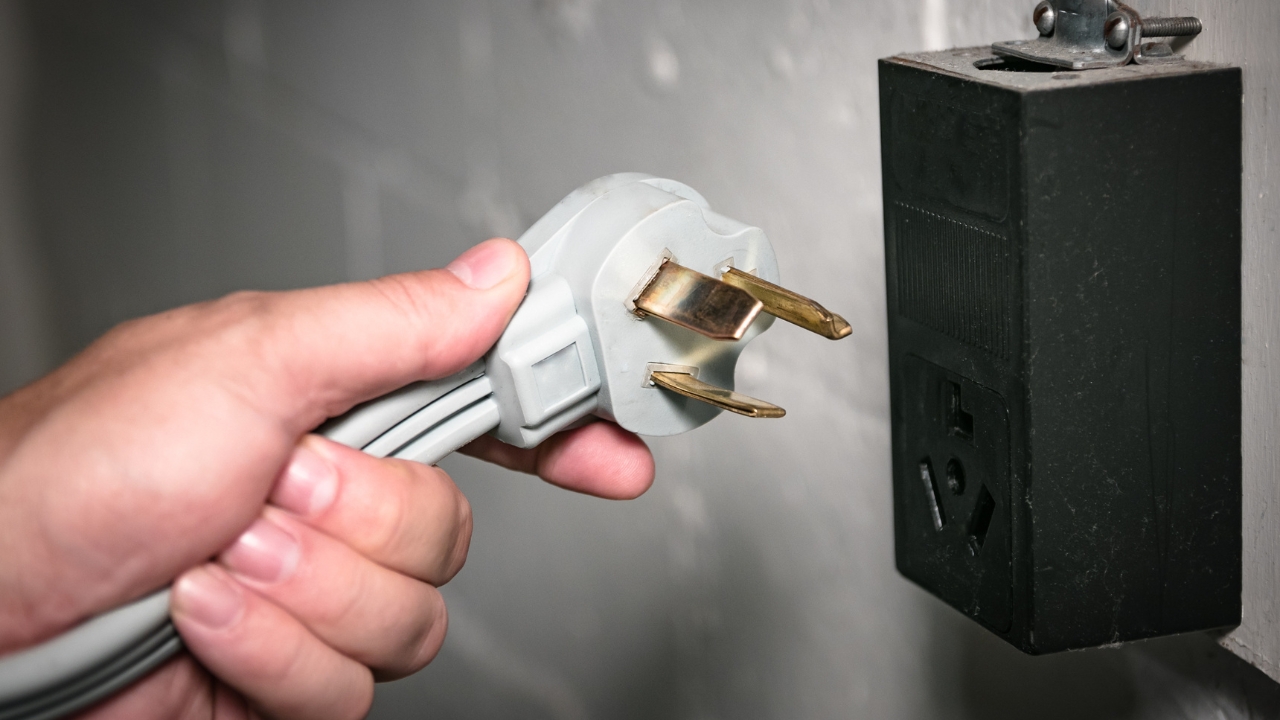
What to shut off first when the power goes out so you don’t fry anything
Photo credit: Benjamin Clapp/Shutterstock.com
When the lights cut out without warning, what you do in the next minute can decide whether your electronics survive the outage or end up scorched by the return of power. The risk is not just inconvenience, but the sudden voltage spikes that can quietly ruin circuit boards and compressors. With a clear shutdown order, you can move through your home quickly, switch off the right things first, and let the grid come back without frying anything expensive.
The goal is simple: strip your system down to essentials before electricity returns, then bring devices back online in a controlled way. That means knowing which switches to hit first, which plugs to pull, and which appliances to leave alone so food, medicine, and safety equipment stay protected while everything else rides out the blackout.
Why outages can fry your stuff in the first place
The real danger to your gear usually does not happen when the power goes off, it happens when it comes back. As lines are re-energized, the voltage can spike above normal levels, sending a short burst of extra energy through your wiring. After a power outage, these power restoration surges can travel through the home’s wiring and trigger a surge that hits every device still connected to the circuit at that moment, which is why the damage can feel so random and widespread.
Those spikes are especially hard on modern electronics that rely on delicate components. A sudden excess of power can damage sensitive circuit boards, shorten the life of appliances, and in extreme cases even start a fire without adequate protection, which is how a seemingly routine outage turns into a costly insurance claim. Power can surge when it is restored, possibly damaging sensitive electronics that were left on, so your first priority is to reduce how many devices are exposed when that surge arrives.
First move: kill the biggest power hogs
As soon as you realize the power is out and it is not just a tripped breaker, your first move should be to shut down the appliances that draw the most electricity. Central air conditioning, electric furnaces, electric water heaters, ovens, clothes dryers, and pool pumps all pull heavy loads, and if they try to restart at the exact moment the grid is stabilizing, they can strain both your wiring and the utility’s equipment. When the power goes out, it can mean that all your appliances and electronics simply power down, but the restart is where a big compressor or heating element can be hit hard by unstable voltage and put your home and belongings at risk.
Walk to your thermostat and switch your HVAC system fully off, not just to “auto,” then flip off any large appliances that were running. If you have a ductless system or window units, use their controls to power them down as well. For homes with solar plus battery or backup systems, Step 3 in many emergency procedures is to turn off all appliances and sensitive loads, including HVAC systems, so that no high-consumption device is drawing power while electricity runs through your circuits during shutdown or reconnection. Treat your grid outage the same way and get the big loads quiet first.
Next: unplug the sensitive electronics
Once the heavy hitters are off, your next priority is anything with a circuit board that would be expensive or painful to replace. That means televisions, desktop computers, laptops that are plugged in, gaming consoles, Wi‑Fi routers, smart speakers, and home office gear like printers or POS systems. These surges of electricity can fry electronics outright, so keeping devices unplugged and waiting to plug them back in until after the power comes on will help to protect them from the worst of the spike.
Do a quick lap through your main rooms and physically pull the plugs from the wall, not just switch devices off with remotes or power buttons. Guidance on outages and terminal care stresses why unplugging electronics during an outage is a smart move, specifically calling out TVs, routers, POS systems, and computers, and advising you to wait to plug them back in to allow the voltage to stabilize. If you use power strips, flip their switches off or unplug the entire strip so you are not hunting for individual cords in the dark.
Lights, small appliances, and what to leave on
With the big loads and sensitive electronics handled, turn to the rest of the house. During an outage, you should turn off most lights and appliances to help prevent circuit overloading when your power is restored, since a whole house snapping back on at once can trip breakers or stress older wiring. The same advice recommends you leave a light on so you will know when your power returns, which is both a safety cue and a reminder not to start flipping everything back on immediately.
Small appliances like toasters, coffee makers, hair dryers, and space heaters should be switched off or unplugged so they do not roar back to life unattended. Utilities and safety guides often suggest that just after the power goes out, you make it a priority to walk through your home and disconnect all appliances and electronics, because surges can happen instantly once power is restored and you may not be standing nearby when they do. Leaving a single lamp or hallway light on gives you a clear visual signal without adding much load.
Storms, brownouts, and when to hit the main breaker
Not every outage is a clean cut; storms and brownouts can cause the voltage to sag and spike repeatedly before the power finally fails. If the power goes out during a storm, you can unplug any devices you missed at this time, and you should also remember to leave one light on so you do not overwhelm your local electrical grid when everything comes back. In a brownout, where lights dim but do not fully go out, it is smart to proactively shut down computers and turn off nonessential devices before the situation worsens.
In some cases, especially if you see flickering, hear buzzing from your panel, or know that lines are damaged nearby, it can be safer to shut off power at the main breaker until utility crews confirm the system is stable. After a power outage, safety guidance is to avoid fallen power lines outside and to turn the main breaker back on once advised it is safe to do so, then wait for the power to stabilize before reconnecting everything else. If you are unsure, treat the grid as unstable and err on the side of switching off more, not less, until you have clear information.
Protecting HVAC and other big-ticket systems
Your heating and cooling system is one of the most expensive pieces of equipment in your home, and it is particularly vulnerable to erratic voltage. When the power goes out, it can seem like the system simply stops, but repeated short outages or rapid cycling can be hard on compressors and control boards, and that puts your home and belongings at risk if the unit fails during extreme heat or cold. To protect it, shut the system off at the thermostat as soon as the outage starts, and consider using the dedicated disconnect switch or breaker if the outage is storm related or likely to be extended.
Once power is back and stable, bring the system online carefully. Many HVAC reset procedures start by cutting power at the switch or breaker to ensure power has been fully cut off, then waiting for a complete energy discharge from the internal components before turning it back on. One step-by-step guide explicitly tells you to unplug the power supply or use the breaker so the unit can fully reset, which is the same principle you are applying during an outage: isolate the equipment from unstable power, then restore it only after the grid has settled.
What to do about fridges, freezers, and medicine
Refrigerators and freezers sit in a gray area: they are both high-draw appliances and critical for food safety. In most short outages, you are better off keeping them closed and plugged in, since the insulation will hold the cold for several hours if you do not open the doors. Some power outages may be short term whether or not you are sure of how long the power outage will last, and guidance on protecting medicine emphasizes that it is in your best interest to keep the refrigerator doors closed at the immediate start of the outage to preserve temperature.
Medication that must stay cold, such as vaccines or certain biologics, deserves special attention. Advice on how to keep medicine cold during a power outage stresses planning ahead with insulated containers and temperature monitoring so you are not forced into risky improvisation. If you know the outage will be long or the grid is unstable, you can turn the fridge and freezer controls to a colder setting before power cuts, then leave them closed, and only consider unplugging them if you have clear information that surges are likely and you have a backup plan for critical medicine.
Planning your “walk-through” before the lights go out
The easiest time to decide what to shut off first is long before you are fumbling for a flashlight. Energy and safety checklists often start with a simple habit: walk through your home, turning all your light switches to the off position and unplugging any appliances and electronics to protect them from surges. That same walk-through logic applies to outage prep, where you identify which outlets feed your most sensitive gear and which breakers control your biggest loads so you can move quickly when something goes wrong.
You can borrow from travel energy routines to build your own outage script. Before leaving for a trip, you are often advised to walk through your home one final time to ensure you do not forget anything and to double-check and unplug any electronics or appliances that will not need power while away, which is essentially a dry run for outage protection. Another method is to check if you can feel heat coming from an appliance that you are not using, such as a charger when it is plugged in but not connected to a device, and switch these off at the wall when you are not home and especially when you go on holiday; the same devices are prime candidates to unplug early in an outage.
Bringing everything back online, without frying anything
Once the power returns, resist the urge to flip everything back on at once. Instead of turning everything on at the same time, stagger the use of high-draw appliances so you do not create a sudden spike in your own home that stacks on top of the grid’s recovery. One practical example is to run your coffee maker and toaster for breakfast, then unplug them when you are done, and only later start the dishwasher or laundry so your circuits are never pushed to their limits right after an outage.
Utilities and safety guides recommend a deliberate reconnection sequence. During an outage, you turned off most lights and appliances to prevent overloading, and now you can reverse that in stages, leaving a light on so you know the power has returned and then gradually restoring other devices. After a power outage, you are advised to give the system time to stabilize before reconnecting everything else, and to plug sensitive electronics back in only after the voltage has had time to settle. That way, the first wave of any lingering surges hits empty outlets, not your most expensive equipment.
How surge protection and habits work together
Even with good habits, you should assume that some surges will slip through, which is where hardware protection comes in. Whole-house surge protectors and quality point-of-use strips can absorb a portion of the excess energy before it reaches your devices, reducing the chance that a single spike will take out a television or router. Guidance on how power surges affect electronics notes that a sudden excess of power damages sensitive circuit components and can, in the worst cases, start a fire without adequate protection, which is why relying on luck or cheap, uncertified strips is a poor strategy.
At the same time, no surge protector is perfect, and it cannot help if a device is still drawing power during a severe event. That is why outage checklists still tell you to turn off any appliances, equipment, or electronics you were using and to unplug sensitive electronics that can be damaged by a strong surge of power, even if you have protective gear installed. Some utilities also publish simple “4 ways to protect your appliances during an outage,” which include using surge protection, unplugging devices that were in use when the power went out, and avoiding turning everything back on at once. Combine that hardware with a practiced shutdown order, and you dramatically cut the odds that the next blackout ends with a fried circuit board.
Like Fix It Homestead’s content? Be sure to follow us.
Here’s more from us:
- I made Joanna Gaines’s Friendsgiving casserole and here is what I would keep
- Pump Shotguns That Jam the Moment You Actually Need Them
- The First 5 Things Guests Notice About Your Living Room at Christmas
- What Caliber Works Best for Groundhogs, Armadillos, and Other Digging Pests?
- Rifles worth keeping by the back door on any rural property
*This article was developed with AI-powered tools and has been carefully reviewed by our editors.