The space heater placement that looks normal but gets houses in trouble every winter
Photo credit: Pixel Shot/Shutterstock.com
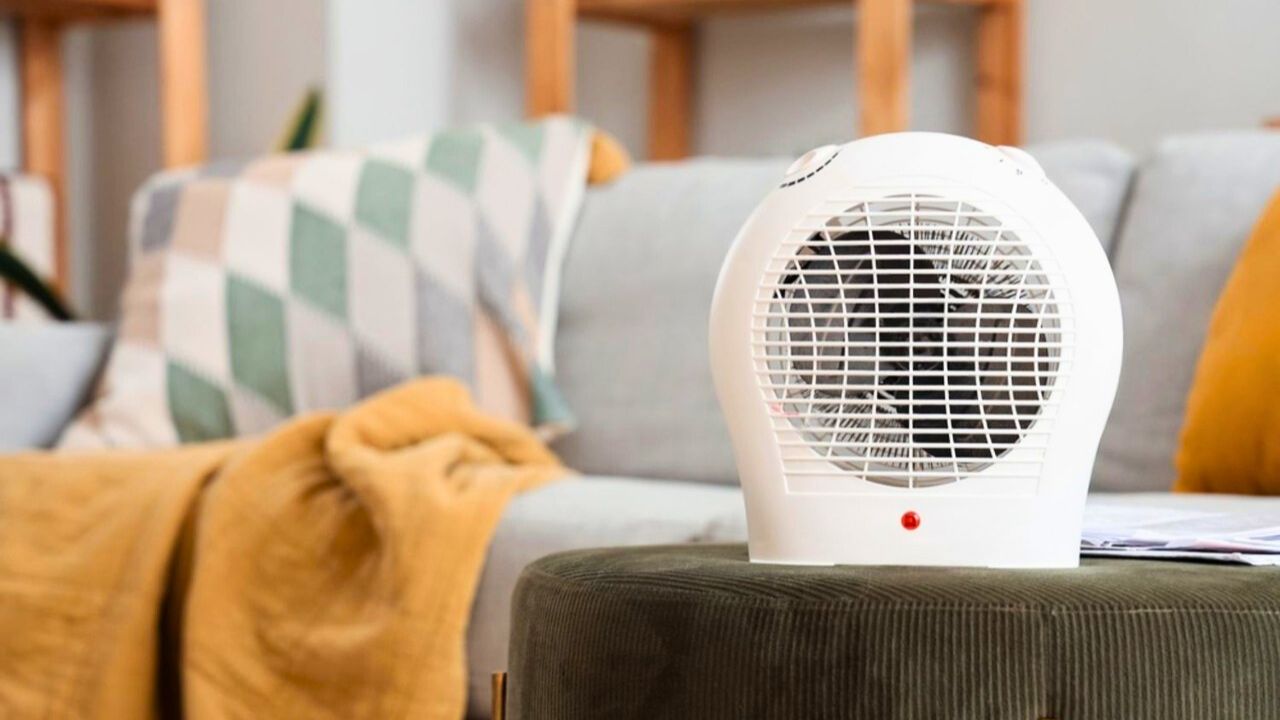
Every winter, the same quiet mistake plays out in living rooms and bedrooms across the country: a space heater tucked beside a sofa, under a desk, or at the foot of a bed. It looks tidy, efficient and perfectly normal, right up until a blanket droops, a cord overheats or a rug smolders. If you rely on portable heat to get through cold snaps, the way you position that unit matters as much as the model you buy.
The placement that feels most convenient is often the one that puts your home at the greatest risk, especially during the coldest months when heaters run for hours at a time. By rethinking where you set a space heater, what surrounds it and how you power it, you can keep the extra warmth without inviting the kind of fire that turns a minor comfort into a major loss.
The deceptively “normal” spot that causes the most trouble
The placement that gets so many households in trouble is the one that tucks a heater into the tightest corner of the room, right next to the things you actually want to keep warm. You slide it beside the couch so your legs feel the heat, park it under a desk to thaw your feet, or aim it at the bed so the room heats faster. That instinct to nestle the unit close to fabric and furniture is exactly what turns a helpful appliance into a hazard, especially when you forget it is there and walk away.
Fire investigators repeatedly point to heating equipment as a leading cause of home fires, and the pattern is brutally consistent in the coldest stretch of the year. Nearly half of all home heating fires happen in December, January and February, a spike that tracks directly with how often people run portable units in bedrooms and living rooms and then leave them unattended or fall asleep with them still on, according to guidance that notes Nearly half of these incidents cluster in those months.
Why carpets, rugs and “soft landings” are a hidden ignition source
One of the most common ways you unintentionally set up a dangerous situation is by placing a heater on a plush surface that looks harmless. A thick rug, wall-to-wall carpet or even a shaggy bath mat can trap heat around the base of the unit, especially if the heater draws air from below or vents downward. As the appliance runs, the fibers under it dry out and overheat, and what started as a cozy spot for your feet becomes a slow, invisible prelude to ignition.
Safety specialists warn that putting a space heater on a carpet, rug or other flammable surface is a direct path to a fire, because the material can scorch or catch if the unit tips or the base gets hot enough, a risk highlighted in advice that lists a heater sitting on a rug or similar surface as one of the key ways Space heaters cause home fires. Other experts go further, explaining that Choosing the Wrong Surface by putting a heater on a desk, furniture or thick carpet creates instability and can concentrate enough heat in the fibers or padding to ignite, which is why you are told to place it on a stable, nonflammable floor instead.
Furniture, curtains and the three‑foot clearance rule
Even when you set a heater on a solid floor, the next mistake is crowding it with the very items that make a room feel comfortable. Sofas, armchairs, ottomans and heavy drapes all seem like logical targets for extra warmth, so you angle the heater toward them and slide it closer until you feel the difference. The problem is that many portable units radiate intense heat directly onto nearby objects, and fabric that to you looks sturdy and safe can behave like tinder once it dries and bakes in that stream of hot air.
Guidance on Radiant Heaters explains that these models warm nearby objects rather than the air, which means flammable materials can ignite if they sit too close, a dynamic that has already translated into injuries and hundreds of thousands of dollars in property loss. Fire safety officials and utilities now repeat a simple rule: keep at least three feet of space between any heater and combustibles like blankets, pillows or curtains, a buffer echoed in warnings that heaters should never sit near blankets and sheets in a bedroom, because those everyday items are more flammable than many adults realize.
The “under the desk” and “next to the bed” traps
Two of the most tempting spots for a portable heater are also among the most treacherous: under a work desk and beside the bed. Under the desk, you get a direct blast of warmth on your legs, but you also surround the heater with paper, power strips and dangling cords, then push your chair in and out all day. Next to the bed, you aim the unit at the mattress or pile of blankets, then drift off to sleep while the heater keeps running, often with pets or children moving around it in the dark.
Safety campaigns stress that heating equipment is the leading cause of home fires in colder months and urge you to Carefully consider space heater placement, especially in bedrooms and home offices where clutter and soft furnishings pile up. Regulators also point out that Furthermore, there is a wide range of household items that adults might not recognize as flammable, which is why a heater tucked in a bedroom corner near blankets and sheets can be far more dangerous than it appears at a glance.
Why “just for tonight” is a costly gamble
Many people only drag out a space heater when the main system is struggling, telling themselves it is a one night fix until the furnace can be serviced. That mindset encourages shortcuts: you put the heater closer to the couch than you should, plug it into a crowded outlet and leave it running longer than is safe because you assume the risk is temporary. In reality, the first night you use a portable heater is often the riskiest, because you have not yet noticed how close it sits to drapes, bedding or a stack of magazines.
Heating contractors warn that relying on a portable unit instead of repairing a failing furnace introduces Fire hazards, because Homeowners often place space heaters too close to combustible objects when they are trying to compensate for a cold house. Other experts note that They Start a Lot of Fires and that Space heaters are much more dangerous than many people assume, because a small blaze can spread through a room before anyone realizes what is happening, especially overnight.
Surface, stability and the “on the floor, not the furniture” rule
Even if you keep a heater away from fabric, the surface you set it on can quietly undermine every other safety step you take. Perching a unit on a dresser, side table or stack of books might seem like a clever way to get the heat up to sofa level, but it also makes the heater easier to knock over and more likely to fall, crack or expose hot elements. A wobbly surface can also block vents or tilt the heater so it directs heat straight into a wall or curtain.
Fire departments and safety officers are blunt on this point: Use space heaters on the floor and Never place them on furniture, because a fall can dislodge or break parts in the heater and create a fire or shock hazard. Consumer guides echo that warning, explaining that Placing a heater on a desk, furniture or thick carpet not only risks tipping but can also trap heat against surfaces and padding that are not designed to withstand that level of sustained warmth.
Power, cords and the myth of “any outlet will do”
Placement is not just about where the heater sits, it is also about how you get power to that spot. When the nearest wall outlet is across the room, it is tempting to grab an extension cord or power strip and treat the heater like any other plug in device. That choice can turn a safe location into a dangerous one, because the cord under a rug or behind a couch overheats, or the power strip is not rated for the load and fails under the strain.
Electric utilities and safety advocates are explicit that you should plug a heater directly into a wall outlet and never into an extension cord or power strip, because overloaded cords are a fire hazard, a point underscored in a campaign that urges you to Use a timer or smart plug for convenience but keep the heater on a dedicated receptacle. HVAC specialists add that in offices and shared spaces, space heaters already cause a lot of problems, from tripped breakers to fires, and that Electrical cords can also be tripping hazards when they snake across walkways to reach a heater that was placed too far from a proper outlet.
Better ways to position heat so your system works with you
Once you understand how much damage a poorly placed heater can do, the alternative is not to shiver through winter but to make your main system and any supplemental heat work together. That starts with where you put furniture in relation to permanent heaters and vents. If a sofa or bed blocks a baseboard unit or supply register, the room will feel colder, which tempts you to drag in a portable heater and park it right against the blockage, compounding the problem.
Home performance experts note that However the expert notes that it is common for furniture like sofas, chairs or tables to be placed near or even directly in front of radiators and vents, which forces the heating system to work harder and is a heating mistake best avoided. If you are considering upgrades, it also helps to understand how built in options behave: Another thing homeowners must look out for is the location of a baseboard heater, because the unit’s position limits furniture placement and there are specific guidelines to follow so you do not crowd it with drapes or couches.
When a space heater makes sense, and how to treat it like open flame
There are times when a portable heater is the right tool, especially in a drafty room or a home office that runs cold. The key is to treat it with the same respect you would give a candle or gas stove, not as a harmless appliance you can forget in the corner. That means choosing a stable, nonflammable surface, keeping a clear radius around the unit, and turning it off every time you leave the room or go to bed, even if you think you will be right back.
Professional checklists on Positioning Your Space Heater for Maximum Safety emphasize that you should Always keep your space heater on a level, hard surface and away from high traffic areas, and they pair that with reminders about Properly managing power sources and electrical safety. Other guides on Mar explain that you should treat a space heater the way you would treat a candle, never leaving it unattended and keeping children and pets at a safe distance. If you find yourself relying on a portable unit every day, it may be time to look at longer term solutions like improving insulation, adjusting furniture around vents, or even investing in systems such as Heating options that use radiant floors under hardwood, carpets or stone to deliver steady warmth without the concentrated hot spots that make portable heaters so risky.
Habits that keep a “normal” setup from turning into the next statistic
Ultimately, the difference between a space heater that quietly does its job and one that starts a fire often comes down to small habits you repeat every day. You choose a spot on bare flooring, check the three foot clearance around the unit, and resist the urge to aim it directly at the bed or couch. You also pay attention to who can reach it, because teenagers, guests and co workers may not understand the risks and might move the heater closer to themselves without thinking.
Home advice columns warn that even with the best equipment, you can still make Jan mistakes if you let children who are aged 16 or over operate heaters unsupervised or if you treat the unit as background furniture instead of active equipment. Practical guides on How to Use a Space Heater Safely remind you that Using a space heater safely depends on you as a vigilant operator, from reading the manual to cleaning dust off the unit before use, so that a setup that looks normal at first glance does not quietly become the next winter headline.
Supporting sources: Los Angeles Fire Department Historical Archive.
Like Fix It Homestead’s content? Be sure to follow us.
Here’s more from us:
- I made Joanna Gaines’s Friendsgiving casserole and here is what I would keep
- Pump Shotguns That Jam the Moment You Actually Need Them
- The First 5 Things Guests Notice About Your Living Room at Christmas
- What Caliber Works Best for Groundhogs, Armadillos, and Other Digging Pests?
- Rifles worth keeping by the back door on any rural property
*This article was developed with AI-powered tools and has been carefully reviewed by our editors.