Why insurers are asking for more proof in 2026, and what homeowners should keep
Photo credit: Lopolo/Shutterstock.com
Home insurers are tightening their standards in 2026, and you are being asked to prove more about your house, your belongings, and even your renovation plans before coverage is offered or renewed. Instead of treating insurance as a background bill, you now have to think like a risk manager, with documents, photos, and inventories ready to back up every major detail. If you prepare that evidence before a storm, fire, or claim, you can turn a tougher market into a fairer outcome for your household.
Why insurers suddenly care so much about proof
Insurers are not asking for more paperwork just to be difficult, they are reacting to a market where property losses are larger, more frequent, and harder to predict. In many regions, carriers are getting more selective about which homes they will cover at all, tightening guidelines for both new policies and renewals so that insurability is no longer about comfort, it is about whether your property fits their risk appetite. One agency that works with Homeowners in Waco and across Texas has warned that Insurance Carriers Are Getting More Selective, and that shift is playing out in higher documentation demands.
At the same time, property coverage is now a central part of the broader housing affordability story, not a side note. One analysis of a HOUSING AFFORDABILITY CRISIS HAMMERING RURAL AMERICA reported that insurance already accounts for 9% of the typical U.S. mortgage payment, and that share could rise as homeowners insurance costs spike over the next two years, a trend carriers are trying to get ahead of by scrutinizing risk more closely. When insurance is playing a much bigger role in housing outcomes than it did even a few years ago, as industry voices like Madick have stressed, companies feel pressure to use every tool they have, from inspections to questionnaires, to predict future claims and loss severity with more precision.
The 2026 home insurance market you are walking into
As you shop or renew in 2026, you are entering a market that is still stressed, even if some Property and Casualty rates are easing at the margins. Industry executives have cautioned that lower prices in a few segments do not signal a full market turn, pointing to ongoing segmentation within casualty lines and the need for detailed reports that help underwriters distinguish between risks. One leader, Foa, has described how it is an investment to put those reports together, but that they are valuable in showing why one property deserves different treatment from another, which is exactly why you are being asked for more granular proof.
Personal insurance specialists are also seeing a shift toward non-admitted and excess and surplus options that used to be viewed as à la carte, but now come with higher minimum home values and stricter conditions. Some of these programs require more documentation of repairs or replacements, making accurate records of work on your house essential if you want access to coverage that might be the only option in a high risk area. Broader 2026 Trends & Insights in Personal Insurance highlight how carriers are layering in more conditions and endorsements, which means your ability to show what you own and how you maintain it can directly influence which products you qualify for and at what price.
How technology is changing inspections and questions
Behind the scenes, insurers are leaning heavily on technology to decide which homes to cover and how much to charge, and that shift is reshaping the questions you face. To manage risk more effectively, carriers are accelerating their use of advanced inspection technologies, including aerial imagery, property data analytics, and digital tools that let them evaluate conditions rather than relying on broad assumptions about a neighborhood or ZIP code. When a company can see your roof from a satellite image and cross check it with your answers, it will naturally ask you to verify details about age, materials, and prior damage so it can reconcile your statements with what its systems detect.
Those same tools are being used to segment customers more finely, which is why you might see one neighbor approved quickly while another is asked for extra photos, receipts, or inspection reports. Industry forecasts for 2026 home insurance predictions describe how carriers are using these technologies to focus on specific property conditions rather than generic risk scores, and that means your documentation becomes the tie breaker when automated data is incomplete or ambiguous. If you can back up your answers with clear proof, you are more likely to benefit from favorable assumptions instead of being lumped into a higher risk bucket.
Renovations, upgrades, and why they trigger tougher questions
Renovations used to be treated as a simple upgrade that might add a bit of value to your home, but insurers are no longer treating your kitchen remodel or bathroom overhaul as a minor detail. When you tell a carrier that you have installed new cabinets, flooring, or high end appliances, it now wants to know the scope, cost, and quality of that work, because those factors change both the replacement cost and the potential for future claims. Reporting on the new reason Insurers are asking more questions about renovations has tied this pressure to lenders and investors who want more accurate data, which filters down into the forms you are asked to complete and the proof you are expected to keep.
For you, that means every project, from a new roof to a finished basement, should come with a paper trail that you can produce on demand. Detailed invoices from licensed contractors, permits from your local building department, and before and after photos can all help you show that the work was done properly and that the value you are insuring is real. If you are in a market like Waco and Texas more broadly, where Home Insurance Changes Every Homeowner Needs to Know include stricter underwriting and higher scrutiny of property condition, being able to document your renovations can be the difference between a smooth renewal and a nonrenewal notice.
The core documents you should have before you shop
Before you even request a quote, you should assemble a basic file of documents that nearly every insurer will ask for in 2026. At a minimum, you will need personal information such as full names, dates of birth, and contact details for all applicants, along with the property address and details about the structure, prior claims, and any existing coverage. Guidance on What documents you need to get homeowners coverage in states like Massachusetts emphasizes that having this information ready, along with clarity on your desired limits, deductible amounts, and liability coverage, can speed up the process and help you compare offers on equal terms.
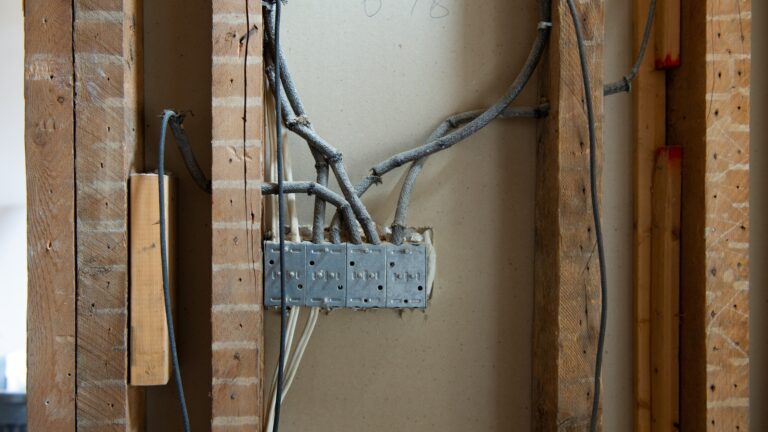
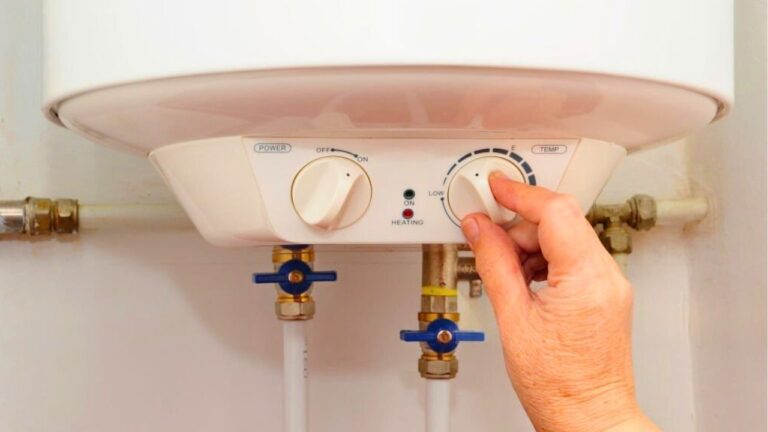
Carriers also expect you to provide information about the home itself, including the year it was built, square footage, construction type, and any safety features like smoke alarms or security systems. When you request an insurance quote, you may be asked for the dates of any major updates to the roof, plumbing, electrical, or heating systems, as well as details about any detached structures or special features such as pools. Resources that explain the information needed for an insurance quote note that this property data helps underwriters estimate replacement cost and risk, so keeping prior inspection reports, appraisals, and closing documents in one place can save you from scrambling when an agent starts asking detailed questions.
Home inventories: the single most valuable proof you can keep
If there is one piece of evidence that can dramatically improve your claim experience, it is a thorough home inventory that lists your personal belongings. A home inventory is essentially a record of what you own, and it can help you assess the value of your possessions, choose appropriate coverage limits, and later prove what was lost or damaged in a fire, theft, or storm. Consumer guides on how to buy homeowners insurance recommend that you make a record of your belongings, including photos or videos, so that when you compare policies you are looking at the same coverages and limits that reflect your actual exposure.
State regulators also encourage you to keep this list up to date, not just create it once and forget it. One home insurance guide advises you to Update your list regularly, including the date you bought each item, its value, and its serial number, and suggests using a smartphone or camera to help make your list. If you store that inventory in the cloud or in a fireproof box, along with receipts for big ticket items like televisions, laptops, and jewelry, you will be in a much stronger position to document your loss and avoid disputes over what you owned and what it was worth.
Proof of maintenance, repairs, and risk reduction
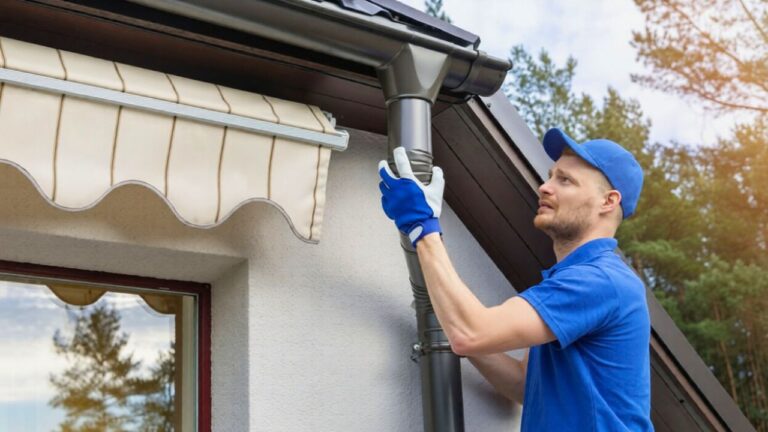
In a market where some carriers require higher minimum home values and more evidence of upkeep, proof of maintenance has become almost as important as proof of ownership. If you can show that you have serviced your HVAC system regularly, cleaned your gutters, trimmed trees away from the roof, and addressed minor leaks before they became major water damage, you are effectively presenting yourself as a lower risk customer. Industry analyses of 2026 Trends & Insights in Personal Insurance point out that some programs now require documentation of repairs or replacements as a condition of coverage, which makes it smart to keep invoices, work orders, and contractor warranties organized and accessible.
Risk reduction measures can also work in your favor, but only if you can prove them. If you have installed impact resistant windows, a reinforced garage door, or a monitored alarm system, keep the purchase receipts, installation certificates, and any inspection reports that confirm the upgrades. In states like Florida, where homeowners are being urged to stay ahead of policy changes, advisors stress that the more you know about your own coverage and what can affect it, the easier it is to stay protected, and that even simple changes like getting a new roof or adding a security system should be reported so they can help you if a claim is necessary.
Staying ahead of midterm changes and renewal surprises
One of the most frustrating experiences for homeowners is discovering at renewal that coverage terms have shifted or that a carrier is exiting your area, and 2026 is likely to bring more of those surprises. In places like Florida, where the property market has been under intense strain, local agencies are already outlining Tips for Staying Ahead of Policy Changes, urging you to review your declarations page regularly, ask questions about endorsements, and understand what events are covered or excluded. The more you know about your own coverage and what can affect it, the easier it is to adjust your documentation habits so you are not caught off guard when a company asks for new proof.
Nationally, forecasts for 2026 home insurance predictions describe a turning point for premium trends, but they also emphasize that Insurance is playing a much bigger role in housing outcomes than it did even a few years ago. Madick has warned that when premiums rise faster than incomes, or when coverage becomes harder to secure, it can influence where people can afford to live and whether they can qualify for a mortgage at all. In that environment, keeping your records current, from renovation receipts to inspection reports, is not just about filing a smoother claim, it is about preserving your options if you need to shop for a new carrier or prove to a lender that your home is adequately insured.
How to organize your evidence so it actually helps you
Collecting proof is only half the battle, you also need a system that lets you find what you need quickly when an agent, adjuster, or lender asks for it. A practical approach is to create a digital folder structure that mirrors the way insurers think about your risk, with separate folders for core policy documents, home inventories, renovations, maintenance, and risk reduction measures like alarms or shutters. You can scan paper receipts, contractor agreements, and inspection reports, then back them up to a cloud service so they are safe even if your home is damaged, while keeping originals for high value items in a fire resistant box.
It is also wise to align your record keeping with the way insurers evaluate you at the quote stage, so you are not starting from scratch each time you shop. When you request new coverage, you will be asked for consistent information about your property and prior claims, and tools that explain how to buy homeowners insurance suggest that you compare quotes using the same coverages and limits so you can see real differences in price and service. If you maintain a simple summary document that lists your current limits, deductibles, liability coverage, and key property details, you can share it with agents, update it after any major change, and use it alongside your deeper evidence file to navigate a market where HOUSING AFFORDABILITY CRISIS HAMMERING RURAL AMERICA level pressures are pushing insurers to ask more questions and you to answer them with proof.
Supporting sources: 2026 Home Insurance Changes Every Homeowner Needs to …, 2026 Home Insurance Changes Every Homeowner Needs to Know, The new reason insurers are asking more questions about …, 2026 Trends & Insights in Personal Insurance, 2026 Home Insurance Trends & Predictions | Matic, Home insurance guide – Texas Department of Insurance, What Documents Do You Need To Get Homeowners …, Information Needed for an Insurance Quote | Allstate, How to Buy Home Insurance (2026) – Insurify, What Homeowners Insurance in FL May Look Like in 2026, Why easing P&C rates don’t signal a full market turn, 2026 Home Insurance Predictions: A Turning Point for Premium …, Homeowners insurance costs could spike over next 2 years.
Like Fix It Homestead’s content? Be sure to follow us.
Here’s more from us:
- I made Joanna Gaines’s Friendsgiving casserole and here is what I would keep
- Pump Shotguns That Jam the Moment You Actually Need Them
- The First 5 Things Guests Notice About Your Living Room at Christmas
- What Caliber Works Best for Groundhogs, Armadillos, and Other Digging Pests?
- Rifles worth keeping by the back door on any rural property
*This article was developed with AI-powered tools and has been carefully reviewed by our editors.