The vintage kitchen tool you should grab if it’s under $5 (it saves real time)
Photo credit: Alvarez/istock.com
The fastest way to feel slower in the kitchen is to rely on the wrong tools. When you are chopping, stirring, and cleaning all at once, the difference between a smooth workflow and a chaotic one often comes down to a single, well‑chosen gadget. If you spot the right vintage tool for under five dollars, you can cut minutes from prep and cleanup every time you cook.
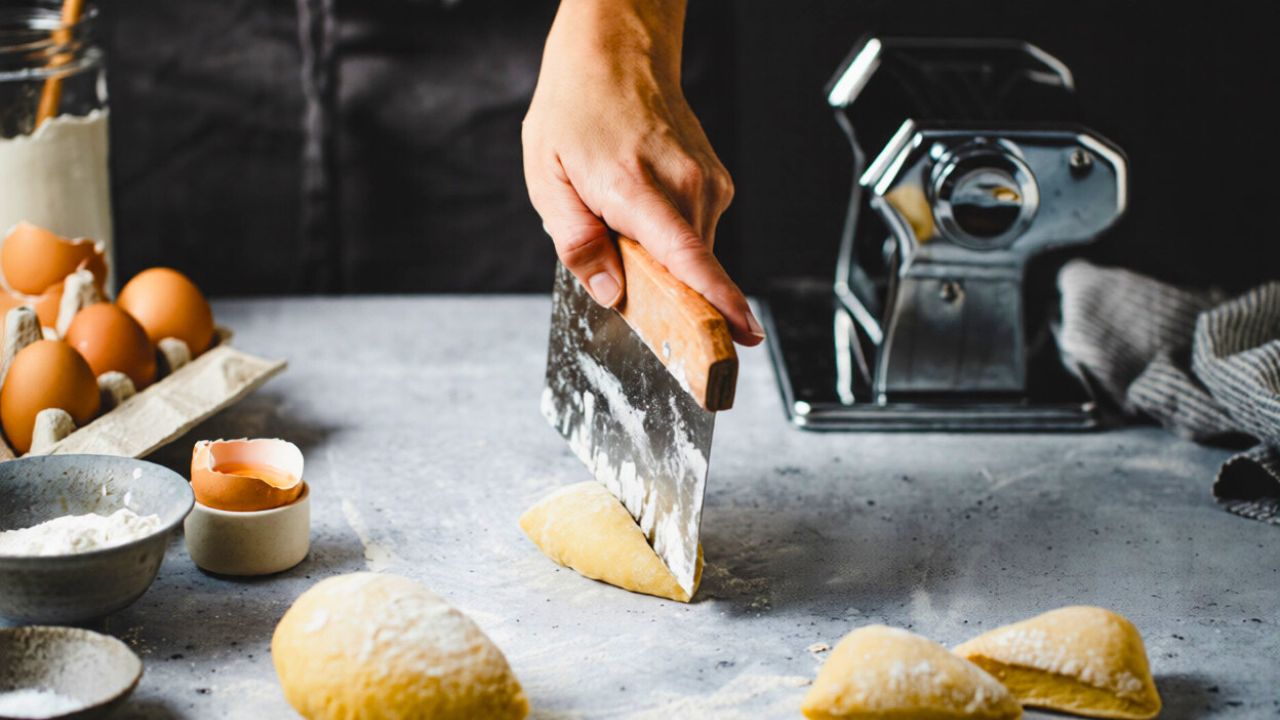
That tool is a simple metal dough scraper, sometimes called a bench scraper, the flat rectangle of steel with a handle that bakers used long before today’s battery‑powered gadgets. You might see it tossed in a box of old utensils at a yard sale or thrift store and overlook it, but if the price tag is under $5, you should grab it and put it to work.
Why a humble dough scraper beats flashier gadgets
In most home kitchens, drawers are crowded with peelers, slicers, and novelty tools that rarely see daylight, while the real work gets done with a handful of basics. A dough scraper belongs in that core group because it does several jobs quickly, from cutting dough to scooping vegetables, without taking up more space than a small paperback. One longtime home cook, Jan, has pointed out that many culinary gadgets end up unused and buried in a far‑left drawer, while a compact scraper earns its keep precisely because it takes up virtually no storage space and still handles daily tasks with ease, a contrast that highlights how much value you get from such a small footprint when you choose tools carefully and avoid clutter from single‑use devices that never leave the cupboard in practice, even if they seemed clever at the store, a pattern that a simple scraper quietly breaks by being useful every time you cook, as described in a reflection on how many gadgets go unused.
Because the scraper is just a flat piece of metal with a straight edge, it moves quickly between roles without slowing you down. You can portion dough, clear sticky bits from the counter, and transfer chopped food in seconds instead of swapping between knives, spatulas, and paper towels. That versatility is what makes it worth grabbing when you see a vintage version for a few dollars, especially compared with trendier tools that promise a single shortcut but do not actually change how fast you get dinner on the table.
The vintage bench scraper, explained
A classic bench scraper is usually a rectangle of stainless steel, roughly the width of your hand, with a straight cutting edge and either a rolled metal top or a simple handle. Older versions you find in antique shops or flea markets tend to be heavier than many modern budget models, which helps the blade glide under dough and across the counter without flexing. That extra weight, combined with a clean, straight edge, lets you cut through soft dough, portion pastry, or nudge a pile of chopped onions into a pan in one smooth motion instead of fussing with a knife tip or your hands.
Vintage scrapers also tend to be refreshingly low tech, which is part of their appeal. There are no moving parts to jam, no batteries to replace, and no coatings to peel off into your food. When you pick up an older piece that has survived decades of use, you are getting a tool that has already proved it can handle daily work, much like other enduring kitchen items such as an Imported Olive Oil Embossed Ceramic Italian Decanter with a Cork from Sur la Table labeled “Olio,” which collectors prize because it still functions beautifully at the stove. A solid metal scraper sits in that same category of durable, quietly efficient tools that were built for work, not for show.
How it actually saves you time on busy nights
The real test of any tool is whether it speeds you up when you are tired, hungry, and trying to get food on the table. A dough scraper does that in three ways: it shortens prep, streamlines cleanup, and reduces the number of tools you need to wash. Instead of carefully balancing chopped vegetables on a knife blade, you can scoop them in one pass with the scraper and move them straight to the pan, which is exactly how one experienced cook describes using a flat scraper to ferry mounds of chopped vegetables from a cutting board to a pot in a single trip, a technique that turns a simple rectangle of steel into a quiet time saver every time you cook, as illustrated in a guide to stocking stuffers that praises using a scraper to scoop everything up in one trip.
Cleanup is where the scraper really earns its keep. Sticky dough that would normally cling to your counter or cutting board can be lifted in seconds with a firm push of the blade, instead of being smeared around with a sponge. Jan has described how a dough scraper is essential for removing crusty bits of dough that seem to bond to the work surface, a job that would otherwise take several minutes of scrubbing, and how that same tool then slides under chopped vegetables to move them to the pan, a routine that keeps the counter clear and the trash can from filling with wasted scraps, as he explains when he talks about using a scraper for both cleaning and scooping while joking about avoiding “Trash and annoying my wife,” a vivid example of how a single tool can simplify your workflow, as seen in his account of how a dough scraper is essential.
Why under $5 is the magic price point
When you are browsing a flea market table or a thrift store bin, price is often the only information you have before you decide whether to take a chance on a tool. For a dough scraper, anything under five dollars is a low‑risk, high‑reward bet. At that price, you are paying less than the cost of a takeout side dish for a piece of equipment that can speed up every meal you cook at home. Because the design is so simple, there is very little that can go wrong with a vintage version, especially if the metal is not bent and the edge is still straight.
That sub‑$5 threshold also matters because it keeps the scraper in the same budget category as other small helpers that punch above their weight. Shoppers who look for clever tools that start around five dollars are often trying to solve specific problems, like keeping brown sugar from hardening, which is why a terracotta tile called the Brown Sugar Bear Sugar Saver has become a popular add‑on for baking drawers. A vintage bench scraper fits neatly into that same mental category: a small, inexpensive object that quietly fixes a daily annoyance, in this case the slow, messy process of moving and cleaning up food on your work surface.
What to look for in a secondhand scraper
When you spot a metal scraper in a box of old utensils, a quick inspection can tell you whether it is worth your five dollars. Start with the blade: it should be straight, without deep nicks or rust that reaches the edge. Surface discoloration can usually be scrubbed away, but pitting along the working edge will make it harder to cleanly scrape dough or lift chopped food. Hold it by the handle and flex it gently; a little give is fine, but if it bends easily, it may not stand up to firm pressure on a crowded cutting board.
Handle design also matters for comfort and control. Some vintage models have a rolled metal top, while others use a riveted wooden or plastic grip. Choose one that feels secure in your hand and does not dig into your palm when you press down. If you cook a lot of bread or pastry, you may prefer a heavier, more rigid blade like the ones sold in a 2‑PCS set food grade stainless steel bench scraper, which is described as Ideal for cutting dough and pastry with precision and Great for everyday baking tasks such as pizza, spaghetti noodles, and biscuits. That kind of sturdiness is exactly what you want to find in an older piece, because it means the tool will stay reliable even after years of use.
How pros and serious home bakers use it
Professional kitchens rely on speed and consistency, and a bench scraper is one of the quiet tools that makes both possible. Line cooks use it to divide dough into equal portions, clean the station between orders, and move ingredients without dulling their knives. The same habits translate directly to your home kitchen: you can use the flat edge to square off brownie batter in a pan, smooth frosting, or scrape every last bit of chopped herbs into a bowl instead of leaving them stuck to the board.
Specialized versions, such as a flexible bowl scraper, show how far this simple idea can go. A model like the JB Prince 4.75×3.5 bowl scraper is described as Ideal for chefs needing precise scraping tools to achieve clean bowl finishes and efficient food preparation, which is exactly what you are doing when you coax the last streaks of batter from a mixing bowl or smooth ganache along the side of a cake. Even if your vintage find is a stiffer, flat bench scraper rather than a curved bowl version, you can borrow the same professional mindset: use it to keep your work area clean, your portions even, and your movements efficient.
Where vintage tools are quietly making a comeback
The renewed interest in bench scrapers is part of a broader shift back toward vintage kitchen tools that work without cords or screens. Collectors and home cooks alike are seeking out pieces that combine function with character, from heavy cast‑iron pans to decorative storage. An example is the Imported Olive Oil Embossed Ceramic Italian Decanter with its Cork and “Olio” embossing from Sur la Table, which people buy not just as a collectible but as a practical way to pour and store oil for everyday food creations. A sturdy metal scraper fits the same trend: it looks at home next to older cookware and earns its place by working hard.
Online, you can see this nostalgia in roundups of older gadgets that people miss. One such list points out how kitchens in the 1950s relied on compact, mechanical solutions instead of the big stainless steel exhaust hoods that are common nowadays, noting in an Advertisement section that in the past, clever low‑tech tools did the work that larger appliances now handle. A bench scraper belongs to that same family of unassuming devices that quietly keep your cooking space under control without demanding counter space or electricity.
Other old‑school tools that still earn their keep
Once you start paying attention to vintage tools that actually save time, you will notice a pattern: they are usually simple, mechanical, and easy to clean. A stainless steel egg beater is a good example. A model like the Cyx Stainless Steel Egg Beater is praised for how, back in the day before electric hand mixers and stand mixers became commonplace in home kitchens, a simple hand‑cranked whisk could whip eggs or cream quickly and is still easy to wash. If you find a similar beater in a thrift store bin for a few dollars, it can be just as useful today for small jobs where hauling out a stand mixer would slow you down.
Content creators who hunt through boxes of old utensils are rediscovering this practicality in real time. In one video, a home cook explains how they found a box of vintage kitchen gadgets for sale online and were surprised to discover that some of them were brand new and never used, a reminder that many older designs were built to last and simply fell out of fashion rather than losing their usefulness, a point made vividly in a clip titled “Don’t underestimate old fashioned kitchen gadgets” that you can watch at this video. When you apply that same mindset to a bench scraper, you start to see it not as a relic but as a proven tool that can still compete with modern gear on speed and reliability.
How to put your $5 find to work tonight
Once you bring a vintage scraper home, the fastest way to make it part of your routine is to keep it within arm’s reach of your main cutting board. Use it every time you chop: slide it under diced onions, sliced peppers, or minced garlic and move them to the pan in one motion. When you knead bread or pizza dough, use the edge to fold and turn the dough, then to cut it into portions without reaching for a knife. You will quickly notice that your board stays clearer and your hands stay cleaner, which makes each step of cooking feel less like a chore.
Over time, you can expand how you use it. Try scraping up browned bits from a sheet pan before deglazing, smoothing the top of a pan of brownies, or gently nudging cookies off a baking sheet. If you bake often, pair your scraper with other small helpers like the Brown Sugar Bear Sugar Saver that keeps your sugar soft, so your ingredients are ready when you are and your tools help you move quickly from prep to baking to cleanup. The more you lean on that five‑dollar piece of steel, the more obvious it becomes that it is not just a nostalgic curiosity but a genuine time saver that earns its place in your kitchen every day.
Like Fix It Homestead’s content? Be sure to follow us.
Here’s more from us:
- I made Joanna Gaines’s Friendsgiving casserole and here is what I would keep
- Pump Shotguns That Jam the Moment You Actually Need Them
- The First 5 Things Guests Notice About Your Living Room at Christmas
- What Caliber Works Best for Groundhogs, Armadillos, and Other Digging Pests?
- Rifles worth keeping by the back door on any rural property
*This article was developed with AI-powered tools and has been carefully reviewed by our editors.