The trim color trend that’s spreading fast (and the version that looks cheap)
Photo credit: Fio Creative/Shutterstock.com
Trim used to be an afterthought, a default coat of builder white that framed your rooms without ever really joining the conversation. Now it is one of the fastest moving design levers in your home, capable of making your walls feel richer, your windows more architectural, and your entire space more current or instantly dated. The right trim color can quietly signal that you understand where design is heading, while the wrong one can cheapen even expensive finishes.
As you weigh what to do with your baseboards, casings, and crown, you are stepping into a broader shift toward warmer palettes, wellness focused interiors, and bolder use of paint. That is why one trim approach is spreading quickly among designers and homeowners, while another is starting to read as a shortcut that cuts corners visually as well as financially.
The new role of trim in a warmer, wellness-first home
You are decorating at a moment when color is being asked to do more than decorate, it is being used to support how you feel in your space. Reporting on The Biggest Interior Design Trends for 2026 notes that “Wellness Becomes the Center of Home Design,” and that shift away from the hard edged minimalism of the recent past is reshaping how you treat every surface, including trim. Instead of stark contrasts and cold whites, you are seeing richer, more nature inspired hues that soften transitions between wall and woodwork so rooms feel calmer and more enveloping.
That context matters because trim is no longer just a crisp outline, it is part of the emotional palette of a room. When you choose a color for your baseboards or window casings, you are deciding whether you want the architecture to energize you, ground you, or quietly disappear so other elements can breathe. As designers lean into warmer tones and layered color, trim is becoming a strategic tool rather than a default setting, which is why the emerging favorite is a more immersive, tone-on-tone approach instead of the high contrast white that dominated for years.
The trim color trend that is spreading fast: monochromatic and “color drenched” rooms
The trim look gaining momentum is surprisingly simple to describe and powerful to live with: you paint the trim the same color as the walls, or at least in a very closely related shade. Apr guidance on The Same Color Trim notes that monochromatic trim is gaining popularity for 2025 in contemporary spaces, precisely because it creates a seamless, modern envelope. Instead of your eye stopping at every door frame and baseboard, the architecture recedes, which makes small rooms feel larger and lets furniture, art, and textiles take the lead.
Designers are pushing this idea further with full “color drenching,” where you paint every architectural feature in one hue, from walls and ceilings to trim, baseboards, and doors. Sep coverage of Color drenching explains that this approach wraps the room in a single color so completely that the boundaries blur. When you choose a deep green, a moody mahogany, or a soft taupe and commit it to every surface, the effect is cocooning and sophisticated rather than busy, which is why this is the trim treatment you are seeing more often in high end projects and aspirational social feeds.
Why tone-on-tone trim feels expensive instead of flat
What makes this monochromatic trim trend feel elevated is not just that it is new, it is that it aligns with the broader move toward richer, more natural color stories. Dec reporting on 2026 paint Key Points notes that Designers predict the year will be all about warmth, with rich, nature inspired hues like mahogany taking center stage and bringing a “smartness” to darker spaces. When you carry those deeper tones onto the trim, you amplify that tailored feeling, because the room reads as a deliberate color story rather than a wall color dropped into a generic white box.
There is also a psychological effect at work. When trim and walls share a color, your brain stops reading the moldings as separate pieces and starts experiencing the room as a single, enveloping volume. That is why colour experts who analyze the Colour Drenching Trend and its DOs and DON’Ts emphasize that painting the trim, baseboards, and doors the same colour can make a space feel more sophisticated when the hue is chosen carefully. You get a quiet luxury effect that is less about showing off moldings and more about creating a calm, immersive backdrop for your life.
Warm, rich wood and natural trim as a parallel “quiet luxury” move
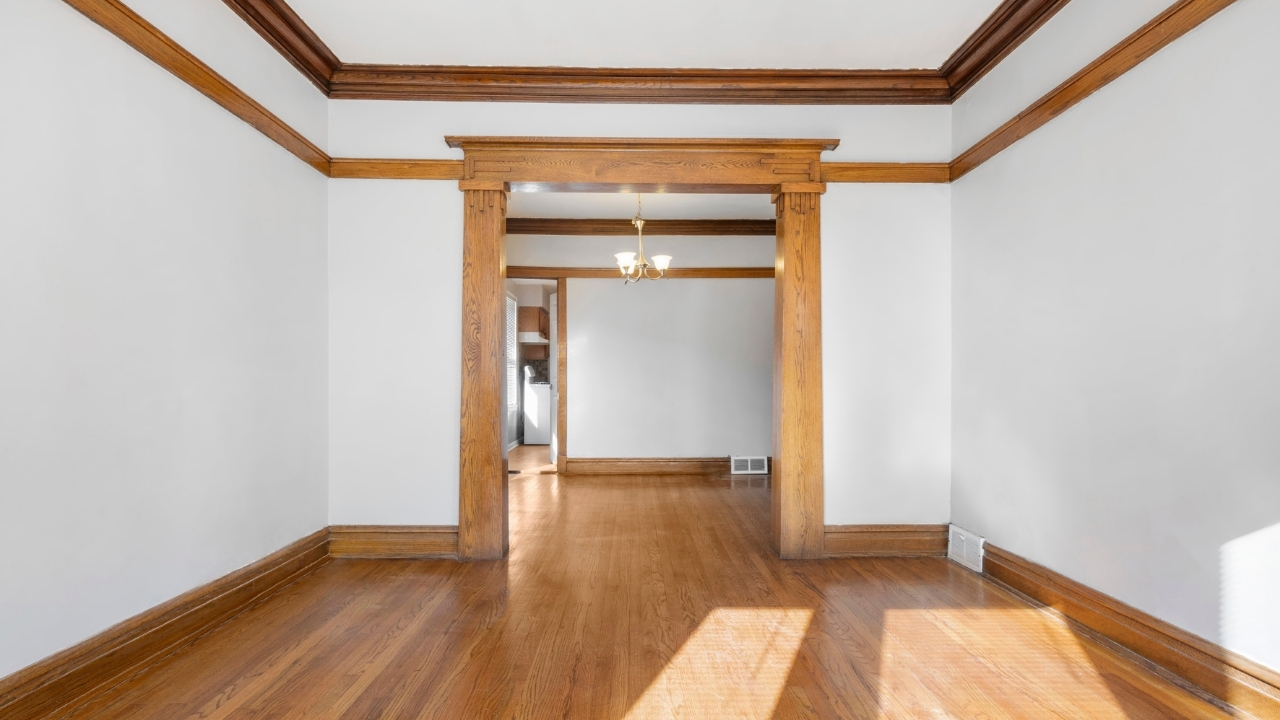
Running alongside painted monochrome trim is another fast spreading choice that also reads as expensive: exposing or adding real wood. Apr analysis of Warm, Rich Wood Tones highlights how stained trim brings depth and a sense of craftsmanship that painted MDF cannot match, especially when you lean into medium to dark finishes. Instead of the flat, factory primed casings that dominated spec homes, you see oak, walnut, or even mahogany profiles that echo the broader trend toward nature inspired interiors and make even simple drywall feel more architectural.
This is not a nostalgic return to heavy, orange oak, it is a curated use of wood to frame key moments like windows, doorways, and built ins. When you repeat those wood trim tones across a room, you get a rustic, nature inspired vibe that still feels current because it pairs so well with the warm taupes and khakis that are replacing cooler grays. The result is a kind of quiet luxury, where the money is in the materials and joinery rather than in flashy contrast paint tricks.
Where classic white trim still works, and where it starts to look cheap
None of this means white trim is suddenly “wrong.” For many homes it remains a smart, timeless choice, especially when you want a chic and classic look. Guidance on how to choose window trim colors notes that, by far, white trim is the most popular option for homeowners and that if you are aiming for a clean, traditional aesthetic, white is always a safe choice. In older homes with detailed moldings or in bright, coastal schemes, a crisp white outline can still highlight craftsmanship and bounce light around beautifully.
The problem is that white trim has also become a builder default that sometimes signals a lack of design decisions rather than a thoughtful one. Commentary on color drenching from curtain specialists points out that with White trim, builders and homeowners do not need to consider what wall colors will be used in the future, which is why it has been a default for centuries. That practicality is useful, but in a design climate that prizes intentional color, an automatic coat of bright white on every baseboard can start to look like a shortcut, especially when it clashes with the warmer, more nuanced wall colors that are now in favor.
The version that looks cheap: harsh contrast and dated cool tones
The trim treatment that is beginning to read as inexpensive is not white itself, it is high contrast trim in cold, off the shelf shades that ignore where color trends have moved. Oct Key Takeaways on paint colors to skip in 2025 note that “Grays and” other cool neutrals are being replaced by warm tones like taupes and khaki, yet many homes still pair icy gray walls with bright, blue based white trim. That combination, once marketed as sleek and modern, now feels sterile and overused, particularly in real estate listings where it telegraphs a quick flip rather than a carefully considered renovation.
Designers are also sounding the alarm on certain saturated trim colors that were trendy a few years ago but now instantly date a room. Sep reporting on Dark Blue trim notes that Donnell is warning about “Too much blue everywhere! But, if you fancy something bold” you should pivot to a more earthy take instead. When you combine that kind of heavy, dark blue casing with stark white walls, the effect can feel more like a budget DIY accent than a tailored design move, especially as warmer, more grounded palettes take over.
How social media and real people are redefining what “cheap” trim looks like
Your sense of what looks expensive or cheap is not shaped only by designers, it is also influenced by what you see in everyday homes online. In a widely discussed Sep thread on interior decorating, one commenter argued that darker trim in a particular room “looks cheap, like the kind of paint job you see in a real estate listing and assure your partner you can fix,” while another insisted that White was the better choice. That kind of blunt feedback loop is pushing homeowners to think harder about whether a bold trim color is enhancing their architecture or simply calling attention to uneven lines and budget materials.
Video content is also shaping expectations. A Sep episode of Beautiful Home Design Ideas walks through contrast trim living room ideas for 2026, emphasizing that the most striking results come from pairing deeper, warmer trim with equally considered wall colors, not just slapping navy or black around every window. When you see side by side examples of thoughtful contrast versus quick, high contrast fixes, it becomes clear why some dark trim reads as custom millwork and other versions look like a rushed weekend project.
Lessons from branding and color psychology: why some bold trim fails
If you think about your home the way a creative director thinks about a brand, the trim color is part of your visual identity, not a random accent. Guidance on logo design trends reminds you that You should never forget that decorating in bright colors is not an easy task, and Because of this design choice there is a chance of overwhelming the viewer if you do not balance it carefully. The same logic applies to trim: a vivid frame around every door and window can quickly dominate the room, especially if the rest of your palette is already busy.
Color psychology also explains why some once beloved hues now feel cloying or juvenile when used on trim. Jan reporting on paint shades designers never want to see again singles out Millennial Pink, with designers saying that the barely there pinks that once felt modern and minimal now feel too sweet. If you wrap your baseboards and casings in that kind of sugary tone, the effect can veer toward novelty rather than sophistication, which is why the most successful bold trim today leans into earthier, more grounded colors instead of pastels that were tied to a specific era.
How to choose trim colors that look intentional, not inexpensive
To land on a trim color that feels current and considered, start by looking at the undertones of your walls and floors, then decide whether you want the trim to blend or to provide measured contrast. Professional paint guidance notes that Trim is often made from Wood, MDF, or polyurethane, and that many design experts consider white or off white trim a classic way to make wall color appear crisp and clean. If you choose that route, pick a softer, warmer white rather than a harsh, cool one so it harmonizes with the taupes, khakis, and other warm neutrals that are replacing cooler schemes.
If you are ready to move beyond default white, look at how your trim color can highlight architecture without creating jarring edges. Summer color trend reporting notes that using contrast strategically is particularly effective in highlighting architectural features or creating focal points without relying on clutter, by playing with subtle differences between tones and enhancing the overall aesthetic appeal. That might mean painting only the interior of a deep window casing in a darker shade, or using a slightly deeper version of your wall color on the baseboards so the effect is layered rather than loud.
Practical guardrails so your trim never cheapens the room
There are a few practical rules that can keep your trim from undermining the rest of your design. First, be wary of pairing bright, cool whites with very warm walls, because the clash can make both look off. Reporting on paint colors going out of style notes that, While an undeniably convenient choice, certain shades of white have become a little too universal and are falling out of favor in lived in spaces like family homes with children, where warmth and personality matter more than a gallery like blank slate. If you want white, choose one that leans creamy rather than icy so it supports, rather than fights, the rest of your palette.
Second, pay attention to how your trim interacts with other fixed elements like shutters and window frames. Guidance on plantation shutters warns that, However, it is important to note that the common rule of matching shutters to frames only works with contrasting colors and does not work on varying shades of white, which can create a poorly designed and cheap appearance. The same principle applies indoors: if your trim, doors, and built ins are all slightly different whites, the mismatch will look accidental. Finally, remember that you can also introduce character with softer alternatives, as one home design group member suggested when they wrote, “Congrats on your new home! You could choose a trim color” like a muted blue to give a new build more personality without resorting to harsh contrast.
Where designers are headed next with painted trim
Looking ahead, the most interesting trim treatments are likely to keep exploring color, but in more nuanced ways. One design obsessed outlet notes that One current obsession includes any oft looked opportunities to explore color on trim, even as many people still stickin to white because it is classic and safe. As more homeowners see successful examples of color drenched rooms and warm wood casings, you can expect a broader comfort level with treating trim as a place to express personality, not just a neutral frame.
At the same time, the backlash against overly bright or mismatched schemes will keep pushing you toward more thoughtful, context driven choices. Oct commentary on the While trend of retiring certain whites underscores that convenience is no longer enough of a reason to default to a color. If you treat your trim as part of a holistic palette that supports wellness, warmth, and the specific architecture you live with, you will land on the version of this fast spreading trend that looks tailored and timeless, not the one that makes your home feel cheaper than it is.
Like Fix It Homestead’s content? Be sure to follow us.
Here’s more from us:
- I made Joanna Gaines’s Friendsgiving casserole and here is what I would keep
- Pump Shotguns That Jam the Moment You Actually Need Them
- The First 5 Things Guests Notice About Your Living Room at Christmas
- What Caliber Works Best for Groundhogs, Armadillos, and Other Digging Pests?
- Rifles worth keeping by the back door on any rural property
*This article was developed with AI-powered tools and has been carefully reviewed by our editors.