The house feature that’s getting flagged more during inspections and renewals
Photo credit: Alex Potemkin/istock.com
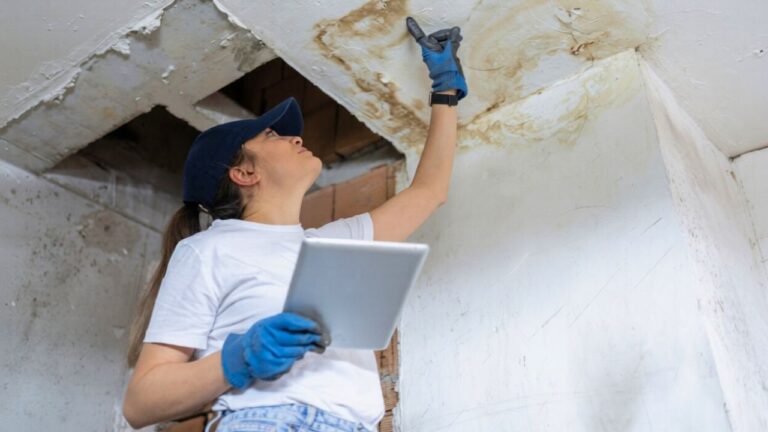
Home inspections and insurance renewals used to focus on obvious hazards like missing smoke alarms or outdated wiring. In 2026, the feature that is suddenly drawing sharper scrutiny is your home’s structural condition, especially the roof and anything that hints at movement, sagging, or water intrusion. If you are not paying attention to those clues before an inspection or renewal, you risk surprise repair demands, higher premiums, or even losing coverage.
Insurers and inspectors are now treating structural red flags as early warning signs of costly claims rather than background wear and tear. You are being judged not just on whether your house is standing, but on how well it is aging, how you maintain it, and how much risk it represents in a market where climate losses and rebuilding costs are reshaping the rules.
Why structural red flags are suddenly center stage
Structural issues have always mattered, but they are now moving from “eventual project” to “immediate deal breaker” in both inspections and insurance reviews. You are seeing more attention paid to cracks in walls, sagging floors, and misaligned doors because they hint at deeper foundation movement that can turn into six‑figure repairs. Reporting on what home inspectors are flagging more often in 2025 notes that Structural stress and aging systems have returned to the top of inspection reports, with structural movement described as a recurring deal breaker rather than a rare outlier.
Insurers are reacting in parallel, tightening their tolerance for anything that looks like a looming claim. One analysis of interior risk factors explains that Insurance companies are quietly cracking down on interior red flags and are no longer waiting for a claim before acting. Instead of assuming a hairline crack is cosmetic, underwriters are more likely to see it as a sign of settlement or water damage, and they are using that judgment to decide whether to renew your policy or demand repairs as a condition of continued coverage.
The house feature inspectors and insurers now treat as a litmus test
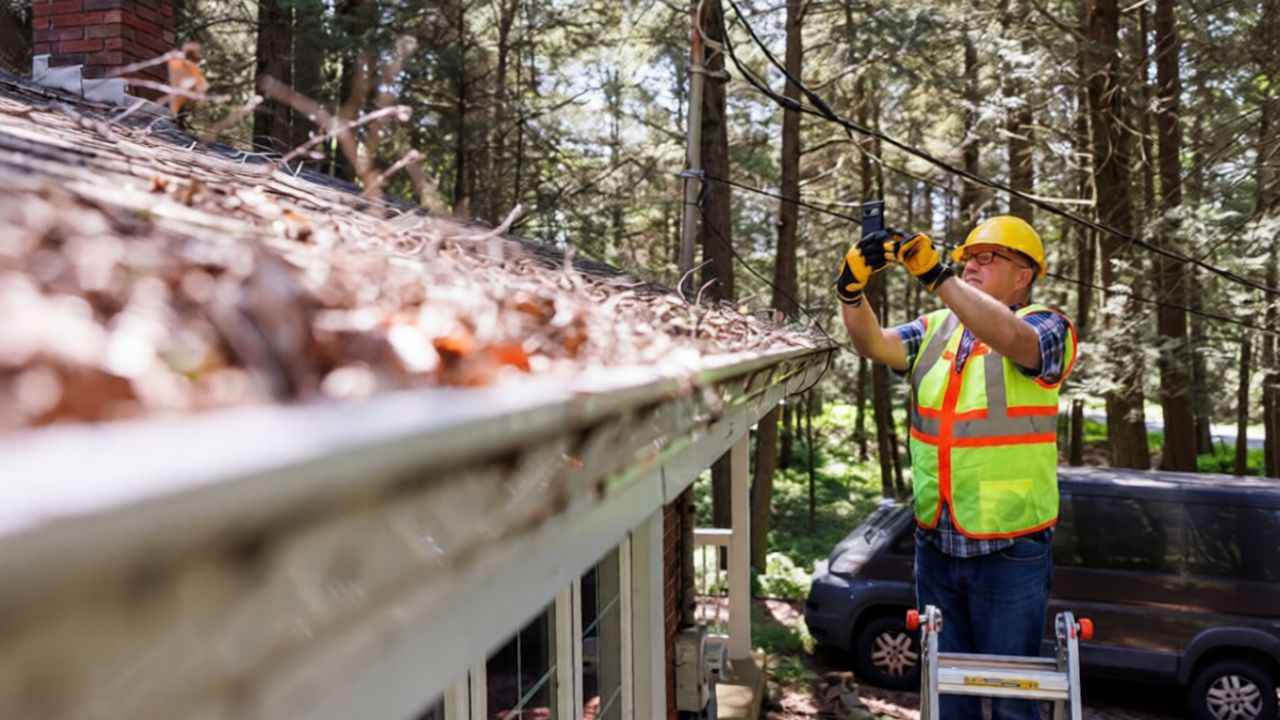
When you look at what keeps coming up in both inspection reports and renewal notices, one feature stands out as the new litmus test: the roof. Inspectors increasingly treat roof condition as a proxy for how you maintain the rest of the structure, and insurers are using it as a quick way to gauge the likelihood of future water damage, mold, and structural decay. Guidance on How Insurers Determine Roof related non renewals explains that carriers are increasingly relying on roof age, visible wear, and missing or damaged shingles to decide whether to continue coverage at all.
For you, that means the roof is no longer just another line item on a maintenance list, it is the feature that can trigger an automatic inspection, a premium spike, or a non‑renewal letter. When a roof shows sagging, curling shingles, or signs of chronic leaks, insurers may classify the entire structure as higher risk, even if the rest of the house looks solid. That shift is why you are hearing more stories of homeowners being told to replace a roof years earlier than expected or risk losing coverage, and why roof photos now carry as much weight in underwriting as a full inspection report.
How insurers are tightening the rules behind the scenes
Behind the growing focus on structural and roof issues is a broader recalibration of home insurance. Carriers are facing higher rebuilding costs and more frequent severe weather, and they are responding by narrowing who they are willing to cover and on what terms. A briefing on 2026 home insurance changes notes that Insurance companies are tightening their underwriting standards, which means more scrutiny of property condition and more willingness to non‑renew policies that no longer fit their risk appetite.
At the same time, industry forecasts point to a turning point in how home insurance is priced and delivered. One set of 2026 predictions from Matic highlights Climate and catastrophe risk as a central driver of premium increases and coverage restrictions, especially in areas prone to wildfires, hurricanes, or flooding. When premiums are high and underwriting is tight, carriers have a strong incentive to weed out homes that show early signs of structural weakness or deferred maintenance, which is exactly what you are seeing in the new wave of inspections and renewal conditions.
From “run away” cracks to sagging floors: what inspectors now call out
On the ground, inspectors are translating this shift into a more aggressive approach to visible structural clues. You are more likely to see language that urges buyers to walk away or demand major concessions when there are signs of movement or instability. A detailed guide to foundation issues describes Visual Clues That Scream Run Away, including Cracks in walls near doors and windows, Doors that do not close properly, and roof problems like missing shingles or sagging that hint at structural stress.
Insurers are reading those same clues in their own way. A separate analysis of interior risk factors singles out Structural cracks, sagging floors, and persistent odors as “run away” signs for underwriters, especially when they suggest hidden water damage or mold. If you ignore those symptoms, you are not just risking a tough inspection report, you are giving your insurer a documented reason to argue that you failed to maintain the property, which can affect both renewals and future claims.
Tech‑driven surveillance: aerial images, drones, and surprise non‑renewals
The scrutiny of roofs and structural condition is no longer limited to scheduled visits. Insurers are increasingly using aerial imagery and drone technology to monitor properties between renewals, which means your roof and yard can be evaluated without anyone ever knocking on your door. One advocacy account describes how a homeowner named D’Entremont received a letter after aerial images showed moss on his roof and overgrown trees, with the insurer also flagging undeclared swimming pools or trampolines as hazards, illustrating how Entremont was caught off guard by remote monitoring.
Drone use is adding another layer of detail to that surveillance. One report notes that She added that insurers are now dropping customers based on drone images that show “mold on your roof” or “damaged roof tiles,” captured without a traditional inspection appointment. For you, that means a neglected patch of shingles or a slowly spreading stain is no longer hidden until the next renewal, it can trigger a mid‑term warning or cancellation once it appears clearly in a high‑resolution image.
Interior red flags: mold, moisture, and aging systems
While the roof is the headline feature, interior conditions that point to water intrusion or system failure are also being flagged more aggressively. Insurers are paying closer attention to signs of chronic moisture, such as musty odors, visible mold, or staining around ceilings and baseboards, because those issues often lead to expensive remediation and structural repairs. A breakdown of interior risk factors explains that Jan highlights how odors and the mold problem are now treated as serious underwriting concerns rather than minor housekeeping issues.
Home inspectors are echoing that shift by calling out aging mechanical and electrical systems that no longer meet modern safety expectations. A survey of what inspectors are flagging more often notes that Mechanical and electrical systems that are outdated or overloaded are rising on the list of concerns, especially when combined with visible moisture or corrosion. If your panel, wiring, or plumbing is decades old and shows signs of stress, you can expect more pushback from both inspectors and insurers until you bring those systems closer to current standards.
The new liabilities hiding in “nice to have” features
Beyond obvious structural and moisture issues, some of the amenities you might see as upgrades are quietly turning into insurance headaches. Features like elaborate smart home systems, rooftop decks, or backyard structures can introduce new failure points or safety risks that underwriters are starting to price in. A list of emerging risks identifies 13 home features predicted to become unexpected insurance liabilities in 2026, with Story author Yogesh Prajapatio noting how Smar technology and other add‑ons can complicate claims and increase exposure.
Insurers are not necessarily punishing you for having these features, but they are less willing to ignore the extra risk they represent. A greenhouse that adds humidity near your foundation, a hot tub installed on an older deck, or a complex network of connected devices that could fail in a power surge all change the risk profile of your home. If you are planning upgrades, it is now smart to think like an underwriter and ask how each new feature might interact with structural integrity, water management, and fire safety before you commit.
What inspectors say they see in almost every house
Even if your home has no dramatic cracks or obvious leaks, there are recurring issues that inspectors say they notice in almost every property, and those patterns are shaping how insurers think about everyday risk. One recent rundown of common findings notes that the most frequently inspected component is the roof, followed closely by grading, drainage, and plumbing, with Jan Story author Erin Whitaker highlighting Poor Grading and Drain issues that send water toward the foundation instead of away from it.
Those everyday flaws matter because they are the starting point for the structural problems that now trigger non‑renewals. If your gutters are clogged, your downspouts discharge next to the foundation, or your yard slopes toward the house, you are effectively feeding water into the very parts of the structure that insurers are watching most closely. Fixing those basics is one of the simplest ways to reduce the chance that a future inspection will uncover the kind of foundation movement or basement moisture that underwriters treat as a red flag.
How rising premiums and climate risk make every crack count
All of this is unfolding against a backdrop of rising premiums and climate‑driven losses that are reshaping homeownership. If you live in a region facing more intense storms, wildfires, or flooding, you are already seeing how coverage is harder to secure and more expensive to keep. An overview of how insurance is shaping homeownership in 2026 explains that If you live in a high‑risk area, you may have fewer carrier options, stricter inspections, and climbing premiums, all of which make structural condition a more critical factor in whether you can stay insured at all.
In that environment, every crack, stain, or sagging line carries more weight because it feeds into a broader risk calculation that is already under pressure. When carriers are balancing Climate and catastrophe risk, as Climate and related losses mount, they have less room to absorb uncertainty about how your home will perform in the next storm or heat wave. Staying ahead of inspections and renewals now means treating structural health as a core part of your financial planning, not just a cosmetic concern, so you can keep your coverage, protect your equity, and avoid being blindsided by the next letter from your insurer.
Like Fix It Homestead’s content? Be sure to follow us.
Here’s more from us:
- I made Joanna Gaines’s Friendsgiving casserole and here is what I would keep
- Pump Shotguns That Jam the Moment You Actually Need Them
- The First 5 Things Guests Notice About Your Living Room at Christmas
- What Caliber Works Best for Groundhogs, Armadillos, and Other Digging Pests?
- Rifles worth keeping by the back door on any rural property
*This article was developed with AI-powered tools and has been carefully reviewed by our editors.