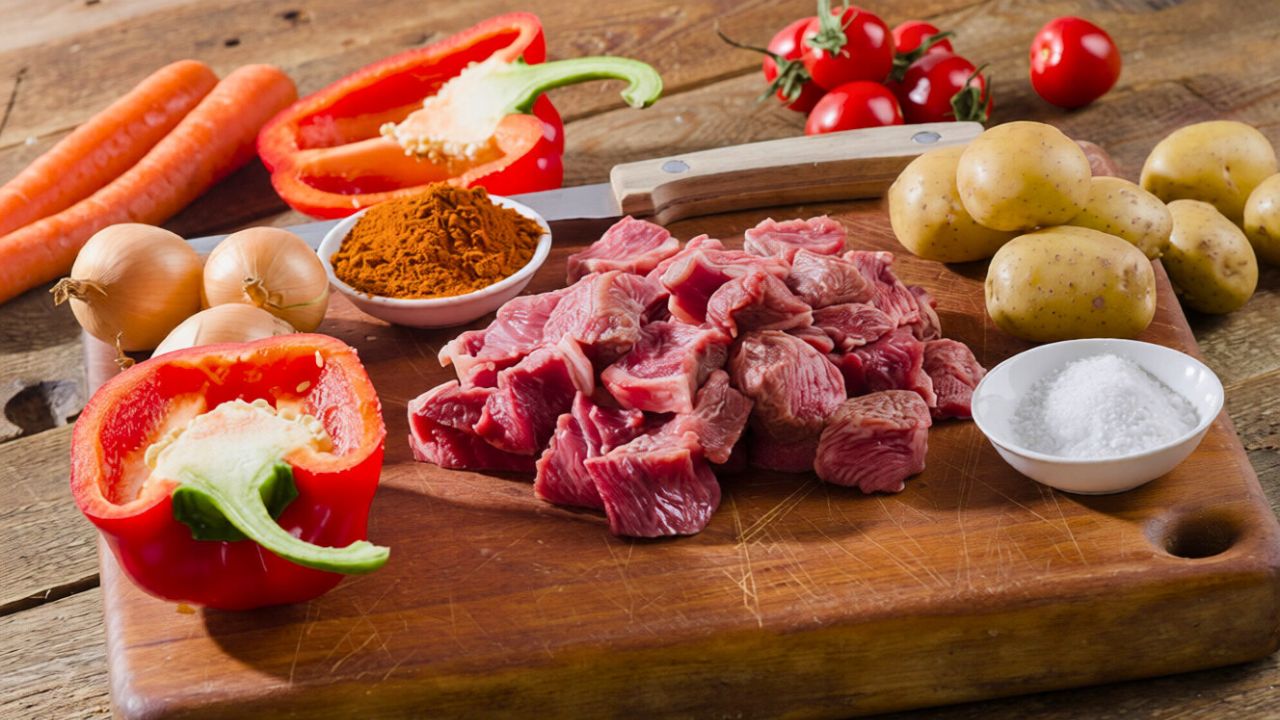
The grocery move people make when beef spikes that saves money without killing flavor
Photo credit: Bit245/istock.com
When beef prices jump, your grocery bill feels it first. Yet you do not have to give up rich, satisfying meals to keep your budget in line. The smartest move many home cooks make is not to abandon meat entirely, but to rethink how much beef goes on the plate and what shares the spotlight beside it.
By shifting to cheaper cuts, stretching smaller portions across more servings, and leaning on flavorful stand-ins, you can cut costs while keeping the same depth of taste you expect from a steak dinner. With a few strategic changes to your cart and your cooking habits, you protect both your wallet and your weeknight favorites.
Why beef keeps getting pricier, and what that means for your cart
Beef has become one of the most stubbornly expensive items in the meat case, and that is not an accident. Ranchers and processors have been dealing with tight supplies and higher costs, and those pressures keep retail prices elevated even as some other groceries calm down. Knowing that this particular kind of inflation is likely to linger, you need a plan that treats beef as a premium ingredient you use thoughtfully rather than a default centerpiece every night, which is exactly what many budget minded shoppers are doing as they adjust their weekly menus.
Instead of waiting for prices to fall, you can pull several levers at once: buy smaller quantities, favor cuts that deliver more servings, and pair beef with lower cost proteins and produce. Guidance aimed at shoppers notes that, Knowing that beef inflation will not vanish overnight, you are better off changing how you buy and cook it so the higher price per pound is spread across more meals. That mindset shift is the foundation for the money saving move that keeps flavor intact.
The core move: treat beef as a flavor booster, not the whole meal
The most effective adjustment you can make when beef spikes is surprisingly simple: stop building meals where beef is the bulk of the plate and start using it as a concentrated source of flavor. Instead of serving a 10 ounce steak to one person, you slice that same steak thinly and stretch it across stir fries, grain bowls, or tacos for three or four servings. You still taste beef in every bite, but vegetables, beans, and grains quietly take over the job of filling you up.
Cooks who focus on eating well for less have long used this strategy, especially with ground meat. One set of frugal cooking Tips on Savvy Ways To Save Money on Meat and Poultry recommends buying smaller amounts and combining them with budget friendly ingredients so the meat becomes a seasoning rather than the main volume. When you think of beef as a powerful garnish, you can afford higher quality cuts in smaller quantities, and your meals stay satisfying because the flavor is still front and center.
Stretching beef with “bulking” techniques in your favorite recipes
Once you decide beef is there for taste, not bulk, the next step is learning how to stretch it inside the recipes you already love. A practical method known as Bulking works especially well with ground beef. You simply halve the amount of meat and replace the missing volume with lentils, chopped mushrooms, finely diced vegetables, or grains. In chili, Bolognese, or tacos, the texture and seasoning carry the dish, so no one at the table feels shortchanged.
Other cooks lean on a similar idea by chopping, slicing, and shredding beef so it disperses more evenly through a dish. Advice on using less meat suggests that when you Chop, slice, and shred meat into smaller pieces, you get more bites of flavor per ounce, which makes it easier to cut back without feeling deprived. A pot of shredded beef folded into beans and rice, for example, can deliver the same comfort as a large roast dinner at a fraction of the cost.
Choosing cheaper cuts that still deliver big flavor
When you do buy beef, choosing the right cut is the difference between a budget buster and a bargain. Some of the most flavorful options are also among the most affordable, especially if you are willing to cook low and slow. A guide to Beef Cuts That Deliver Big Flavor highlights Chuck roast as one of the best choices for cheap crockpot meals, since Chuck becomes tender and rich when braised and can anchor several dinners. Flank steak is also flagged as an affordable option that works beautifully for cheap healthy meal prep lunches once it is marinated and sliced thinly across the grain.
Home cooks trading tips on budget friendly eating echo that logic. In one Comments Section focused on favorite cheap cuts, people point to options like Chicken Thighs as a parallel in poultry, noting that Thighs usually are cheaper than Chicken breasts at stores such as Wegmans but still feel indulgent when cooked well. The same principle applies to beef: if you are willing to learn how to handle cuts like Chuck or flank, you can enjoy steak like flavor without paying steakhouse prices.
Letting chicken, pork, and plant proteins pinch hit for beef
Another way to protect your budget without sacrificing flavor is to rotate in other proteins that cook up just as satisfying as beef. Chicken remains one of the most reliable stand ins, especially when you buy it whole and break it down yourself. Reporting on cheaper alternatives notes that Chicken remains one of the most budget friendly meats next to beef, and Whole birds often sell for significantly less per pound than pre cut pieces. Pork is described as another flavorful option that can mimic the richness of beef in many recipes, from slow cooked shoulder to quick seared chops.
If you are open to plant based swaps, you can stretch your meat budget even further. In a discussion about cheap alternatives to meat, one cook points out that Frozen shelled edamame at Trader Joe, any asian grocery, and whole foods is about $3 per 16 oz and can be defrosted and tossed into stir fries or salads for a protein boost. When you combine small amounts of beef with beans, edamame, or tofu, you keep the savory notes you crave while letting lower cost ingredients carry more of the load.
Designing meals where a little meat goes a long way
The structure of your meals matters as much as the ingredients you choose. Dishes that naturally mix meat with vegetables and grains are ideal when you want to use less beef without losing satisfaction. Stir fries are a prime example. In one Comments Section on meals with small amounts of meat, a home cook notes that Stir fries are great for that, since a bit of thinly sliced meat and a lot of vegetables still feels hearty when served over rice or noodles. The same logic applies to fried rice, fajitas, and noodle soups, where beef is just one component in a bigger bowl.
To make this work week after week, it helps to think in formulas rather than strict recipes. You might build a rotation of grain bowls that always include a base of rice or farro, a generous pile of vegetables, a small portion of beef or another protein, and a punchy sauce. Advice on using less meat suggests that when you Shredding pork, beef, or poultry and folding it into dishes like this, you can cut the meat quantity dramatically while still delivering the flavor people expect. Over time, your household gets used to seeing more color from vegetables and grains on the plate, and less red meat, without feeling like anything is missing.
Shopping tactics that quietly slash your meat bill
Even the smartest recipe strategy will not help if you overpay at the store, so it pays to be tactical in the meat aisle. One of the most powerful habits is to stock up only when prices dip, then freeze what you will not use right away. A home cook who shares that meat prices are skyrocketing explains in a video titled Mar that they have not paid full price for meat in years because they rely on sales to stock their freezer. That approach turns volatile prices into an opportunity, letting you buy premium cuts when they are discounted and enjoy them later when the regular shelf price is higher.
At the same time, you can avoid some of the worst markups by paying attention to how your store prices different items. Consumer savings advice points out that some grocery categories carry especially high margins, and it offers a Pro tip to Look for manager markdowns on Perishable items nearing their expiration date, then cook or freeze them for a later date. When you combine markdown hunting with a willingness to buy larger value packs and portion them at home, you can bring your per pound cost down significantly without changing what you like to eat.
Using tech and pantry smarts to keep flavor high and costs low
Digital tools can make you even more strategic about when and where you buy beef. Retailers and brands feed a huge amount of pricing and availability information into systems like the Shopping Graph, which organizes Product information from stores and other content providers so you can compare options quickly. When you use price alerts, store apps, and loyalty programs alongside that kind of data, you can time your purchases around promotions and choose the store that offers the best deal on the cuts you want.
Once the meat is in your kitchen, pantry skills help you stretch it further without sacrificing taste. A home cook sharing simple ways to save a little bit of money under the hashtag #meatdad suggests that you Make seasonings and sauces yourself, Store them in re usable containers, and Reinvent leftovers so nothing goes to waste. When you have a few reliable spice blends, marinades, and sauces on hand, even a small amount of beef can anchor a meal that tastes like something you would order out, which makes it easier to skip expensive takeout and rely on your own kitchen instead.
Putting it all together: a weekly game plan that protects your budget
To turn these ideas into real savings, it helps to map out a simple weekly plan. Start by deciding how many meals will feature beef and cap the total amount you will buy, treating it as a premium ingredient. Then, fill in the rest of the week with Chicken, pork, and plant based proteins like edamame, beans, and lentils, using the same flavor profiles you already enjoy. When you plan ahead, you can align your menu with sales, choose cuts like Chuck roast or flank steak that stretch across multiple dishes, and rely on techniques like Bulking and shredding to make every ounce count.
Over time, this approach changes how your cart looks without making your dinners feel austere. You are still eating tacos, pasta, stir fries, and stews, but the beef is sliced thinner, portioned smaller, and supported by a cast of vegetables, grains, and legumes. Frugal cooking guides on Savvy Ways To Save Money on Meat and Poultry emphasize that small shifts like this, repeated week after week, add up to serious savings. When beef prices spike, the move that saves you the most is not cutting flavor, it is learning to let flavor lead while everything else quietly picks up the slack.
Like Fix It Homestead’s content? Be sure to follow us.
Here’s more from us:
- I made Joanna Gaines’s Friendsgiving casserole and here is what I would keep
- Pump Shotguns That Jam the Moment You Actually Need Them
- The First 5 Things Guests Notice About Your Living Room at Christmas
- What Caliber Works Best for Groundhogs, Armadillos, and Other Digging Pests?
- Rifles worth keeping by the back door on any rural property
*This article was developed with AI-powered tools and has been carefully reviewed by our editors.