The “cheap dinner” cuts that don’t stay cheap when prices swing
Photo credit: Mironov Vladimir/Shutterstock.com
When you reach for “cheap” cuts to keep dinner costs in check, you are really making a bet on how those prices will behave when the market lurches. Some of the classic budget staples, from ground beef to chicken thighs and pork shoulder, can turn into surprisingly expensive habits once supply shocks, export demand, and feed costs collide. Understanding which cuts stay relatively stable and which are primed to spike helps you build a dinner rotation that holds up when prices swing instead of blowing up your budget.
The trick is not to abandon value cuts, but to recognize which ones are quietly tethered to the most volatile corners of the meat industry. If you know how cattle cycles, hog markets, and global poultry trade filter down to the sticker on your supermarket package, you can swap strategically, stock up at the right moments, and keep your “cheap dinner” strategy from backfiring.
When “value” beef rides a premium market
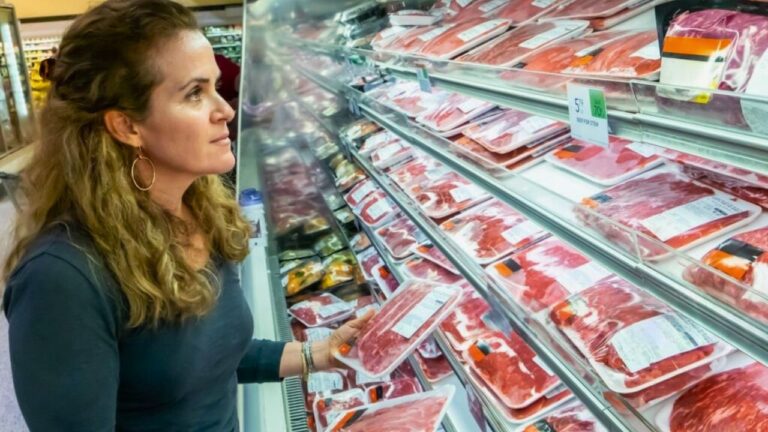
Beef is the clearest example of a protein that looks like a splurge but still shapes what you pay for supposedly thrifty options like ground chuck or stew meat. You might think you are insulated from steakhouse economics when you buy the cheapest tray in the beef case, yet those prices are anchored to the same herd sizes, feed bills, and processing costs that push ribeye into luxury territory. As cattle numbers tighten and feed becomes more expensive, retailers have little choice but to raise the floor on every cut, including the ones you rely on for weekday chili and tacos.
Recent data show how broad that pressure has become, with one analysis noting that Beef prices rose 1.2% in a single month and have stayed elevated as the national cattle herd shrank to the smallest it has been since the early 1950s. That kind of structural squeeze means your bargain ground beef is not priced in isolation, it is riding the same wave as premium steaks. When the overall beef complex tightens, the “cheap” end of the case is simply where the increases show up first for budget shoppers.
Ground beef: the budget workhorse that keeps getting pricier
Ground beef is the workhorse of many frugal kitchens, the base for burgers, meatloaf, and pasta sauces that can stretch across several meals. Yet it is also one of the most exposed cuts when cattle supplies fall and processing plants chase every pound they can grind. Because ground beef blends trimmings from multiple parts of the animal, it reflects both the scarcity of premium primals and the overall cost of getting cattle from feedlot to store shelf, which means your go-to “cheap” protein can quietly become a luxury if you are not watching the per pound label.
Historical price data underline how dramatically that reality has shifted, with Prices for Ground Beef climbing to the equivalent of $6.63 per pound in recent years according to the Bureau of Labor Statistics. On the ground, grocery managers have reported that the price of a pound of ground beef has hit record highs, with some shoppers cutting back or switching proteins as highlighted in reports on ground beef and steak hitting all time levels. If you build your weekly menu around ground beef assuming it is always the cheapest option, you risk locking in a habit that becomes painfully expensive when the cattle cycle tightens.
Why cattle cycles turn cheap cuts into moving targets
To understand why your budget beef dishes feel less affordable, you need to look upstream at how ranchers respond to price signals. When cattle prices and input costs spike, producers often reduce herd sizes, which can support high prices in the short term but sets the stage for even tighter supplies later. That cycle means the beef you see in the case today reflects decisions made years earlier, and once the pipeline is constrained, there is no quick way to flood the market with extra animals just because shoppers are frustrated.
Analysts point out that the primary factor behind record beef prices is a reduction in production, with ranchers Incentivized by high cattle prices and high input costs to send more animals to slaughter rather than hold them back to rebuild herds. That keeps supplies tight and prices high across the board, from roasts to ground beef. Layer on the fact that Modern cattle operations depend on expensive feed, transportation, labor, veterinary care and regulation, and you can see why even the humblest beef cut is chained to a cost structure that does not bend easily when you want to save a few dollars on dinner.
Chicken thighs: yesterday’s bargain, today’s hot commodity
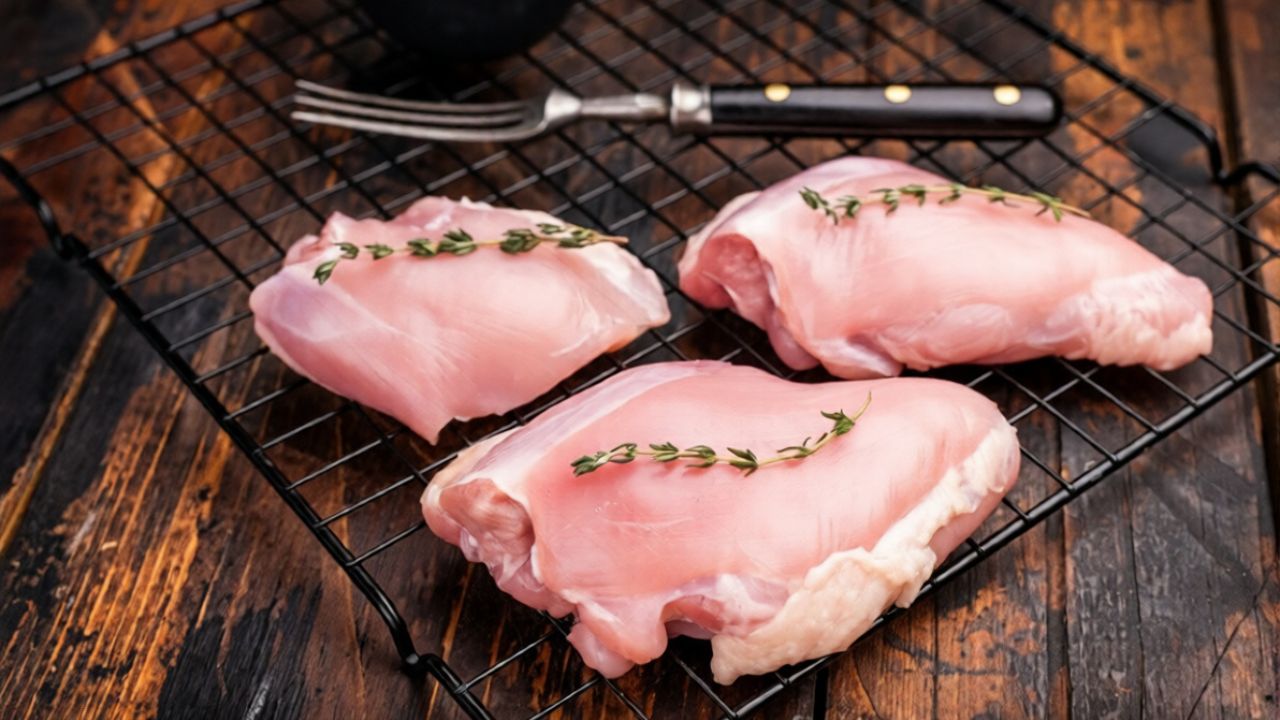
For years, chicken thighs were the insider’s pick for value, a flavorful alternative to boneless breasts that cost less and stayed juicier in the pan. As more home cooks and restaurant chefs caught on, that quiet bargain started to attract the same kind of demand that once centered on white meat. When you and your neighbors all pivot to the same “smart” swap, the price advantage can evaporate, leaving you paying near premium prices for what used to be a back-of-the-pack cut.
That shift has been visible in both pricing and popularity, with coverage of the poultry case noting how ZHANG saying “Yeah, well, everything is costing more” as chicken thighs pass breasts in both cost and consumer preference. But the story is not just about one cut, it is about how quickly a budget hack can become mainstream. Once thighs are the default choice for food writers, meal kit companies, and TikTok recipes, you are no longer shopping in a niche, you are competing with a national trend that pushes prices higher.
Poultry’s global safety valve, and where it fails you
Compared with beef, poultry has a reputation for being more stable, which is why you might lean on whole birds or drumsticks when red meat feels out of reach. The industry can ramp up production faster than cattle, and global trade often acts as a safety valve, redirecting supply to where it is most needed. That flexibility helps keep some chicken cuts relatively affordable even when feed costs rise, giving you a more reliable anchor for budget meal planning.
Yet that same global reach can introduce its own volatility, especially for specific parts that are in high demand overseas. Earlier in the current cycle, Through the third quarter of a recent year, poultry trade on a global scale set new volume record highs at 10.2 tonnes, underscoring how integrated your local chicken case is with international buyers. When leg quarters or wings fetch better margins abroad, processors have every incentive to chase that demand, which can tighten domestic supply of the very cuts you count on as your affordable fallback.
Pork: the sleeper risk in your “cheap protein” plan
Pork often feels like the safe middle ground, cheaper than beef and more predictable than boneless chicken breasts, which is why pork shoulder, chops, and ribs show up in so many budget recipes. You might assume that because hogs grow faster than cattle, the market can adjust quickly enough to keep your favorite cuts in the value lane. In reality, pork is deeply tied to export flows and feed costs, and when those shift, the impact on your grocery bill can be just as jarring as a steakhouse price hike.
Market outlooks for hogs show how sensitive the sector is to broader economic forces, with projections that hog prices are expected to average $68.58 per cwt, more than 8 percent above the previous year, and that $68.58 figure ripples through to what you pay for bacon and roasts. On the wholesale side, Holiday trading has brought big swings in the belly market, with Primal bellies averaging about $126.33 per hundredweight and derind bellies influencing overall pork pricing. When bellies spike, processors look to recover margins across the carcass, so even your “cheap” pork shoulder can creep up in price as the industry chases profitability.
Policy promises and the limits of political relief
When meat prices surge, it is tempting to hope that a policy fix will quickly restore the old definition of “cheap dinner.” Political leaders are acutely aware of how grocery bills shape voter frustration, and they often float ideas that sound tailor made for your shopping list, from tapping strategic reserves to tweaking import rules. Those moves can matter at the margins, but they rarely rewrite the underlying math of feed, labor, and global demand that sets the baseline for what you pay.
President Donald Trump has signaled that he sees beef prices as a political priority, with coverage noting that he promised to address the issue as part of his efforts to keep inflation in check and even suggested the United States could buy Argentinian beef to bring down prices for American consumers, a plan discussed alongside comments from Andrew Kaplan about supply and demand. Even if such imports materialize, they would be entering a market where Strong consumer demand and tight supplies across beef, pork, and poultry are already keeping prices elevated, as agricultural economists have explained in analyses of higher food costs. For your household, that means you cannot count on a quick political fix to rescue any single cut from volatility.
How demand patterns quietly reshape your grocery bill
Beyond policy and production, your own habits, and those of millions of other shoppers, play a powerful role in which cuts stay affordable. When social media, meal kit companies, and food TV all converge on the same “budget” ingredient, demand can surge faster than supply can adjust. That is how chicken thighs, pork shoulder, and 80/20 ground beef move from the discount bin to the center of the plate, dragging their prices upward as retailers respond to what sells.
Researchers who have dug into household food budgets show how menu planning choices can amplify these pressures. One analysis of a family’s weekly meals used an EDA of menu costs to illustrate how the mix of dishes, not just the sticker price of any single ingredient, is what increases the cost of meals. If you build a rotation that leans heavily on one protein because it is currently cheap, you are effectively concentrating your risk. A more resilient approach is to diversify across species and formats, so that when one “cheap” cut suddenly spikes, you can pivot without overhauling your entire cooking routine.
Building a dinner strategy that survives the next swing
To keep your dinners genuinely affordable over time, you need to treat meat prices as a moving target rather than a fixed truth. That starts with tracking unit prices instead of relying on memory, watching how often your usual cuts go on sale, and being willing to substitute across the case. If ground beef jumps but whole chickens stay reasonable, you might roast once and repurpose leftovers into tacos or soup instead of forcing burgers into the plan at any cost.
It also helps to think in terms of techniques rather than specific cuts, so you can swap in whatever protein the market is currently undervaluing. Braising, slow cooking, and shredding work just as well with pork shoulder as with beef chuck, and stir fry methods can stretch a small amount of meat across a pan full of vegetables. When you understand how cattle cycles, hog markets, and global poultry trade shape the price of your “cheap” cuts, you can design a flexible playbook that keeps your food budget steady even when the meat case is anything but.
Like Fix It Homestead’s content? Be sure to follow us.
Here’s more from us:
- I made Joanna Gaines’s Friendsgiving casserole and here is what I would keep
- Pump Shotguns That Jam the Moment You Actually Need Them
- The First 5 Things Guests Notice About Your Living Room at Christmas
- What Caliber Works Best for Groundhogs, Armadillos, and Other Digging Pests?
- Rifles worth keeping by the back door on any rural property
*This article was developed with AI-powered tools and has been carefully reviewed by our editors.