The freezer-stocking mistake that wastes money when meat prices are unstable
Photo credit: Creativa Images/Shutterstock.com
When meat prices jump around from week to week, your freezer can either protect your grocery budget or quietly drain it. The difference often comes down to how you buy, portion, and package what you stash away. The most expensive mistake is not the price you pay at the register, but the way you load the freezer afterward.
Instead of treating frozen meat as a long-term savings account, many home cooks turn it into a graveyard of half-used roasts and frostbitten steaks. By rethinking how you stock and structure your freezer, you can avoid that money-wasting trap and keep every pound you buy ready for the table, even when prices are unstable.
The costly mistake: freezing meat in giant, inflexible portions
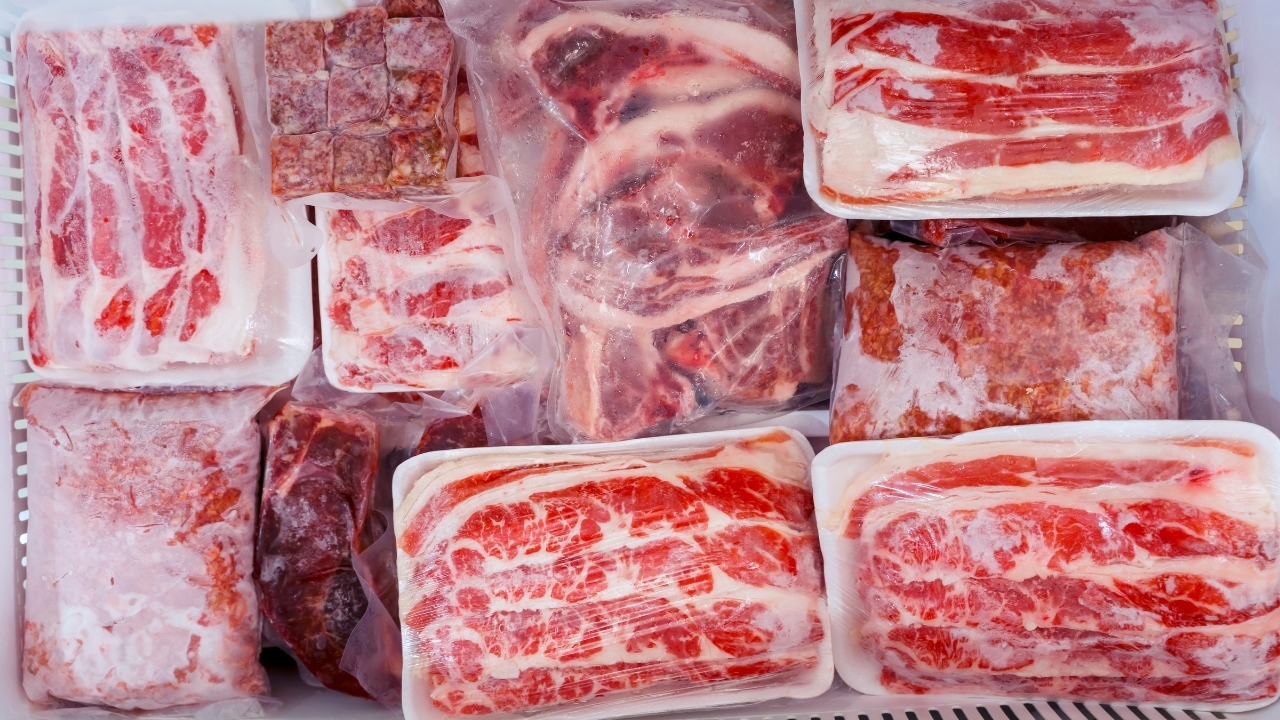
The freezer-stocking error that quietly wastes the most money is freezing meat in portions that are far larger than you actually cook at one time. When you toss a whole family pack of chicken thighs or a multi-pound tray of ground beef into the freezer as a single block, you lock your future self into thawing all of it at once. On a busy weeknight, you may only need half, which means you either cook more than you want, rush to use leftovers, or let the extra sit in the fridge until it spoils.
That habit turns what looked like a smart bulk buy into a series of small losses, especially when beef prices are swinging and every pound matters. Food safety rules mean you cannot safely refreeze raw meat that has fully thawed, so anything you do not cook right away is at risk. Over time, those unused portions, forgotten packages, and “I’ll get to it later” leftovers add up to real money that simply never makes it to your plate.
Why volatility makes your freezer a financial tool, not just storage
When prices are relatively stable, a cluttered freezer is mostly an annoyance. In a volatile market, it becomes a financial liability. If you buy meat in large quantities when it is briefly affordable, your freezer effectively acts as a hedge against the next price spike, but only if what you store stays in good condition and in usable sizes. Otherwise, you are just freezing cash in a form you cannot easily spend.
Reporting on beef price swings notes that in choppy markets your freezer shifts from simple convenience to a kind of household buffer, especially when you buy larger quantities during temporary dips and then draw them down when prices rise again, as described in guidance on how your freezer becomes a hedge. That only works if you can pull out a single pack at a time instead of chipping away at a frozen boulder of meat. Treating the freezer as a financial tool means planning for flexibility first, not just raw volume.
How bulk buying backfires when you ignore portion planning
Buying in bulk is often framed as the default smart move when prices are high, but it only pays off if you match the quantity you buy to the way you actually cook. If you live alone or cook for two, a 10 pound tray of ground beef or a warehouse-club pack of steaks can be a bargain on paper and a burden in practice. Without portion planning, you end up thawing more than you need, cooking extra just to avoid waste, and then watching leftovers languish in the fridge.
Experts who walk through strategies for buying beef in bulk stress that the savings only materialize when you break those big purchases into smaller, meal-sized packs before freezing. That means thinking in terms of how many tacos, burgers, or stews you actually make in a week, not just how low the per pound price looks at the meat counter. If you skip that step, the “deal” you scored during a price dip can leave you with freezer clutter and food waste instead of real budget relief.
The real #1 mistake: letting air and time ruin what you stored
Even if you portion meat sensibly, you can still lose money if you let air and time do their damage. The most common technical mistake is tossing meat into the freezer in thin supermarket wrap or loosely closed bags that leave pockets of air around the surface. That exposure leads to freezer burn, where ice crystals and dehydration change the texture and flavor of the meat long before it is unsafe to eat.
Butchers who see this problem daily point out that freezer burn occurs when meat is exposed to air inside the freezer, and that the fix is to wrap it tightly or seal it in a freezer safe container. When you ignore that step, you may still cook the meat eventually, but you are unlikely to enjoy it, which means more half-eaten dinners and more packages that get pushed aside “for later” until they are thrown away. In a period of unstable prices, that kind of quality loss is a direct hit to your food budget.
Right-sizing portions: how much meat you actually need per meal
To avoid the oversized block problem, you need a realistic sense of how much meat you use in a typical meal. For most dishes built around ground beef, such as chili, tacos, or pasta sauce, you are usually working with 0.25 to 0.5 pound per person. For steaks, chops, or chicken pieces, a 4 to 6 ounce portion is common. If you routinely freeze meat in two pound or larger chunks for a household of two, you are setting yourself up to thaw more than you will comfortably eat.
Once you know your usual serving sizes, you can divide bulk purchases into labeled packs that match your real cooking patterns. Advice on organization is key emphasizes that smaller, flatter packages not only align with meal portions, they also freeze and thaw faster, which cuts down on last minute scrambling and reduces the temptation to leave meat on the counter too long. That kind of portion discipline turns your freezer from a guessing game into a predictable extension of your meal plan.
Packaging that protects your investment instead of wasting it
Once you have the right portion sizes, the next step is packaging that actually protects what you bought. The thin plastic and absorbent pad that come from the store are designed for short term refrigeration, not months in a home freezer. If you slide that tray straight into the cold, you are relying on packaging that leaves seams and air gaps, which is exactly where freezer burn starts.
Guidance on how to stock your freezer when beef prices are volatile highlights the value of repackaging meat into airtight bags or containers, pressing out as much air as possible, and freezing items flat so they stack neatly. Vacuum sealers help, but heavy duty freezer bags, double wrapping in plastic and foil, or using rigid freezer safe containers can also dramatically extend quality. When you treat packaging as part of the purchase price, not an optional extra, you protect the value of every pound you bring home.
Temperature, timing, and the science of keeping meat usable
Even the best packaging cannot fully compensate for a freezer that runs too warm or fluctuates in temperature. If your unit hovers above the recommended level, ice crystals grow and shrink with every minor thaw cycle, which accelerates texture damage. Many home cooks never check the actual temperature inside their freezer, relying instead on a dial that may not be accurate.
Food safety guidance notes that fats in meat, fish, and poultry can still develop rancidity over time, even when frozen, and that quality is best preserved when you keep storage at a consistent 0 degrees Fahrenheit, a standard explained in detail in freezing basics. Separate freezer units and combination refrigerator freezers can both maintain this temperature, but only if you verify it with a thermometer. When you combine a stable 0 degree environment with prompt freezing soon after purchase, you slow the clock on quality loss and give yourself more time to use what you bought before it deteriorates.
Ground beef: the special case that exposes every mistake
Ground beef is often the first place where poor freezer habits show up, because it is usually bought in large packs and used in small amounts. If you freeze it in a thick brick, it takes a long time to thaw, which encourages risky shortcuts like leaving it on the counter or running hot water over the package. That combination of slow thawing and rushed cooking can lead to uneven texture and food safety concerns.
Common pitfalls highlighted in discussions of the biggest mistakes people make when freezing ground beef include letting beef blood drip onto other foods, allowing severe freezer burn, and thawing meat like a novice. A better approach is to press ground beef into thin, one pound or half pound slabs in freezer bags, squeeze out the air, and lay them flat. These sheets freeze quickly, stack efficiently, and can be snapped into smaller pieces if you only need part of a pack, which keeps your usage flexible when prices are unpredictable.
Turning your freezer from junk drawer to working inventory
The final shift that keeps you from wasting money is treating your freezer like a working inventory instead of a black hole. That starts with labeling every package with the cut, weight, and date, then arranging items so the oldest are easiest to reach. If you simply toss new purchases on top, you bury older meat that will quietly degrade until you no longer trust it, even if it is technically safe.
Advice on avoiding common errors, such as not checking your freezer temperature or ignoring how long items have been stored, underscores that organization is not cosmetic, it is financial. When you know exactly what you have and how long it has been there, you can build meals around older items first, avoid duplicate purchases, and make sure that the meat you bought during a price dip actually gets eaten. In a period of unstable meat prices, that kind of deliberate structure is what turns your freezer from a source of waste into a genuine money saver.
Supporting sources: The smartest way to stock your freezer when beef prices are …, The smartest way to stock your freezer when beef prices are …, The #1 Mistake People Make When Freezing Meat, What beef price volatility means for freezer stocking and meal …, What beef price volatility means for freezer stocking and meal …, Tips For Freezing: A Guide to Proper Meat Storage, The Biggest Mistakes People Make When Freezing Ground Beef, The 12 Biggest Mistakes You’re Making When Freezing …, Freezing Basics | MU Extension.
Like Fix It Homestead’s content? Be sure to follow us.
Here’s more from us:
- I made Joanna Gaines’s Friendsgiving casserole and here is what I would keep
- Pump Shotguns That Jam the Moment You Actually Need Them
- The First 5 Things Guests Notice About Your Living Room at Christmas
- What Caliber Works Best for Groundhogs, Armadillos, and Other Digging Pests?
- Rifles worth keeping by the back door on any rural property
*This article was developed with AI-powered tools and has been carefully reviewed by our editors.