The luxury-home feature HGTV keeps showing that creates real upkeep problems later
Photo credit: Astronaut Images/istock.com
On television, the most glamorous luxury homes glide by in a neat 44 minutes, every surface gleaming and every feature begging to be screenshot. What you rarely see is the long tail of upkeep that follows once the cameras leave and you are the one paying the cleaners, contractors, and utility bills. One particular showpiece feature, the sprawling indoor‑outdoor entertaining zone, looks irresistible on HGTV but quietly multiplies your maintenance list for years.
If you are weighing a renovation or shopping at the high end of the market, it is worth separating what photographs well from what actually fits your time, budget, and climate. The same sliding walls, multi‑level decks, and resort amenities that make a listing go viral can also lock you into constant repairs, specialized services, and design choices that age faster than you expect.
The real star of HGTV: the seamless indoor‑outdoor room
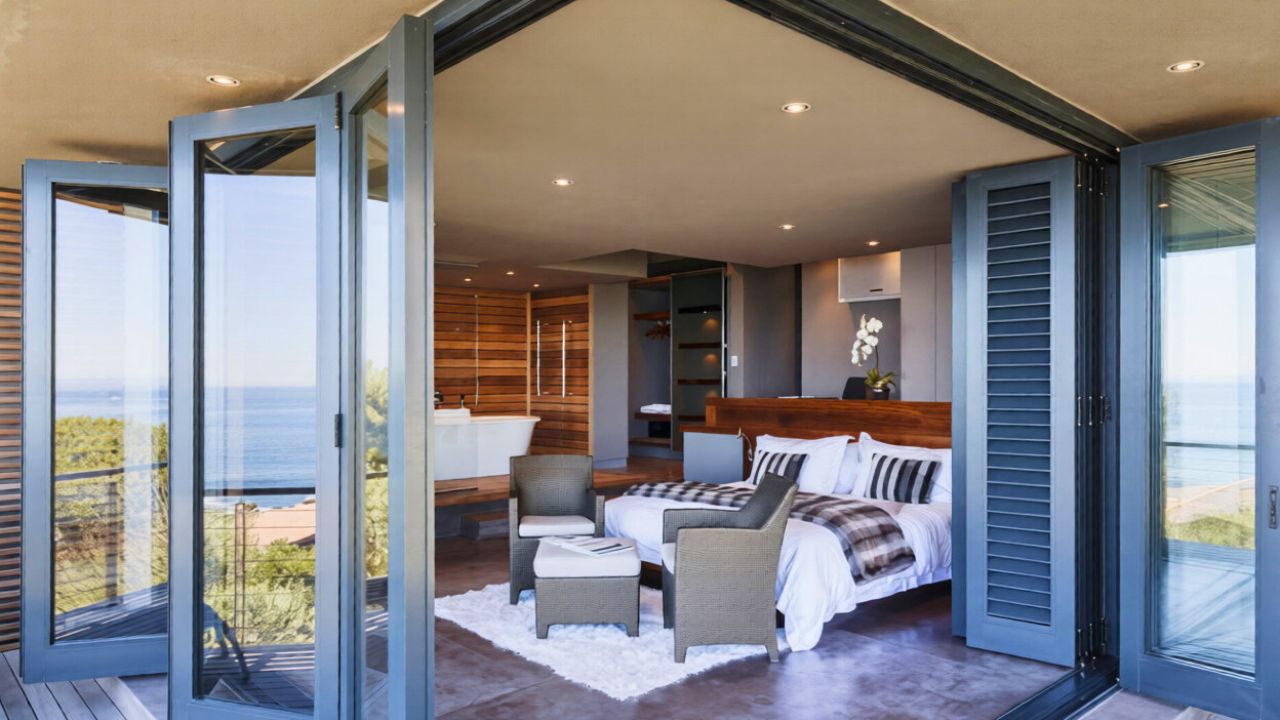
Again and again, you are shown a fantasy of living where the boundary between house and yard almost disappears. Massive glass doors fold away, living rooms spill onto terraces, and outdoor kitchens rival restaurant setups. The latest HGTV Dream Home on the shores of Lake Wylie leans hard into that idea, pairing lakeside views with expansive outdoor living areas that are treated as an extension of the interior. On screen, this looks like the ultimate upgrade, a single continuous entertaining zone where you can host a crowd without ever feeling cramped.
Designers reinforce the appeal by styling these spaces as if they were indoor rooms, complete with rugs, layered textiles, and delicate finishes. The multi‑level deck at HGTV Dream Home 2026 is framed as a way to Bring the Outdoors Inside, with skylights and sun tunnels from VELUX filling the interior with light while the deck itself functions as a series of outdoor rooms. You are encouraged to imagine that your daily life will feel like a permanent vacation, even though the reality of weather, dirt, and wear is largely edited out of the narrative.
Why this showpiece feature becomes a maintenance trap
Once you live with a fully integrated indoor‑outdoor zone, you discover that you have effectively doubled the surfaces that need care. Every time you open those wide glass doors, dust, pollen, and moisture ride in, settling on floors and fabrics that were never meant to behave like patio materials. The more you blur the threshold, the more you commit to frequent deep cleaning, seasonal sealing, and constant vigilance against water intrusion around tracks, thresholds, and deck connections.
Luxury buyers are often prepared for higher mortgage payments but underestimate what one real‑estate guide bluntly calls Amenity Costs Many owners absorb after move‑in. A sprawling deck, outdoor kitchen, and retractable wall system are all amenities, each with its own maintenance schedule, specialized parts, and service providers. When you combine them into a single feature, the risk is not just one big repair but a steady stream of smaller ones, from refinishing sun‑bleached boards to servicing door hardware that has been exposed to wind‑driven rain.
How HGTV’s aesthetic choices quietly raise your workload
The upkeep problem is magnified when you pair an indoor‑outdoor layout with finishes that were chosen primarily for the camera. All‑white kitchens are a prime example. HGTV has helped make All White cabinets and counters look timeless, but in practice every scuff, spill, and fingerprint shows. When that pristine kitchen opens directly to a deck or pool area, you are inviting outdoor grime into the hardest‑to‑keep‑clean room in the house, and you will feel it in your weekly chore list.
Intricate trim and built‑ins add another layer of work. One design analysis notes that But those intricate crown moldings and built‑ins that catch your eye also demand regular dusting, caulking, and repainting as hairline cracks appear over time. When you extend that level of detail to an outdoor‑adjacent living room, you are effectively putting high‑maintenance millwork in the splash zone of humidity and temperature swings, which accelerates the need for touch‑ups and repairs.
The deck, the grout, and the problem with “luxury” materials
Even when you choose durable materials, the way they are installed for visual drama can create headaches. A multi‑level deck with complex railings and built‑in planters looks spectacular in a drone shot, yet every joint, step, and planter edge is another place for water to sit and wood to fail. Owners of truly bespoke properties often talk about the compounding effect of these decisions, with one Comments Section contributor summing it up by saying, Just start with a massive tax bill and then imagine the rest of the upkeep from there.
Tile is another culprit when it is used for visual impact rather than practicality. In one discussion of HGTV‑style finishes, a viewer described a hotel that Great for homes but terrible for commercial properties because the Tile had so many grout lines that cleaning became a full‑time job, especially after they Stayed busy with guests. Translate that to a residential setting and you can see the risk of running small‑format tile from an indoor bar straight out to a patio. Every grout line outdoors collects dirt, and every one indoors shows the footprints that track in from outside.
Open layouts, noise, and the hidden cost of “flow”
The indoor‑outdoor room is usually paired with an open interior plan, all in the name of flow. On television, this looks like freedom: you can see the kids in the pool from the kitchen, chat with guests at the island while others lounge outside, and enjoy uninterrupted sightlines. In practice, you are also giving up acoustic separation. Real‑estate pros have pointed out that HGTV has made open floor plans feel mandatory, However, the same openness that looks great on camera can send loud noises throughout the house in a way that is not ideal for daily life.
When you add a wall of glass that opens to a deck or pool, you are also importing outdoor sound. Music, conversation, and mechanical noise from features like spas or outdoor kitchens all bleed into the main living area. Over time, you may find yourself retrofitting acoustic panels, heavier drapery, or even partial walls to regain some control, which undercuts the original design intent and adds yet another line item to your renovation budget.
Luxury amenities that quietly demand staff, not just owners
The more your home behaves like a resort, the more it expects to be run like one. High‑end properties often come with spa‑level perks, and one overview of upscale living notes that Other amenities can include first‑class spas with private massage rooms, swimming pools, nail services, and fitness setups. When those spaces are integrated into an indoor‑outdoor entertaining zone, you are not just maintaining a deck, you are maintaining a small hospitality operation, from pool chemistry to towel storage.
That reality is often at odds with the way HGTV packages luxury. You are encouraged to believe that you can manage it all with a few clever storage hacks and a weekend of spring cleaning. In truth, the level of polish you see on screen usually requires regular professional help, whether that is a weekly pool service, a landscaping crew to keep the views pristine, or specialists to maintain complex door systems and outdoor appliances. The feature that looked like a one‑time splurge becomes a recurring line in your monthly expenses.
Trend fatigue: when yesterday’s “wow” becomes today’s burden
Design trends move faster than most renovation timelines, which means the feature you copy from television today may feel tired by the time you finish paying for it. Editors who track these cycles have already flagged that Whether you love to follow every new look or not, some popular styles are on the way out as early as 2026. If your indoor‑outdoor room leans heavily on a specific trend, from a particular tile pattern to a statement railing style, you may find yourself living with a dated focal point that is too expensive to redo.
Even HGTV’s own tastemakers are starting to pull back from some of the maximalist choices that once dominated their sets. In a feature on clustercore, the network notes that HGTV Editors Are Ready To Leave These Design Trends Behind in favor of more edited, intentional collections. If the people who helped popularize densely layered surfaces are now advocating restraint, it is a sign that building a giant, fully furnished outdoor living room may age faster than a simpler, more flexible patio that you can restyle over time.
What HGTV’s own editors are quietly changing in 2026
Behind the glossy reveals, there are hints that even HGTV’s insiders are rethinking how much house is realistic to maintain. In their latest resolutions, HGTV Editors Design Resolutions for 2026 that focus on more sustainable, livable spaces rather than just bigger and flashier ones. That shift suggests a growing awareness that viewers are not only inspired by dramatic transformations but also hungry for ideas that respect their time and energy.
For you, that is permission to question whether the most dramatic feature in a reveal is actually the smartest one to copy. Instead of replicating a full resort‑style indoor‑outdoor complex, you might prioritize a smaller, well‑insulated set of doors, a modest deck that is easy to refinish, and materials that can handle real life. The goal is not to reject aspiration, but to align it with the way you actually live, so your home feels luxurious without demanding a part‑time facilities manager.
How to get the look you love without inheriting the headaches
If you are still drawn to the idea of a seamless connection between inside and out, you can borrow the spirit of those HGTV spaces while sidestepping their worst maintenance traps. Start by scaling down. A single large slider or a pair of French doors can provide generous views and airflow without the complexity of a full wall of folding glass. Choose finishes that hide wear, not highlight it, so you are not stuck scrubbing every footprint off a white floor that sits next to a muddy yard.
Pay attention to how you will actually use the space, not just how it will photograph. That might mean prioritizing durable decking over intricate inlays, or opting for fewer grout lines in areas that connect directly to the outdoors. It also means being realistic about your appetite for upkeep. If you know you do not want to spend weekends power‑washing and sealing, design accordingly. Even HGTV’s own programming has started to acknowledge that not every trend is worth chasing, and that your best investment is a home that supports your life instead of constantly asking for more of it.
Like Fix It Homestead’s content? Be sure to follow us.
Here’s more from us:
- I made Joanna Gaines’s Friendsgiving casserole and here is what I would keep
- Pump Shotguns That Jam the Moment You Actually Need Them
- The First 5 Things Guests Notice About Your Living Room at Christmas
- What Caliber Works Best for Groundhogs, Armadillos, and Other Digging Pests?
- Rifles worth keeping by the back door on any rural property
*This article was developed with AI-powered tools and has been carefully reviewed by our editors.