The inspection item that keeps failing after DIY remodels and why
Photo credit: David Spates/Shutterstock.com
Home inspectors keep seeing the same problem after do‑it‑yourself remodels, and it is not the paint color or the tile pattern. The work that most often trips up an otherwise solid project is hidden behind walls and ceilings, where a small mistake can turn into a safety hazard or a failed sale. If you are planning to remodel yourself, understanding why this one inspection item so often fails is the difference between a proud upgrade and an expensive do‑over.
The inspection headache that shows up again and again is amateur electrical work, especially when it is done without permits, planning, or a clear grasp of code. Around that core issue, inspectors also flag rushed layouts, improvised plumbing, and HVAC shortcuts that all trace back to the same root cause: you are being asked to design and build a system, not just make a cosmetic change.
The real reason DIY remodels collide with inspections
When you remodel on your own, you are usually chasing a vision of a better kitchen, bath, or basement, not a checklist of code requirements. That gap between design dreams and technical rules is where inspection failures live. You see a wall you want gone, a light you want moved, or a shower you want bigger; your inspector sees load paths, wire gauges, and vent sizing that all have to line up with local standards before anyone signs off.
The rise of online tutorials has made it feel as if you can learn everything you need in an evening, but even detailed videos rarely cover how your local jurisdiction interprets gray areas or what your specific house can safely handle. In the world of DIY Home Improvements and Inspection Red Flags, inspectors repeatedly see that confidence from tutorials outpaces actual skill, especially once you start touching systems like plumbing and wiring that were never meant to be casual weekend projects.
Why electrical work tops the failure list
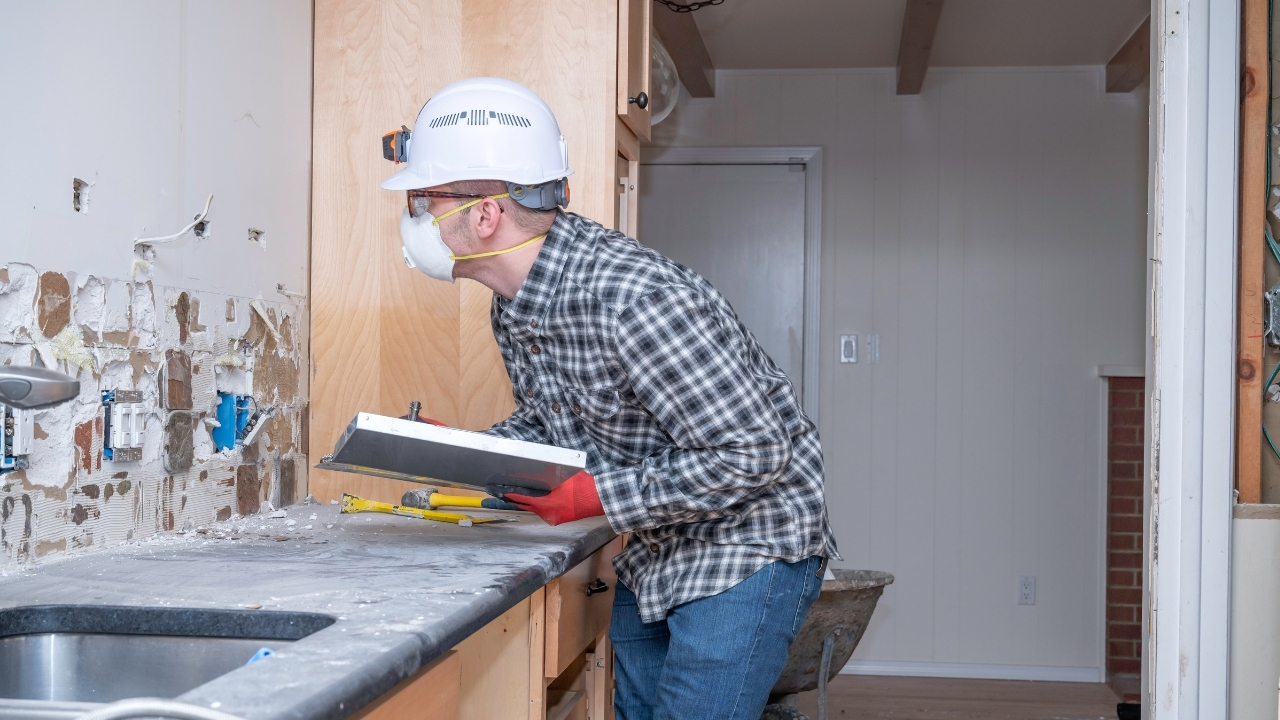
Among all the systems you might touch, electrical rough‑in is the inspection item that fails most often after DIY remodels. It is invisible once the drywall goes up, it looks deceptively simple, and it is unforgiving when you get it wrong. Inspectors routinely find junction boxes buried behind new shiplap, overloaded circuits feeding a row of new recessed lights, and mystery splices wrapped in tape instead of proper connectors.
Professional code specialists describe electrical rough as one of the most common failure points on residential job sites even when licensed trades are involved, which tells you how narrow the margin is for error. When you layer in unpermitted DIY work, the odds of mis‑sized breakers, missing GFCI or AFCI protection, or improperly stapled cable go up sharply, and every one of those details is something an inspector is trained to spot in seconds.
The hidden danger of “quick” DIY electrical fixes
What really alarms inspectors is not just new wiring that is a little sloppy, but improvised fixes to old electrical systems that were never evaluated in the first place. You might replace a switch, extend a circuit to feed a new outlet, or swap in a bigger appliance without realizing that the panel, the branch circuit, or the grounding path is already at its limit. To you, the lights come on and nothing trips, so it feels like a success; to an inspector, it looks like a future fire report.
Recent reporting on One of the most common home‑safety red flags describes outdated panels and tired wiring that have been “upgraded” by homeowners who simply added more load. Inspectors found breakers that had not tripped often only because the occupants were cautious about usage, not because the system was actually safe, and once a buyer requested a full inspection, those quiet compromises turned into mandatory repairs.
Planning, permits, and the trap of rushing the schedule
Even if you are comfortable with tools, inspection failures often start long before you pull a wire or cut a pipe. They begin when you skip planning and permitting so you can start demolition faster. Without a clear scope, you are more likely to improvise in the field, which is exactly how undersized circuits, missing smoke alarms, and awkward duct runs end up baked into the project.
Construction planners warn that Inspection failures due to rushed work are a predictable outcome when Projects start without proper sequencing of permits and inspections. You may think you are saving time by closing up walls before calling the inspector, but if the rough‑in fails, you face unexpected pauses waiting for approvals, plus the cost and frustration of tearing open finished surfaces to prove you corrected the problem.
Plumbing, HVAC, and other systems that fall right behind
Electrical work may be the star of the failure show, but it has strong competition from DIY plumbing and HVAC. When you move a sink or shower, you are not just relocating fixtures, you are altering vent stacks, trap arms, and pressure balances that keep sewer gas out of your living space. A drain that “seems to work” during a quick test can still be undersized, improperly vented, or sloped just enough to collect debris and cause backups months later.
Inspectors who track Plumbing Problems from DIY Repairs note that while small leaks and minor drips might be obvious, hidden plumbing problems may exist behind walls where improvised fittings or unapproved materials were used. On the mechanical side, code experts list HVAC Ductwork Installed Incorrectly as a top inspection failure, with crushed flex duct, missing supports, and unsealed joints all undermining system performance and indoor air quality even when the new thermostat looks sleek on the wall.
How code violations ripple through safety and comfort
When an inspector tags your remodel for code violations, it is not just a bureaucratic exercise. Those red marks usually point to real‑world risks that affect how safely and comfortably you can live in the space. An overloaded circuit can overheat behind a nursery wall, a missing fire barrier can let smoke race through a ceiling cavity, and an undersized return duct can starve your furnace of air and shorten its life.
Technical guidance on Inadequate Fire Protection Systems highlights how Missing sprinklers, disabled alarms, blocked exits, or under‑sized smoke control systems can let heat and particulate load overwhelm supply air in an emergency. Even if your DIY project is smaller than a commercial build, the same principles apply: when you punch holes in walls, add ducts, or reframe openings, you are either preserving or weakening the layers of protection that codes are designed to enforce.
The cost of illegal additions and unpermitted work
One of the harshest lessons DIY remodelers learn is that unpermitted work does not stay hidden forever. It tends to surface when you refinance, sell, or suffer a loss that triggers an insurance claim. At that point, what felt like a harmless shortcut becomes a paper trail problem, and you may be asked to open walls, provide engineering, or even remove finished spaces that do not meet current standards.
Contractors who clean up after failed DIY projects warn that Unfortunately, DIY home additions or major alterations that bypass permits can be classified as illegal construction. In some jurisdictions, you are not only required to bring the work up to code, you are also expected to report illegal construction, which can trigger fines, back taxes on unreported square footage, and mandatory inspections that are far more intrusive than if you had followed the process from the start.
Why “custom” and complex projects are hardest to DIY
There is a reason professionals draw a hard line around certain types of projects, even for handy homeowners. When you move from simple replacements to custom layouts, structural changes, or integrated systems, you are dealing with work that requires intimate knowledge of both process and sequencing. It is not just about making something look good, it is about ensuring every hidden layer performs correctly before the final cosmetic appearance hides it forever.
Experienced remodelers point out that DIY custom jobs are where Homeowners typically fail at projects that require intimate knowledge of a process that a professional has spent years refining. When you combine that learning curve with inspection requirements, you end up with staircases that do not meet rise‑and‑run rules, showers that lack proper waterproofing behind the tile, or built‑ins that block required clearances around panels and equipment, all of which inspectors are obligated to flag.
How to remodel smarter so your inspection passes the first time
If you still want to take on a remodel yourself, the goal is not to avoid inspections but to design your project around them. That starts with a realistic assessment of what you can safely handle and where you should bring in licensed help. You might do demolition, framing, and finishes while hiring an electrician to handle the panel and rough‑in, or you might manage layout and materials while a plumber sizes and installs the new drain and vent system.
Planning ahead also means building your schedule around required check‑ins instead of treating them as an afterthought. You can use the kind of Avoid Last minute Surprises guidance that professionals rely on, mapping out when each Inspection is needed so you are not tempted to cover work prematurely. When you treat the inspector as a quality‑control partner rather than an obstacle, you are far more likely to finish with a remodel that looks good, functions safely, and clears every required sign‑off.
Like Fix It Homestead’s content? Be sure to follow us.
Here’s more from us:
- I made Joanna Gaines’s Friendsgiving casserole and here is what I would keep
- Pump Shotguns That Jam the Moment You Actually Need Them
- The First 5 Things Guests Notice About Your Living Room at Christmas
- What Caliber Works Best for Groundhogs, Armadillos, and Other Digging Pests?
- Rifles worth keeping by the back door on any rural property
*This article was developed with AI-powered tools and has been carefully reviewed by our editors.