The home features that can raise premiums without you noticing
Photo credit: Chuckcollier/istock.com
Home upgrades are supposed to make your life better, not quietly inflate a bill you barely glance at until renewal season. Yet many of the same features that boost comfort or resale value can also nudge your homeowners premium higher, sometimes without a clear warning from your insurer. If you understand how underwriters read your house, you can spot which “nice to have” additions are quietly treated as extra risk and plan around the cost.
Insurers do not just look at square footage and roof age, they dissect how you use your space, what you build into it, and how likely those choices are to trigger a claim. From backyard fun zones to luxury kitchens, the details that impress guests can look very different on an actuarial spreadsheet. The goal is not to avoid improvements, but to go into them with open eyes, so you are not surprised when the next renewal notice lands in your inbox.
How insurers really price your home’s features
When you add or change a feature, you are not just altering your lifestyle, you are changing the risk profile that sits behind your policy. Carriers start with broad factors like your location, crime levels, and local weather patterns, then layer on the specific characteristics of your property, from construction type to amenities. As one breakdown of home insurance costs explains, where you live and how exposed your home is to hazards such as crime or storms can be as important as what you build, because both feed into the probability and severity of future claims.
On top of that geographic baseline, underwriters look at how each feature might increase the chance that someone gets hurt or that property is damaged. Analysts who study Factors That Affect Homeowner, Insurance Premiums point out that your deductible, coverage limits, and even your claims history interact with those physical details to set the final price. A high risk feature in a low risk area might be priced similarly to a modest home in a high risk zone, which is why two neighbors with similar houses can see very different bills once one of them adds a pool, a deck, or a high end renovation.
Backyard fun that alarms underwriters
Few additions feel more like a lifestyle upgrade than a pool or hot tub, but to an insurer they are classic examples of “attractive nuisances,” features that draw people in and raise the odds of injury. Analysts who have examined the hidden risk in “fun” amenities note that a backyard pool or hot tub may look harmless, yet it is exactly the kind of home feature that quietly alarms underwriters, because it combines water, guests, and sometimes alcohol. That combination increases the chance of slip and fall injuries, drownings, and property damage, all of which are expensive to settle.
Insurers respond by charging more for liability coverage or by imposing safety requirements such as fences, self latching gates, and pool covers. Guidance on Can Swimming Pools Affect Your Homeowners Insurance Policy explains that homeowners insurance is generally designed to cover pools, but the presence of a pool can cause your policy to typically be more expensive because of the heightened liability. If you add a slide, diving board, or host frequent gatherings, you are layering even more perceived risk on top, which can push premiums higher than you might expect from what looks like a simple backyard upgrade.
Play sets, trampolines, and other “kid magnets”
Play structures are another category where your intention and the insurer’s interpretation diverge. You might see a swing set, trampoline, or climbing wall as a way to keep children active and outdoors, but carriers see elevated fall risk, broken bones, and potential lawsuits from visiting families. One analysis of Why Do These Features Increase Insurance Rates notes that backyards filled with play sets, trampolines, and pools may look like a child’s dream, but they also pose significant risks that drive up premiums.
Insurers sometimes respond by adding exclusions for trampolines or by requiring safety nets, anchoring systems, and regular maintenance as conditions of coverage. A separate review of Pools, Trampolines and Pets, What Additions Could Raise Your Rates underscores that a backyard pool is a major liability exposure and that trampolines and certain animals can have a similar effect, because each one increases the chance of a claim and in turn raises your premium. If you are planning a kid friendly yard, it is worth pricing out the insurance impact before you pour concrete or assemble that new play tower.
Decks, additions, and the square footage trap
Adding living space feels like a straightforward way to increase comfort and resale value, but it also increases the amount of structure your policy has to rebuild after a loss. When you expand your footprint with a new room, sunroom, or finished basement, you are raising the replacement cost that sits at the heart of your dwelling coverage. Reporting on expanding your living space notes that while some improvements can lower costs, adding square footage or features that carry a greater fire risk can push premiums higher, because there is simply more to repair or rebuild.
Outdoor projects can have a similar effect, especially when they change how people move around your property. Guidance on Adding a deck highlights that a new deck is another improvement that can affect your insurance, since it introduces elevated walking surfaces, railings that must be maintained, and sometimes built in grills or fire features. If your addition includes high end materials or custom work, the cost to replace that deck after a storm or fire will be higher than a basic structure, which is exactly the kind of detail underwriters factor into your rate.
High-end kitchens, baths, and luxury finishes
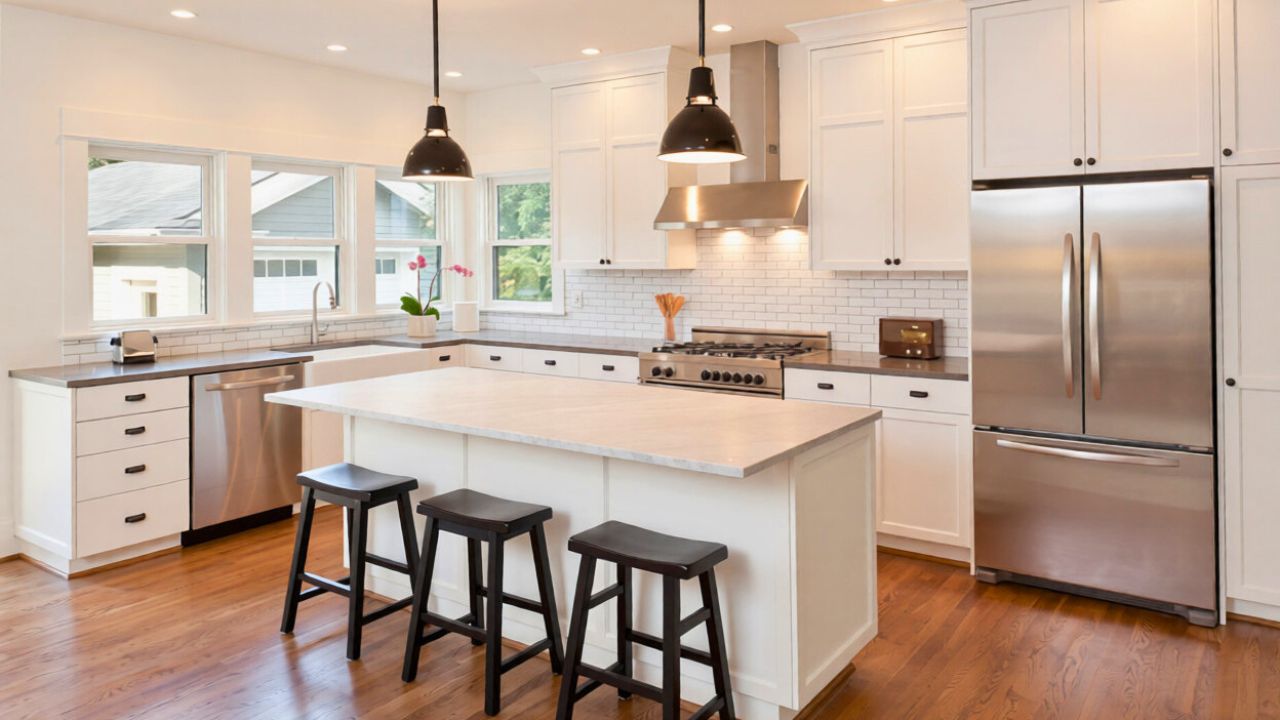
Renovating a kitchen or bathroom is one of the most popular ways to modernize a home, and it often pays off in resale value. Yet from an insurer’s perspective, every premium appliance, imported tile, or custom cabinet you install raises the bar for what it would cost to restore the room after a burst pipe or electrical fire. Analysis of Upgrading your kitchen or bath notes that, according to the Cost vs. Value Report by Remodeling Magazine, these projects can significantly increase your home’s value, which means you may need to adjust your coverage to align with your upgrades and accept a higher premium.
Even smaller touches can move the needle. A review of surprising home features that sell points out that a steam oven is associated with a 3.7% premium in sale price, and that new appliances can add 2.6% compared with older models, which signals to insurers that the replacement cost of your kitchen has climbed. When you install a professional grade range, stone counters, or custom lighting, you are not just making the space more enjoyable, you are also giving your carrier a reason to revisit your dwelling limit and, with it, your annual bill.
Smart tech, touchless features, and hidden system costs
Smart home technology is often marketed as a way to save on insurance, and in some cases that is accurate, especially when devices reduce risk by detecting leaks or smoke early. But the story is more complicated when you layer in high end automation, integrated sound systems, and custom wiring. If a lightning strike or power surge damages those systems, the cost to repair or replace them can be substantial, and that potential payout is part of what your premium reflects. Analysts who track factors that impact premiums emphasize that insurers look at both the physical structure and the systems inside it, from electrical to security, when assessing risk and pricing coverage.
Modern convenience features can have a similar double edge. A review of Home Features That Will Increase the Value of Your Property notes that Energy, Efficient Windows and Doors and Upgrading to smart, touchless fixtures can make your home more attractive to buyers, and that incorporating touchless features into your home can appeal to health conscious shoppers. Yet those same upgrades often rely on specialized parts and labor, which can increase the cost of repairs after a covered loss. If your entire lighting system runs through a central hub or your locks are all electronic, a single power event or water leak can turn into a complex, and expensive, claim.
Location, landscaping, and the illusion of “minor” changes
Even when you are not knocking down walls, seemingly modest exterior changes can alter how your insurer views your property. Dense landscaping, tall trees near the roofline, or elaborate outdoor structures can increase the chance of storm damage or make it harder for firefighters to access your home. Analysts who focus on Here are the top five factors that affect your homeowner insurance premiums point out that The Location of Your Home, including proximity to fire hydrants and quality of local infrastructure, often shapes your base rate, and that homes closer to robust emergency services often see lower premiums. When you add features that complicate access or increase fuel for a fire, you are working against that advantage.
Broader geographic context still matters more than any single shrub or pergola. A separate review of Location, Location, Location underscores that carriers weigh regional hazards, from wildfire zones to coastal floodplains, alongside your specific property features. If you live in an area already flagged for higher risk, adding a heavily wooded yard, a detached studio, or a complex outdoor kitchen can tip your profile into a more expensive tier. The changes may feel incremental to you, but on an underwriter’s worksheet they are additional line items that all point in the same direction.
When value-adding upgrades collide with insurance math
Many of the most desirable upgrades are exactly the ones that complicate your insurance picture, because they raise both market value and replacement cost at the same time. A survey of home improvements that add value highlights touches of luxury, such as spa like bathrooms or a private escape in the yard, and notes that a well designed outdoor retreat can add 1.7% to a home’s value. Those same features, from built in seating to fire pits and water elements, also increase what it would cost to restore your property after a loss, which is why your insurer may quietly adjust your premium after you complete them.
Energy upgrades can create a similar tension. The review of Energy, Efficient Windows and Doors explains that upgrading to more efficient openings can reduce utility bills and appeal to buyers, and that buyers are likely to find these additions attractive. Yet high performance windows and custom doors are more expensive to replace than standard units, which can nudge your coverage needs and premiums upward. The key is to recognize that “value adding” in the real estate sense is not the same as “cost reducing” in the insurance sense, and to budget for both sides of that equation.
How to keep premiums in check when you upgrade
You are not powerless in this equation, even if some features inevitably cost more to insure. The first step is to talk to your agent before you commit to a major project, so you can understand how it will affect your coverage and whether there are design choices that might mitigate the impact. Analysts who outline Insurance Premiums emphasize that your deductible and policy structure are levers you can adjust, and that raising your deductible can sometimes offset the premium increase from new features, as long as you are comfortable with the higher out of pocket cost if you file a claim.
It also helps to pair risk increasing upgrades with risk reducing ones. If you are adding a deck or outdoor kitchen, consider installing better lighting, non slip surfaces, and a monitored security system at the same time. When you build a pool, invest in fencing, alarms, and clear safety rules for guests. Some carriers explicitly reward improvements that lower the chance or severity of a loss, such as modern wiring, impact resistant roofing, or water leak sensors, which can help balance out the cost of more indulgent projects. Guidance on home improvements that lower homeowners insurance costs notes that certain upgrades, like reinforcing your roof or updating old systems, can help to reduce your premium, especially when they replace features that carry a greater fire risk. If you treat insurance as part of the renovation budget from the start, you are far less likely to be surprised by what shows up on your next renewal notice.
Like Fix It Homestead’s content? Be sure to follow us.
Here’s more from us:
- I made Joanna Gaines’s Friendsgiving casserole and here is what I would keep
- Pump Shotguns That Jam the Moment You Actually Need Them
- The First 5 Things Guests Notice About Your Living Room at Christmas
- What Caliber Works Best for Groundhogs, Armadillos, and Other Digging Pests?
- Rifles worth keeping by the back door on any rural property
*This article was developed with AI-powered tools and has been carefully reviewed by our editors.